
Home Office Inspiration Without the Hype, What Works First
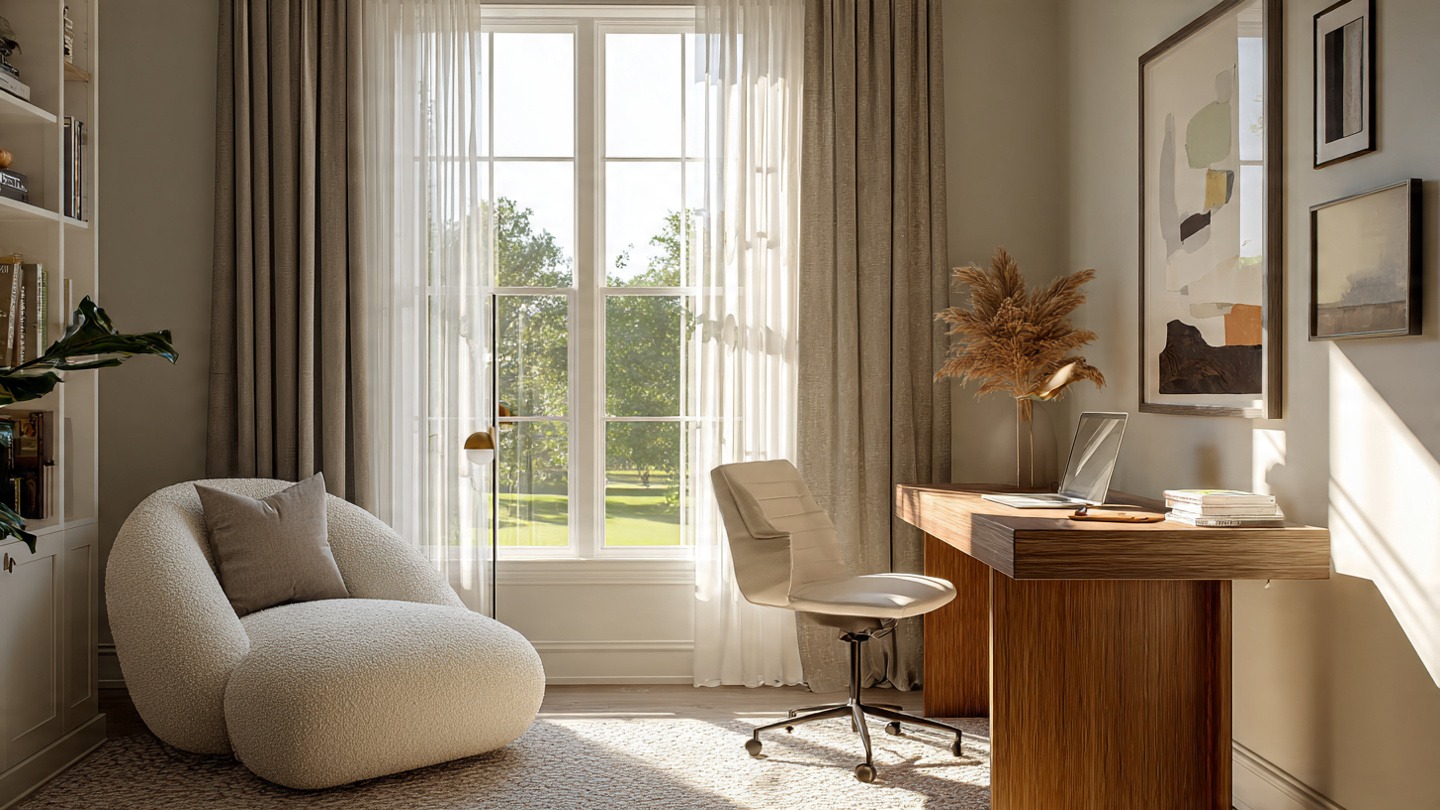
Working from home often feels like a balancing act between professional productivity and domestic relaxation. The struggle is rarely about the desk itself, but rather the lack of a psychological boundary. When your living room is also your boardroom, the mind can struggle to switch gears. This is why true home office inspiration is not merely about selecting a trendy chair or a sleek desk; it is about designing a psychological trigger that tells your brain it is time to focus.
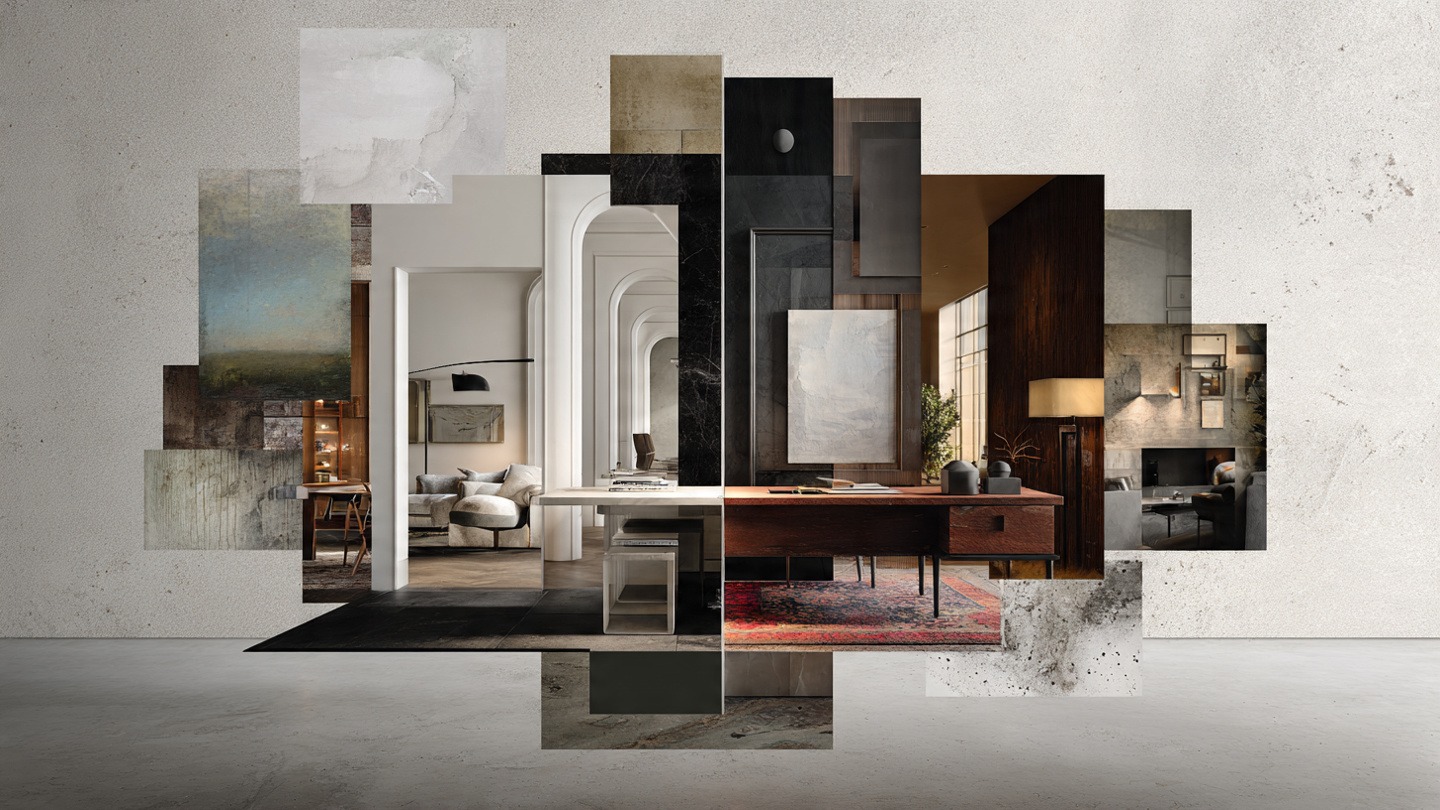
By aligning your home office aesthetics with your specific work state, you can curate an environment that actively supports your goals. Whether you need a space for deep, analytical concentration or a vibrant zone for brainstorming, your surroundings should act as a tool for your success. In this guide, we will explore three distinct style personas to help you find the right home office inspiration for your unique professional needs.
The Minimalist Sanctuary: Less Clutter, More Clarity
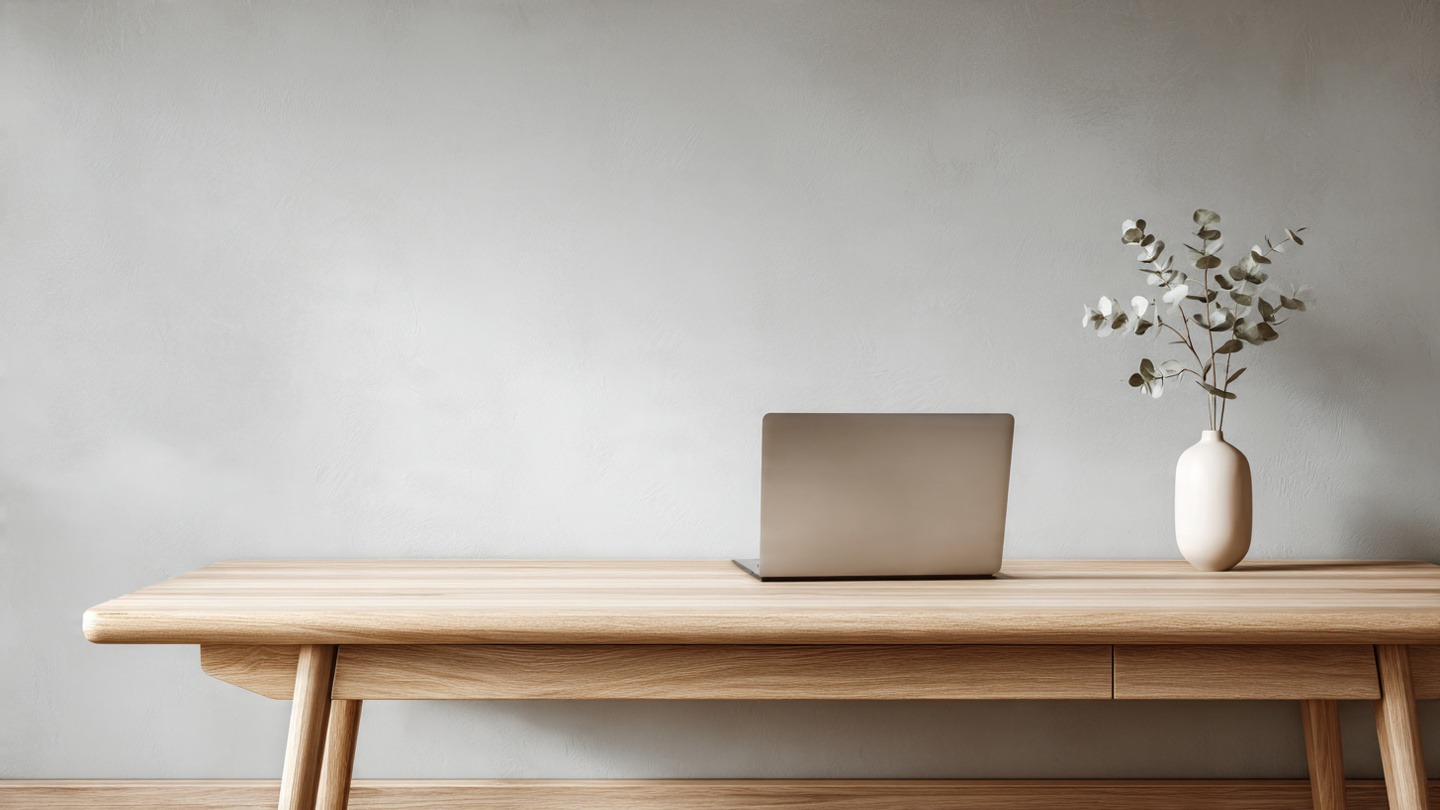
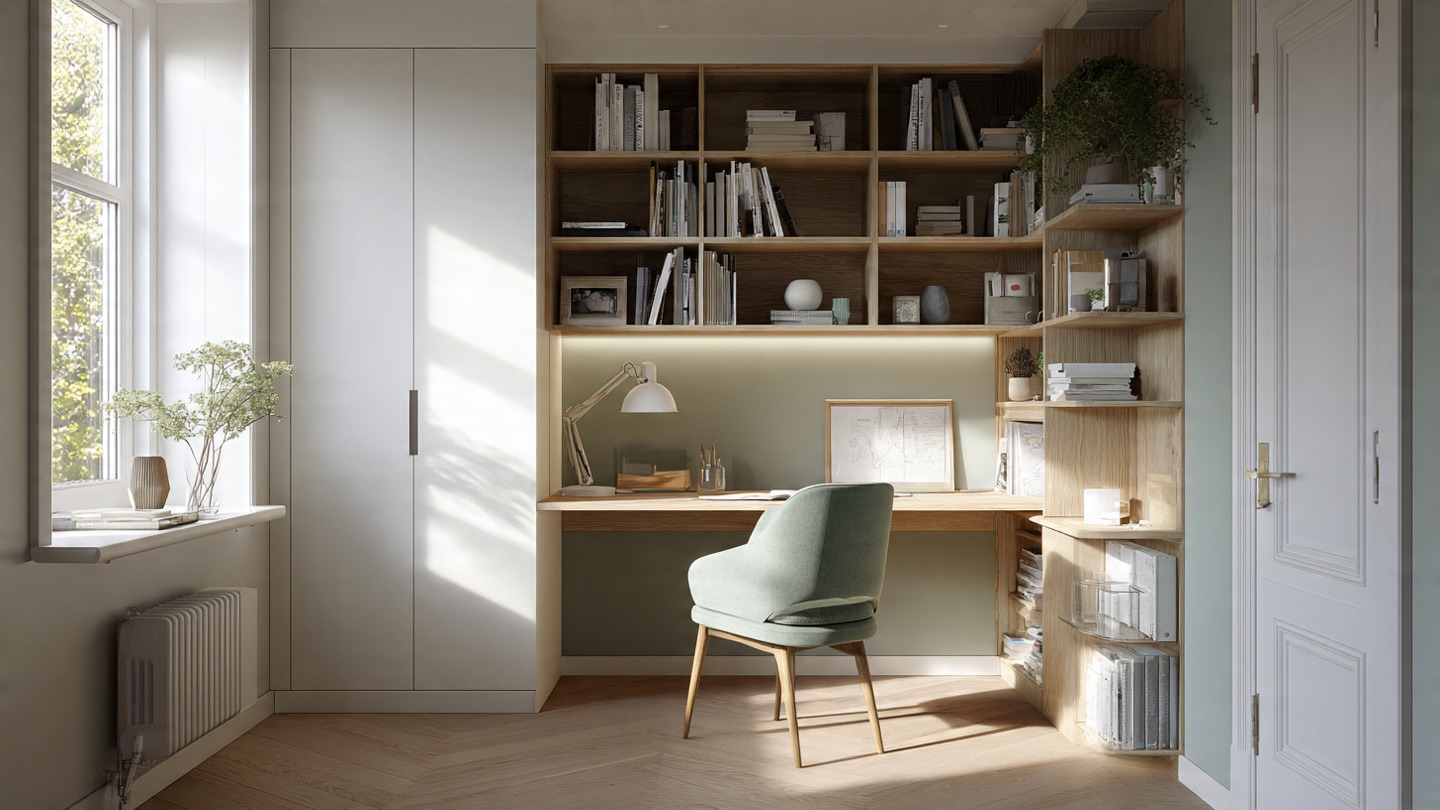
For those whose work requires intense mental clarity and high-level organization, the Minimalist Sanctuary is the ideal approach. This design philosophy is rooted in the idea that a cluttered environment leads to a cluttered mind. By stripping away the unnecessary, you remove the visual noise that often leads to procrastination and distraction. This form of home office inspiration focuses on a “Clean Desk” philosophy, where every item has a purpose and a designated place.
To achieve this look, lean into a neutral palette of whites, soft greys, and natural wood tones. These colors keep the room feeling airy and open, which can reduce stress during high-pressure deadlines. The key to maintaining this aesthetic is rigorous cable management. Nothing ruins a modern desk decor faster than a tangle of black wires. To keep your cables hidden and tidy, we recommend using a cable management box for desk, which tucks away power strips and excess cords into a sleek, unobtrusive container.
Beyond the hardware, focus on the concept of negative space. Leave areas of your desk completely empty. This open space provides a mental “breathing room” that allows you to focus entirely on the task at hand, turning your workspace into a true sanctuary of productivity.
The Moody Executive: Deep Tones and Focused Energy
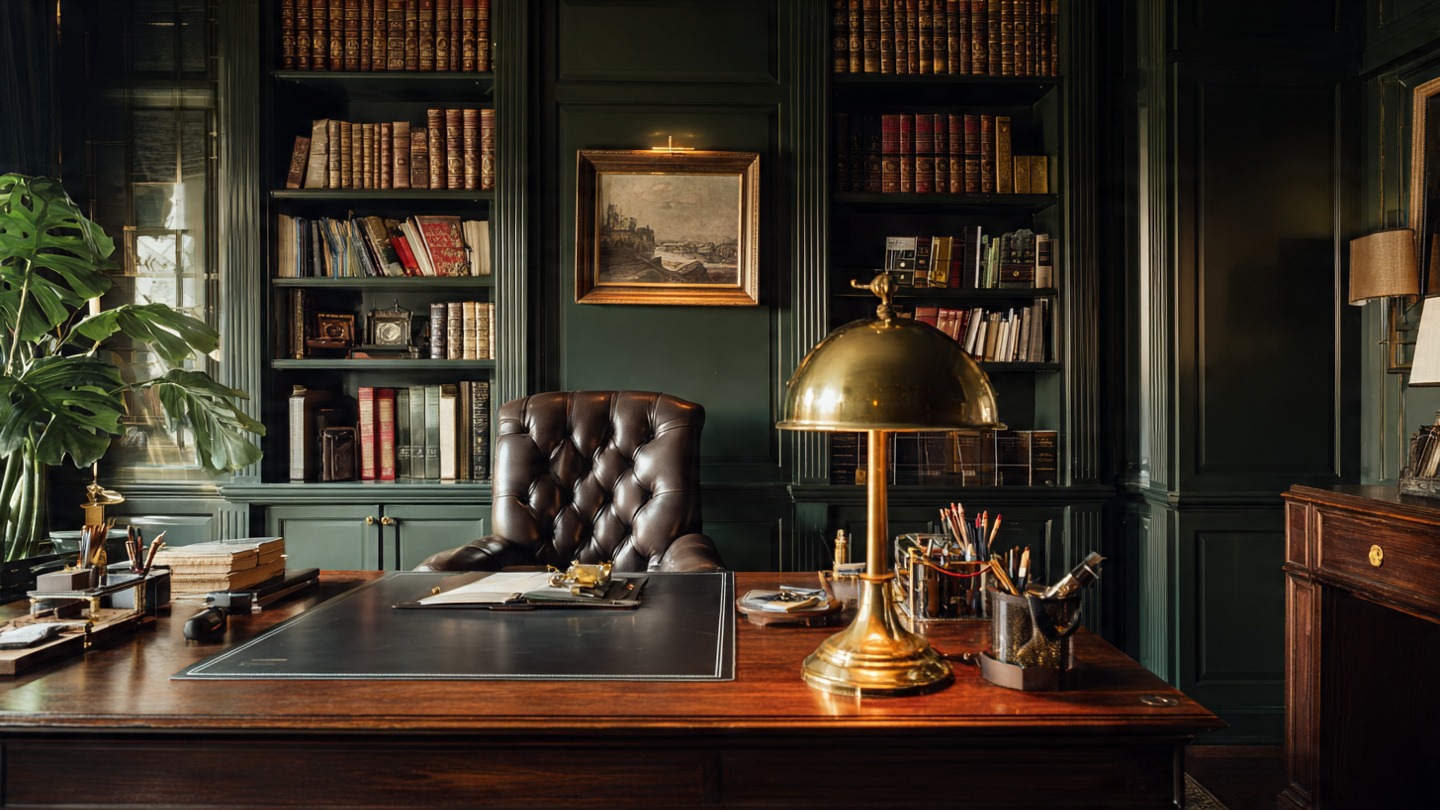
While minimalism is about openness, the Moody Executive vibe is about containment. This style, often blending elements of Dark Academia and corporate chic, is designed for those who engage in “Deep Work”-tasks that require hours of uninterrupted concentration. By using a palette of navy, forest green, or charcoal, you create a cocoon effect. These darker hues absorb light and minimize peripheral distractions, effectively narrowing your visual field to your screen and your notes.
The psychological impact of a moody room is one of authority and introspection. It feels like a private library or a high-end study, which can subconsciously shift your mindset into a more disciplined, executive state. However, the risk with dark walls is that the room can feel oppressive or gloomy if the lighting is poor. To counteract this, incorporate warm accent lighting to create contrast and depth. A vintage brass desk lamp provides a sophisticated glow that highlights your immediate work area while leaving the rest of the room in a soft, atmospheric shadow.
To complete this look, incorporate rich textures like leather, velvet, or dark walnut wood. These materials add a sense of permanence and stability to your home office inspiration, making the space feel like a professional anchor within your home.
The Creative Hub: Color, Texture, and Play
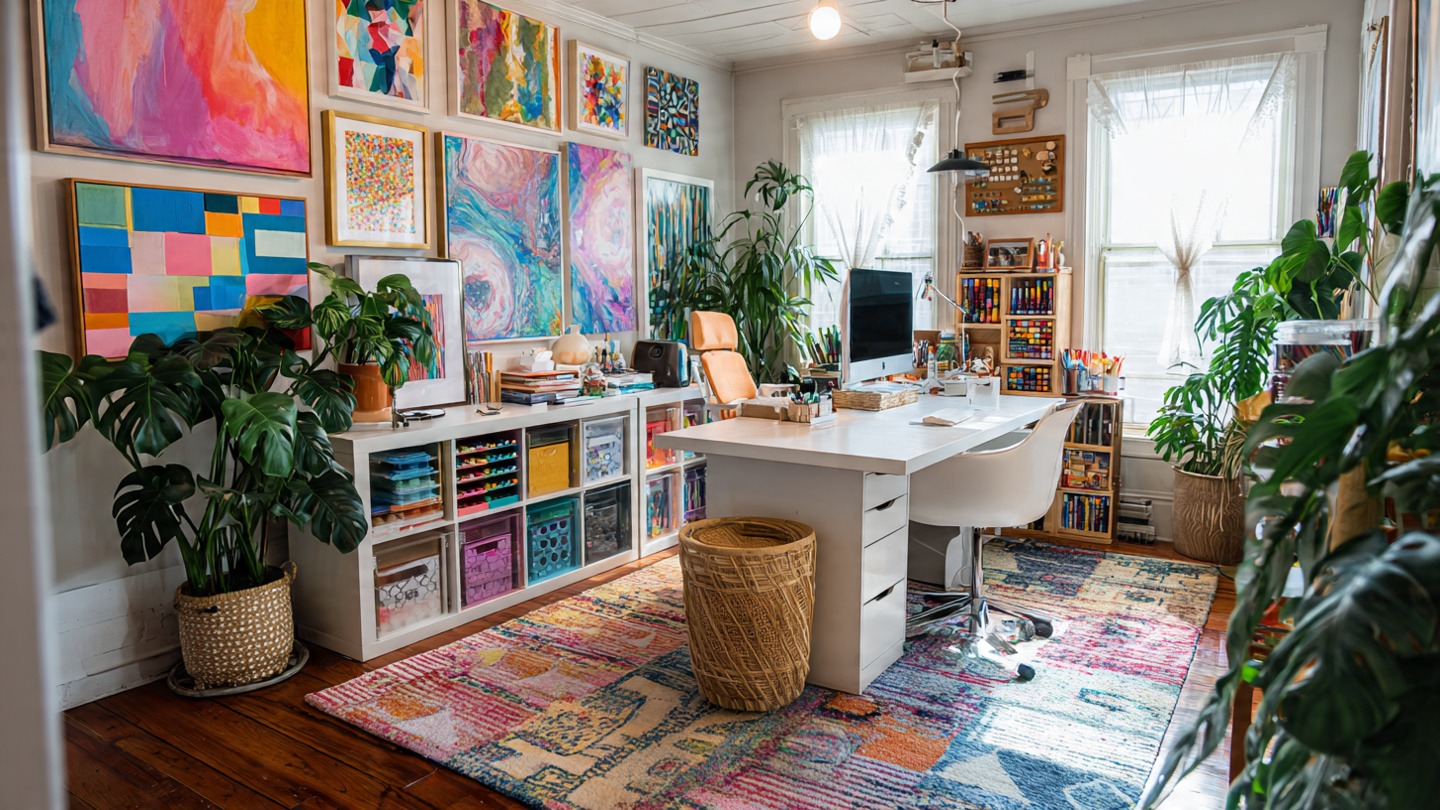
For artists, marketers, and entrepreneurs, a sterile environment can actually hinder productivity. The Creative Hub is designed for those who thrive on sensory stimulation and “organized chaos.” This approach to home office inspiration embraces eclectic styles, blending bold colors, varied textures, and an abundance of visual prompts. The goal here is to spark inspiration and allow the mind to make unexpected connections.
In a Creative Hub, your walls should work for you. Use mood boards, sketches, and open shelving to keep your current projects visible. This allows you to step back from your screen and see the “big picture” of your work. Because creatives often deal with a variety of physical tools-from markers and tablets to fabric swatches-vertical storage is essential. A wall mounted pegboard organizer serves as a perfect vertical organization system, keeping your tools within arm’s reach while turning your supplies into a piece of wall art.
Don’t forget the role of nature. Adding indoor plants not only purifies the air but also introduces organic shapes and vibrant greens that reduce mental fatigue. By mixing a productive room layout with playful elements, you create a space that feels less like a chore and more like a studio.
Solving the Small Space Puzzle
Not everyone has the luxury of a dedicated room. Whether you are working with a “cloffice” (a closet converted into an office) or a small corner of the bedroom, you can still apply these principles of home office inspiration. The secret to small workspace ideas is maximizing the vertical plane and choosing multi-functional furniture.
Avoid bulky desks that eat up floor space. Instead, look for a space-saving floating desk, which keeps the floor clear and makes the room feel larger. Use floating shelves above the desk to store files and decor. When working in a tight nook, use a mirror to reflect light and create the illusion of more depth, ensuring your small setup doesn’t feel claustrophobic.
The Non-Negotiables for Every Setup
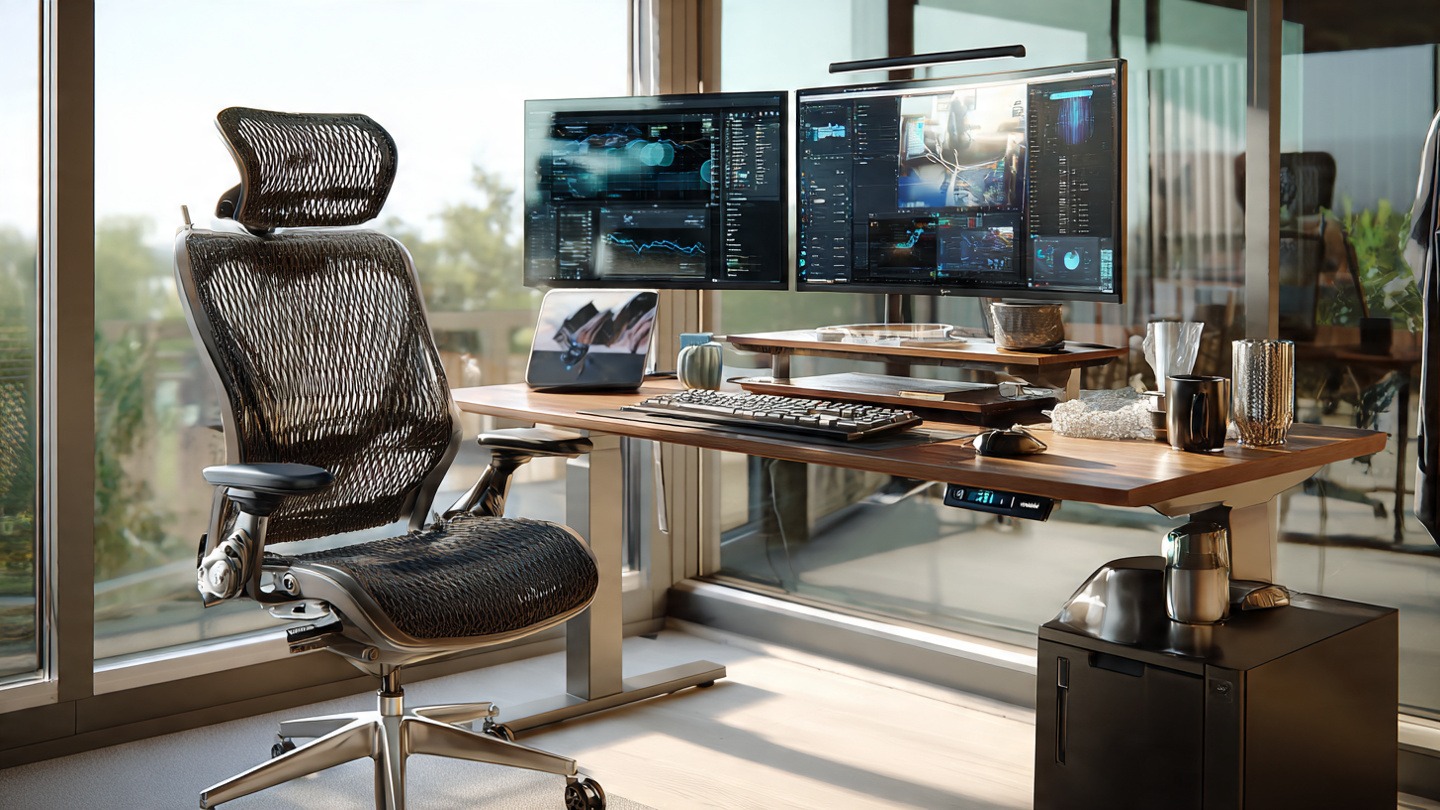
Regardless of which aesthetic you choose, there are several functional elements that must be present to ensure your space is sustainable. The most critical is an ergonomic office setup. You cannot be productive if you are in pain. Investing in a high-quality chair is a start, but adding ergonomic support for long hours, such as a lumbar pillow, can prevent chronic back strain and keep you focused.
Lighting is the second non-negotiable. Natural light is best for mood and alertness, so position your desk near a window if possible. However, for evening work, use layered lighting-a mix of overhead, task, and ambient lights-to avoid eye strain. Finally, follow the “one personal item” rule. While minimalism is great, a completely sterile space can feel cold. Include one item-a photo, a piece of art, or a travel souvenir-that reminds you of your life outside of work, keeping the space feeling human and balanced.
FAQ: Home Office Inspiration Questions, Answered
How do I separate work and life in one room?
The best way is to create a visual or physical anchor. Use a rug to define the “office zone,” or use a folding screen to hide your desk when the workday ends. The act of closing a door or folding a screen signals to your brain that you are now “off the clock.”
What is the best lighting for video calls?
Avoid backlight, as it turns you into a silhouette. Position yourself facing a window for natural light. If that is not possible, use a soft-box light or a ring light placed slightly above eye level to eliminate harsh shadows and ensure your home office aesthetics translate well on camera.
Turning Your Inspiration Into Reality
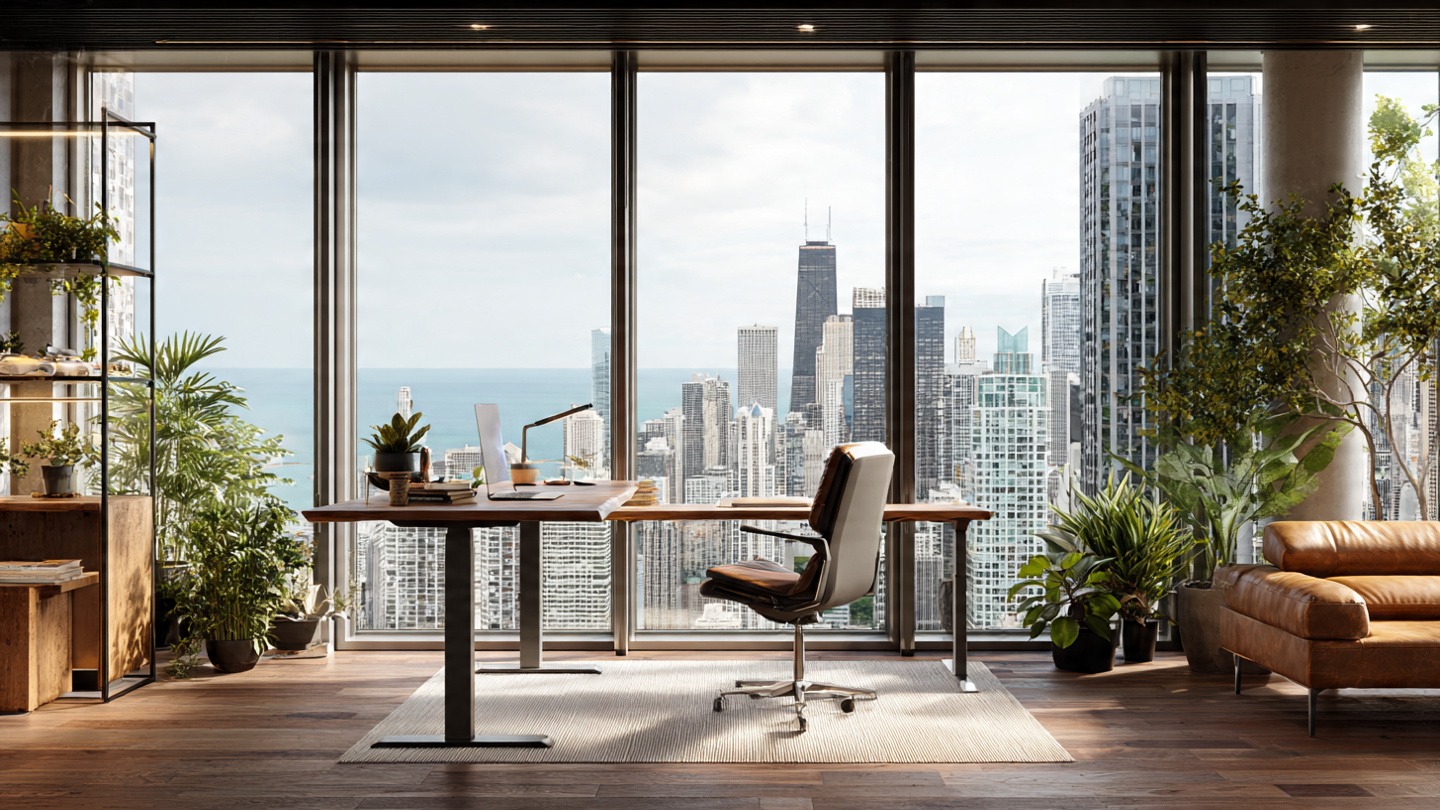
Transform your workspace with our guide to a modern home office. Discover minimalist design tips, ergonomic essentials, and layout ideas Read more
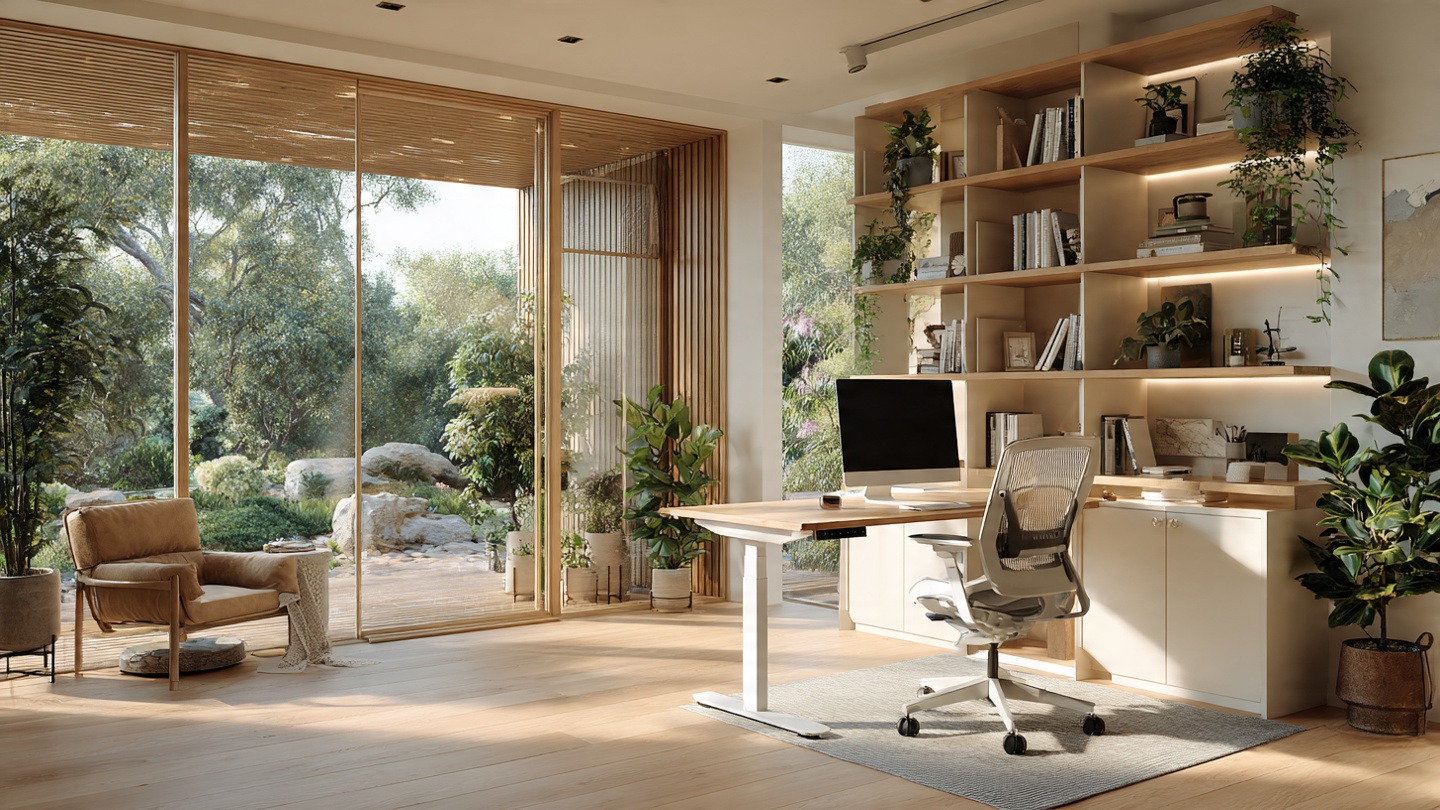
Transform your workspace with these functional office ideas. From small room hacks to ergonomic setups, find the perfect layout for Read more
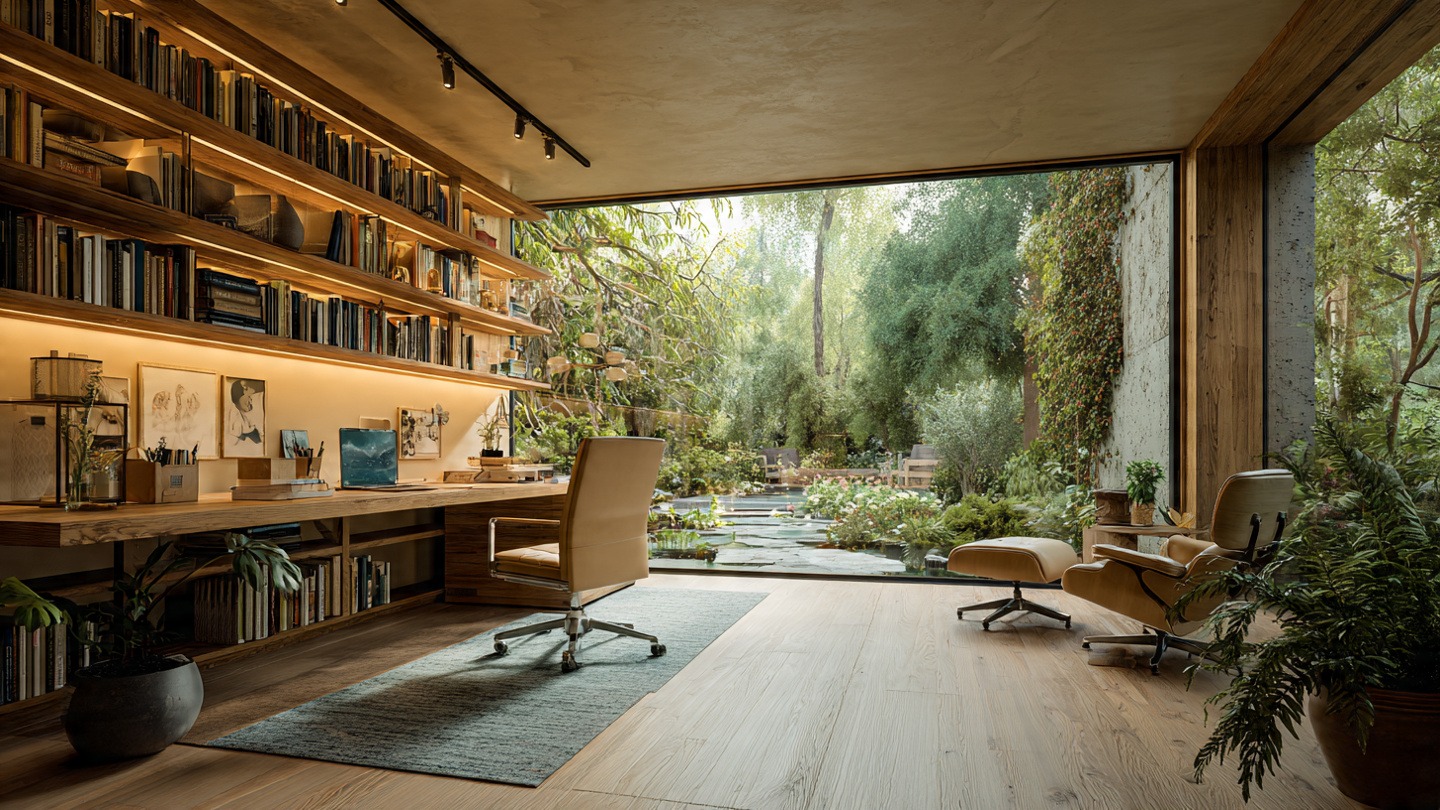
Transform your workspace with these curated office ideas. From small room hacks to ergonomic setups, find the perfect balance of Read more
Stop feeling cramped. Discover smart small office ideas and layout hacks to create a productive, stylish workspace in any tiny Read more
Creating the perfect workspace does not happen overnight. The best home office inspiration is an iterative process; you should tweak your environment as your work habits evolve. Start small by clearing your desk or adding a single piece of lighting that changes the mood. Remember, the goal is not to create a Pinterest-perfect image, but to build a functional environment that makes you actually want to sit down and work. Your space should serve you, not the other way around.