
Inside Small Office Ideas: A Practical Starting Point
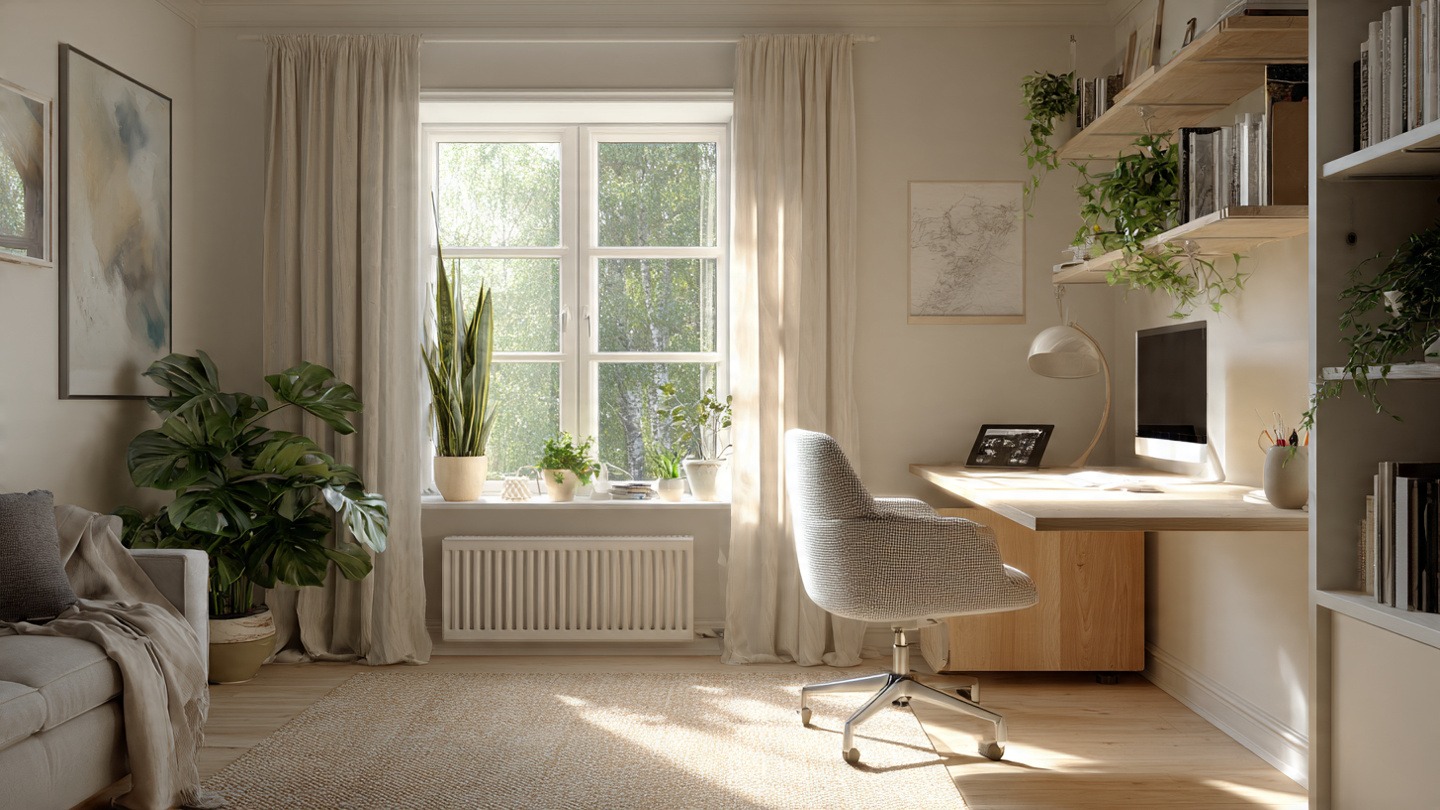
Working from home is a modern luxury, but for many of us, the luxury is limited by square footage. When you are trying to carve out a professional sanctuary in a studio apartment or a shared bedroom, the challenge is not just finding a place for a laptop. The real struggle is preventing your workspace from swallowing the rest of your living area. Many people believe that effective small office ideas are simply about buying the smallest furniture possible, but that is a misconception. True optimization is about managing flow, light, and visual weight.
The goal is to create a zone that signals to your brain that it is time to work, without making the room feel claustrophobic. By focusing on how you distribute weight and utilize vertical space, you can transform a cramped corner into a high-functioning hub that boosts your productivity rather than draining your energy.
The ‘Cloffice’ Concept: Converting Closets into Workspaces
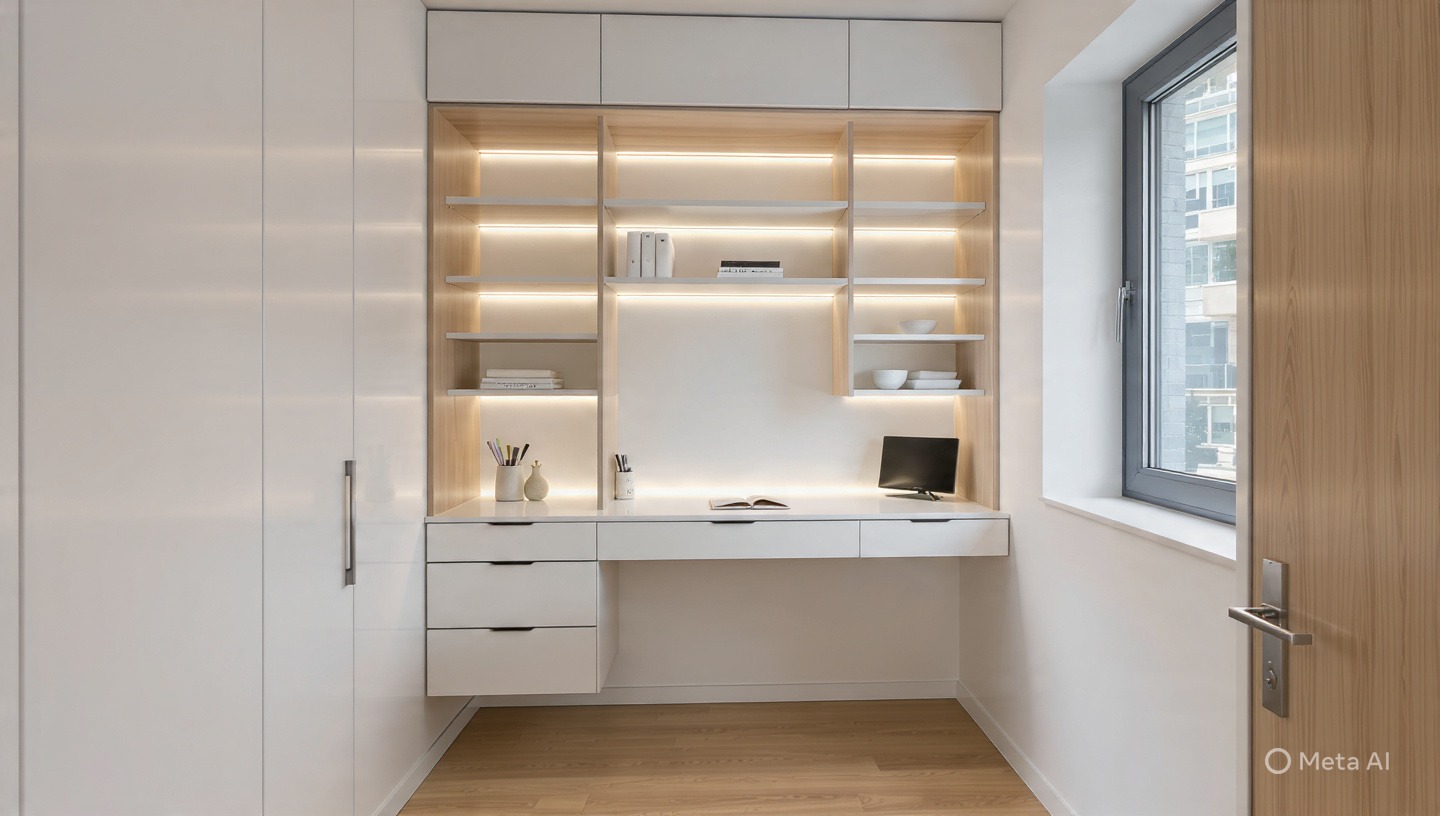
One of the most ingenious small office ideas is the “cloffice” – a clever blend of a closet and an office. By removing the doors of a reach-in closet, you create a recessed nook that provides a dedicated workspace without encroaching on the main floor area. This layout is ideal for those who need a clear physical boundary between their professional and personal life; when the workday ends, you can simply slide a curtain across the opening to hide the stress of the day.
The primary risk with a cloffice is the “cave effect.” Because these spaces are enclosed on three sides, they can quickly feel dark and oppressive. To combat this, start with a bright, reflective paint color on the interior walls. Lighting is equally critical. Since you cannot rely on overhead room lighting, install under-shelf LED strips or a slim desk lamp to illuminate your task area.
Storage is where most cloffice attempts fail. Since floor space is non-existent, you must look up. Installing sturdy floating shelves allows you to store binders, printers, and reference materials above your head, keeping the actual desk surface clear for your computer and notepad. This vertical approach ensures that your small workspace solutions remain practical rather than just aesthetic.
When painting your small office, consider the mood you need. Soft blues and greens promote calm and focus, making them ideal for high-stress roles. If your work requires creative energy and brainstorming, a pale yellow or a soft terracotta can stimulate mental activity without overwhelming a tiny room.
Strategic Corner Placements for Minimalist Flow
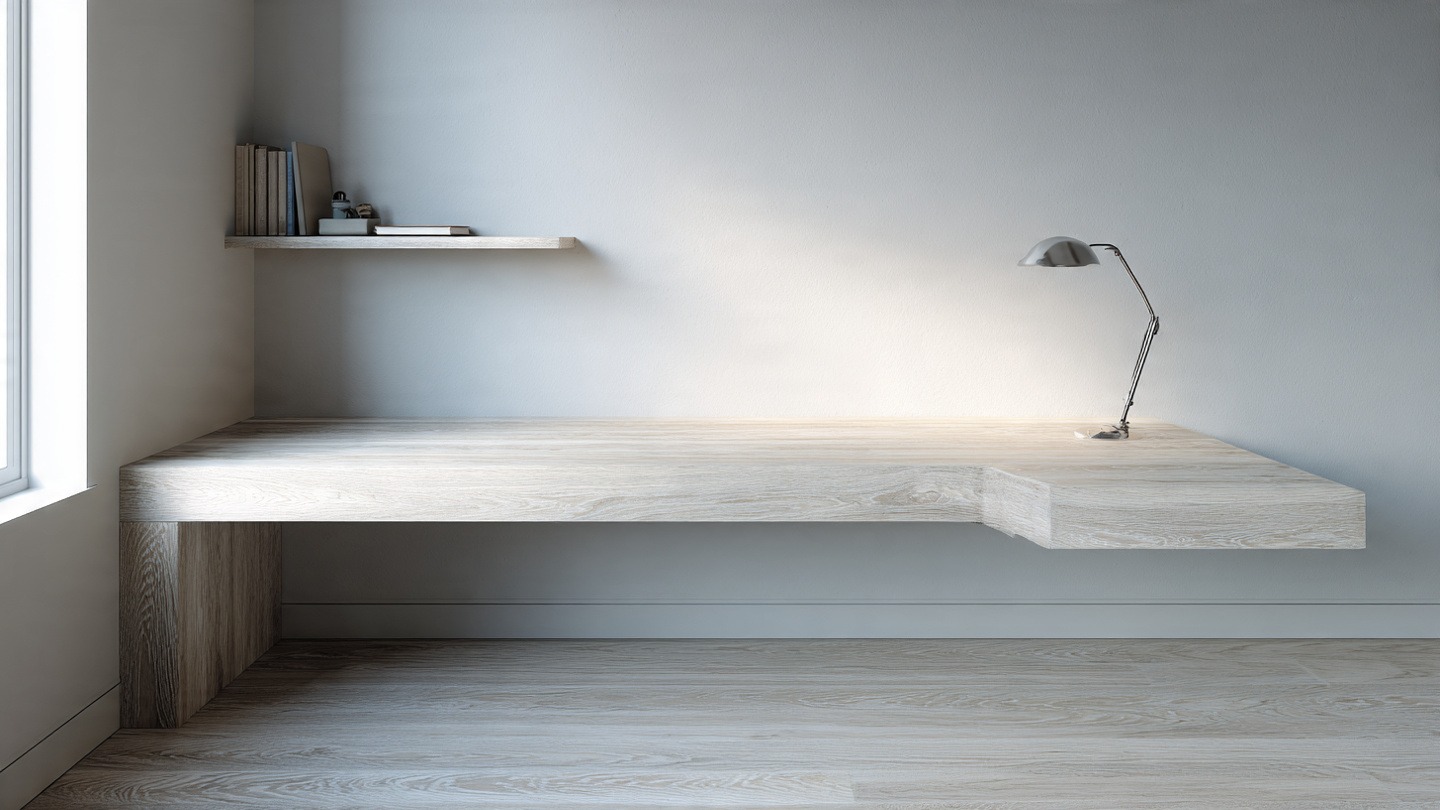
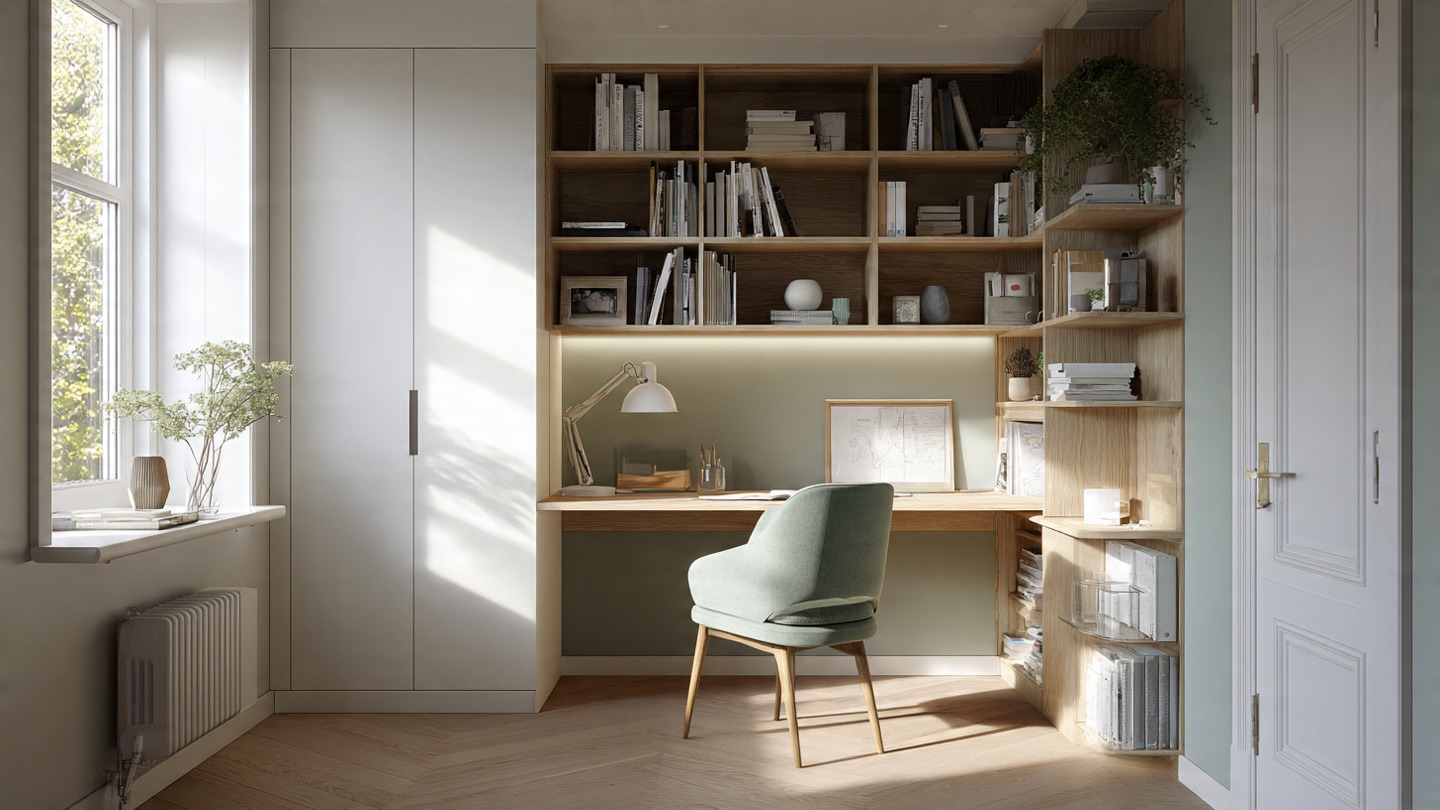
Corners are often the most underutilized real estate in a home. When brainstorming small office ideas, the corner should be your first point of interest. A traditional rectangular desk pushed against a wall often creates a “dead zone” behind the user and interrupts the natural walking path of the room. In contrast, utilizing a corner allows you to tuck the workspace away while maintaining an open center in the room.
Depending on your work style, the orientation of your desk matters. If you find yourself easily distracted, facing a wall can create a “focus tunnel” that helps you concentrate on the screen. However, if you feel trapped in a small room, positioning your desk so you face a window can expand your visual horizon and reduce the feeling of confinement. For those who need a bit more surface area without the bulk, exploring compact corner desk options can provide the necessary L-shaped surface for a secondary monitor or a notebook while keeping the footprint minimal.
This approach to home office layout for small rooms is all about reclaiming wasted inches. By hugging the perimeter of the room, you maintain a minimalist flow that prevents the space from feeling cluttered. The key is to ensure that the desk does not extend so far into the room that it becomes a tripping hazard or a visual barrier.
Visual Tricks to Make a Small Office Feel Larger
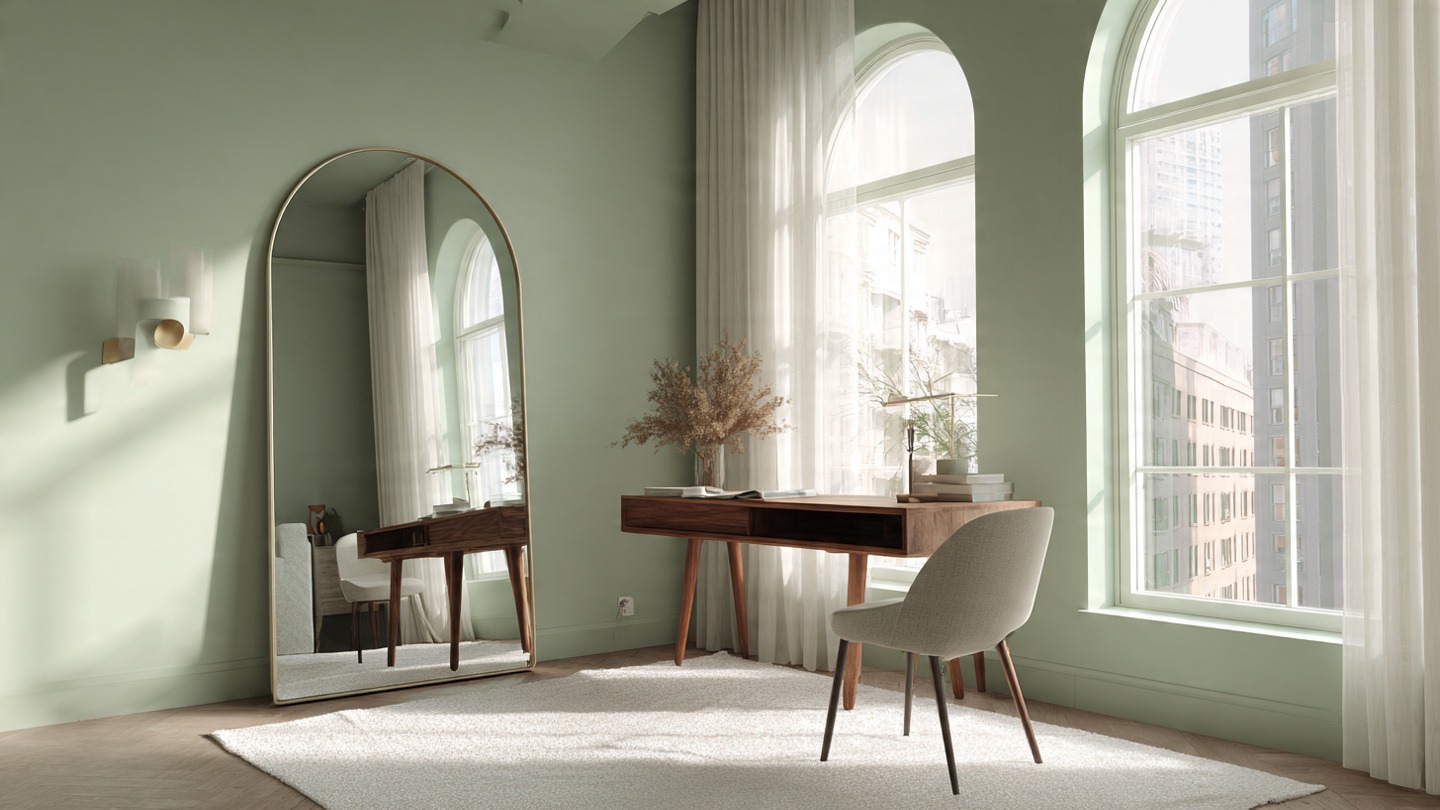
Designing for a small space is as much about perception as it is about physical measurements. To keep your area feeling airy, you need to manage “visual weight.” Visual weight refers to how much space an object seems to occupy in your field of vision. A heavy, dark wood desk with solid side panels feels “heavy” and makes the room feel smaller. To implement better small office ideas, opt for “leggy” furniture. Desks with slim metal legs or glass tops allow light and air to flow underneath and around the piece, tricking the eye into seeing more floor space.
Mirrors are another powerful tool. Placing a mirror opposite a window bounces natural light deep into the workspace, instantly brightening the area and adding perceived depth. Pair this with a light color palette – whites, creams, and light grays – to blur the edges of the room. When the walls and the furniture blend in color, the boundaries of the space disappear, making your minimalist desk setups feel like a natural extension of the room rather than a cramped addition.
Avoid the temptation to buy a massive, oversized executive chair just because it looks comfortable. In a tiny office, a bulky chair creates an immense amount of visual weight and can physically block movement. Look for a “task chair” with a low profile and armrests that can slide under the desk when not in use.
Essential Gear for Tiny Workspaces
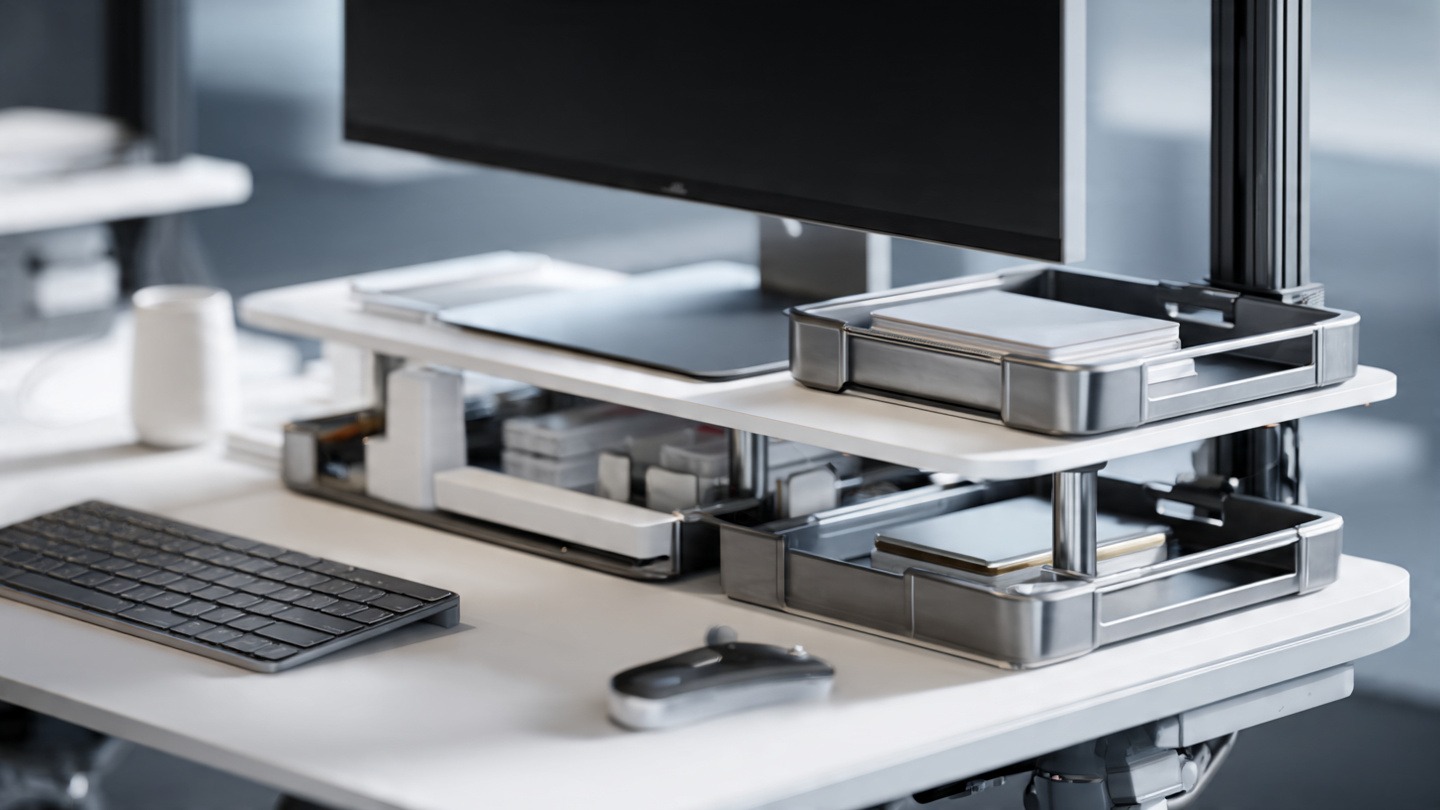
When you are limited by square footage, every piece of equipment must earn its keep. The goal is to move as many items as possible off the desktop. One of the most effective small office ideas is the use of a monitor arm. By lifting your screen off the desk, you reclaim the space underneath for your keyboard, mouse, or a cup of coffee, effectively doubling your usable surface area.
Storage should be flexible rather than fixed. Instead of a heavy filing cabinet that anchors you to one spot, consider a slim rolling utility cart. These carts are game-changers for small office storage hacks because they can hold your printer, paper, and stationery, yet can be wheeled into a closet or behind a door when you have guests over.
Additionally, consider wireless peripherals. A wireless keyboard and mouse eliminate the “cable spaghetti” that often makes a small desk look chaotic. When you reduce the number of physical lines crossing your workspace, the area feels cleaner and more organized, which in turn reduces mental clutter and increases your ability to focus on the task at hand.
FAQ: Small Office Ideas Questions, Answered
How do I hide cords in a small space?
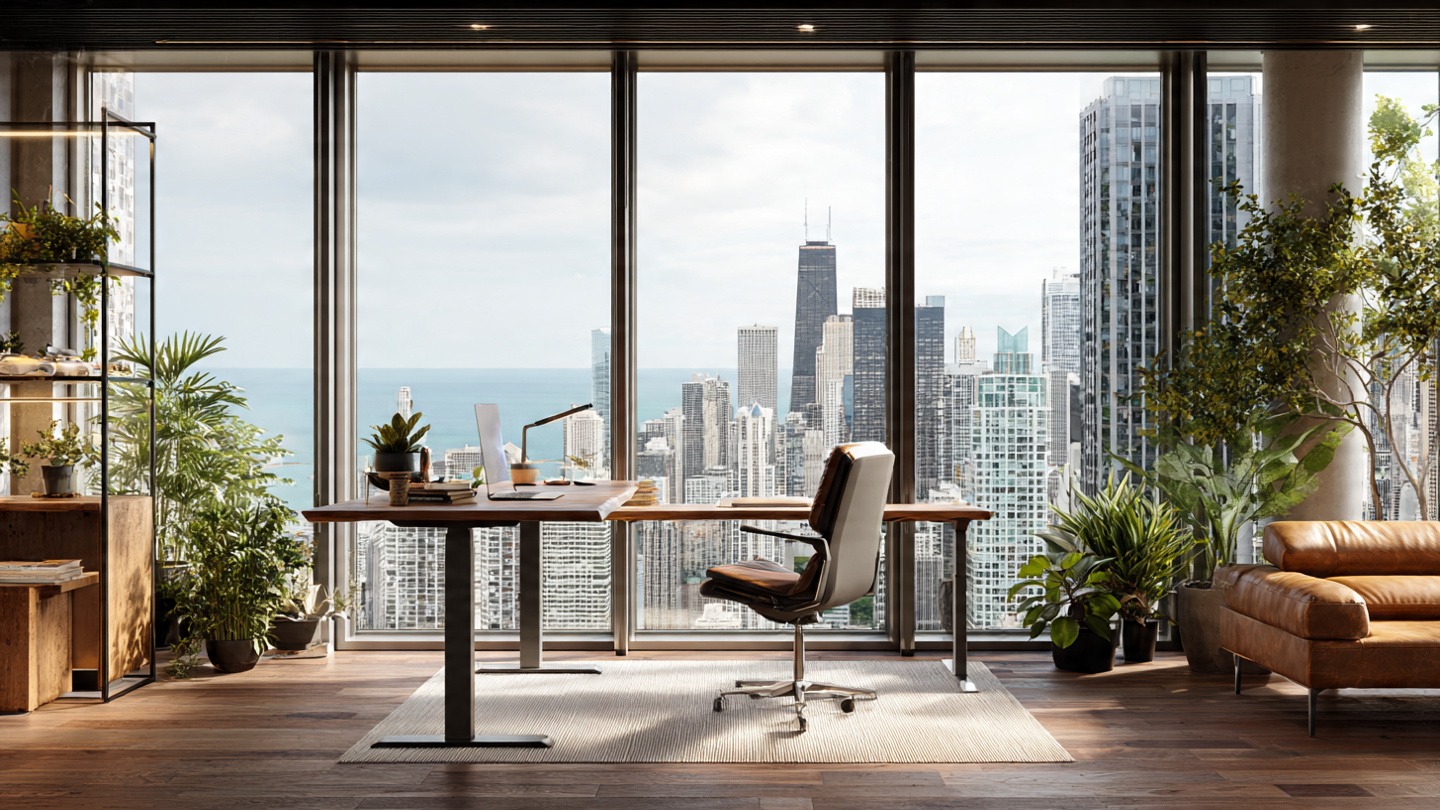
Transform your workspace with our guide to a modern home office. Discover minimalist design tips, ergonomic essentials, and layout ideas Read more
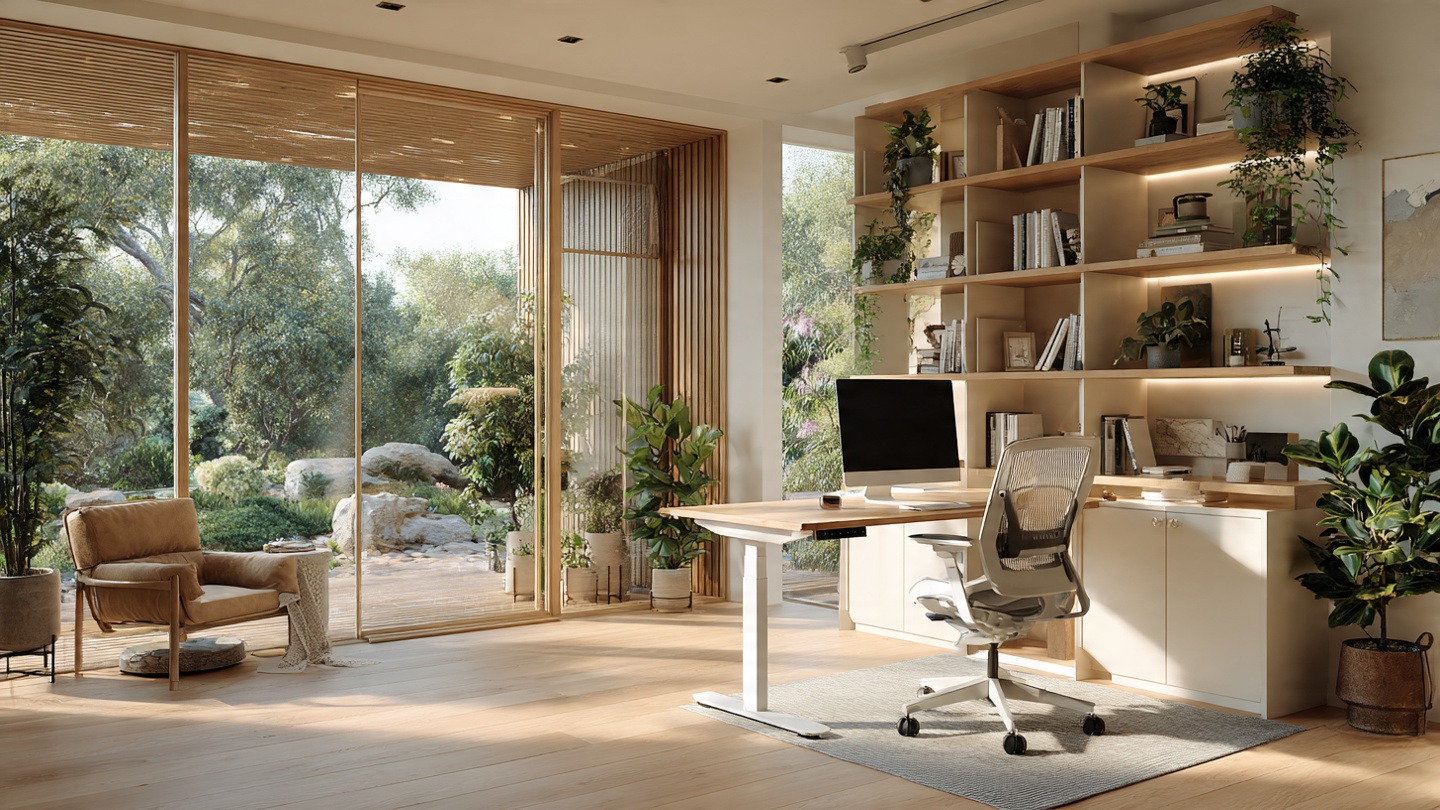
Transform your workspace with these functional office ideas. From small room hacks to ergonomic setups, find the perfect layout for Read more
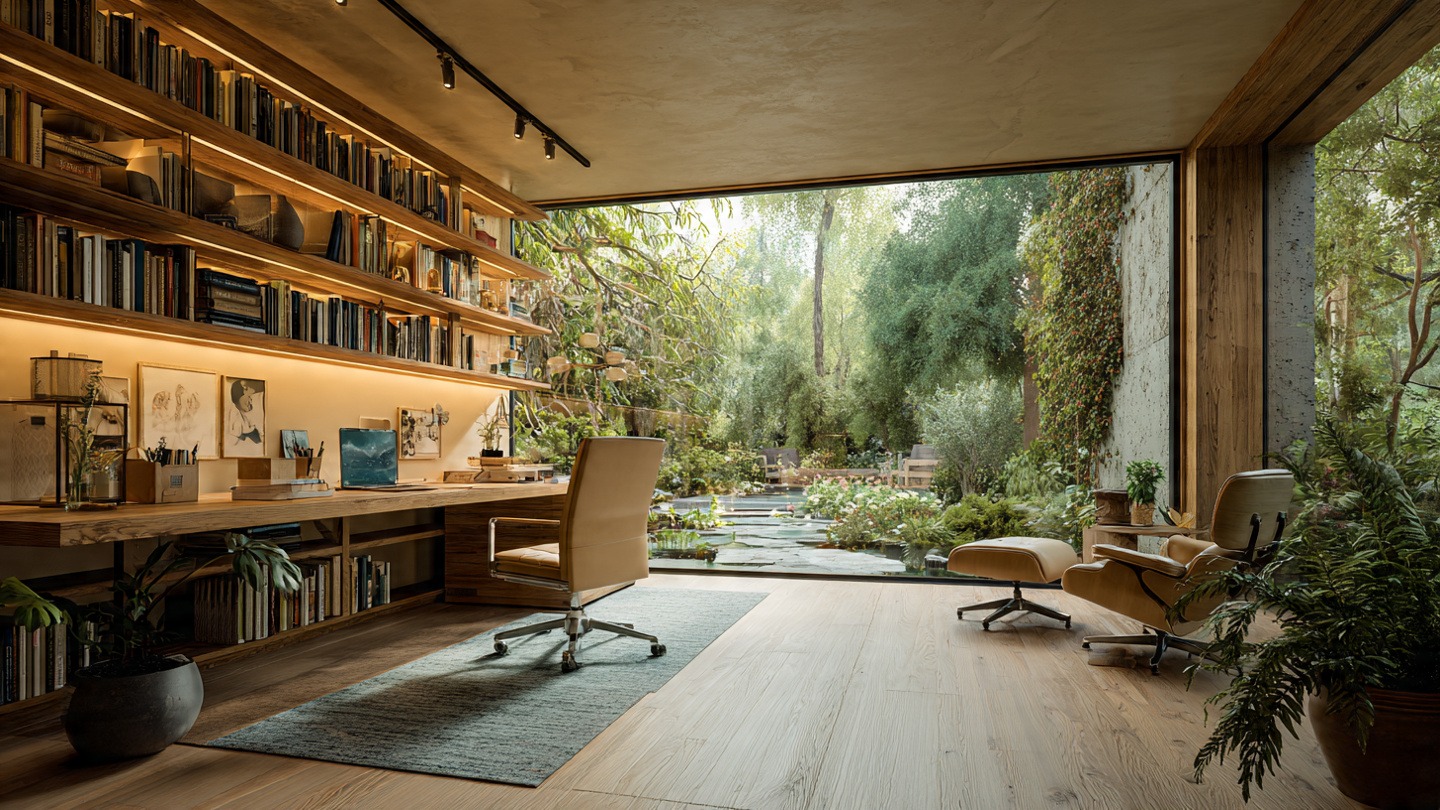
Transform your workspace with these curated office ideas. From small room hacks to ergonomic setups, find the perfect balance of Read more
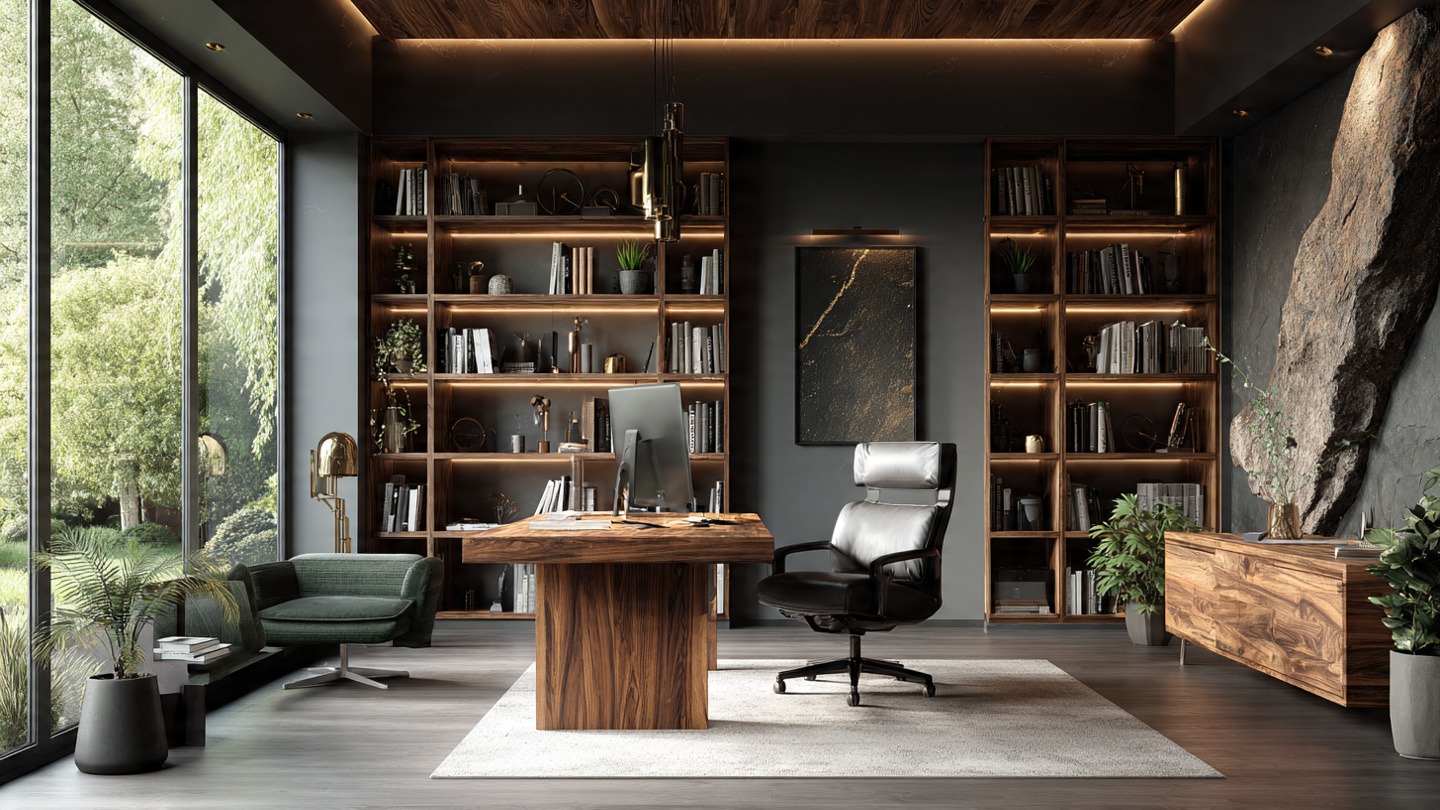
Transform your workspace with our expert home office design guide. Learn how to balance ergonomics, lighting, and style for a Read more
What is the best chair for a tiny office?
Look for a chair with a small footprint and a breathable mesh back. Mesh is visually lighter than leather or fabric and keeps you cool in tight spaces where airflow might be limited.
How do I separate work from sleep in a bedroom office?
Use a physical or visual divider. A tall potted plant, a folding screen, or even a different area rug under the desk can create a psychological boundary. This ensures that when you are in your “office zone,” your brain is in work mode, and when you move to the bed, you can actually relax.
- Remove everything from your desk that you don’t use daily.
- Clear all surfaces and only put back the essentials.
- Group similar items together in small trays to avoid “scatter clutter.”
- Wipe down your surfaces; a clean space feels larger than a dusty one.
- Check your lighting – swap a dim bulb for a daylight LED.
Your Small Space, Your Big Ideas
Creating a productive workspace doesn’t require a dedicated room or a massive budget. By applying the principles of zoning, managing visual weight, and utilizing vertical storage, you can implement small office ideas that actually enhance your workflow. Whether you choose to build a cozy cloffice or optimize a quiet corner with a minimalist desk, the key is intentionality.
Do not feel pressured to overhaul your entire room at once. Start with one small change – perhaps a better lighting setup or a rolling cart for storage – and notice how it affects your mood and productivity. Your environment shapes your output, so take the time to build a space that inspires your biggest ideas, no matter how small the footprint.