
Office Ideas: Start with the Decisions That Matter Most
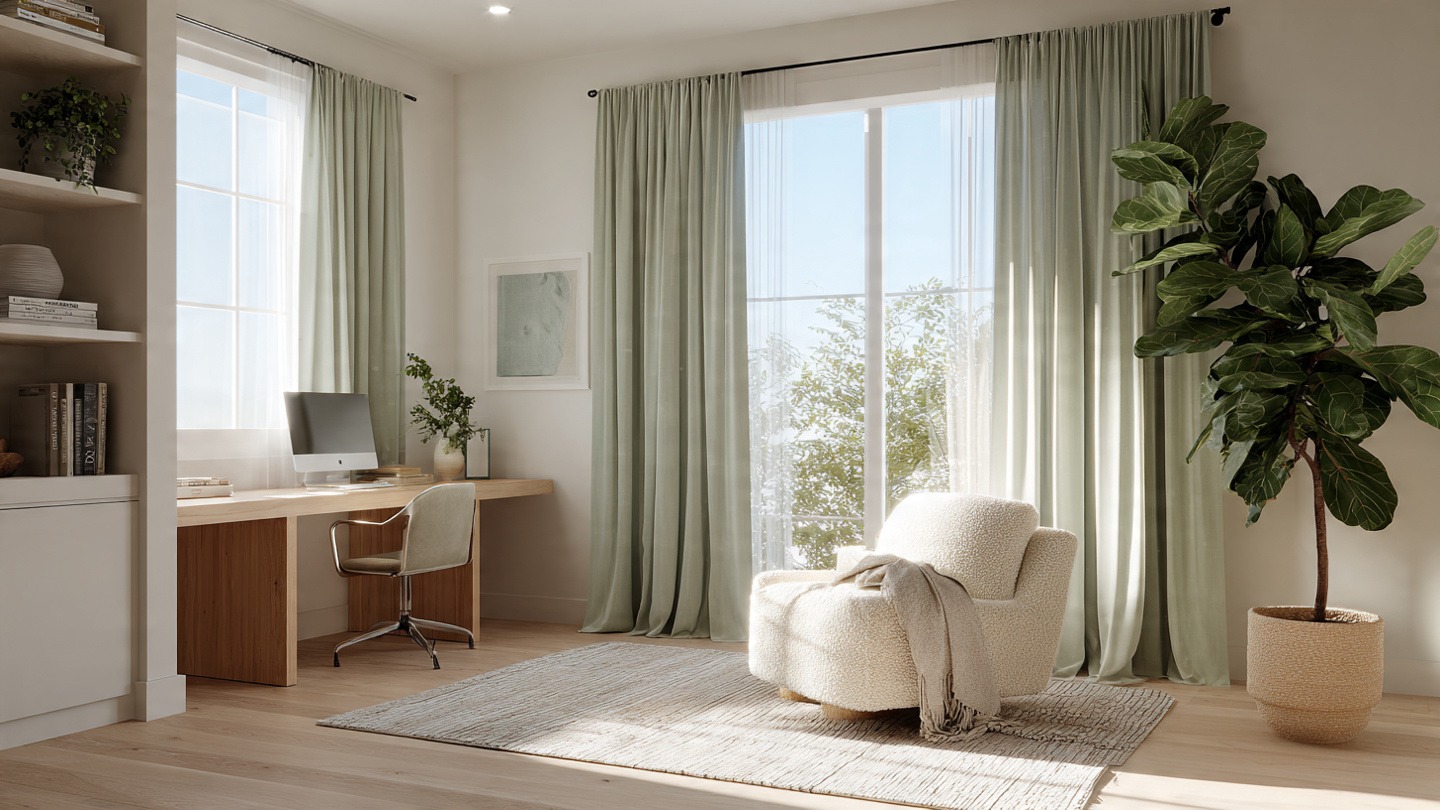
When we search for office ideas, we often default to browsing catalogs for the perfect desk or a trendy lamp. However, a truly productive workspace is more than just a collection of furniture; it is a psychological anchor. The environment you inhabit directly influences your cognitive load, stress levels, and ability to enter a state of deep focus. By treating your office as an ecosystem rather than a room, you can design a flow that minimizes friction and maximizes output.
The goal is to move beyond mere aesthetics. Whether you are working from a dedicated suite or a corner of your bedroom, the right office ideas prioritize the harmony between your physical needs and your mental state. When your surroundings are intentional, your brain receives a signal that it is time to work, reducing the mental effort required to start a difficult task.
Maximizing Tiny Footprints: Small Space Office Ideas
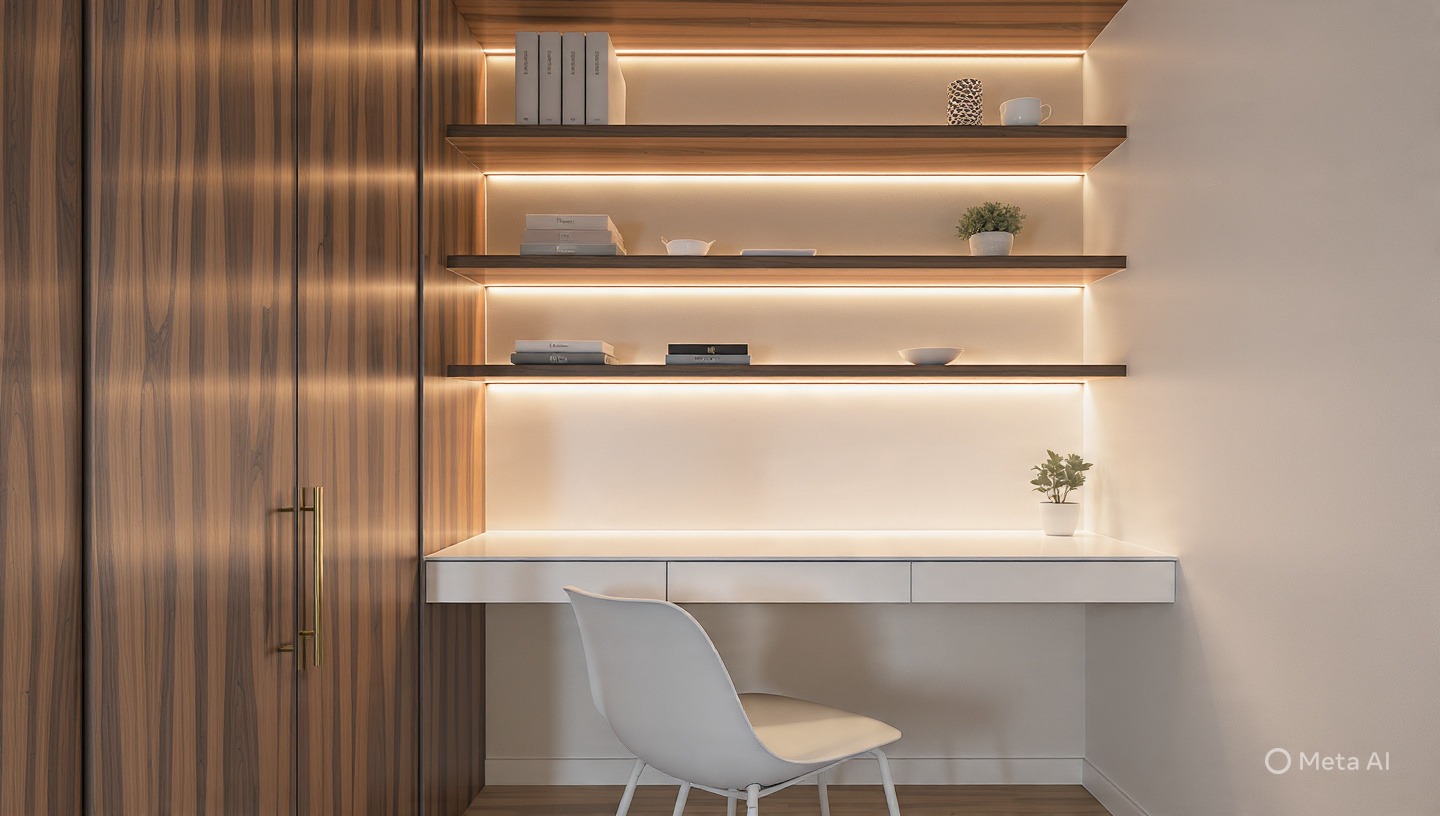
Many of us do not have the luxury of a sprawling home library. When dealing with limited square footage, the secret to effective office ideas is to stop thinking horizontally and start thinking vertically. A small workspace solution should never feel cramped; instead, it should feel curated and efficient.
One of the most effective trends for tight quarters is the “cloffice,” or closet office. By removing closet doors and installing a built-in desktop, you create a designated zone that can be tucked away at the end of the day. This physical boundary is essential for maintaining a work-life balance in a small home. To keep the floor clear and maintain a sense of openness, look toward space-saving floating desks. These allow for under-desk storage or a slim profile that doesn’t obstruct the room’s traffic flow.
Complement your floating desk with wall-mounted shelving. By moving your printer, files, and decor upward, you free up valuable surface area. Use a monochromatic color palette for these elements to blend them into the walls, which prevents the room from feeling visually cluttered. Remember, in a small home office layout, every inch must serve a dual purpose. A floating shelf can act as both a book holder and a boundary marker for your workspace.
The Ergonomic Blueprint for Long-Term Health
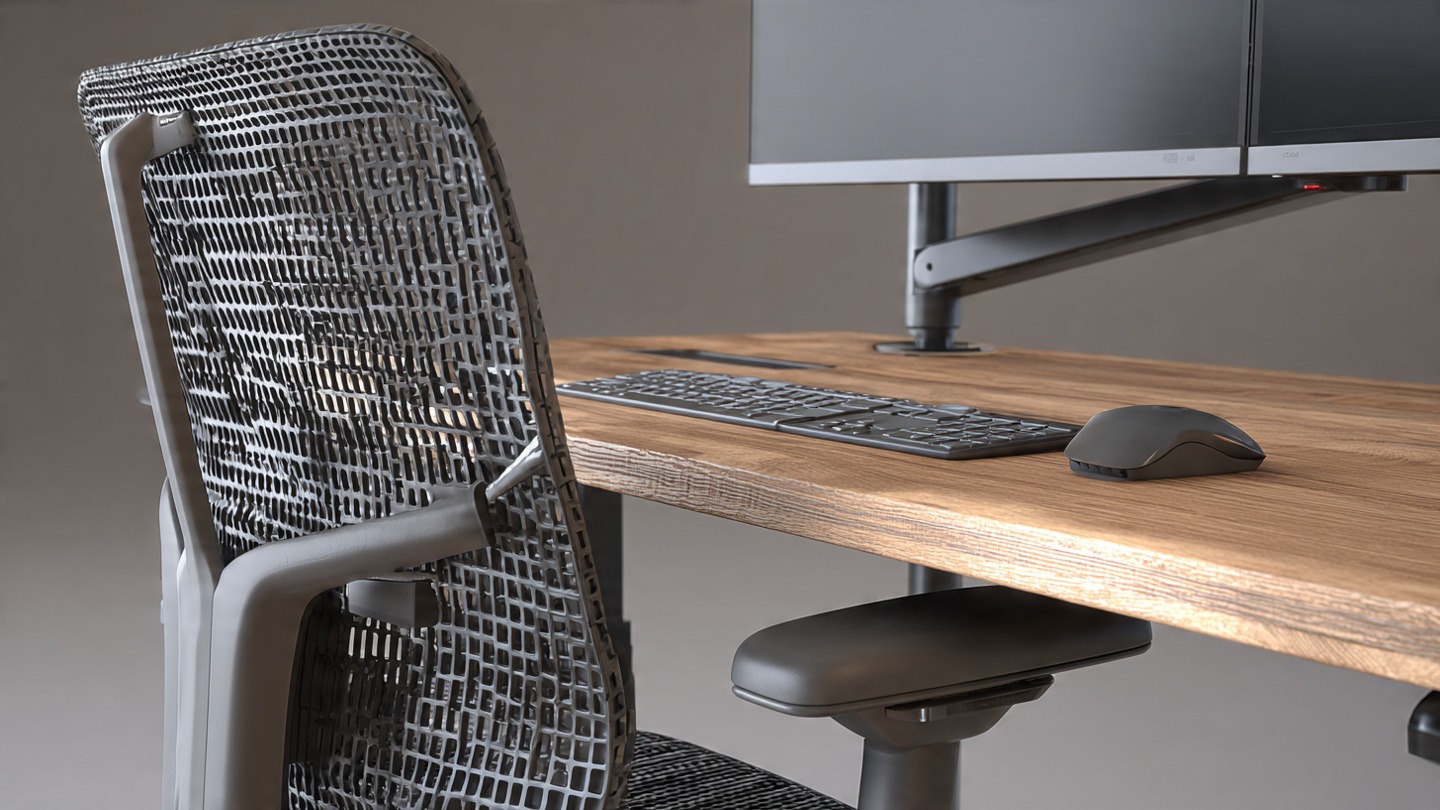
While visual inspiration is exciting, the most critical office ideas are those rooted in physics. A beautiful office is a failure if it leaves you with chronic back pain or wrist strain. An ergonomic office setup is an investment in your long-term health, ensuring that your body supports your productivity rather than hindering it.
The gold standard for ergonomics is the 90-degree rule. Your elbows should be bent at 90 degrees when typing, and your knees should maintain a similar angle with your feet flat on the floor. Your monitor should be positioned so that the top third of the screen is at eye level, preventing the “tech-neck” slouch that leads to tension headaches. Most people overlook the importance of the chair, but it is the most vital piece of hardware in your room.
Investing in high-back ergonomic chairs with dedicated lumbar support is non-negotiable for those spending eight or more hours a day at a desk. Proper spinal alignment reduces fatigue and allows you to maintain focus for longer periods. When choosing a chair, look for adjustable armrests and breathable mesh materials that regulate temperature, ensuring you stay comfortable regardless of the season.
Lighting Strategies to Eliminate Eye Strain
Lighting is often the most neglected aspect of office ideas, yet it has a profound impact on eye strain and circadian rhythms. To create a professional environment, you must layer your lighting. Ambient light provides the overall glow, while task lighting focuses on the work at hand.
Position your desk relative to your windows to take advantage of the “golden hour” and natural daylight, which boosts mood and alertness. However, avoid placing your monitor directly opposite a window to prevent glare. To fill the gaps where natural light fails, incorporate adjustable LED task lighting. A lamp with adjustable color temperatures allows you to switch from a cool white light for high-energy morning work to a warmer tone in the evening to help your brain wind down.
Aesthetic Themes: From Dark Academia to Japandi
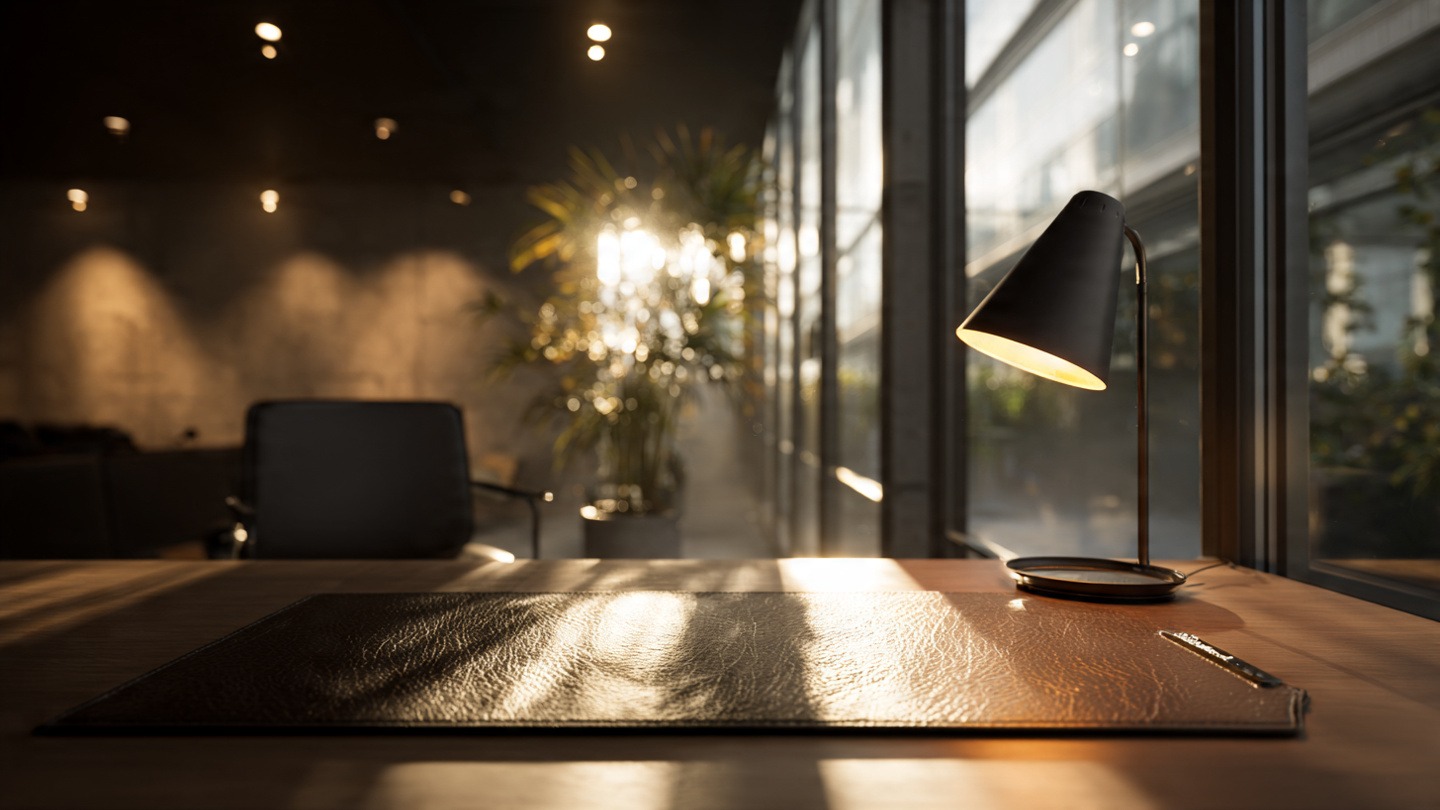
Once the ergonomics are solved, you can apply a visual theme that resonates with your personal work style. Different aesthetics evoke different psychological responses, which is why choosing a cohesive theme is one of the most rewarding office ideas to implement.
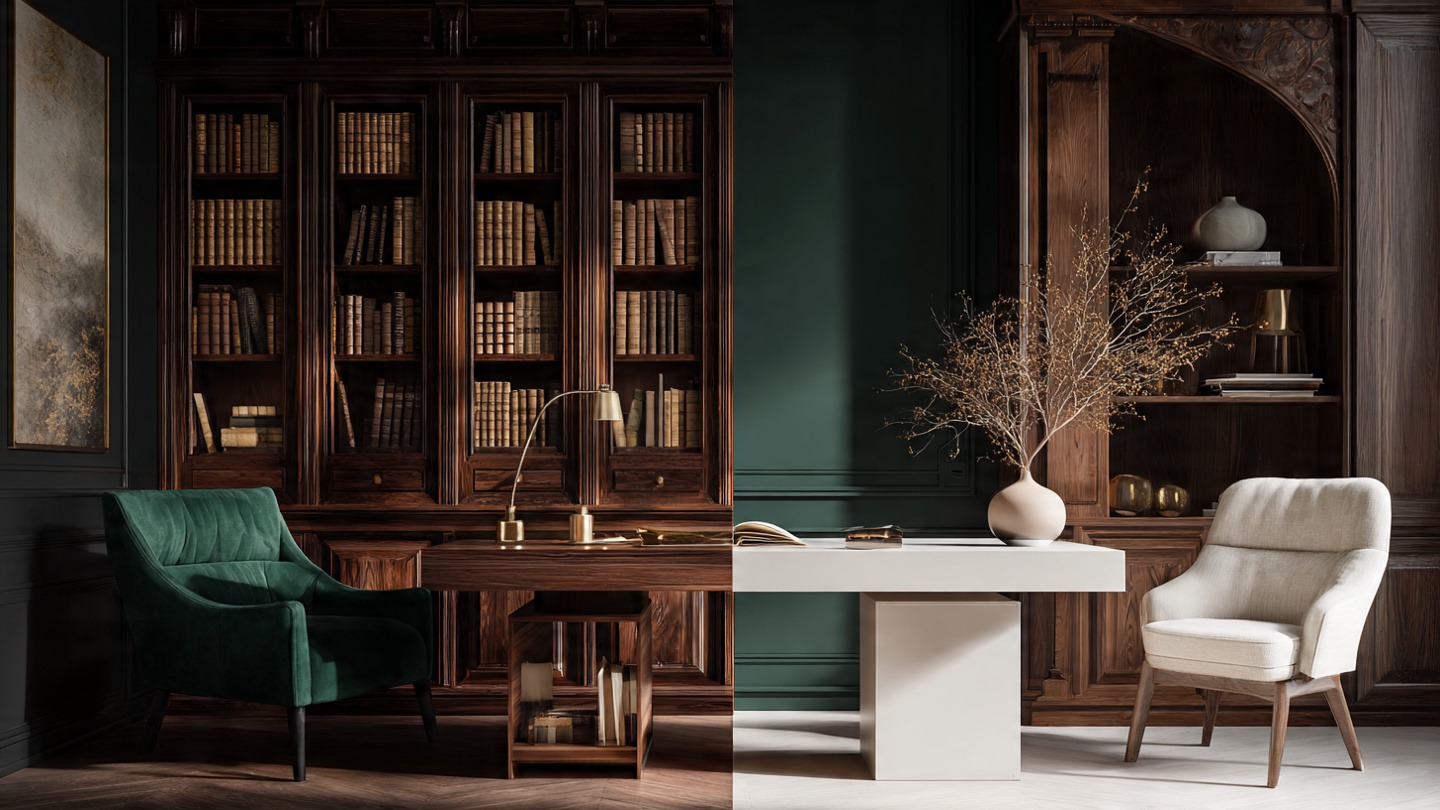
For those who find comfort in moodiness and intellectual rigor, Dark Academia is an excellent choice. This palette relies on heavy woods, forest greens, deep burgundies, and leather accents. It creates a cocoon-like atmosphere that feels scholarly and private, ideal for writers or researchers who need to dive deep into their work without distraction.
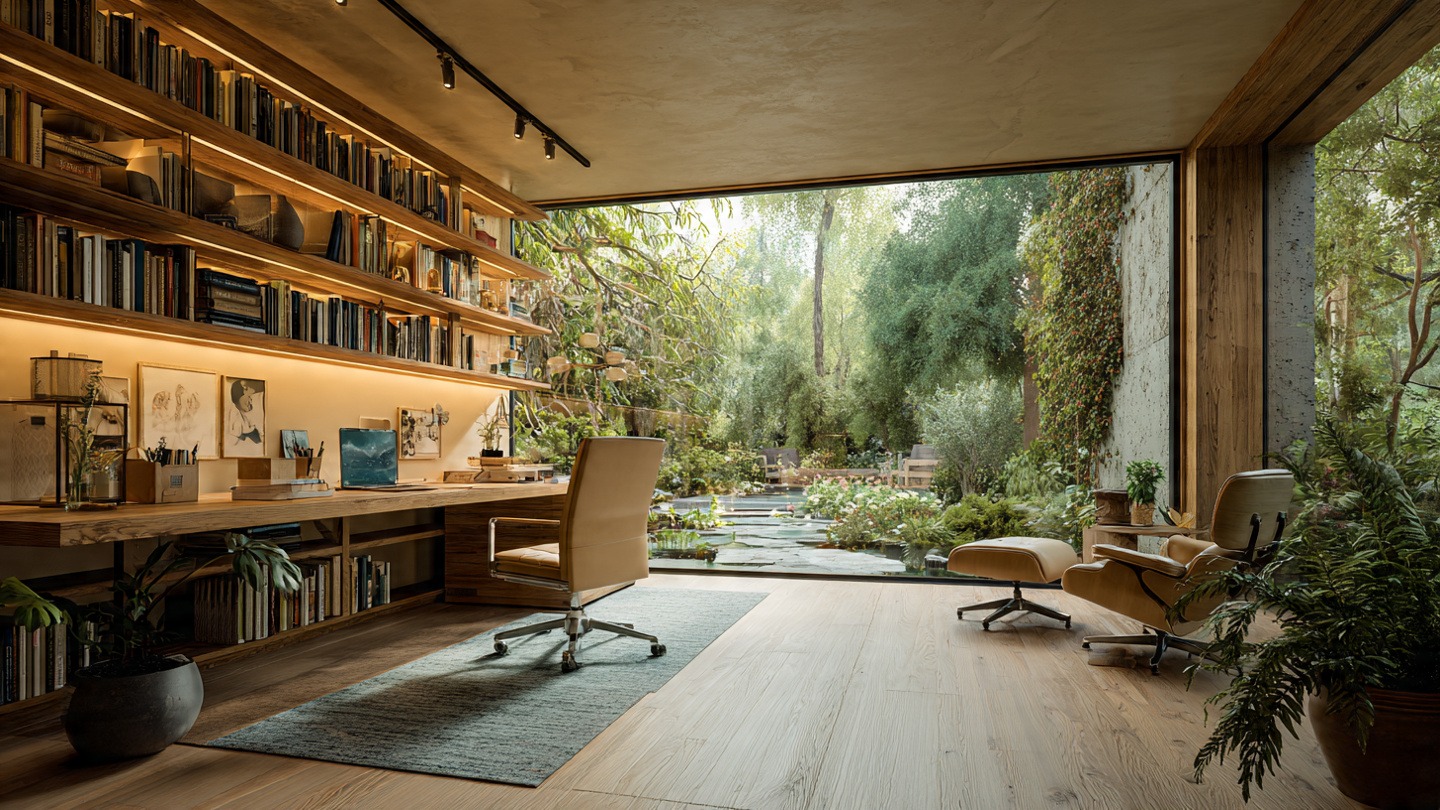
Conversely, if you feel overwhelmed by clutter, the Japandi style (a blend of Japanese minimalism and Scandinavian functionality) is the perfect antidote. This aesthetic focuses on light oak, neutral tones, and a few carefully placed pieces of greenery. The goal is “lagom” or “just the right amount.” To achieve this clean, modern office decor, integrate minimalist desk accessories, such as a leather desk mat. This not only protects your surface but also defines your primary work zone, creating a visual boundary that keeps your mind organized.
The ‘Hidden’ Details That Make a Difference
The difference between a room that looks like an office and a room that feels like a professional studio lies in the details. One of the most disruptive elements to focus is visual noise, specifically cable clutter. Implementing cable management solutions hides the chaotic web of wires, instantly calming the environment.
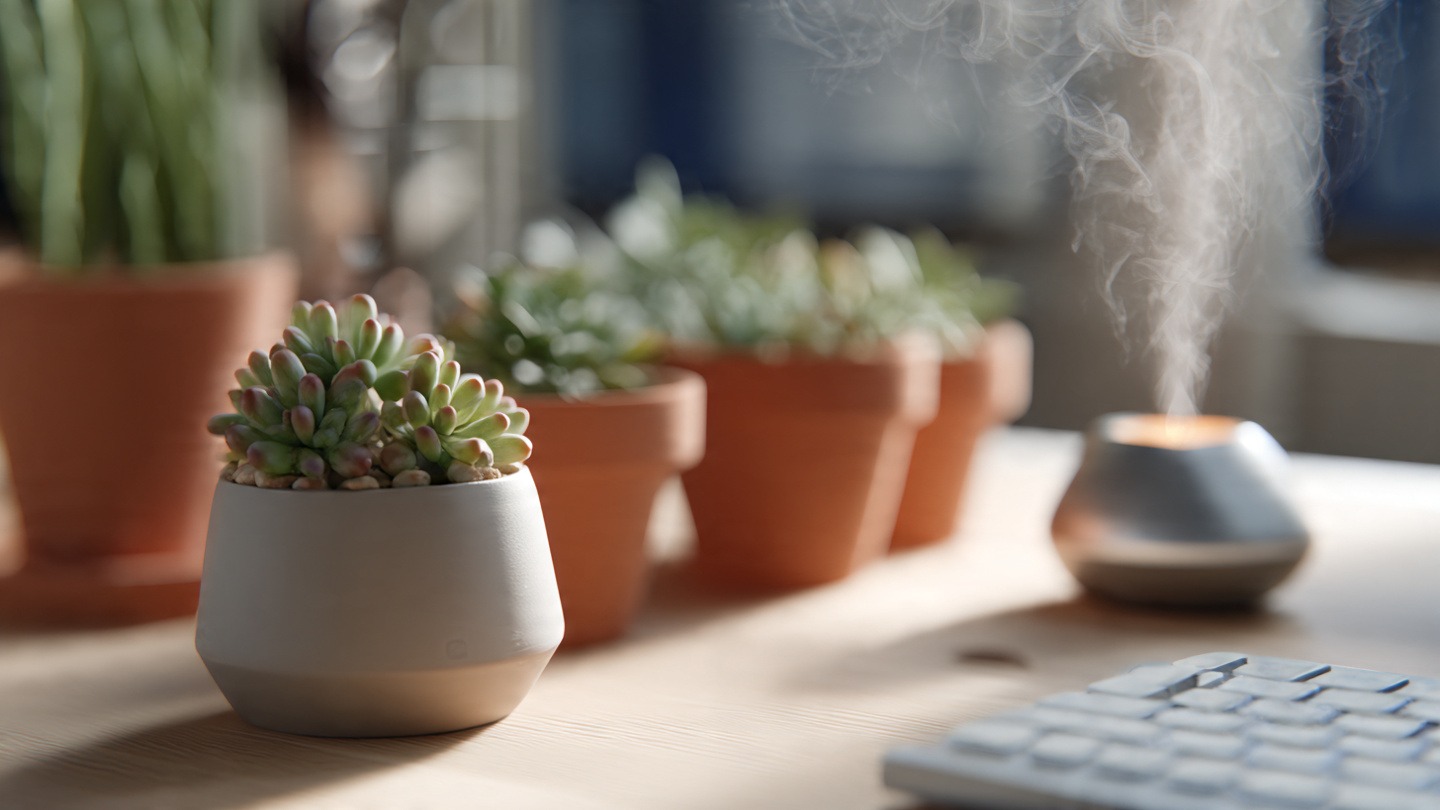
Beyond the visual, consider your olfactory and biological needs. Aromatherapy, such as peppermint or lemon essential oils, can sharpen focus, while a snake plant or peace lily improves indoor air quality and adds a touch of nature. These subtle office ideas transform a sterile room into a living, breathing space that supports your wellbeing.
FAQ: Office Ideas Questions, Answered
How do I separate work and home in a one-bedroom?
Use visual cues to create a “mental commute.” This could be a physical room divider, a specific rug that defines the office zone, or even a ritual like lighting a specific candle only during work hours.
What is the ideal desk height?
While it varies by height, the standard is usually 28 to 30 inches. However, the best office ideas involve adjustable standing desks that allow you to shift positions throughout the day to avoid sedentary fatigue.
Building Your Ideal Focus Zone
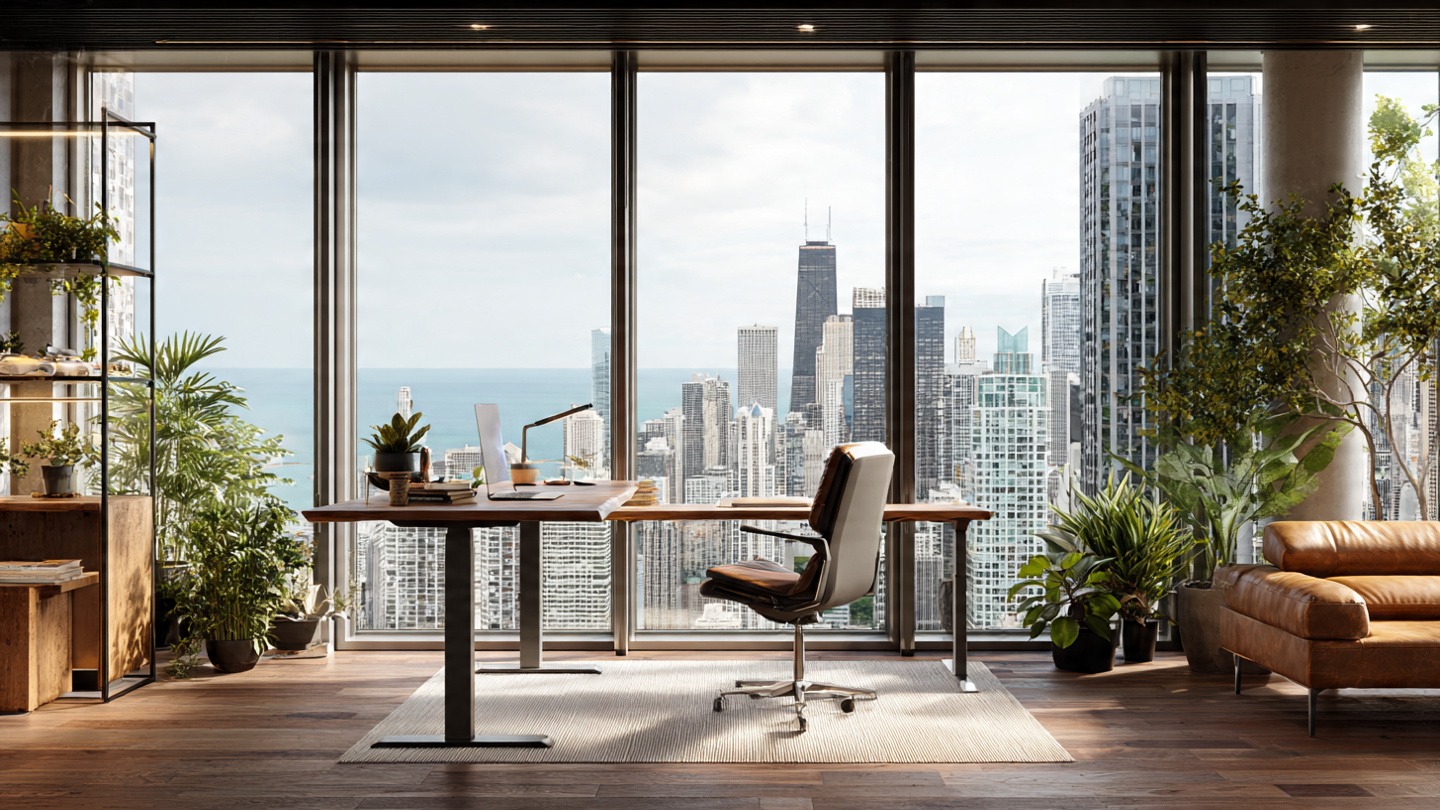
Transform your workspace with our guide to a modern home office. Discover minimalist design tips, ergonomic essentials, and layout ideas Read more
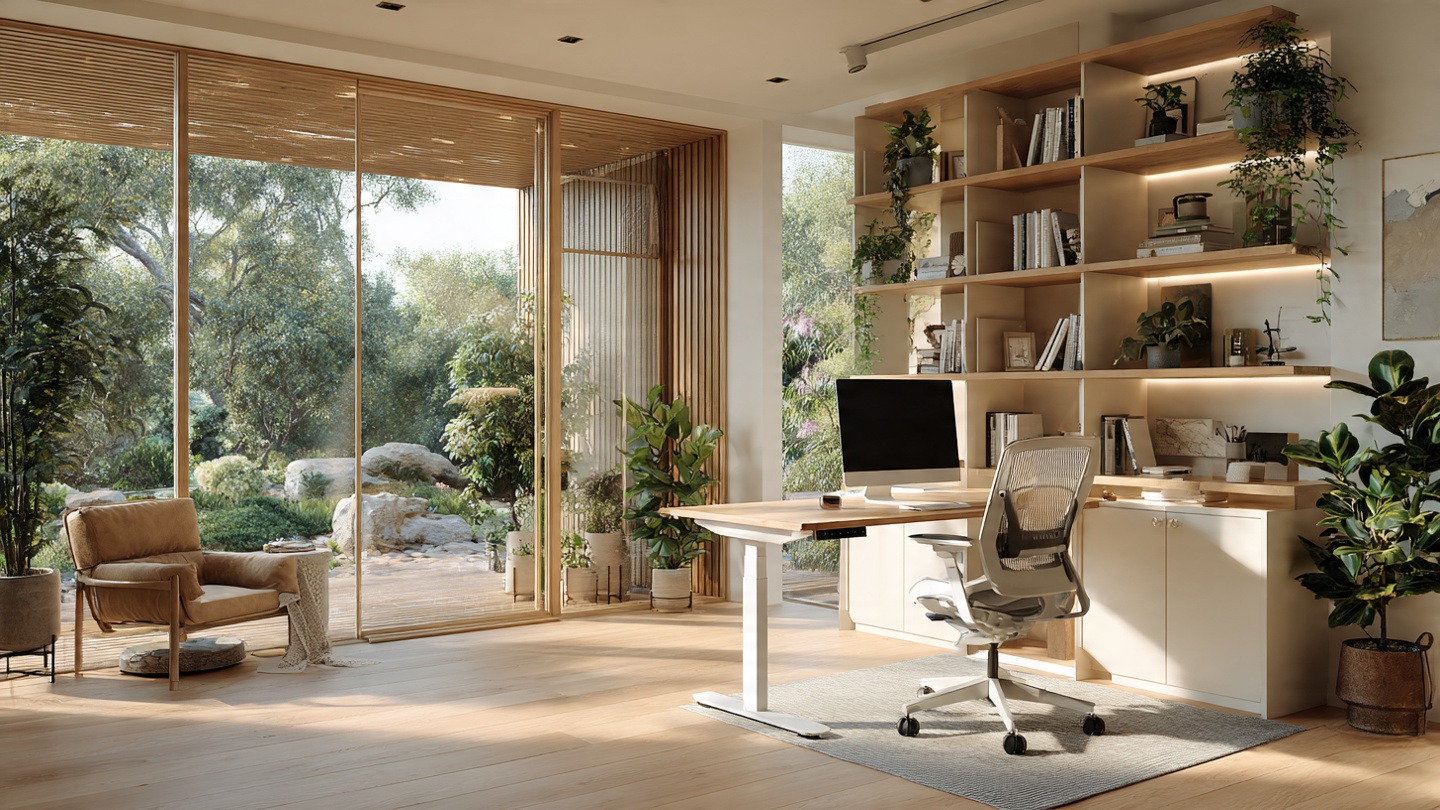
Transform your workspace with these functional office ideas. From small room hacks to ergonomic setups, find the perfect layout for Read more
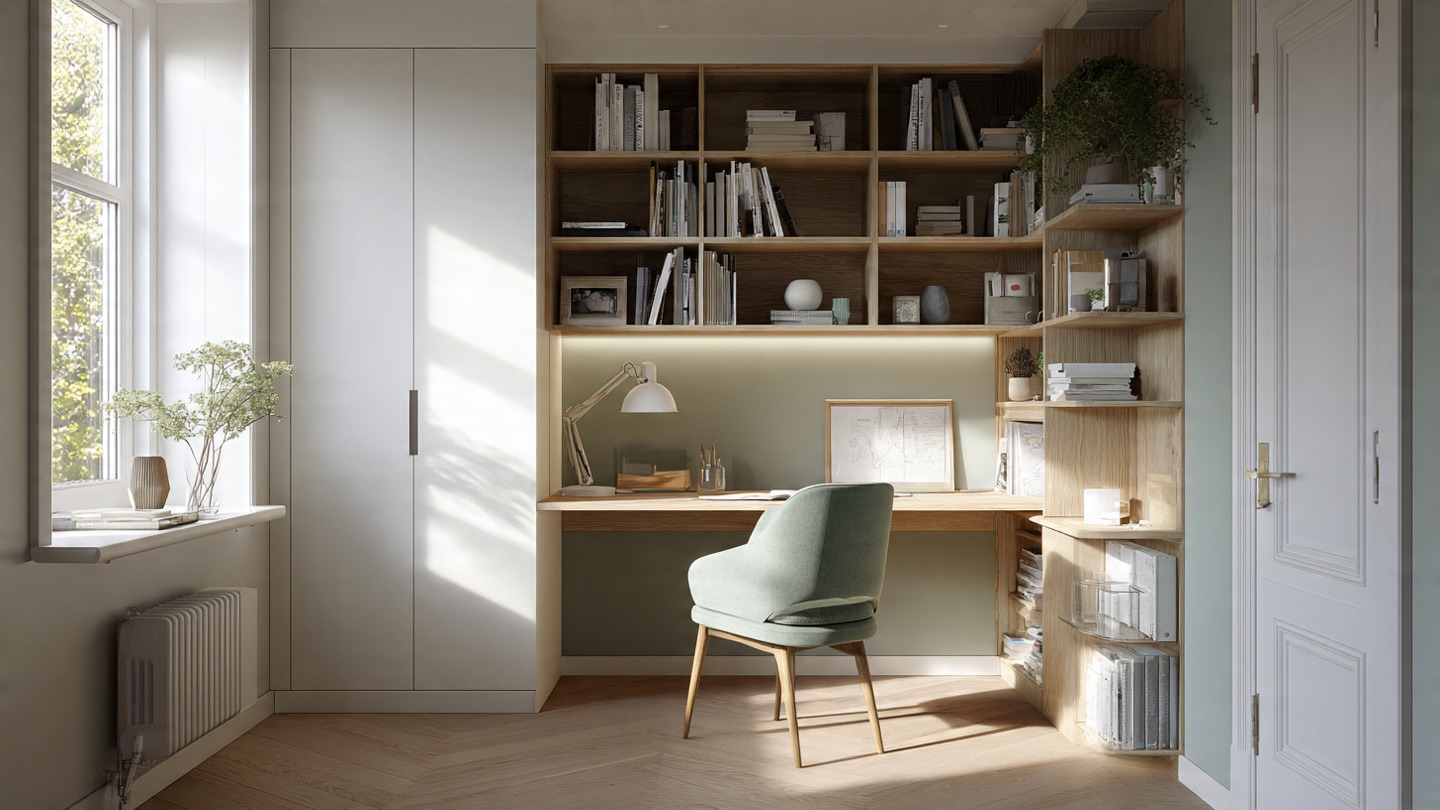
Stop feeling cramped. Discover smart small office ideas and layout hacks to create a productive, stylish workspace in any tiny Read more
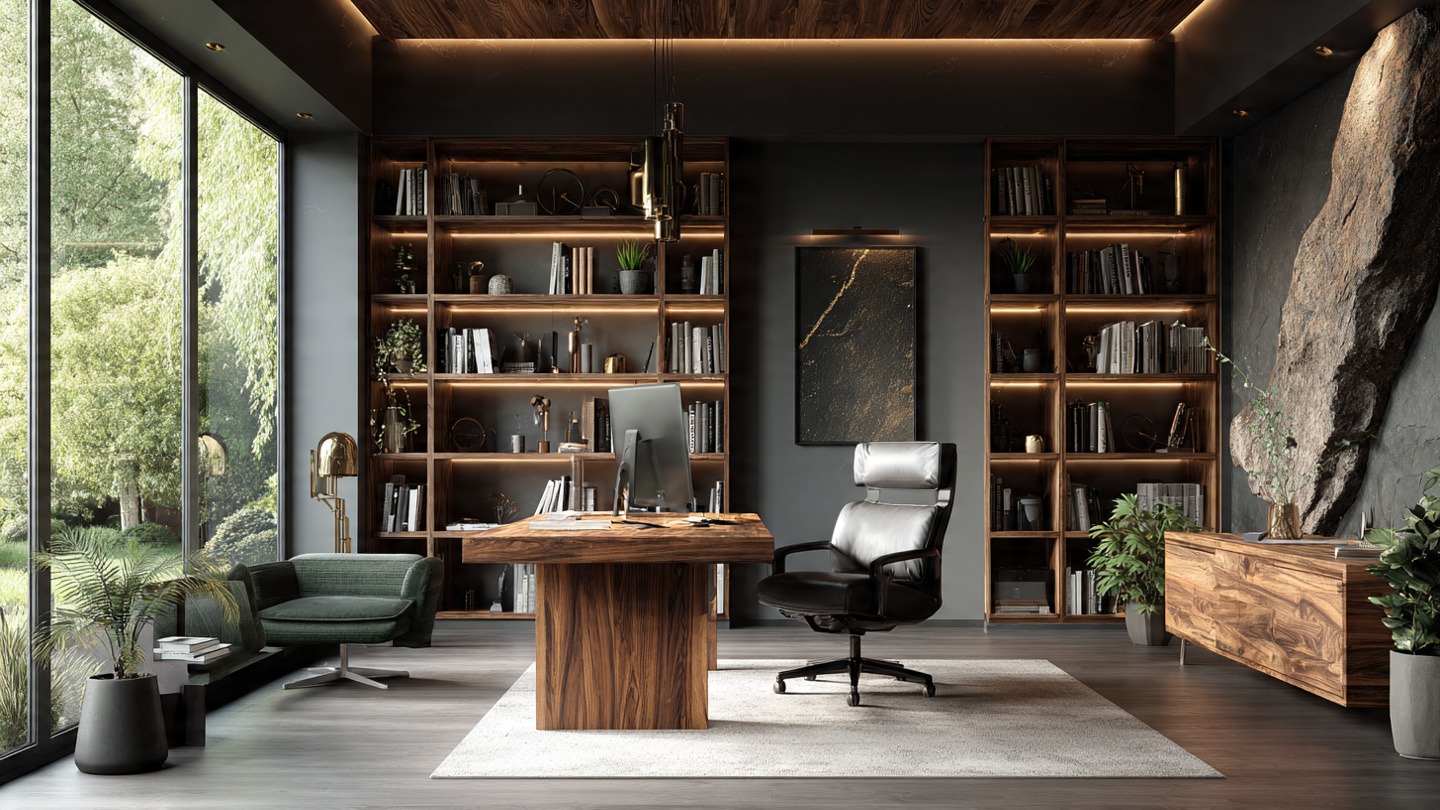
Transform your workspace with our expert home office design guide. Learn how to balance ergonomics, lighting, and style for a Read more
The most successful office ideas are not those found in a magazine, but those that reflect your unique workflow. You do not need to perform a total overhaul overnight. Start with the ergonomic essentials, optimize your lighting, and gradually layer in the aesthetic elements that inspire you.
By blending physical health, psychological triggers, and a style you love, you create more than just a place to work; you create a sanctuary for your best ideas to flourish. Start small, prioritize your health, and build a workspace that truly works for you.
- Clear all non-essential items from your immediate reach.
- Adjust your monitor so the top is at eye level.
- Add one living plant to your field of vision.
- Bundle your cables with ties or a management box.
- Set a dedicated “end of day” alarm to signal the close of your workspace.