
Defining the Modern Home Office in the Remote Era
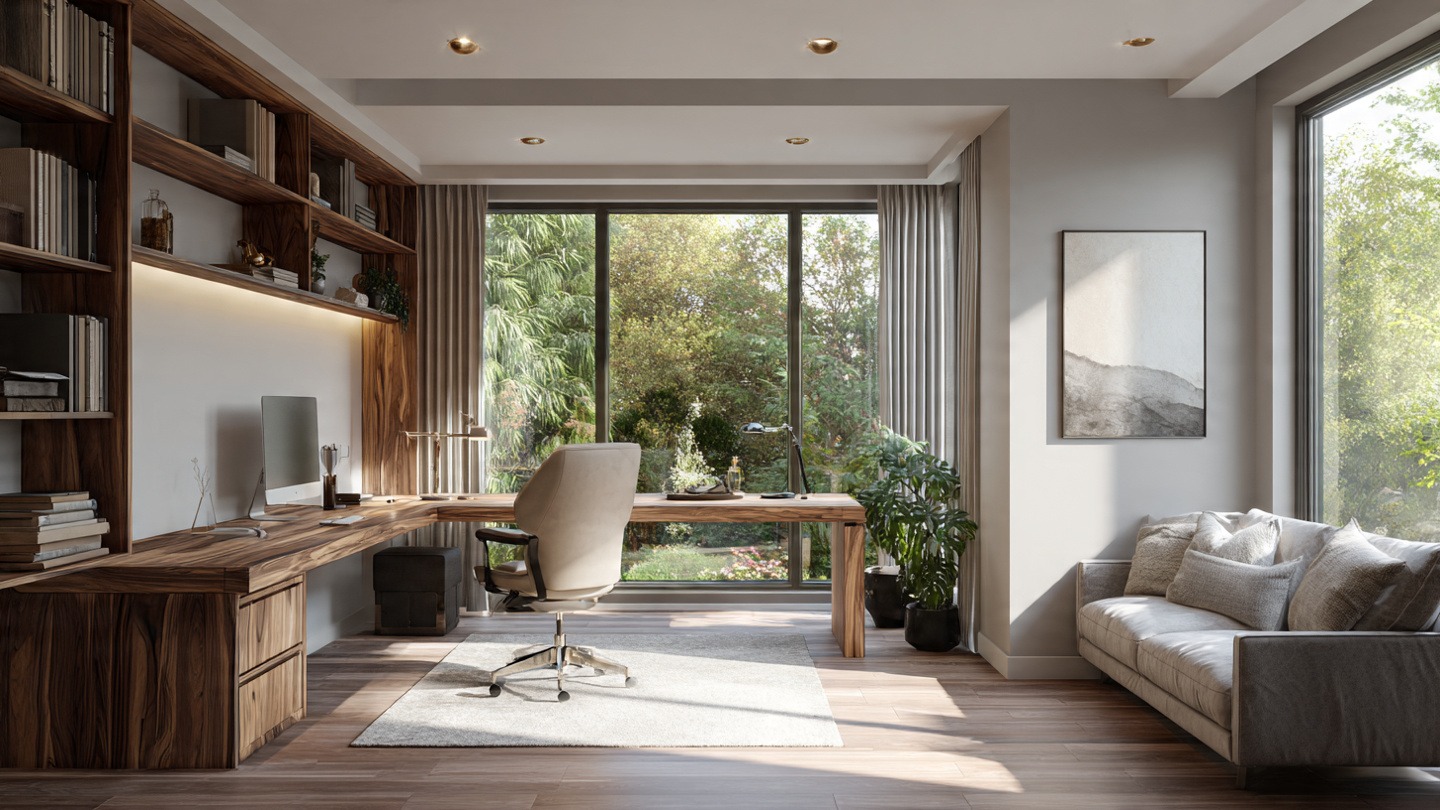
For years, the remote work experience was defined by makeshift arrangements: a laptop perched on a kitchen island or a cluttered desk squeezed into a bedroom corner. However, as the boundary between professional and personal life has blurred, we have seen a fundamental shift. The modern home office is no longer just a place to put a computer; it is a dedicated productivity engine. By treating your workspace as an intentional environment, you can leverage the psychological link between physical order and mental clarity.
When your surroundings are curated and intentional, your brain receives a signal that it is time to focus. A well-designed modern home office reduces cognitive load by removing visual distractions, allowing you to enter a state of deep work more quickly. It is about transitioning from a space of convenience to a space of performance.
The Core Pillars of Modern Office Design
Achieving a high-performance aesthetic requires more than just buying expensive furniture. To build a truly effective modern home office, you must balance three core design pillars: minimalism, functionality, and biophilia.
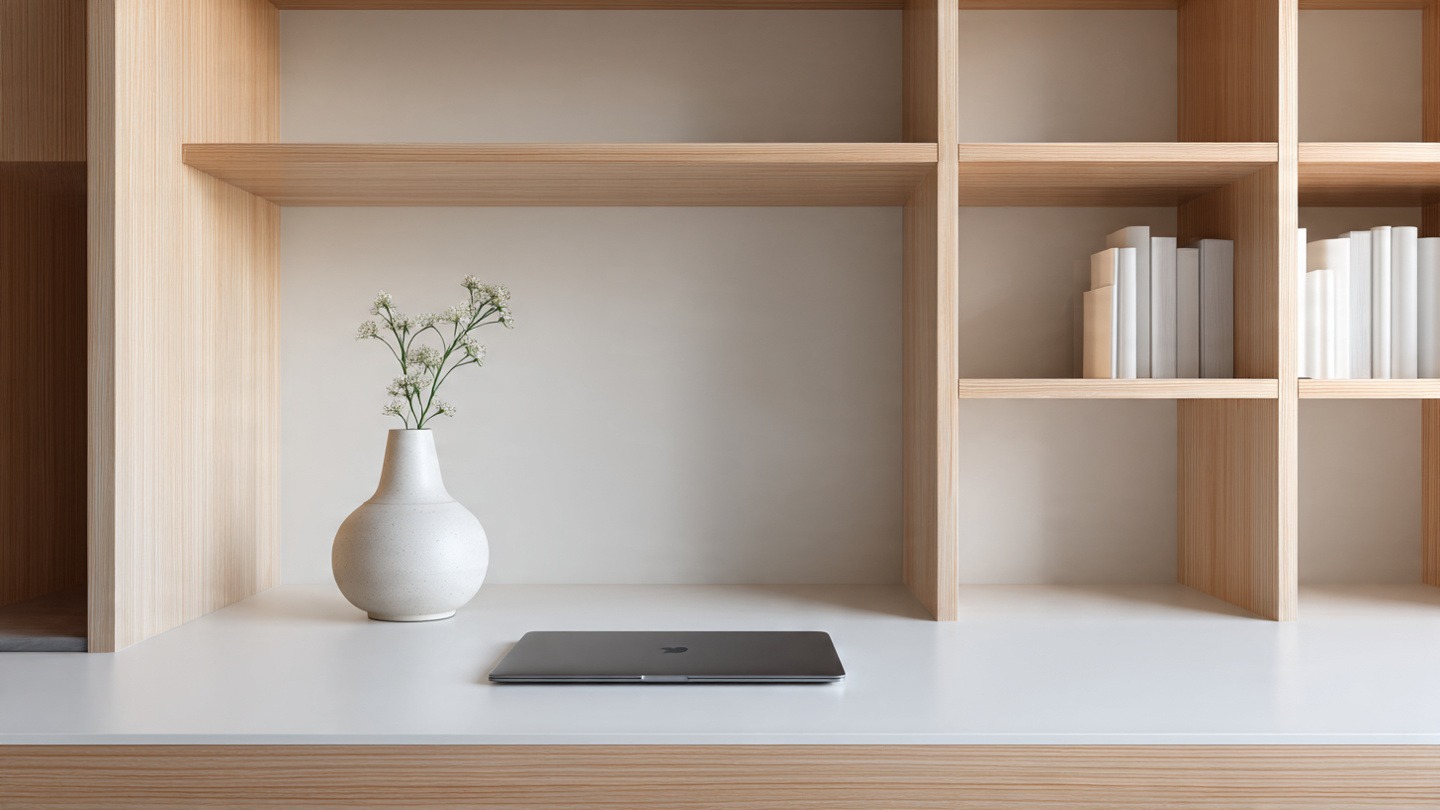
Minimalism is often misunderstood as empty space. In a professional context, minimalism is actually about the removal of the unnecessary. A minimalist workspace ensures that only the tools you need for the current task are within your line of sight. This prevents the “visual noise” that often leads to procrastination and mental fatigue.
Functionality dictates that every item must have a designated home. A modern design fails if it looks beautiful but functions poorly. This means investing in a modern desk setup where storage is integrated and accessible, ensuring that your workflow is never interrupted by a search for a misplaced document or a charging cable.
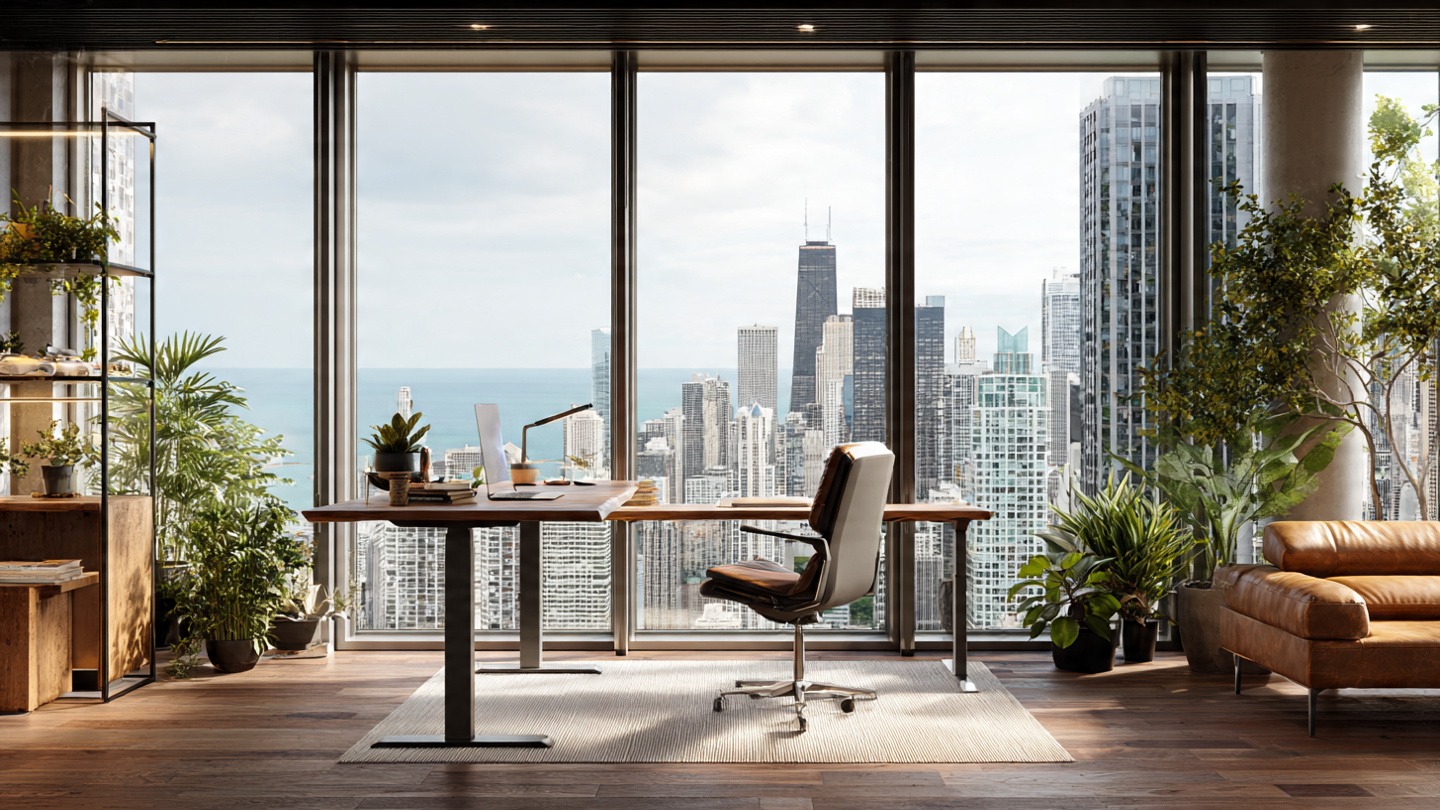
Biophilia is the practice of integrating nature into the built environment. Cognitive science suggests that adding greenery to your modern home office can lower stress levels and increase creativity. Whether it is a large potted Monstera in the corner or a few succulents on a shelf, bringing the outdoors inside softens the clinical feel of technology and refreshes the mind during long workdays.
Prioritizing Ergonomics Without Sacrificing Style
A common mistake in contemporary design is prioritizing the “look” over the body. A sleek chair that offers no support is a liability, not an asset. To maintain long-term productivity, your modern home office must prioritize ergonomics. Proper lumbar support and adjustable heights are non-negotiable for preventing chronic pain and fatigue.
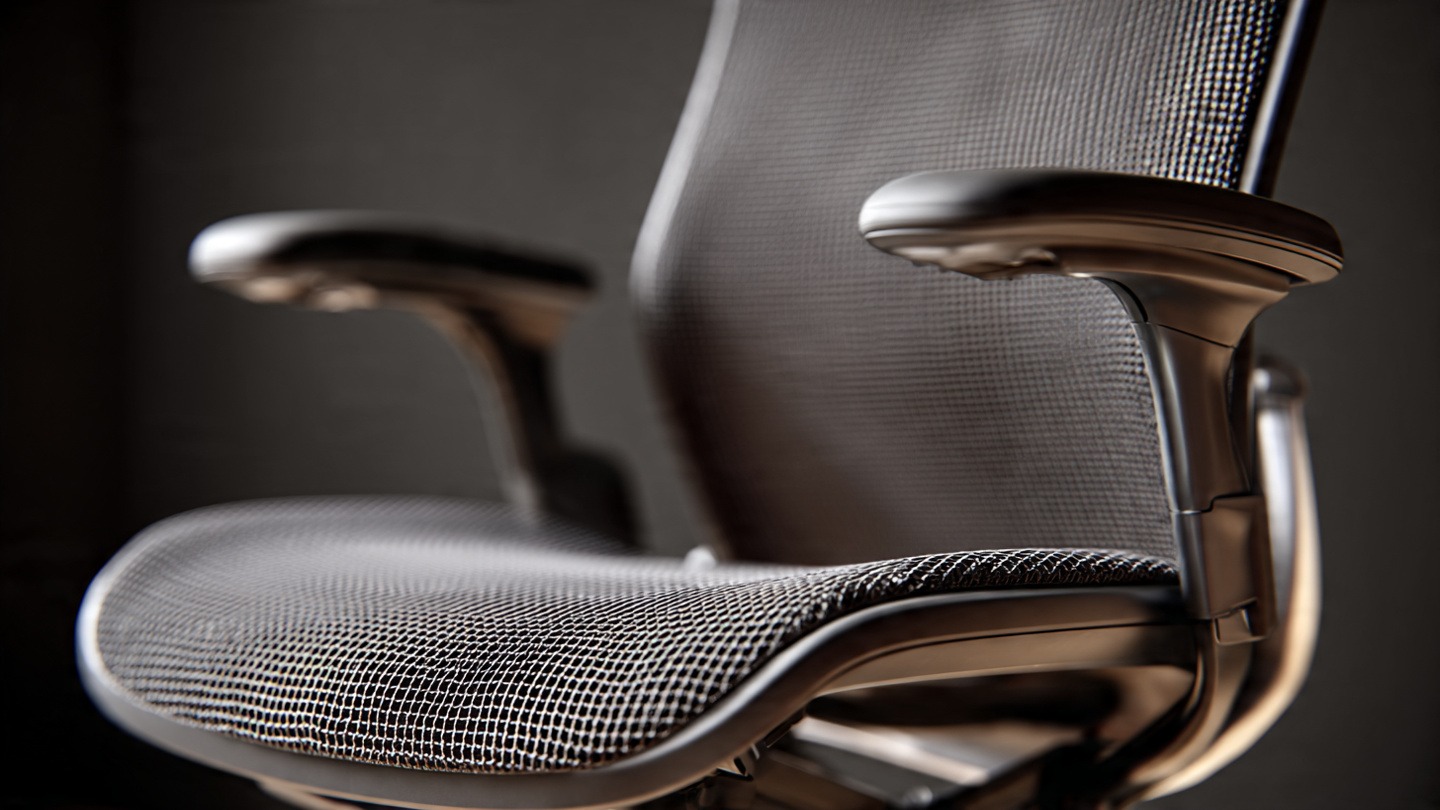
Gone are the days of bulky, oversized executive chairs that dominate a room. Today, you can find sleek ergonomic seating options that blend seamlessly with a contemporary aesthetic while providing the necessary spinal alignment. When selecting a chair, look for breathable mesh materials and adjustable armrests to ensure your body remains supported through eight hours of focus.
Lighting Strategies for Maximum Productivity
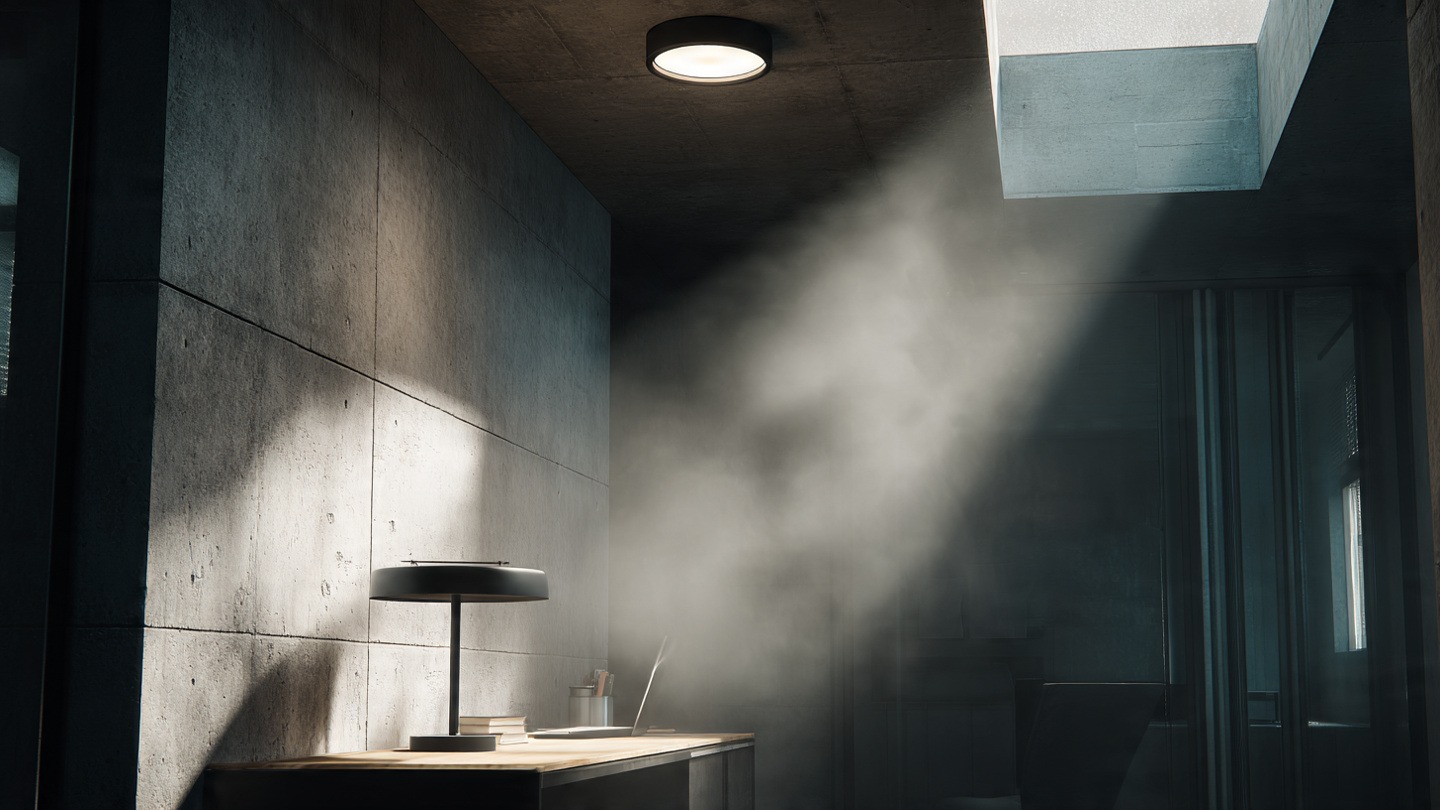
Lighting is the most underrated element of the modern home office. To maximize your cognitive output, you should employ a layered lighting strategy. Natural light is the gold standard; positioning your desk near a window regulates your circadian rhythm and boosts mood. However, natural light is inconsistent, which is why task and ambient lighting are essential.
Use cool white light during your peak morning hours to stimulate alertness and focus. As the evening approaches, transition to warmer tones to signal to your brain that it is time to wind down. Incorporating adjustable LED task lighting allows you to direct light exactly where it is needed, reducing eye strain and adding a sophisticated, tech-forward touch to your workspace.
Essential Tech for a Clutter-Free Workspace
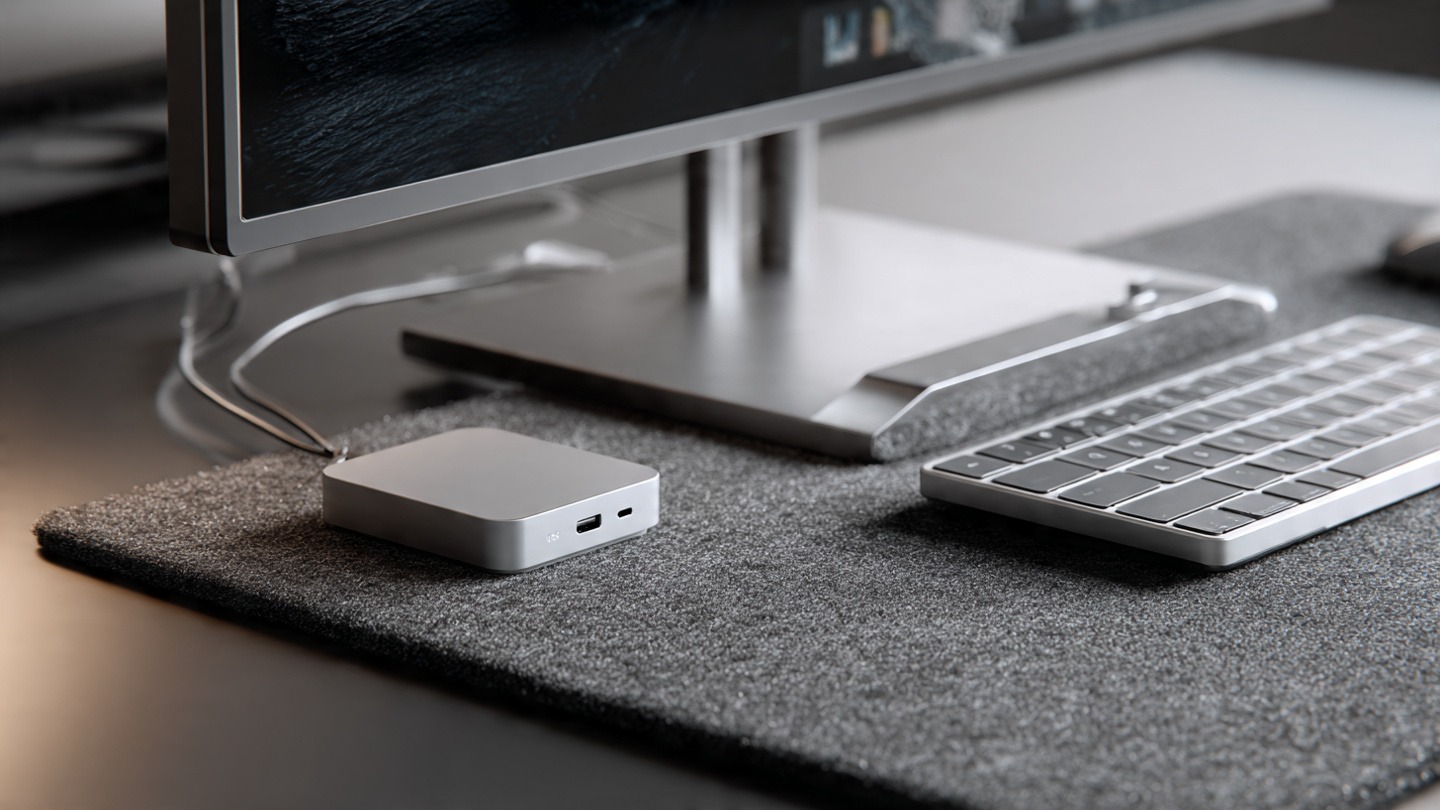
Technology is the heart of any modern home office, but it is also the primary source of visual chaos. To maintain a clean aesthetic, you must focus on “invisible” tech. This involves moving as many connections as possible out of sight. A high-quality docking station can turn a mess of peripherals into a single cable connection to your laptop, instantly cleaning up your desktop.
Monitor arms are another essential tool. By lifting your screens off the desk surface, you reclaim valuable real estate and create a floating effect that feels airy and modern. To truly master the look, implement hidden cable management systems. Tucking power strips and excess wires into under-desk trays removes the “spaghetti’ effect that often ruins an otherwise polished room.
Small Space Hacks for Modern Offices
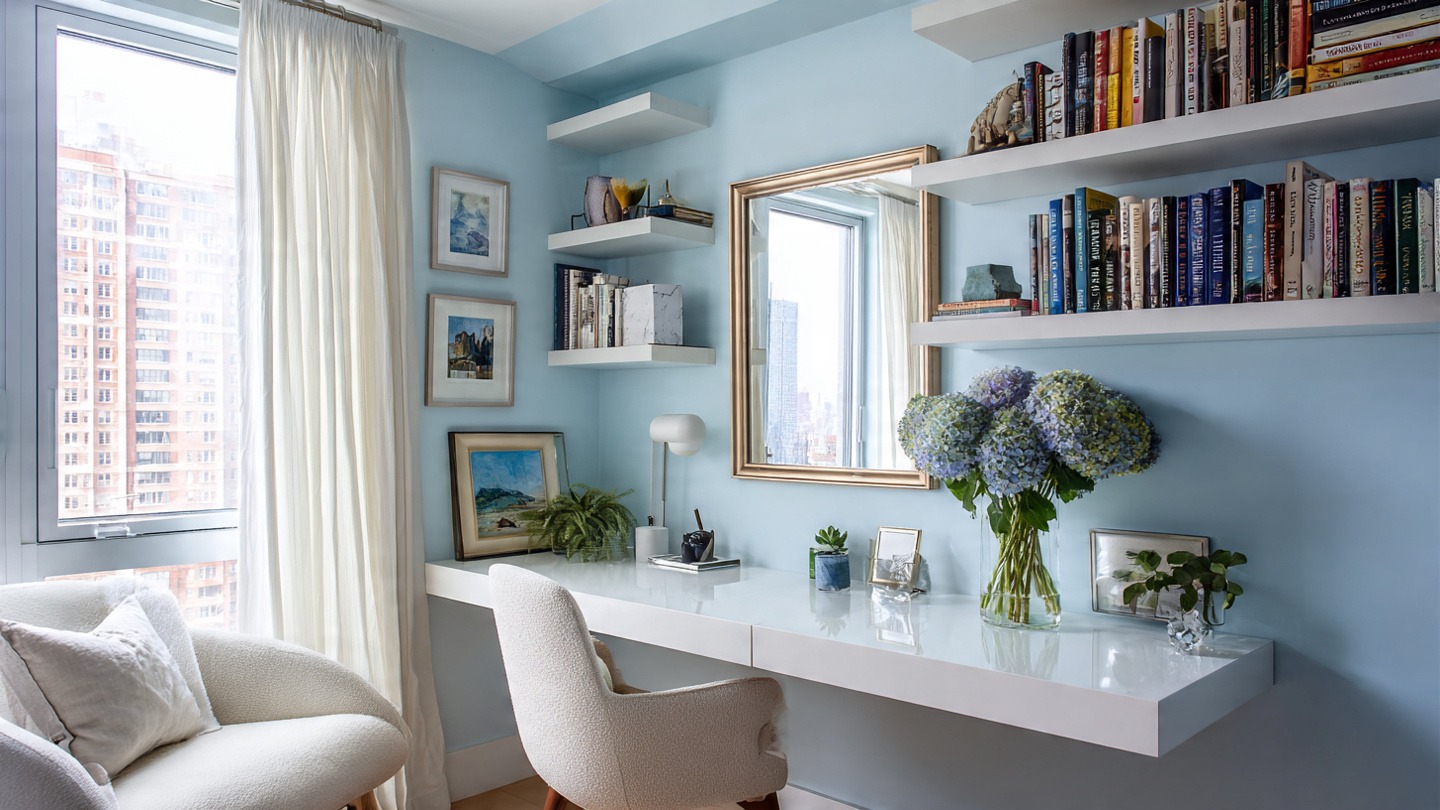
Not everyone has the luxury of a dedicated room. However, you can still implement a modern home office in a compact area by thinking vertically. Floating desks are an excellent choice for small office layout ideas, as they keep the floor clear and make the room feel larger.
Utilize wall-mounted shelving to move storage upward, keeping your primary work surface clear. Additionally, placing a mirror opposite your light source can bounce natural light throughout the room, erasing the claustrophobic feeling of a tight corner. The goal is to create a distinct “zone” for work, even if that zone is only four feet wide.
Common Questions About Modern Office Setups
What colors are best for a modern office?
For maximum focus, stick to a monochromatic base of whites, greys, or soft beiges. If you want more energy, use accent colors like deep navy or sage green. Avoid overly bright neon colors, which can be distracting over long periods.
How do I hide wires effectively?
Use a combination of cable sleeves for visible runs and under-desk trays for the bulk of your power cables. Wireless peripherals, such as a Bluetooth keyboard and mouse, also significantly reduce visual clutter.
Is a standing desk necessary for a modern look?
While not strictly necessary for the aesthetic, a standing desk aligns with the modern philosophy of health-centric design. It offers the flexibility to change posture, which is vital for sustained cognitive performance.
Creating Your Personal Sanctuary
Building a modern home office is an iterative process of balancing form and function. It is not about achieving a sterile, showroom look, but about creating a space that supports your unique way of working. Be wary of over-minimalism; if a room feels too cold, add a textured rug or a piece of art to bring in warmth.
You do not need to overhaul your entire room overnight. Start with one key change, such as upgrading your lighting or investing in a better chair, and feel the immediate impact on your productivity. Your environment is a tool; sharpen it, and your work will follow.
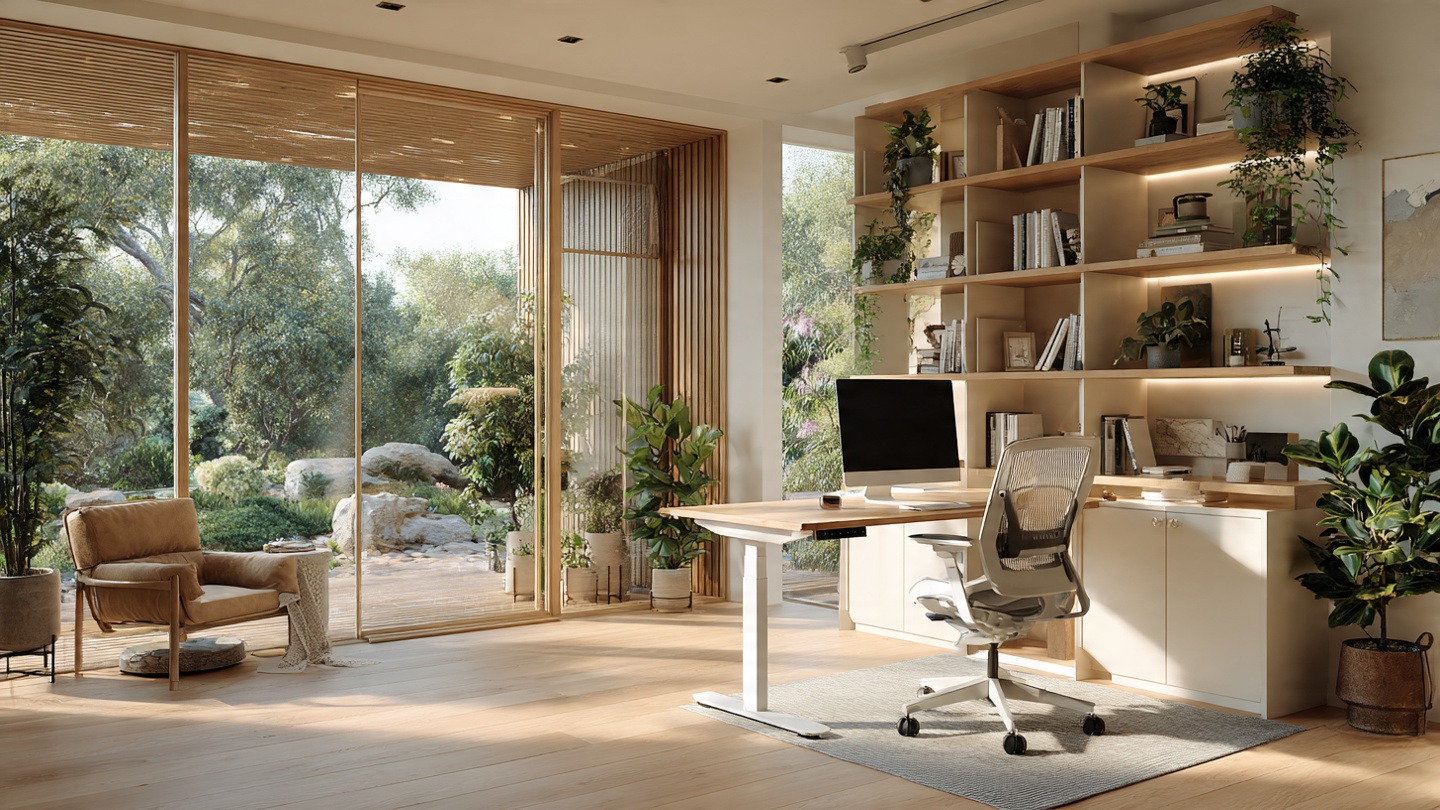
Transform your workspace with these functional office ideas. From small room hacks to ergonomic setups, find the perfect layout for Read more
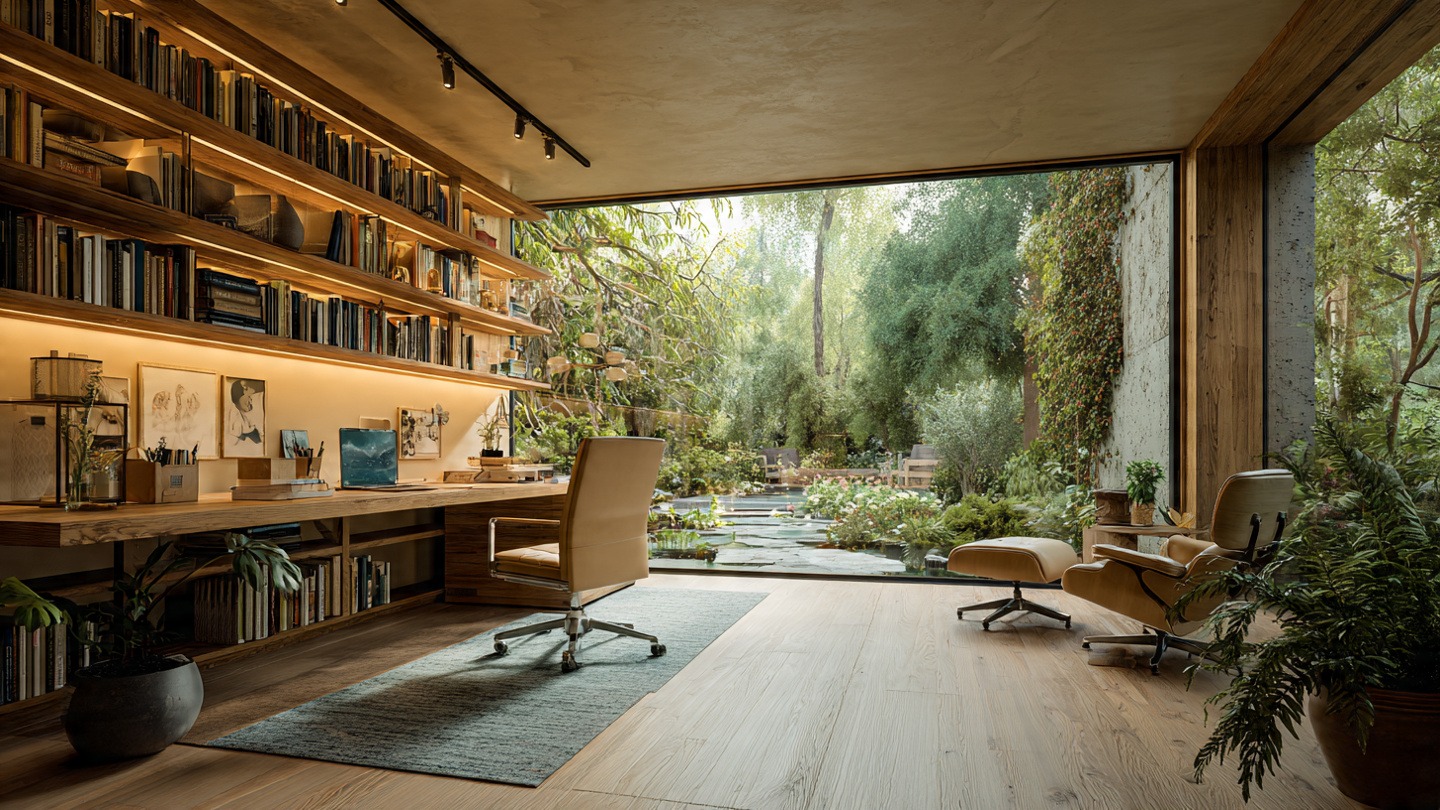
Transform your workspace with these curated office ideas. From small room hacks to ergonomic setups, find the perfect balance of Read more
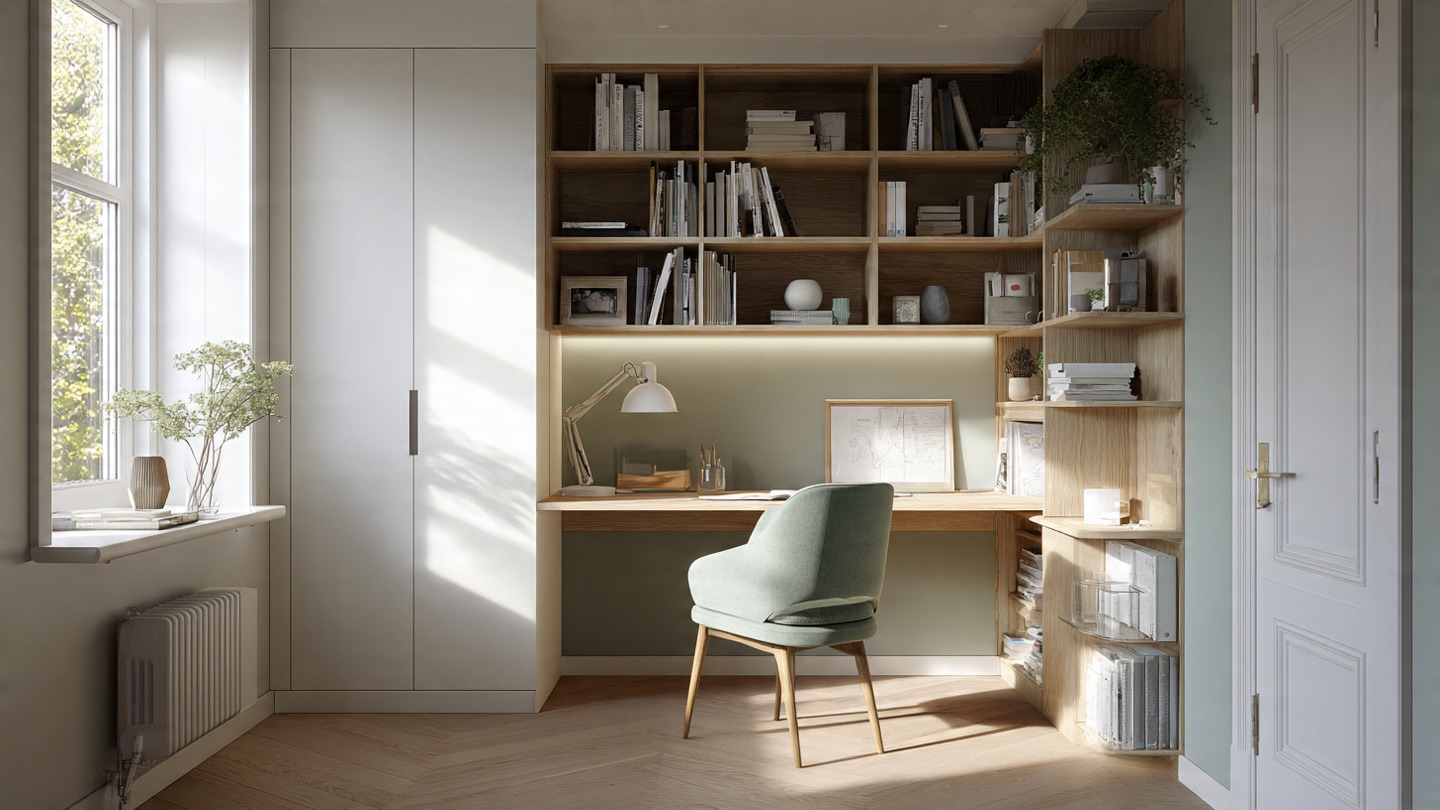
Stop feeling cramped. Discover smart small office ideas and layout hacks to create a productive, stylish workspace in any tiny Read more
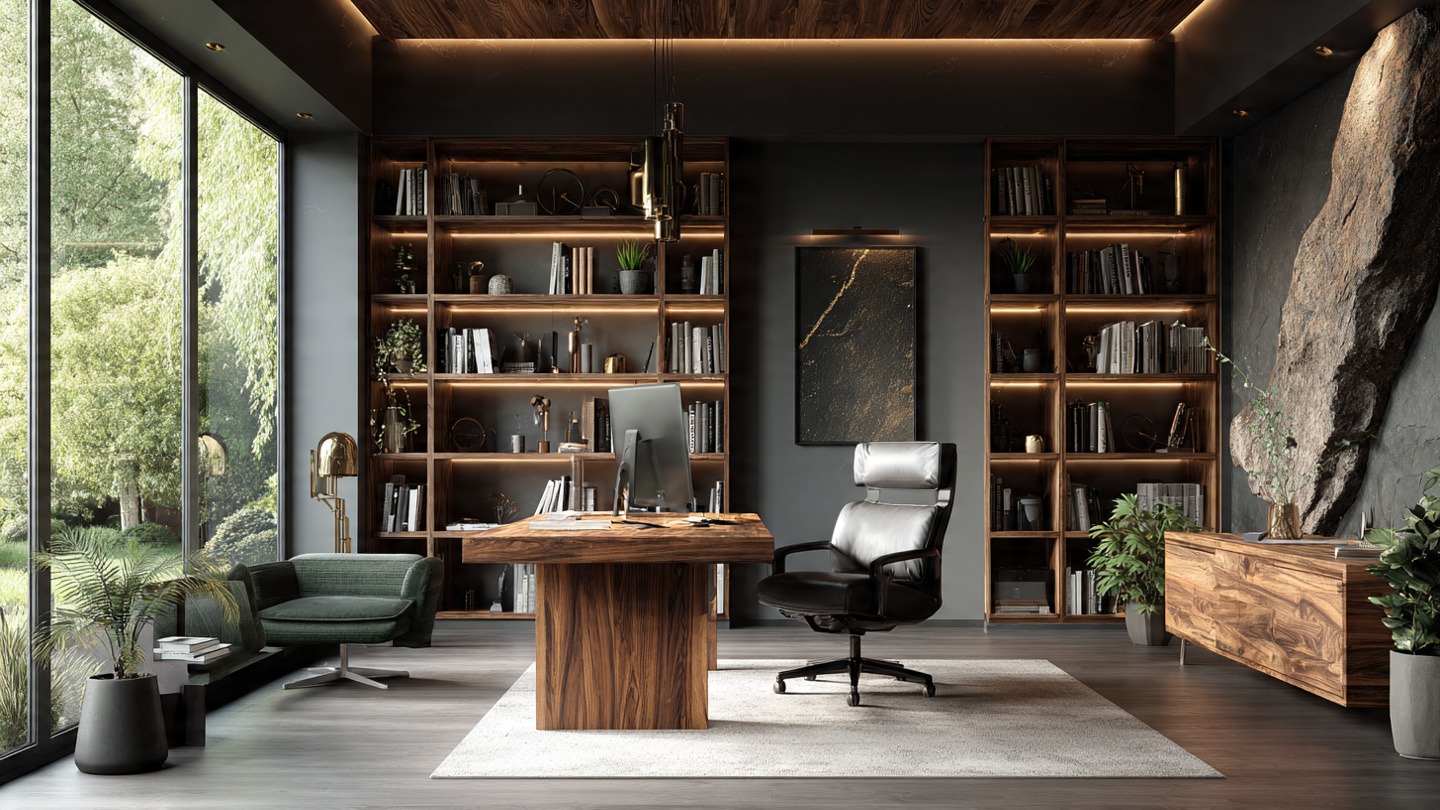
Transform your workspace with our expert home office design guide. Learn how to balance ergonomics, lighting, and style for a Read more
- Clear everything off your desk that you haven’t used in 24 hours.
- Position your monitor at eye level to reduce neck strain.
- Add one living plant to your field of vision.
- Bundle loose cables with simple velcro ties.
- Switch to a cool-white bulb for your primary task light.
Monochromatic: Use varying shades of one color (e.g., charcoal, slate, and light grey) for a sophisticated, calm environment that minimizes distraction.
Accent-Based: Use a neutral base with one bold color (e.g., matte black and white with a pop of burnt orange) to stimulate creativity and energy.