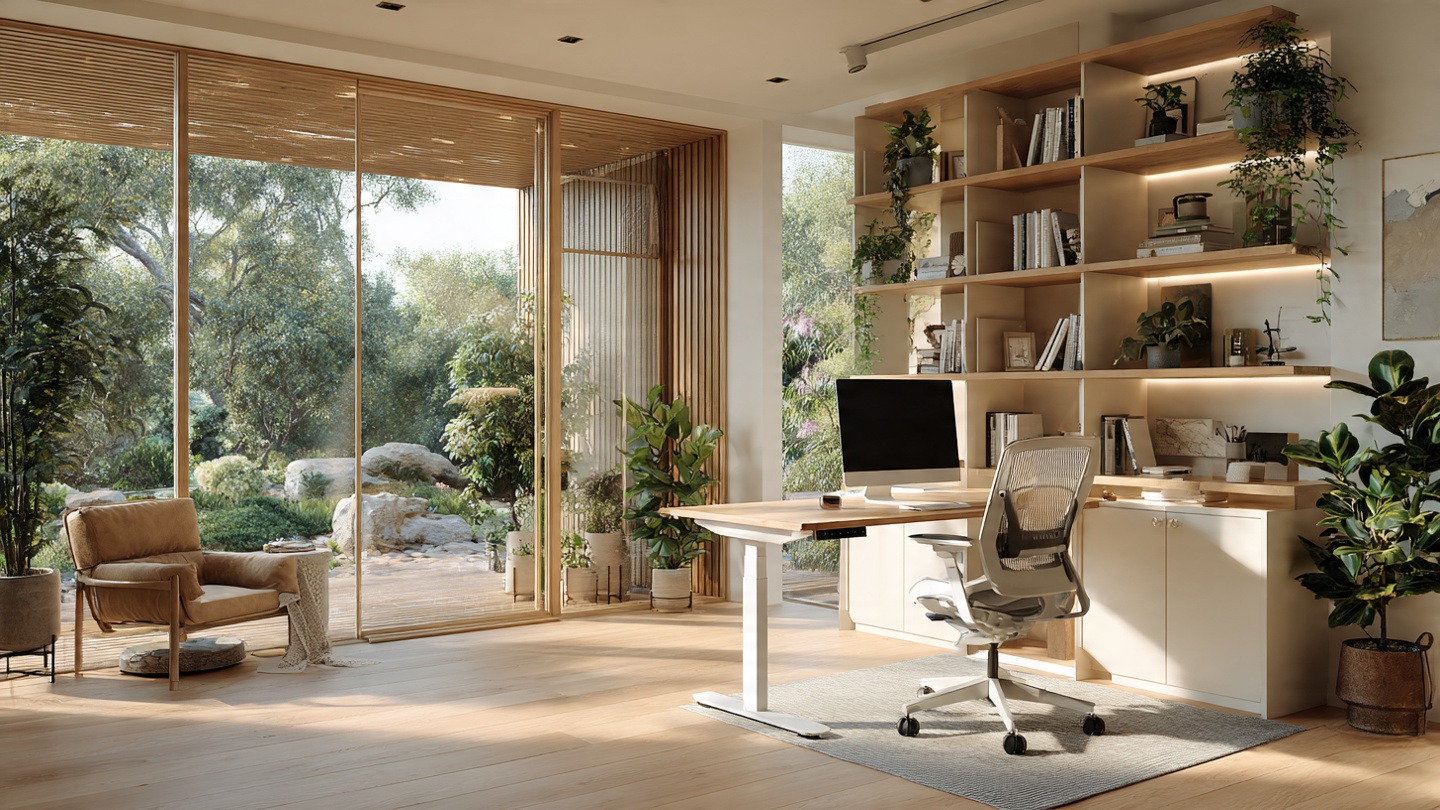

Beyond the Desk: Redefining Your Workspace
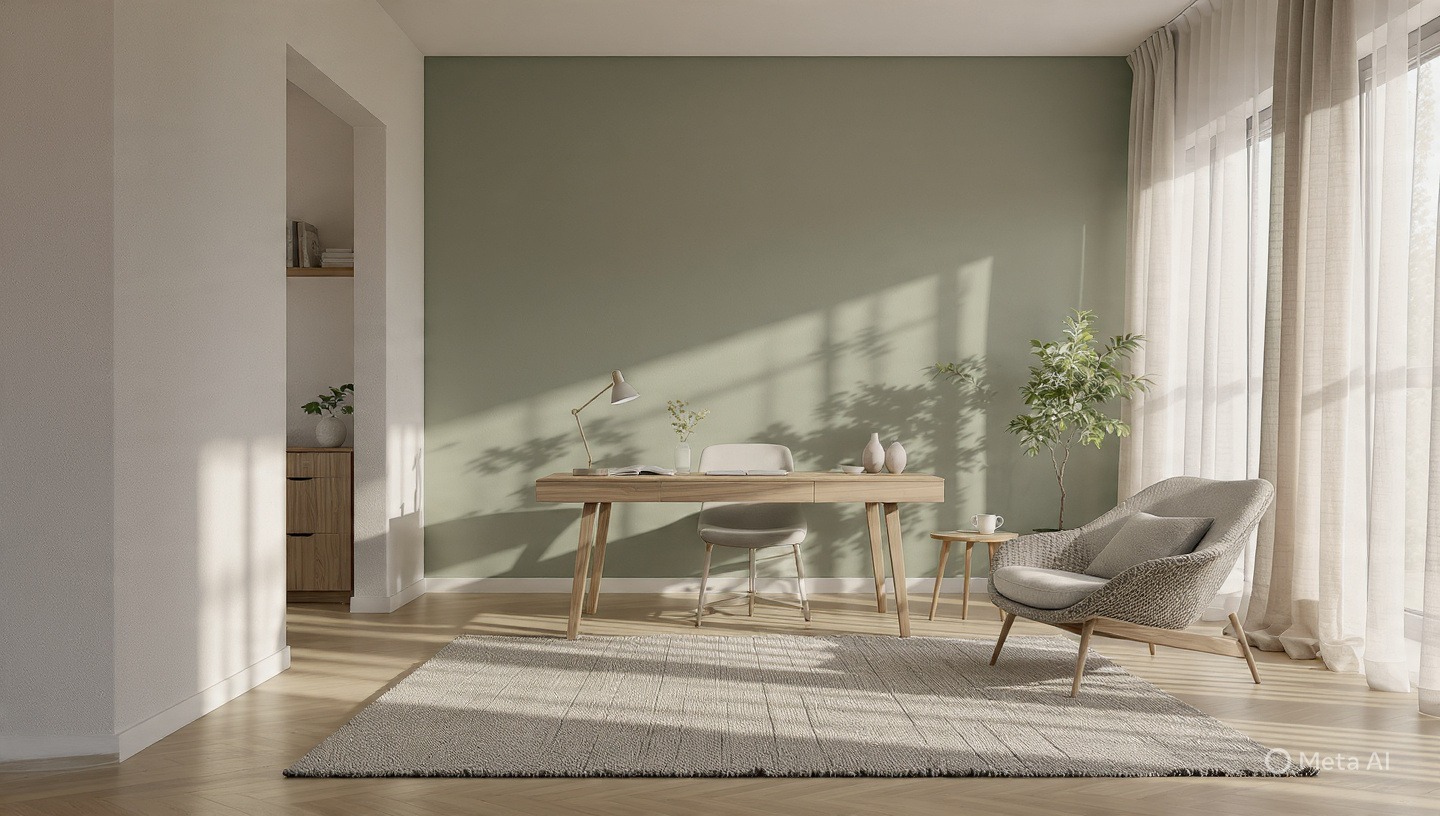
Most people approach the search for office ideas as a shopping list: a desk, a chair, and perhaps a lamp. However, the true secret to a high-performing workspace lies in the intersection of interior design and cognitive productivity. Your environment is not just a backdrop; it is a tool that either facilitates or hinders your mental performance. When your physical surroundings are chaotic, your brain spends valuable energy processing that noise, leading to faster burnout and diminished focus.
To truly optimize your output, you must view your office as a cognitive engine. By intentionally designing the flow of your room, you can reduce cortisol levels and trigger a state of deep work. Whether you are working from a dedicated suite or a corner of your bedroom, the right office ideas focus on reducing friction and creating a psychological boundary that tells your brain, “It is time to produce.”
Maximizing Tiny Corners: Small Space Office Ideas
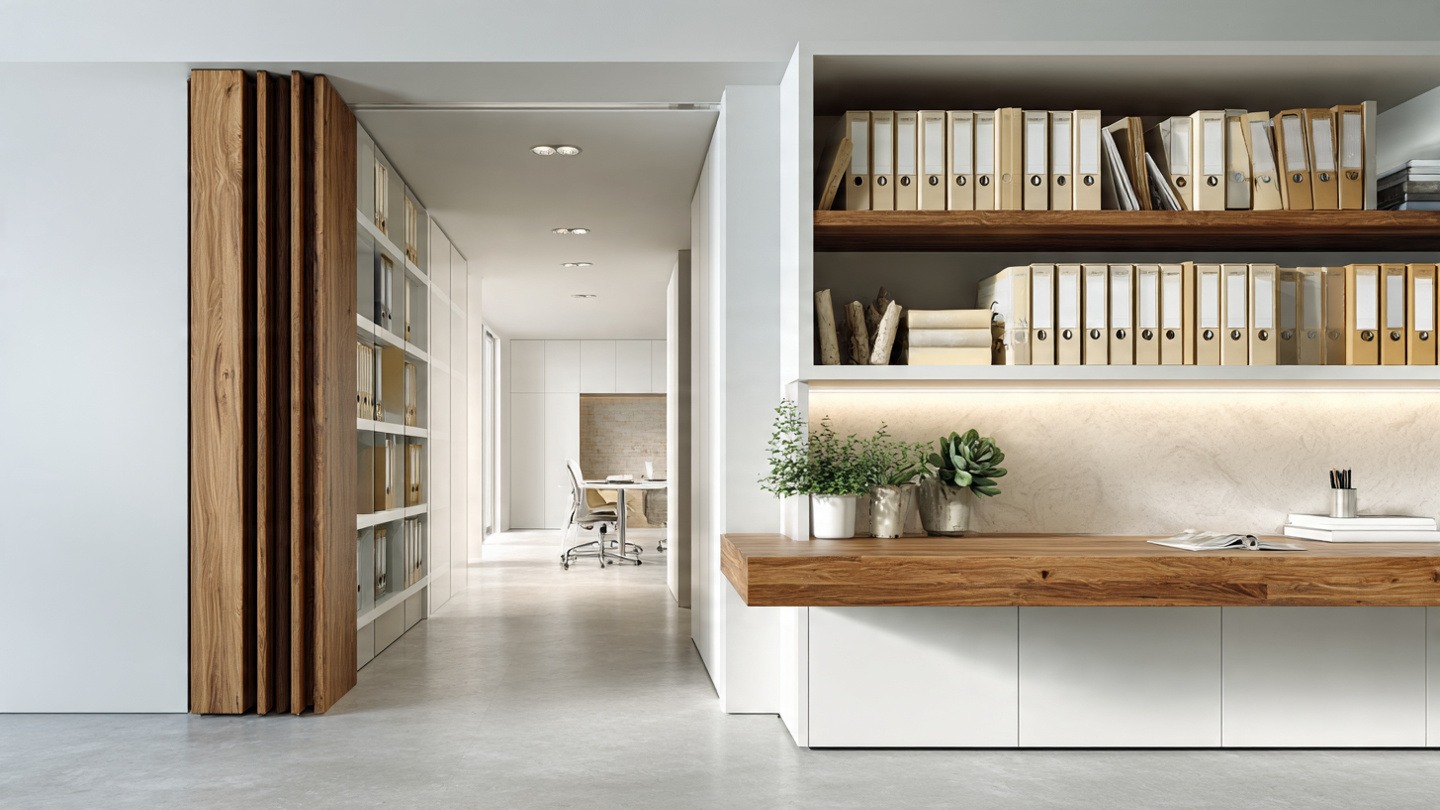
When square footage is limited, the primary goal is to eliminate visual clutter. A cluttered environment often leads to a cluttered mind, which is why small workspace solutions must prioritize verticality. Instead of a bulky executive desk that eats up the center of the room, look toward the walls. Utilizing unused nooks or the space under a staircase can transform a dead zone into a powerhouse of productivity.
One of the most effective ways to maintain a clean floor plan is by installing space-saving floating desks. These allow you to maintain a minimalist footprint while providing ample surface area for your laptop and notepad. By keeping the floor clear, the room feels larger and more breathable, which prevents the feeling of claustrophobia during long work sessions.
Creating a boundary between “work” and “home” is the biggest challenge in a shared room. To solve this, use visual cues. A small rug beneath your desk or a specific paint color on a single wall can create a “mental zone.” When you step onto that rug, you are in the office; when you step off, you are back in your sanctuary. This psychological shift is essential for maintaining a healthy work-life balance in a compact home.
Avoid pushing your desk flush against a blank wall if possible. Staring at a white wall for eight hours can lead to mental fatigue and a sense of isolation. If you must place your desk against a wall, add a mood board or a piece of art to provide a visual “escape” for your eyes during breaks.
The Ergonomic Blueprint for Long-Term Health
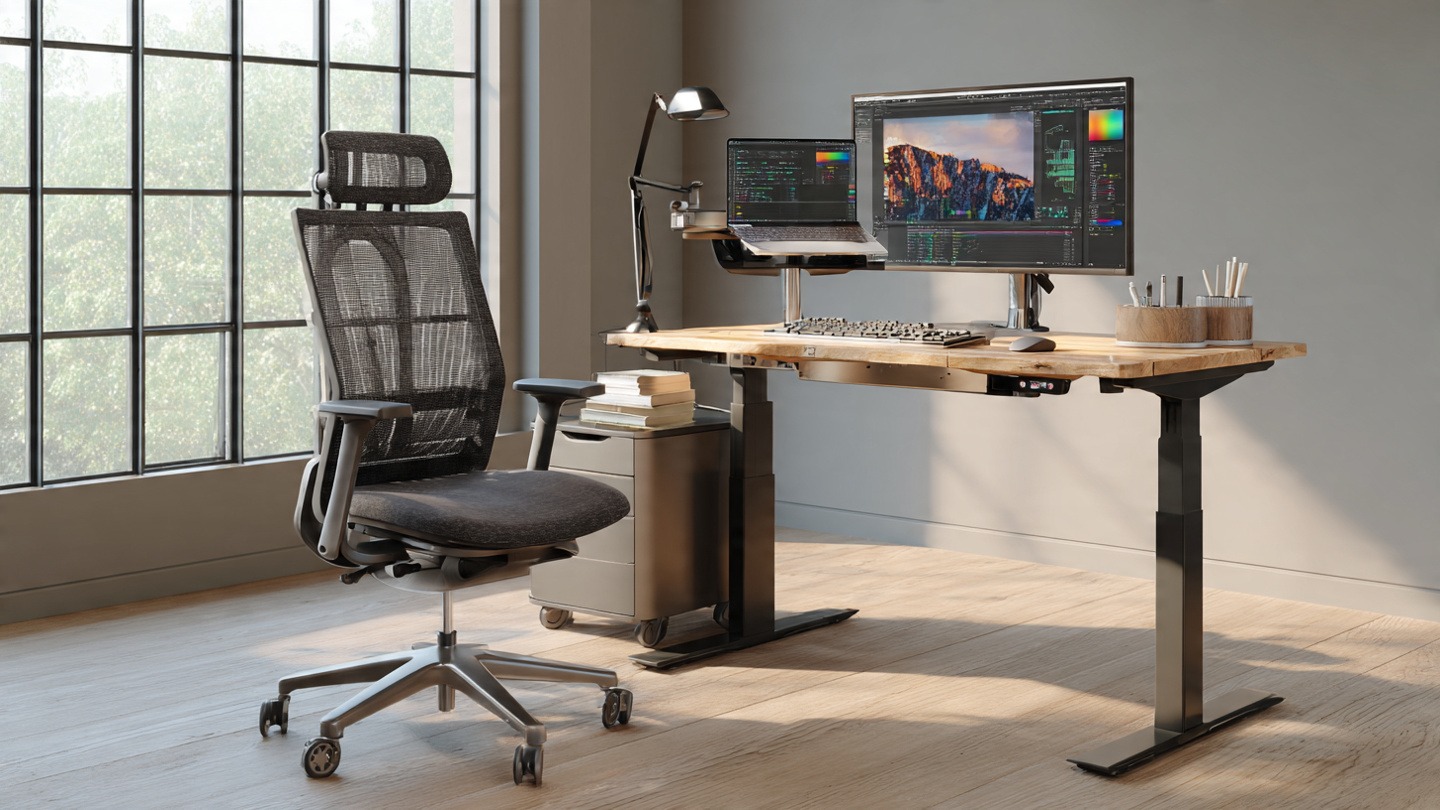
Aesthetics may bring you into the room, but ergonomics keep you there without pain. Many popular office ideas overlook the physical toll of sedentary work. A productive workspace design must adhere to the 90-degree rule: your elbows, hips, and knees should all be bent at approximately 90 degrees. This alignment minimizes strain on the lower back and prevents the repetitive stress injuries associated with poor posture.
Investing in your seating is the most critical hardware decision you will make. To support the natural curve of your spine, we recommend high-back ergonomic chairs that offer adjustable lumbar support. Without proper support, your core muscles fatigue, leading to slouching and a subsequent drop in oxygen flow to the brain, which kills your concentration.
Lighting is the final pillar of ergonomic health. Natural light is the gold standard for regulating your circadian rhythm and boosting mood, but it can cause glare on screens. Position your desk perpendicular to windows to get the benefit of sunlight without the reflection. For artificial lighting, use a layered approach: a soft ambient overhead light combined with a focused task lamp. Ensure your task lamp is positioned to the side of your dominant hand to avoid casting shadows over your work, which reduces eye strain and prevents headaches.
Aesthetic Themes: From Dark Academia to Japandi
Once the ergonomics are set, you can layer in home office aesthetics to match your personality. The visual vibe of your room can actually influence your mood and the type of work you produce.
- Dark Academia: This style is perfect for deep research and writing. Think moody palettes of forest green, burgundy, and mahogany. Use heavy textures like leather and velvet, and fill your shelves with old books to create a scholarly, focused atmosphere.
- Japandi: A fusion of Japanese minimalism and Scandinavian functionality. This look relies on neutral tones, light woods, and clean lines. To achieve this, incorporate minimalist desk organizers to keep surfaces clear of distractions.
- Industrial Modern: This theme uses raw materials like concrete, steel, and exposed brick. It is an energetic style that works well for creative professionals, pairing a heavy wooden slab desk with matte black metal accents.
Quick Wins to Refresh Your Current Setup
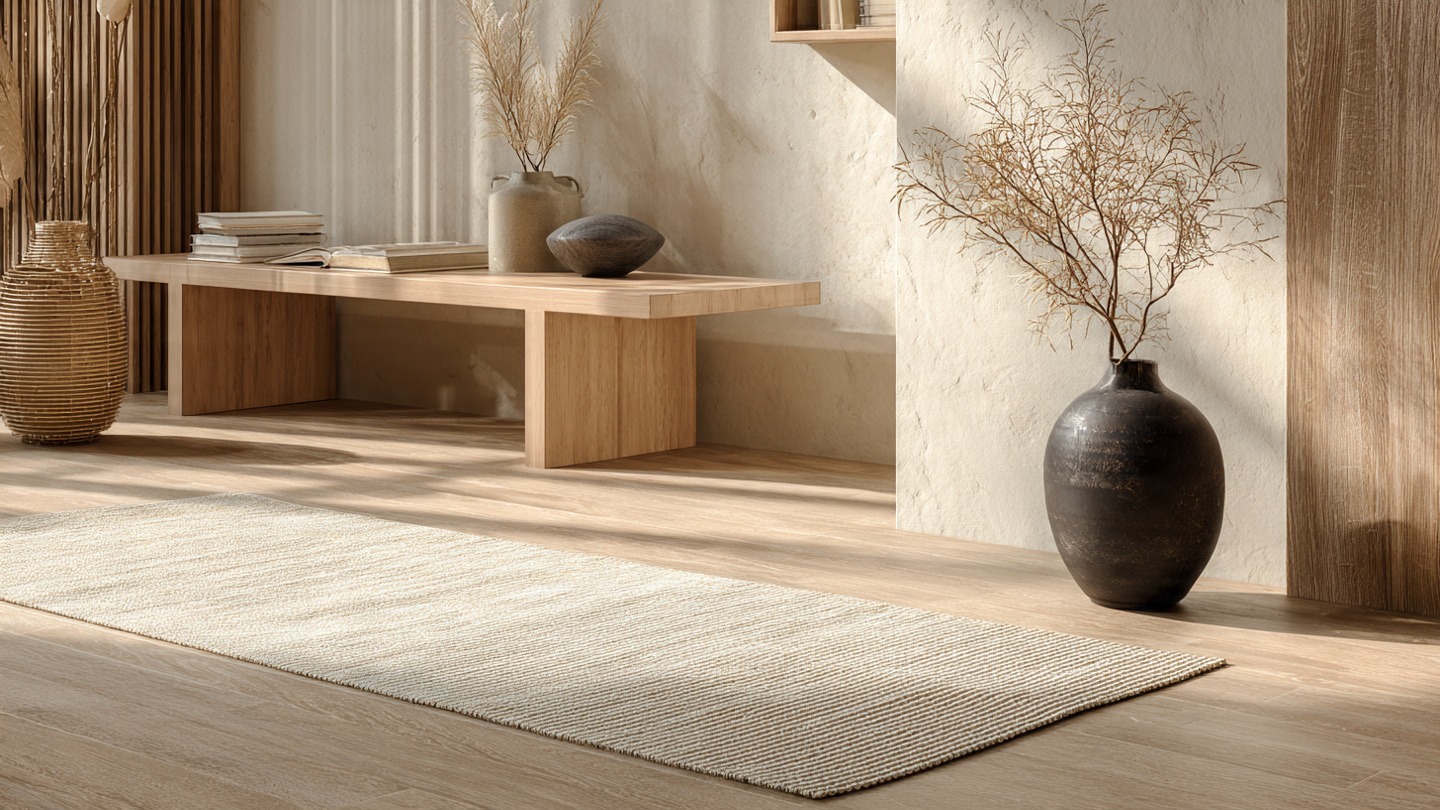
You do not need a full renovation to implement better office ideas. Small, high-impact changes can immediately shift the energy of your workspace. The most immediate “win” is tackling cable chaos. A tangle of wires creates visual noise that distracts the subconscious mind. Implementing cable management solutions like under-desk trays can instantly make a room feel more professional and organized.
Next, introduce “biophilia” by adding greenery. Plants like the Snake Plant or Pothos not only purify the air but have been proven to reduce stress and increase productivity. Finally, consider scent triggers. Using a specific candle or essential oil (like peppermint for focus or lemon for energy) only during work hours trains your brain to enter “work mode” the moment you smell it, creating a powerful sensory anchor for productivity.
Common Questions About Home Office Planning

Where should I place my desk relative to a window?
Ideally, place your desk perpendicular to the window. This provides natural light from the side, preventing the glare that occurs when the window is behind you and the blinding light that occurs when you face the window directly.
How do I hide cords in a room with no built-in outlets?
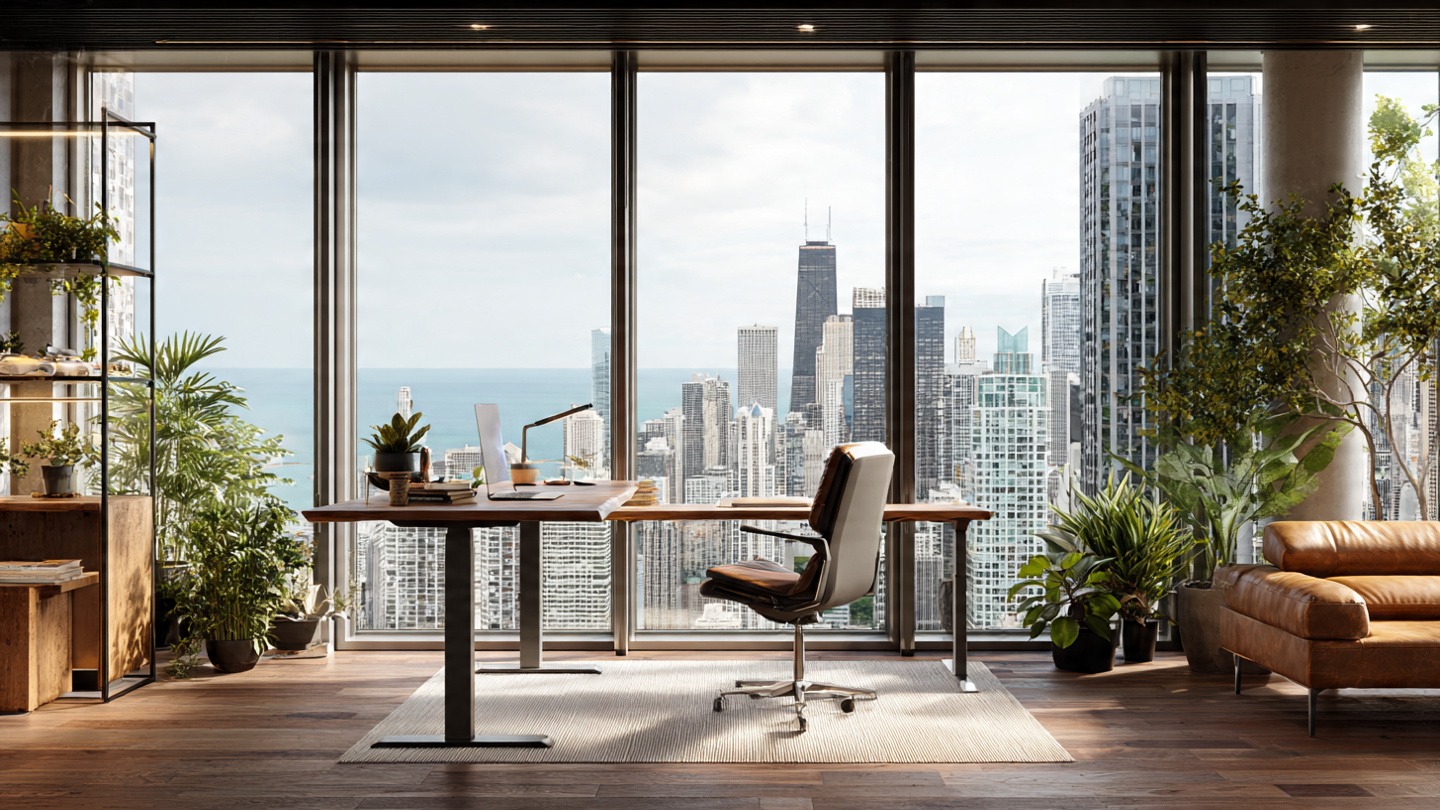
Transform your workspace with our guide to a modern home office. Discover minimalist design tips, ergonomic essentials, and layout ideas Read more
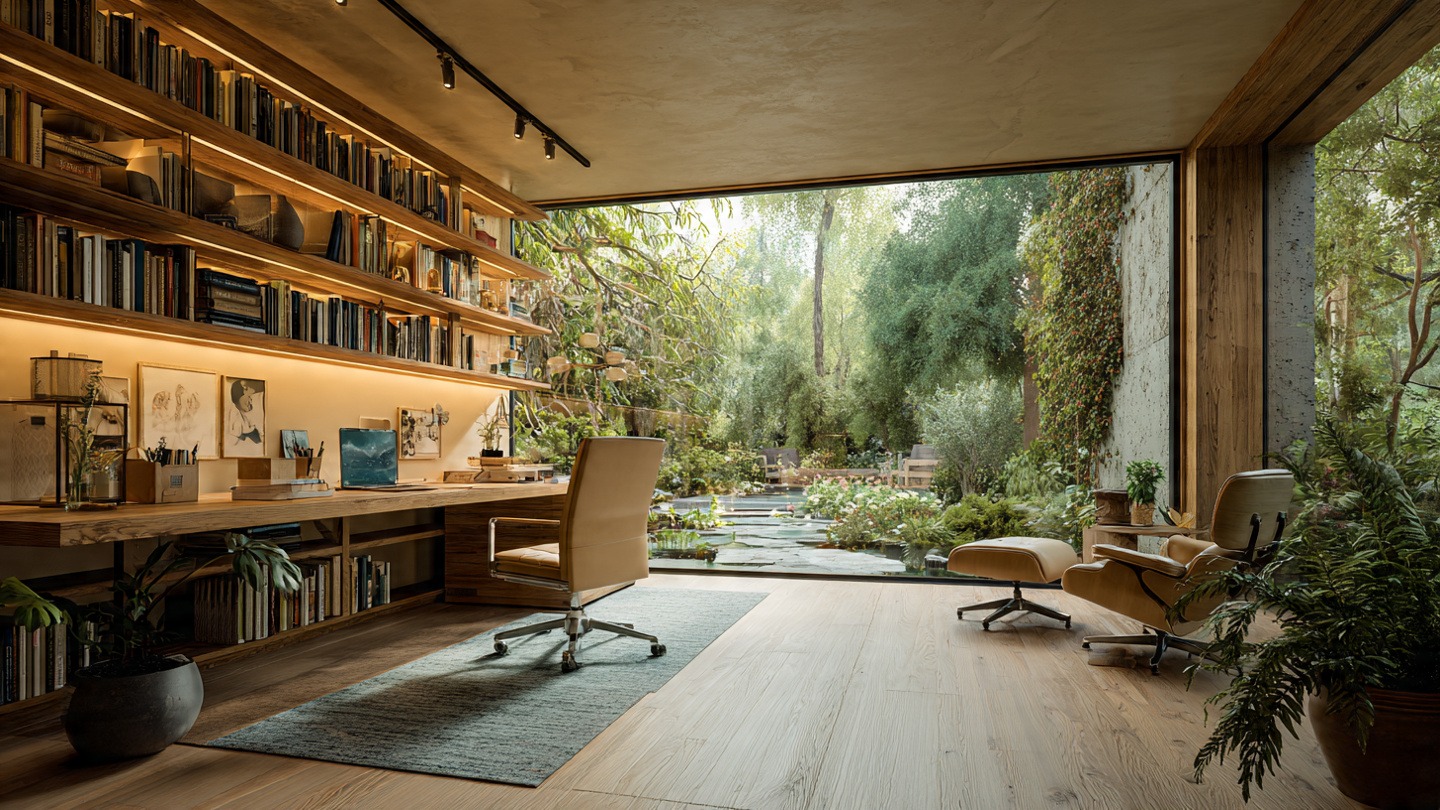
Transform your workspace with these curated office ideas. From small room hacks to ergonomic setups, find the perfect balance of Read more
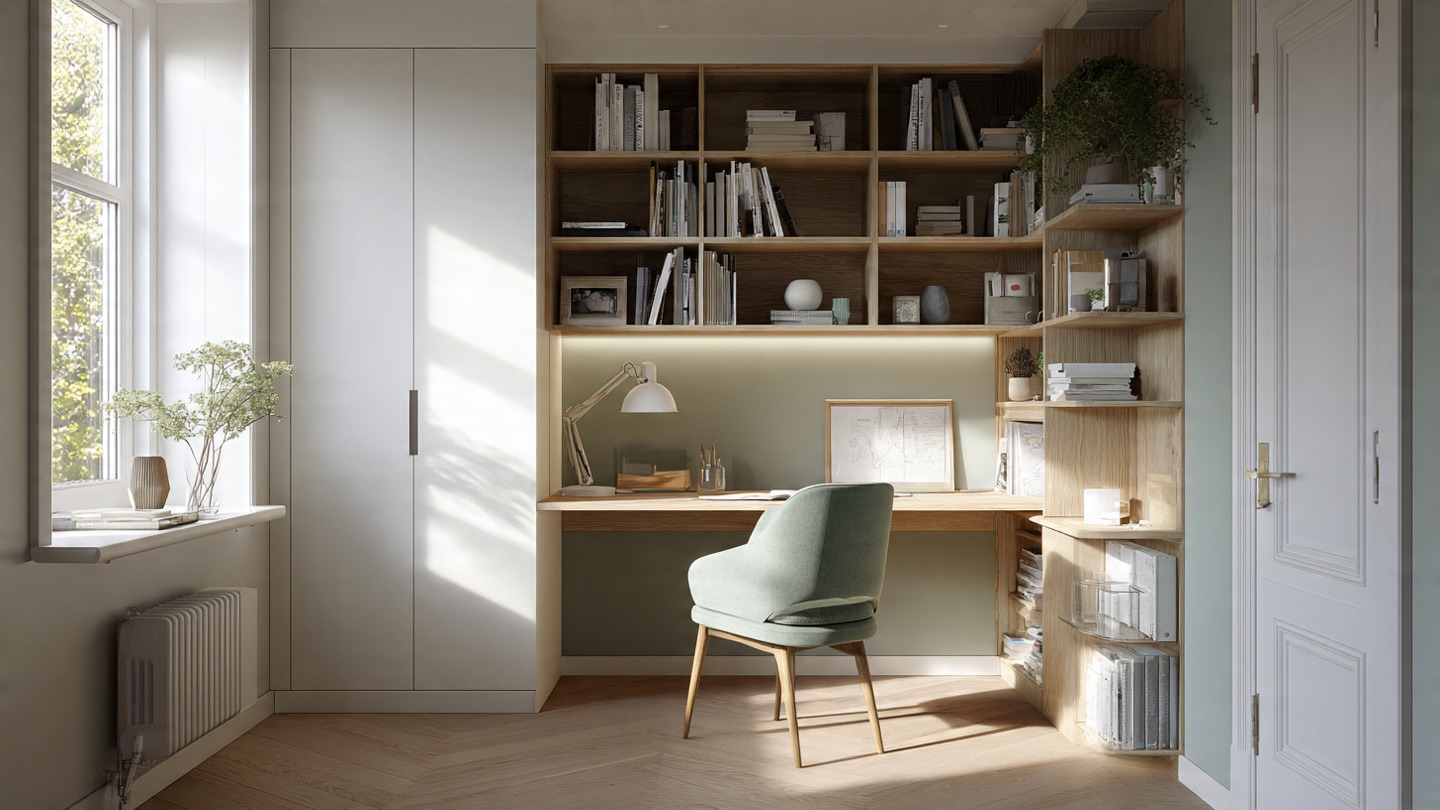
Stop feeling cramped. Discover smart small office ideas and layout hacks to create a productive, stylish workspace in any tiny Read more
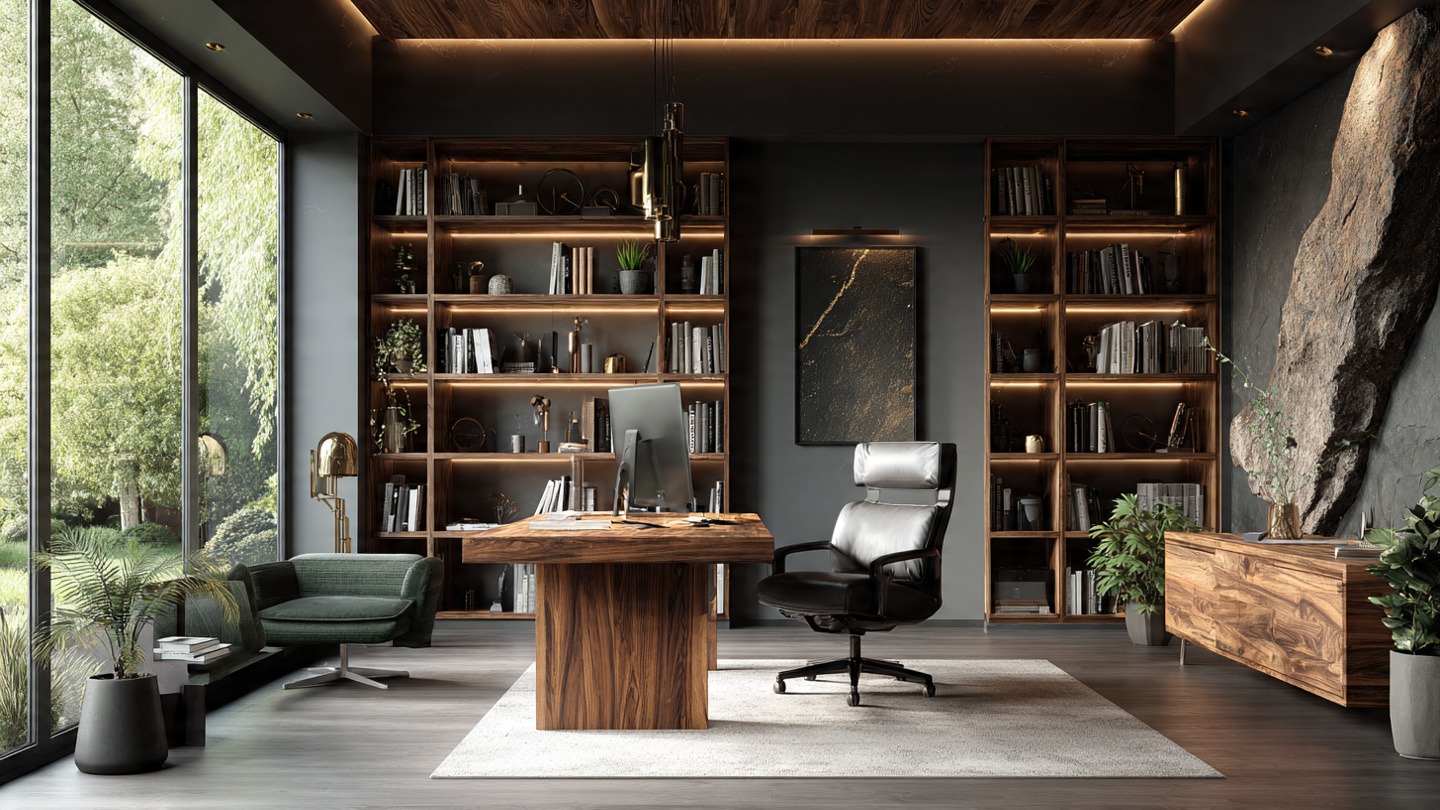
Transform your workspace with our expert home office design guide. Learn how to balance ergonomics, lighting, and style for a Read more
What is the best lighting for Zoom calls?
Front-facing light is key. Never have a bright window behind you, as you will appear as a silhouette. Use a ring light or a desk lamp with a diffuser placed behind your monitor to illuminate your face evenly.
Building Your Ideal Workspace
Ultimately, the most effective office ideas are those that adapt to your unique habits and biological needs. Whether you thrive in a moody, library-like setting or a bright, minimalist sanctuary, the goal is to remove every possible friction point between you and your work. You do not have to overhaul your entire room in one day. Start with one small change, such as improving your cable management or adjusting your chair height, and build your way toward a workspace that fuels your mental performance.