
Multi Family Compound Ideas Layout: A Smarter Blueprint Before You Buy
In the modern era, the family compound is no longer just a relic of ancestral estates. Today, it is a strategic response to the rising cost of living, the complexities of elder care, and a deep-seated desire for intergenerational connection. At its core, a family compound is a residential cluster designed to house multiple related households on a single plot of land. However, the emotional driver here is a delicate paradox: the craving for proximity without the sacrifice of personal autonomy.
The success of this living arrangement rarely depends on the budget or the square footage, but rather on the spatial psychology of the site. Without a thoughtful multi family compound ideas layout, the physical closeness can quickly lead to psychological friction. A strategic layout acts as a silent mediator, ensuring that family members can choose when to engage and when to retreat, effectively preventing the conflicts that arise when boundaries are blurred.
The Three Core Layout Philosophies
When conceptualizing your site, you must decide which psychological priority takes precedence: total independence, social cohesion, or a balanced hybrid. Your choice of a multi family compound ideas layout will dictate the daily rhythm of your family’s life.
1. The Hub-and-Spoke
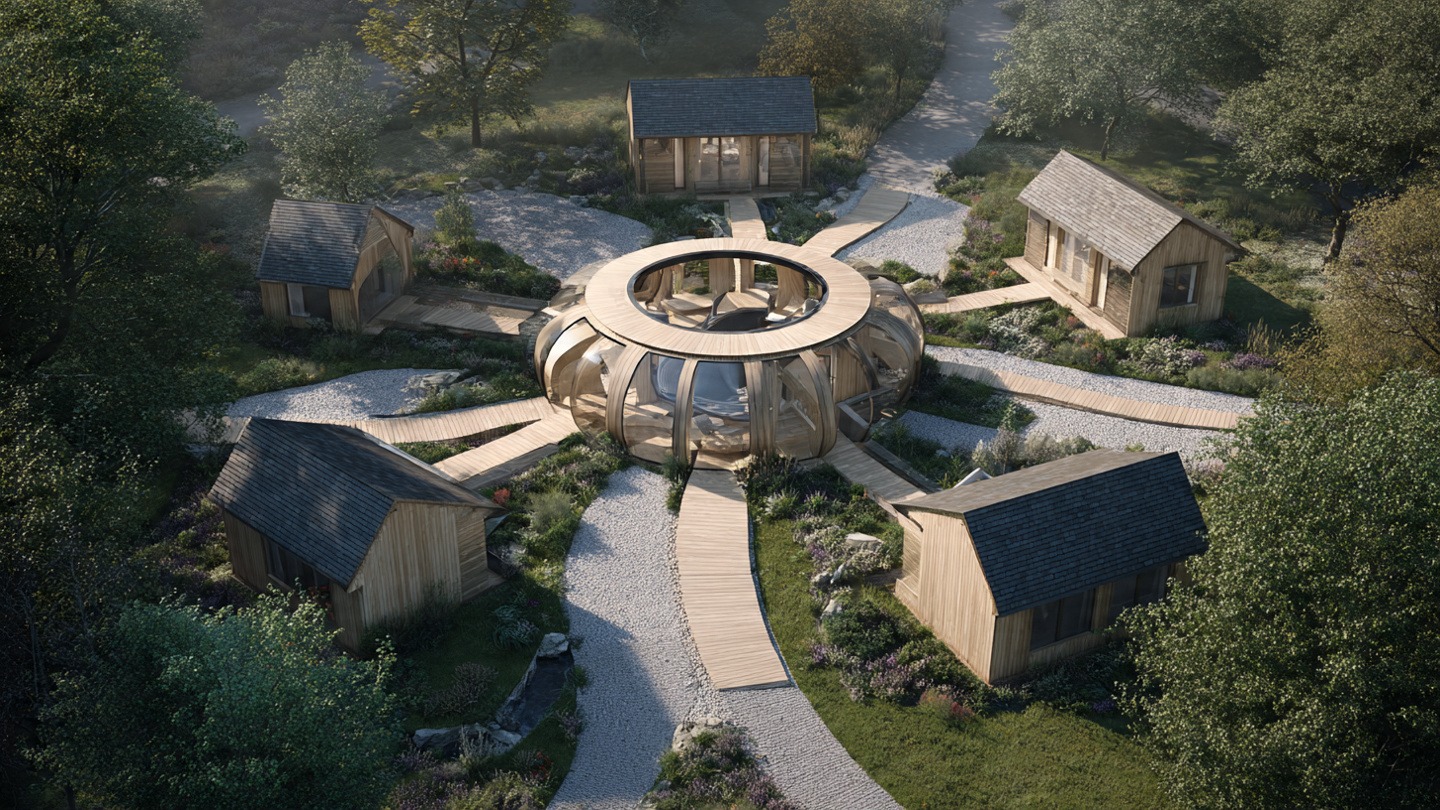
This model features a large, central common house surrounded by several smaller, detached cottages or accessory dwelling units. The common house serves as the social engine, containing the main kitchen and living areas, while the spokes provide absolute privacy. This is ideal for families who value a clear distinction between “family time” and “me time.” The primary advantage is the high level of autonomy; the primary disadvantage is the reliance on a single central point for social interaction, which can feel forced if not managed well.
2. The Courtyard Cluster
Inspired by traditional Mediterranean and Asian architecture, this multi family compound ideas layout involves homes facing inward toward a shared central courtyard. This design prioritizes security and spontaneous sociality. It is a powerful tool for families with young children or aging parents, as it creates a safe, enclosed environment for interaction. While it fosters an incredible sense of community, the trade-off is a reduction in individual privacy, as windows and porches often face one another.
3. The Linear Privacy Row
In this arrangement, homes are spaced out along a path or a shared driveway, often separated by natural buffers. This layout is the gold standard for maximum distance and independence. It mimics a private neighborhood more than a compound. While it minimizes friction and noise complaints, it can inadvertently stifle the “togetherness” that prompted the compound’s creation in the first place, as the physical distance can lead to social isolation.
Zoning for Privacy: Creating Invisible Boundaries
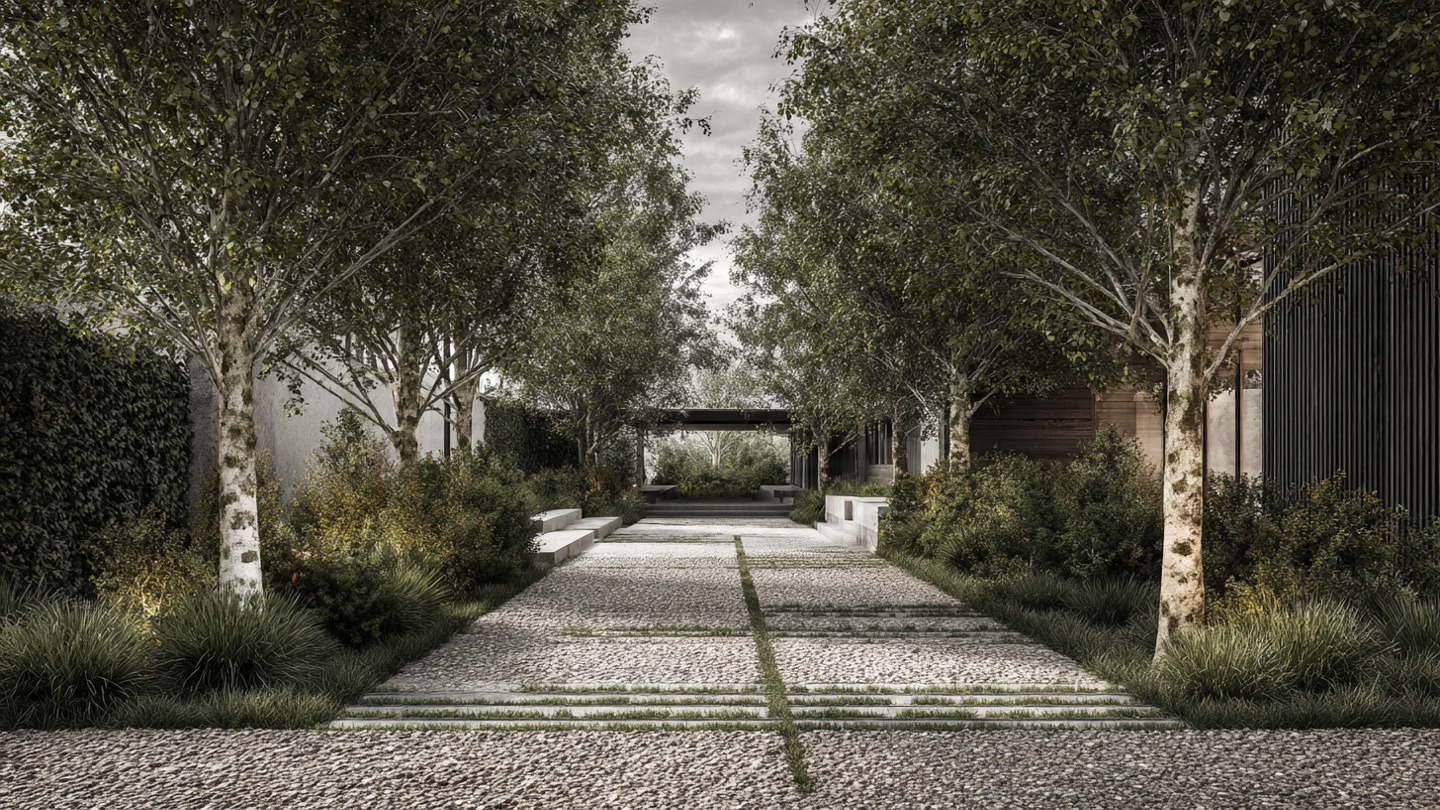
A map shows where buildings go, but a lived experience is defined by how you move between them. To manage the tension between autonomy and togetherness, you must implement “buffer zones.” These are transitional spaces-such as a small garden, a porch, or a walking path-that signal a change in ownership from shared to private territory.
Using landscaping to create these boundaries is more effective than building high walls, which can feel hostile. Strategic planting of hedges or the installation of decorative privacy screens can create a psychological barrier that protects a private patio without cutting off the visual connection to the rest of the compound. These tools allow you to define “my space” versus “our space” without creating a fortress mentality.
Designing the Shared Heart: The Common House

If the individual homes are the lungs of the compound, the common house is the heart. This structure anchors the entire multi family compound ideas layout and serves as the neutral ground where family dynamics are balanced. To avoid the common house becoming a source of stress, it must be designed for high-capacity utility.
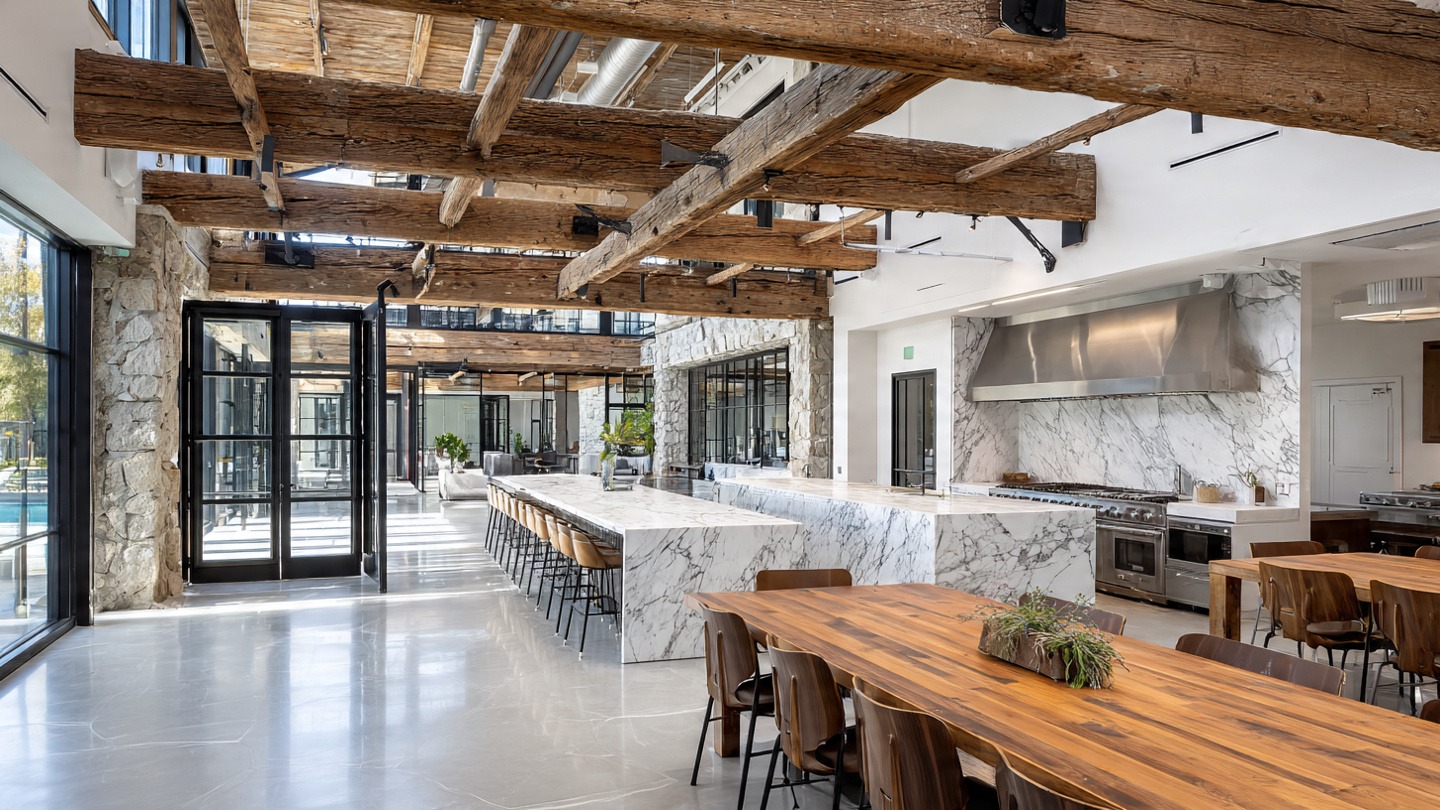
Essential features include an industrial-scale kitchen capable of handling multi-generational meal prep and a large dining hall. Because this is where the most significant bonding occurs, investing in oversized communal dining tables is critical. A table that comfortably seats twelve or more removes the stress of “fitting everyone in” and encourages the inclusive atmosphere necessary for compound living.
Beyond the kitchen, consider shared workshops, a large laundry facility, or a library. By moving these high-utility, high-noise functions into a central hub, you keep the individual living quarters quiet and serene. This spatial separation ensures that the common house is a destination of choice, not a necessity of convenience.
Critical Mistakes to Avoid in Compound Planning
Many families focus so much on the architecture that they forget the logistics. One of the most frequent failures in a multi family compound ideas layout is neglecting parking logistics. In cluster layouts, parking congestion can become a daily point of contention. Always plan for more parking than you think you need, ensuring that guest parking does not block the primary access routes for residents.
Another common pitfall is ignoring sunlight patterns. A home that is shaded by the common house or a neighbor’s cottage will feel gloomy and less desirable, leading to resentment. Furthermore, failing to plan for aging-in-place is a costly mistake. Ensure your communal living site plan includes ADA-accessible paths and that at least one unit features a ground-floor master suite to accommodate elderly family members in the future.
Essential Tools for Visualizing Your Layout
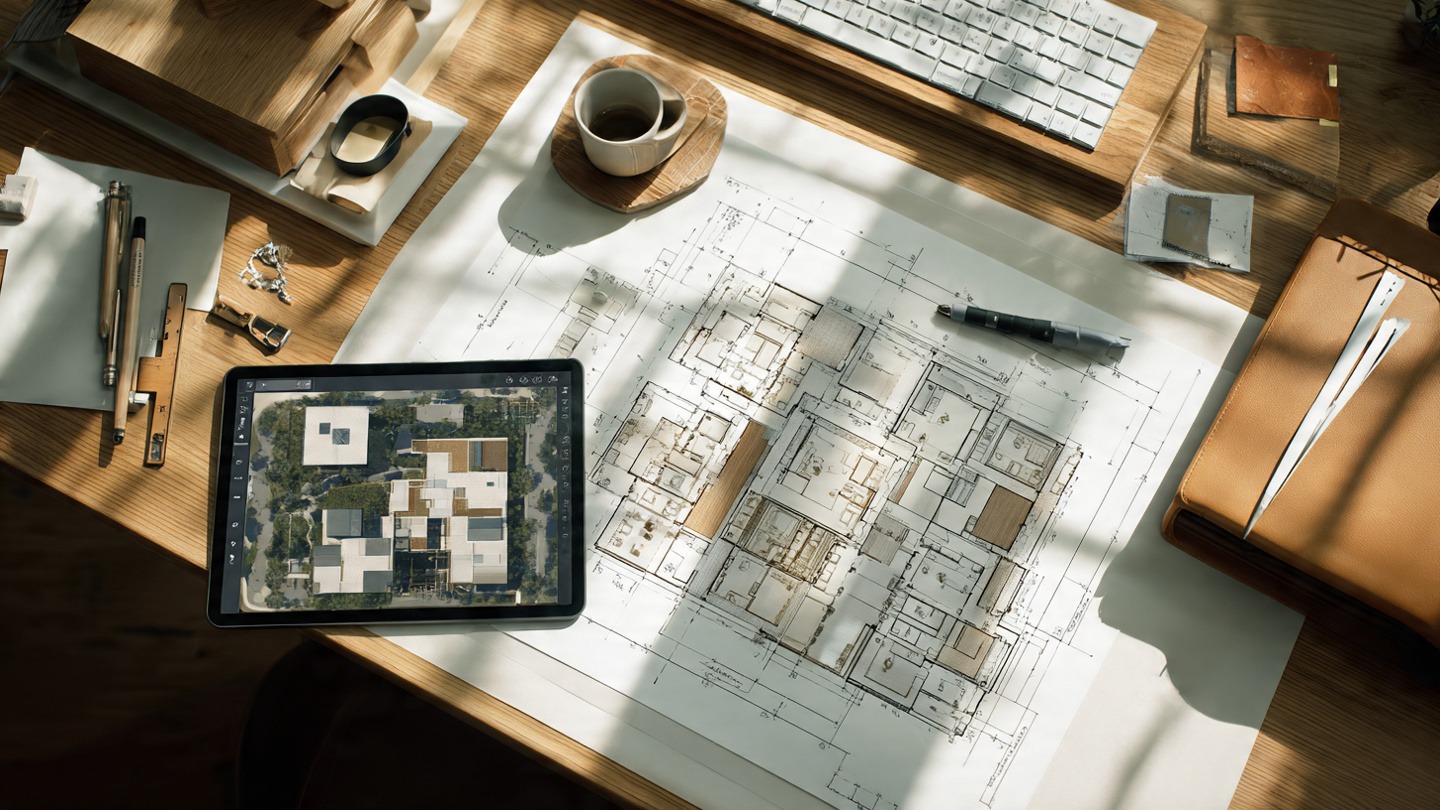
Moving from a concept to a blueprint requires precision. While digital modeling software is helpful, there is immense value in tactile sketching to understand the flow of the land. To begin mapping your multi family compound ideas layout, we recommend using professional scale rulers and graph paper. This allows you to visualize the actual distance between dwellings and ensure your privacy buffers are wide enough to be effective.
FAQ: Multi Family Compound Ideas Layout Questions, Answered
How do we handle zoning laws?
Zoning varies wildly by municipality. Many areas have strict rules regarding accessory dwelling unit placement. Always check your local ordinances for “maximum dwelling units per lot” before finalizing your plans.
How are utility costs shared?
Some families opt for a single master meter and split the bill, while others prefer separate metering for each unit. Separate metering is generally recommended to avoid conflicts over energy usage.
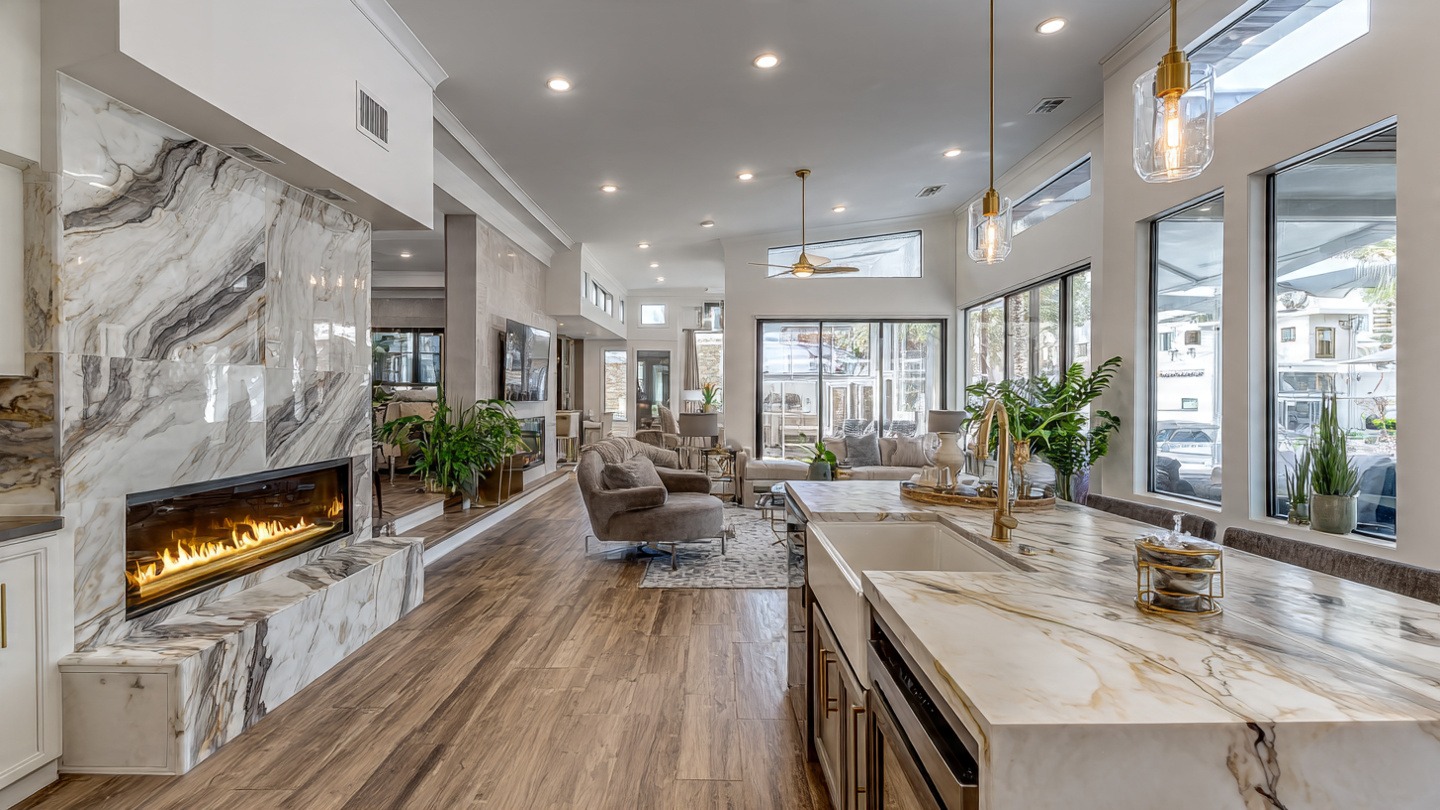
Discover the essential features of luxury mobile homes. From premium finishes to smart layouts, learn how to invest in a Read more
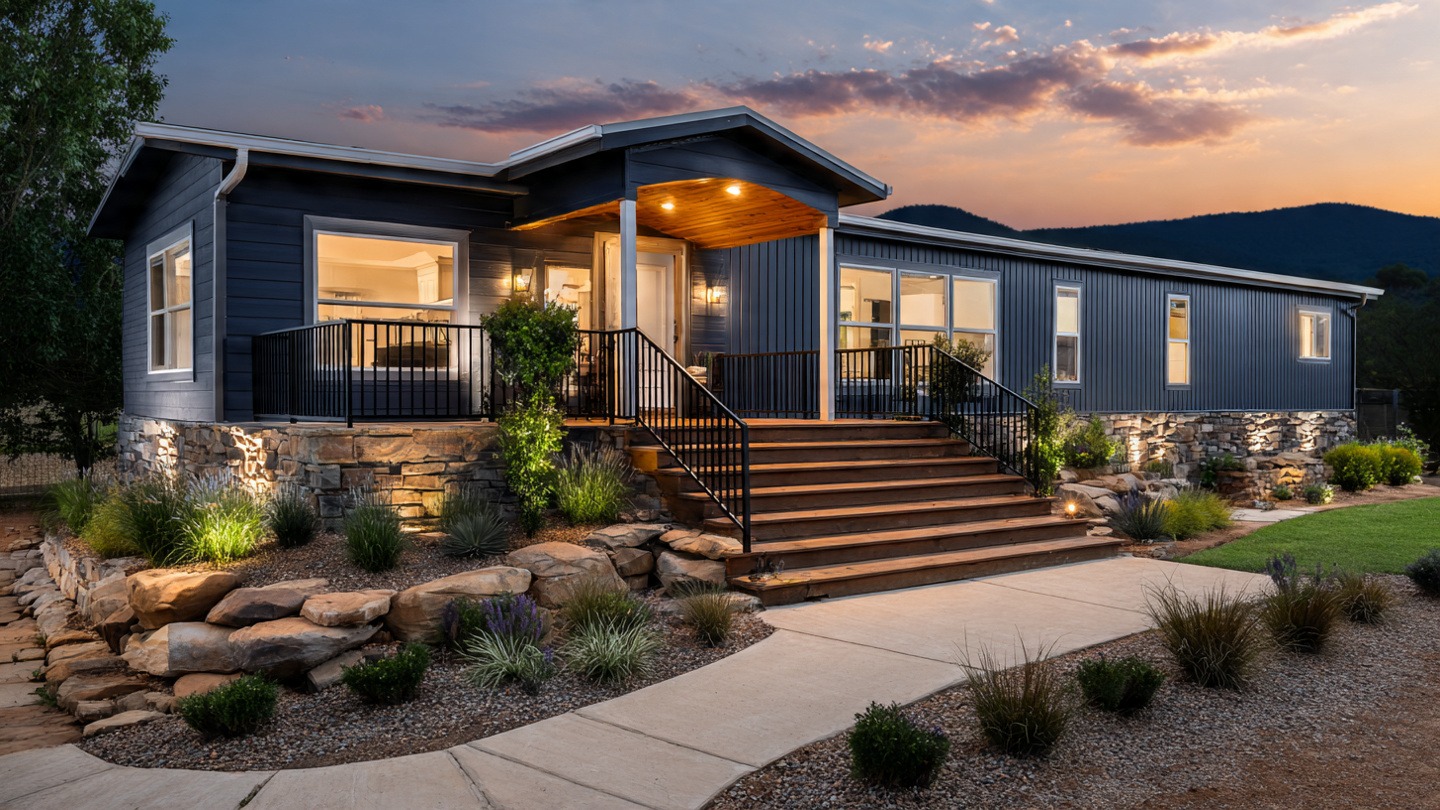
Transform your curb appeal with these proven manufactured home exterior ideas. Discover the best materials, colors, and low-cost upgrades to Read more
Can we have different architectural styles?
Yes, but a cohesive color palette or shared material (like the same stone or roofing) helps the multi family compound ideas layout feel like a unified estate rather than a random collection of buildings.
Building a Legacy of Togetherness
A family compound is more than just a real estate project; it is an investment in your family’s emotional future. The physical structures are important, but the way they are arranged determines the quality of the relationships within them. By prioritizing a multi family compound ideas layout that balances privacy with community, you create a sustainable environment where every generation feels valued.
Before breaking ground, hold a family summit. Discuss boundaries, expectations, and the “right to retreat.” When the layout reflects the actual needs of the people living in it, the compound becomes a sanctuary of support and a lasting legacy of togetherness.