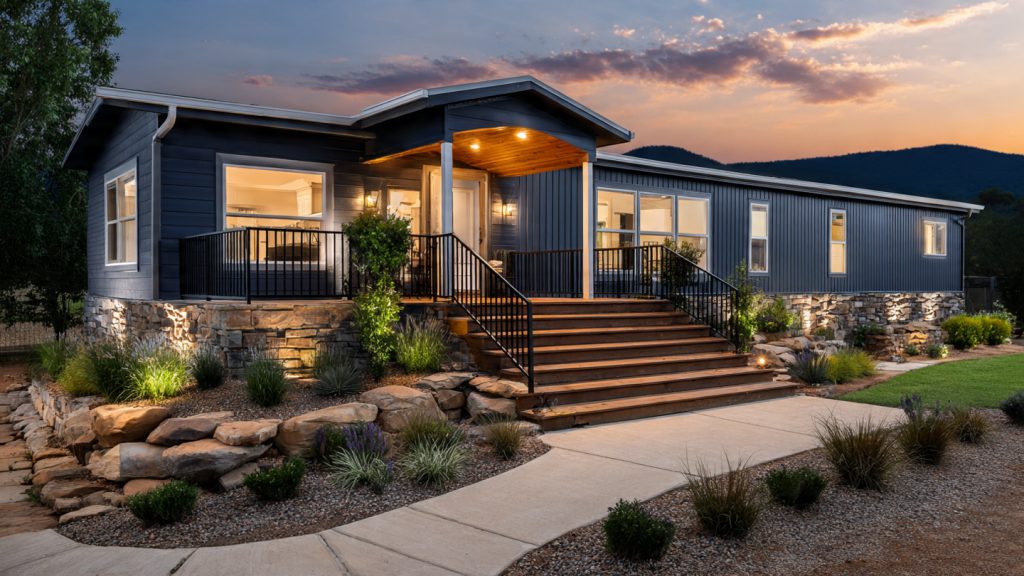


Tiny Homes: Start with the Decisions That Matter Most
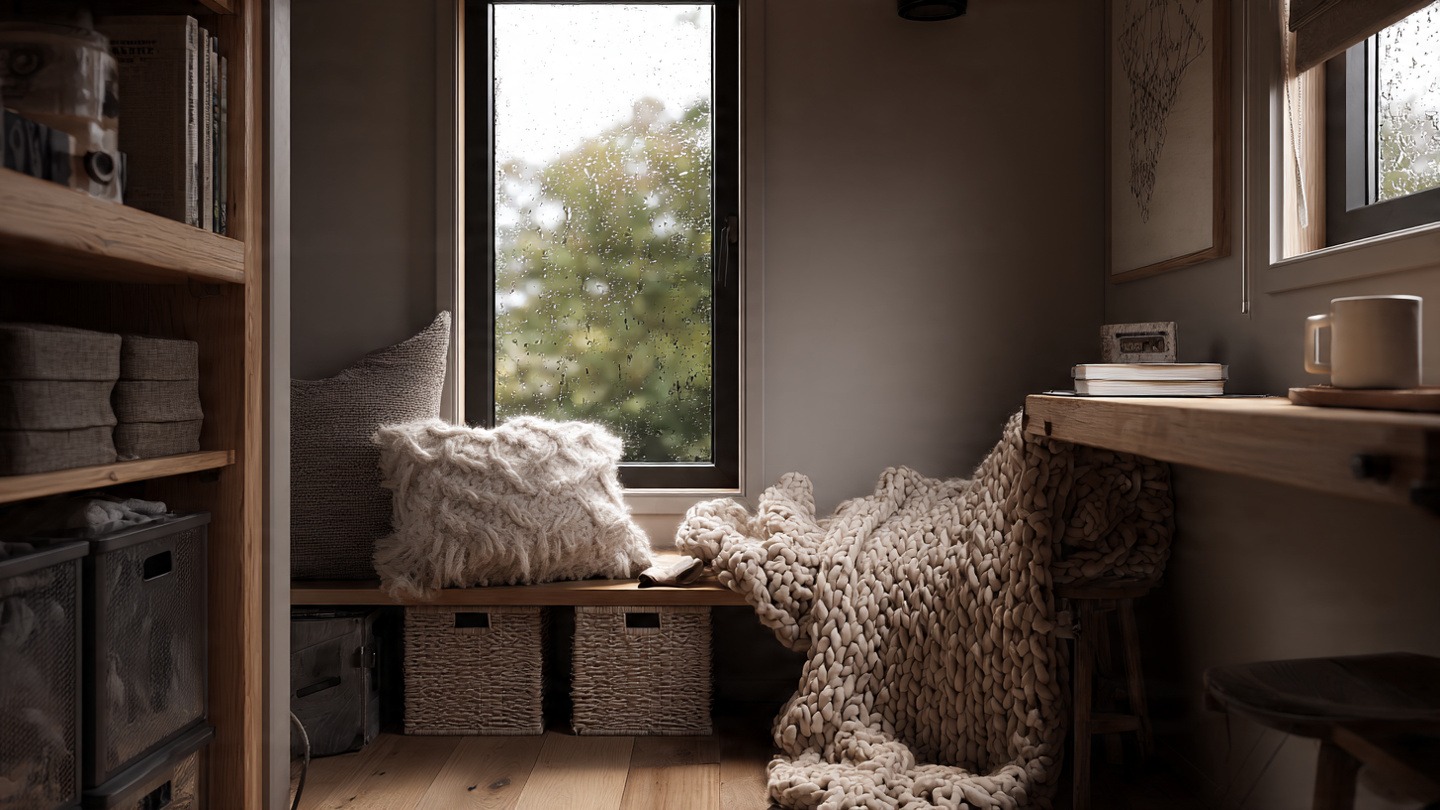
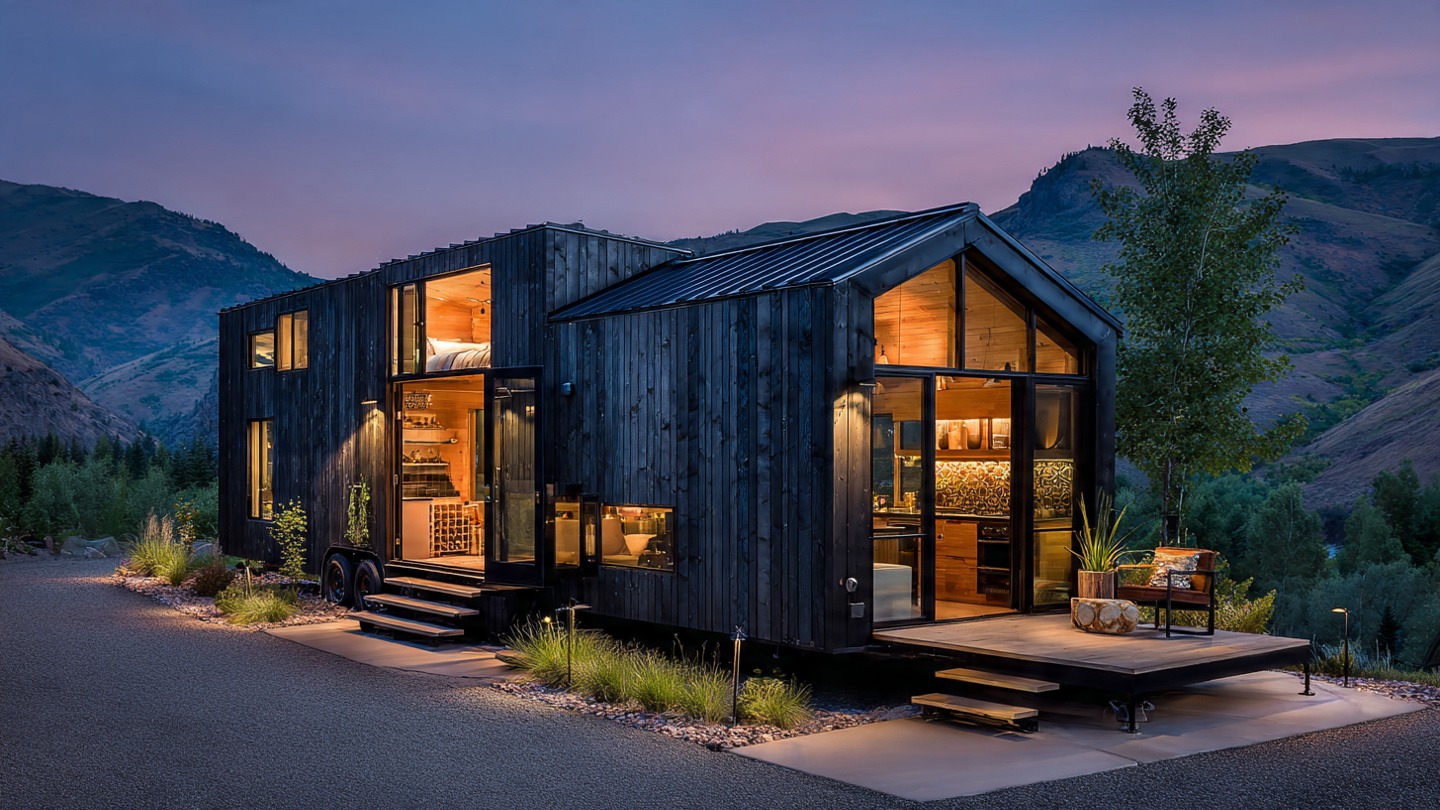
Social media has painted a romanticized picture of the tiny house movement: sun-drenched lofts, perfectly curated succulents, and the blissful silence of a debt-free life. While the visual appeal is undeniable, the actual experience of living in tiny homes is less about the aesthetic and more about a fundamental shift in lifestyle. The true draw is not just a smaller mortgage, but the pursuit of financial freedom, a reduced environmental footprint, and a commitment to intentionality.
However, transitioning to a small footprint requires more than just a love for minimalism. It requires a pragmatic approach to logistics and a willingness to confront the friction points of restricted space. This guide serves as a realistic blueprint, moving past the “pretty pictures” to provide a roadmap for those ready to navigate the legal and psychological challenges of downsizing.
The Critical Logistics: Zoning and Legality
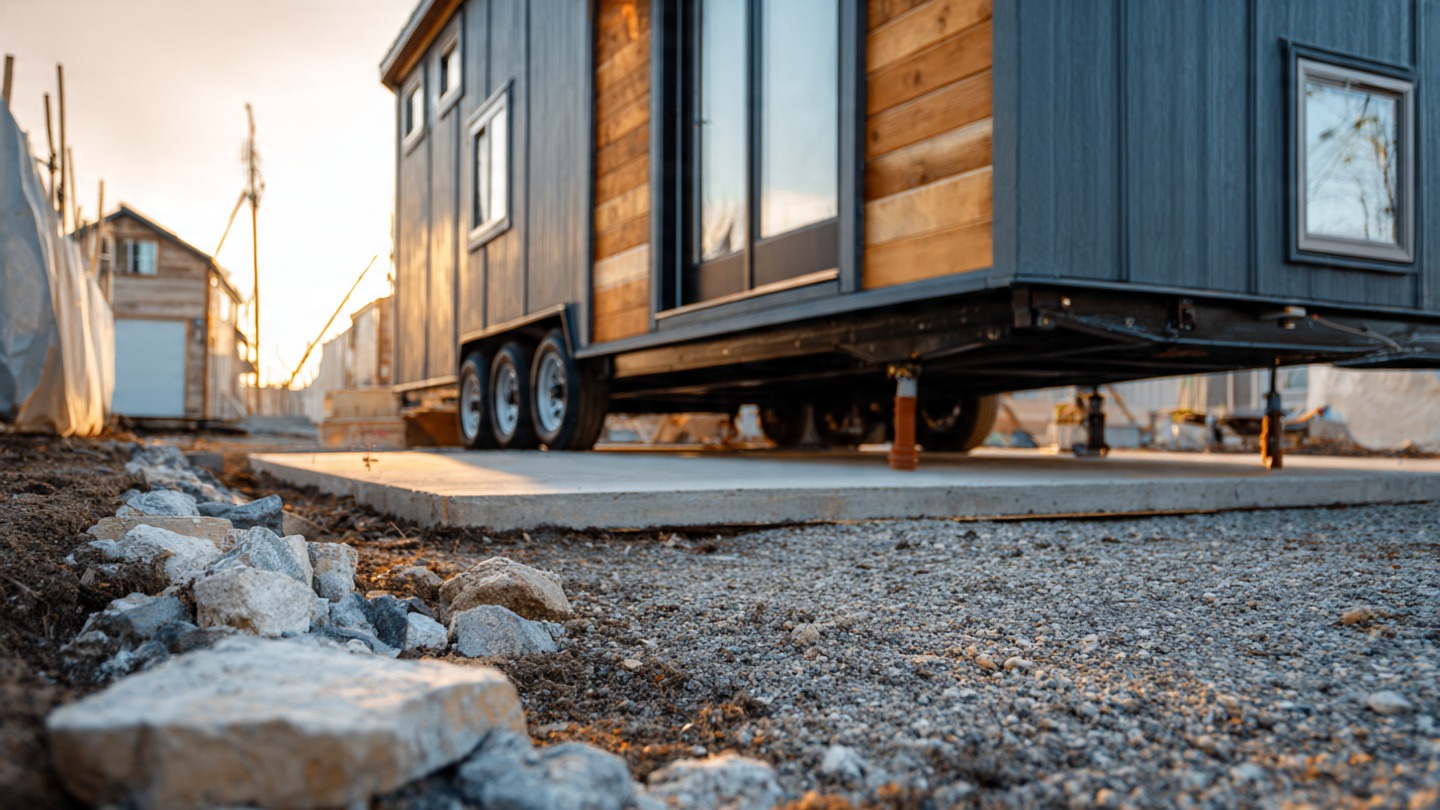
The biggest hurdle for most aspiring owners is not the build, but the location. Before you buy a trailer or pour a slab, you must understand tiny home zoning laws, which vary wildly by municipality. In many cities, traditional residential zoning requires a minimum square footage for a primary dwelling, making many tiny homes technically illegal as permanent residences.
Generally, you will choose between two paths: Tiny Houses on Wheels (THOWs) and foundation-based tiny homes. THOWs are often classified as recreational vehicles (RVs). While this provides mobility, it also means you may be restricted to RV parks or specific short-term rentals. Foundation-based homes are treated as traditional real estate, which allows for easier financing but subjects you to stricter building codes and permanent land taxes.
To find a legal spot, look for “accessory dwelling unit” (ADU) laws in your area. Many cities now allow a small secondary home in the backyard of a primary residence. Alternatively, seek out dedicated tiny home communities where the infrastructure for water, power, and waste is already established and legal. Always verify the local ordinances regarding “minimum habitable square footage” before investing in a plot of land.
Designing for Flow in a Restricted Footprint
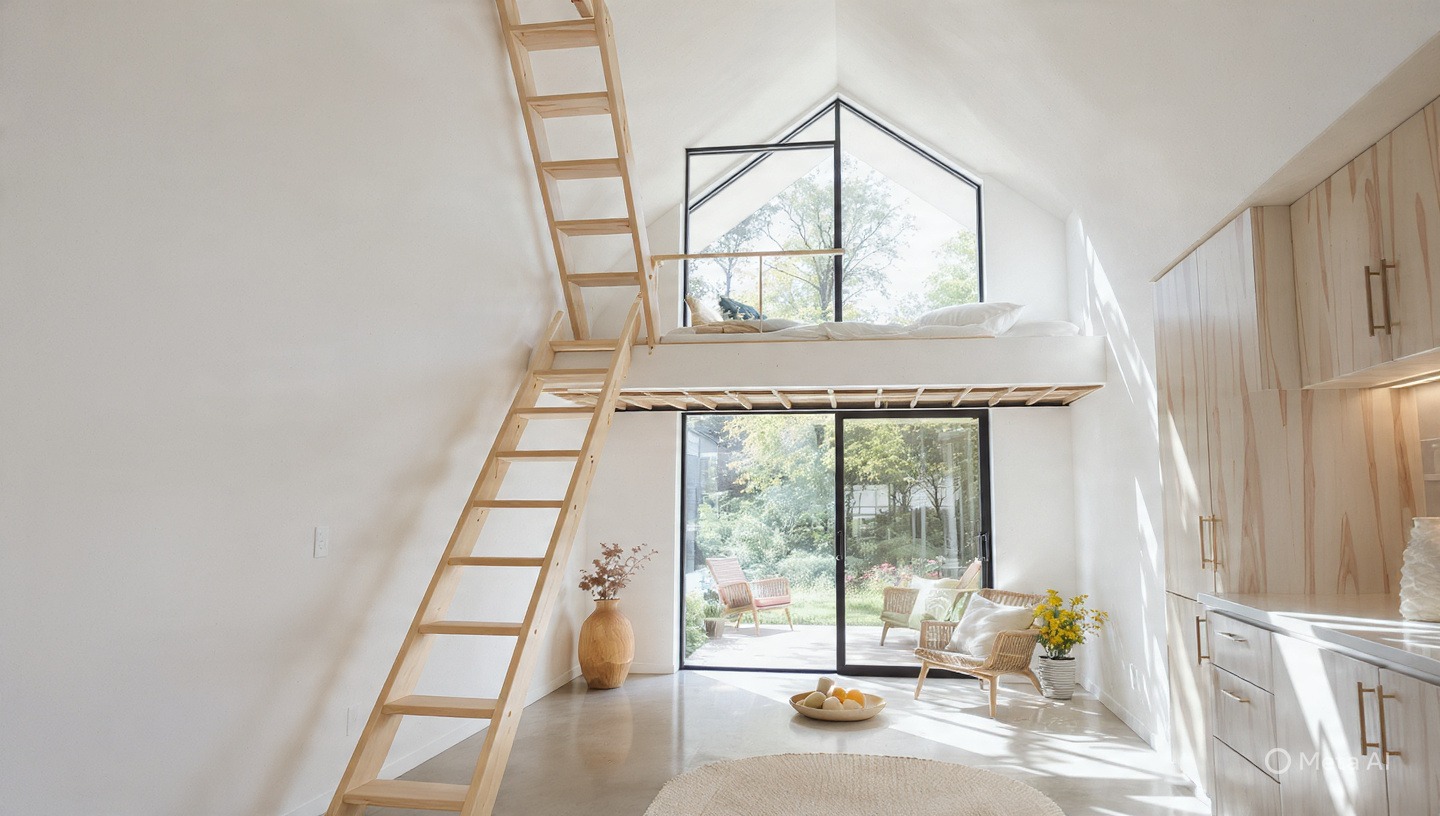
Designing tiny homes requires a shift from thinking about rooms to thinking about zones. In a small space, the psychology of flow is everything. If you have to move three things to get to your coffee maker, you will eventually resent your home. The goal is to maximize vertical living and ensure that every square inch serves a dual purpose.
Natural light is your greatest tool in fighting the “closed-in” feeling. Oversized windows and skylights blur the line between the interior and the outdoors, tricking the brain into perceiving more space. When it comes to furniture, avoid bulky pieces. Instead, opt for multipurpose solutions. For example, instead of a permanent dining table that blocks a walkway, consider space-saving foldable surfaces that can be tucked away when not in use.
Avoid the common mistake of filling every corner with “cute” storage. Empty space is a luxury in a tiny home; leaving a few walls bare prevents the environment from feeling cluttered and overwhelming. Focus on tiny house floor plans that prioritize a central open area, pushing the utility zones (kitchen and bath) to the perimeter.
The Art of Tiny Home Storage
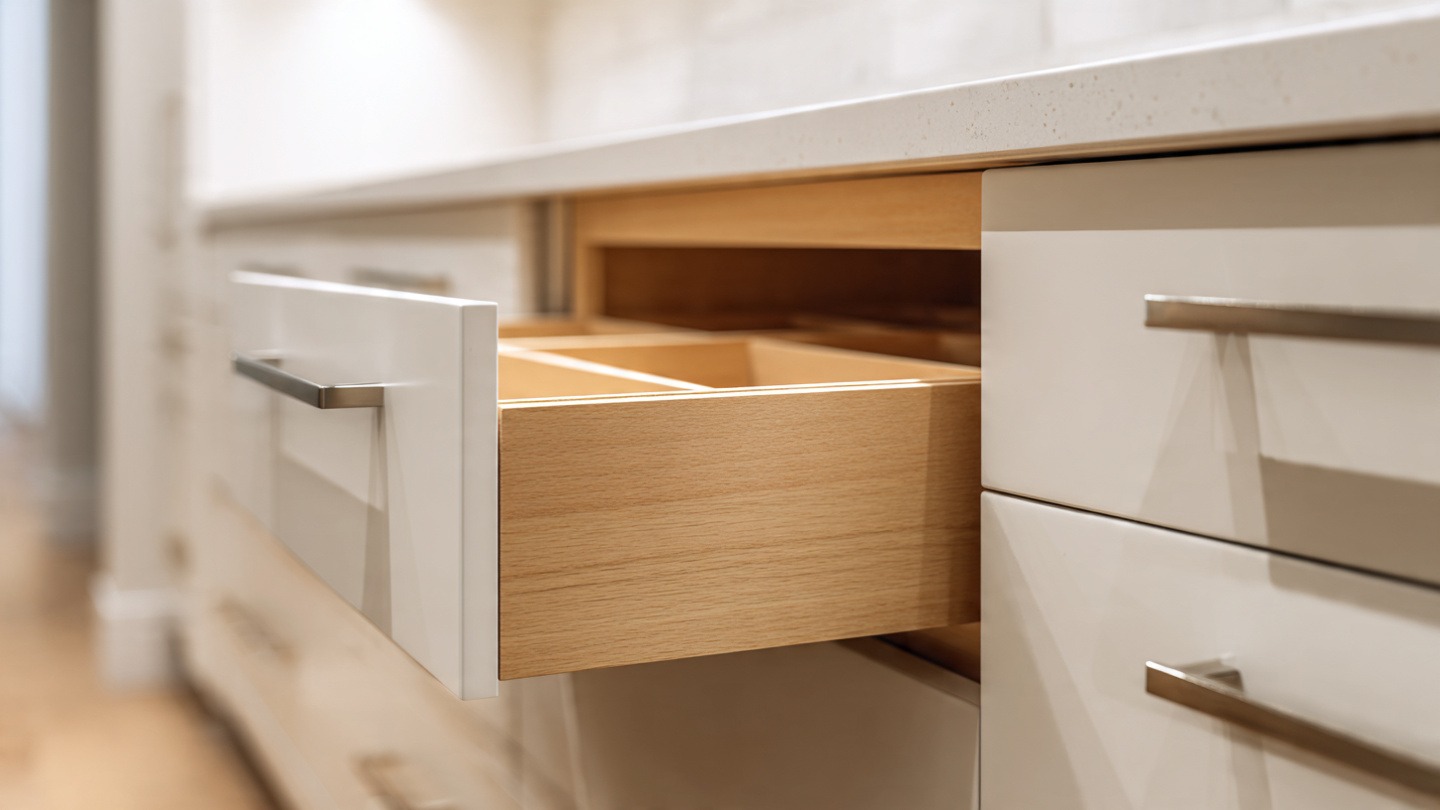
Storage in a small home is an exercise in engineering. To maintain minimalist living, you must utilize the spaces that are usually wasted. Toe-kick drawers under kitchen cabinets and overhead shelving above door frames provide critical storage for items you rarely use. Hidden compartments, such as drawers built into the stairs leading to a loft, are essential for keeping the main living area clear.
The most important rule for long-term success is the “one-in, one-out” policy. For every new item brought into the house, one must leave. For seasonal items, such as winter coats or heavy blankets, traditional closets are rarely sufficient. Utilizing vacuum-seal storage solutions allows you to compress bulky fabrics, saving precious cubic inches in your overhead bins.
Common Mistakes New Tiny Home Owners Make
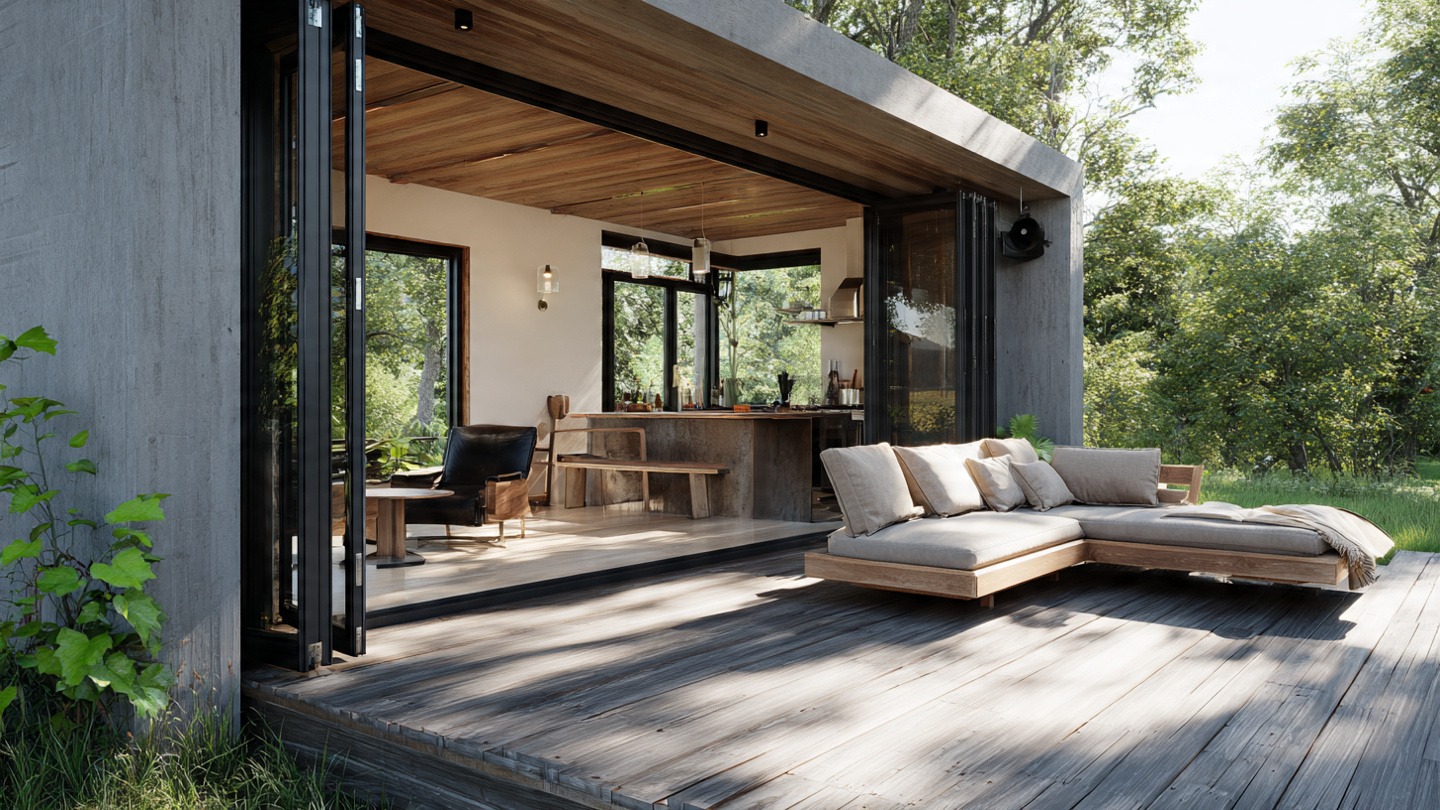
Many first-time owners focus so much on the interior that they forget the exterior. One of the most frequent regrets is underestimating the need for outdoor living space. When your indoor area is limited, your deck or patio becomes your actual living room. Without a functional outdoor extension, you may feel trapped during the warmer months.
Another critical oversight is ventilation and humidity. In tiny homes, moisture from cooking, showering, and breathing builds up rapidly. Without a high-quality HRV (Heat Recovery Ventilator) or a powerful exhaust system, you risk mold growth and poor air quality. This is a structural issue that can ruin a home in a matter of years.
Finally, beware of “aesthetic ergonomics.” A beautiful library ladder might look great in a photo, but if it is too steep or uncomfortable to climb ten times a day, it becomes a daily frustration. Prioritize the physical ease of movement over the visual trend.
Essential Gear for the Minimalist Home
To make small space organization work, you need tools that punch above their weight class. High-utility items should be compact, energy-efficient, and multi-functional. For example, induction cooktops are superior to gas in tiny spaces because they generate less ambient heat and can be covered with a cutting board when not in use.
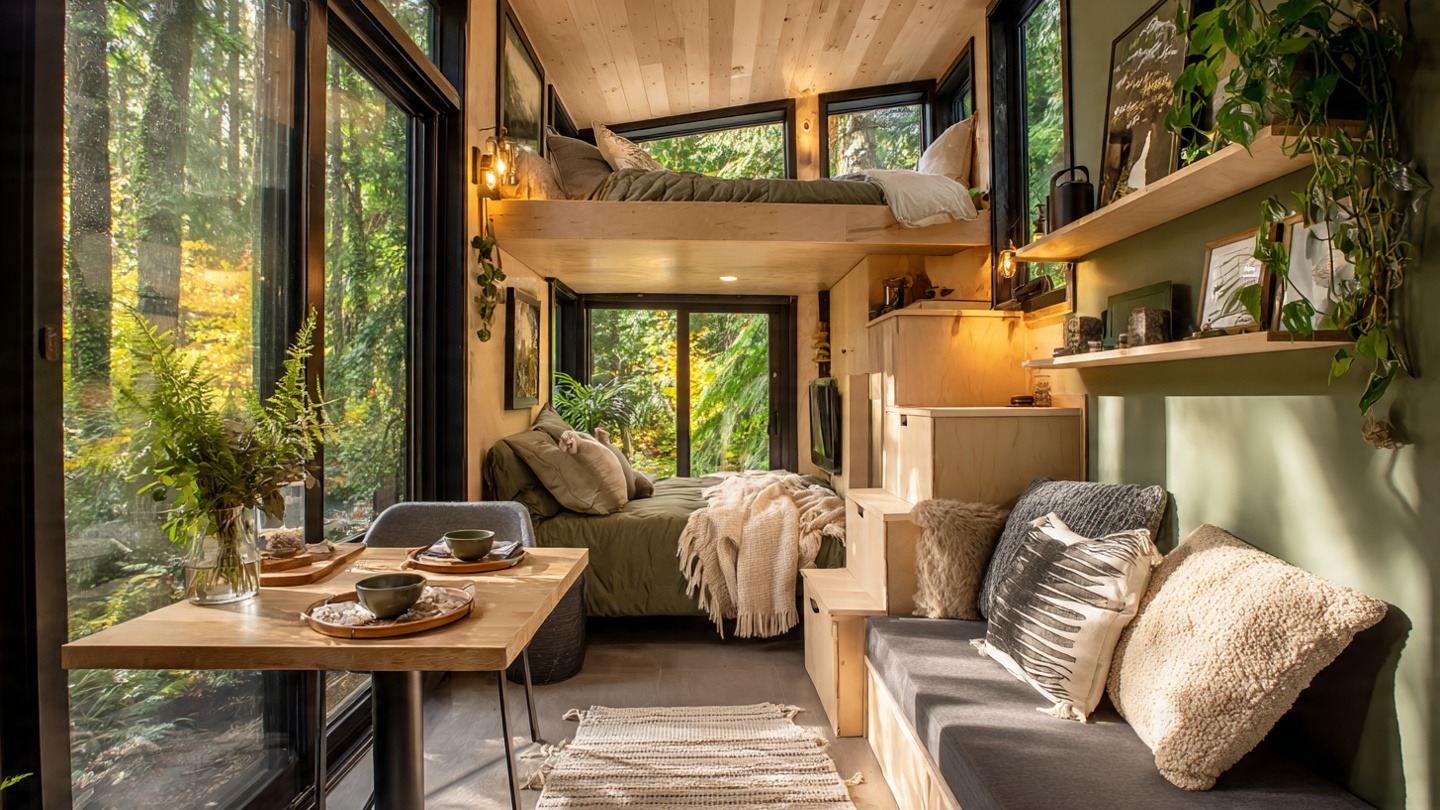
Explore the raw truth about tiny house living. From space-saving hacks to legal hurdles, learn how to downsize your life Read more
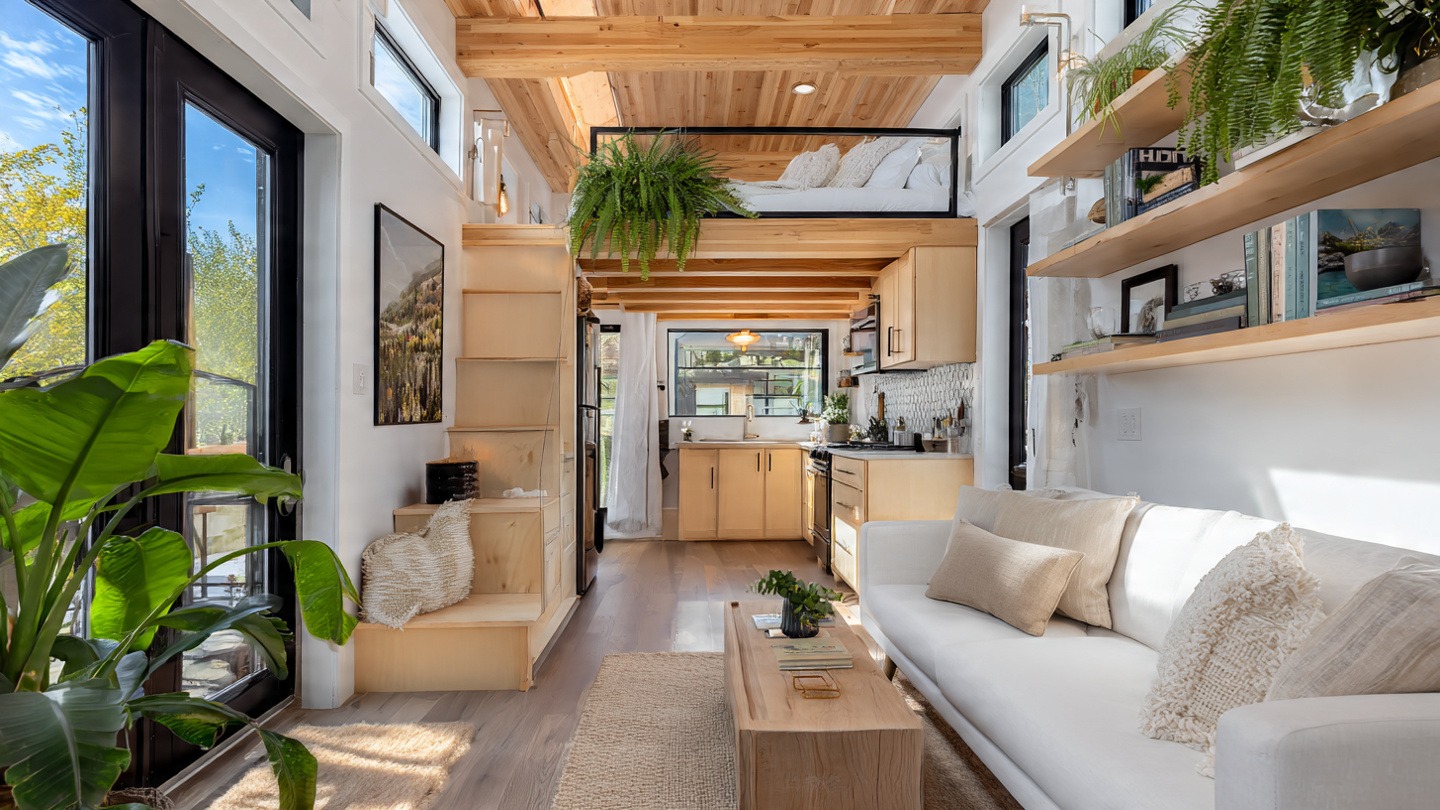
Discover clever tiny house ideas that blend style with function. From hidden storage to multi-use furniture, learn how to live Read more
Discover if tiny houses fit your lifestyle. From zoning laws to space-saving decor, get the honest truth about downsizing and Read more
Lighting is another key factor; avoid floor lamps that take up precious real estate. Instead, use LED strip lighting or wall-mounted sconces to keep the floor clear. Because air volume is so low in these structures, pollutants and allergens concentrate quickly. Integrating compact air filtration systems is a high-value investment to maintain a healthy living environment.
- DIY: Lower material cost, high sweat equity, total customization. Risk: Potential for building errors and zoning non-compliance.
- Pre-built: Higher upfront cost, professional certification, immediate move-in. Risk: Less flexibility in layout and higher premium price.
Quick Answers About Tiny Homes

How do you handle plumbing? Most use a combination of a standard RV hookup, a composting toilet to save water, and a greywater system for sinks and showers.
How do you heat a tiny home in winter? Mini-split heat pumps are the gold standard for efficiency, though some owners use small propane heaters or electric radiators for supplemental warmth.
Can you get a mortgage for one? It is difficult. Traditional mortgages usually require a permanent foundation. Most owners use personal loans, RV loans, or cash.
Defining Your Own Version of Small
Ultimately, tiny homes are not a one-size-fits-all solution. For some, it is a permanent lifestyle; for others, it is a stepping stone to financial independence. The key is to avoid jumping in blindly based on an Instagram feed. Before committing to a build or a purchase, spend a week in a tiny rental via Airbnb. Experience the friction, the cramped corners, and the simplicity. If you still love it after seven days of reality, you are ready to start your journey toward a smaller, more intentional life.