
{
“article_content”: “
Rethinking Tiny House Ideas for Real Homes
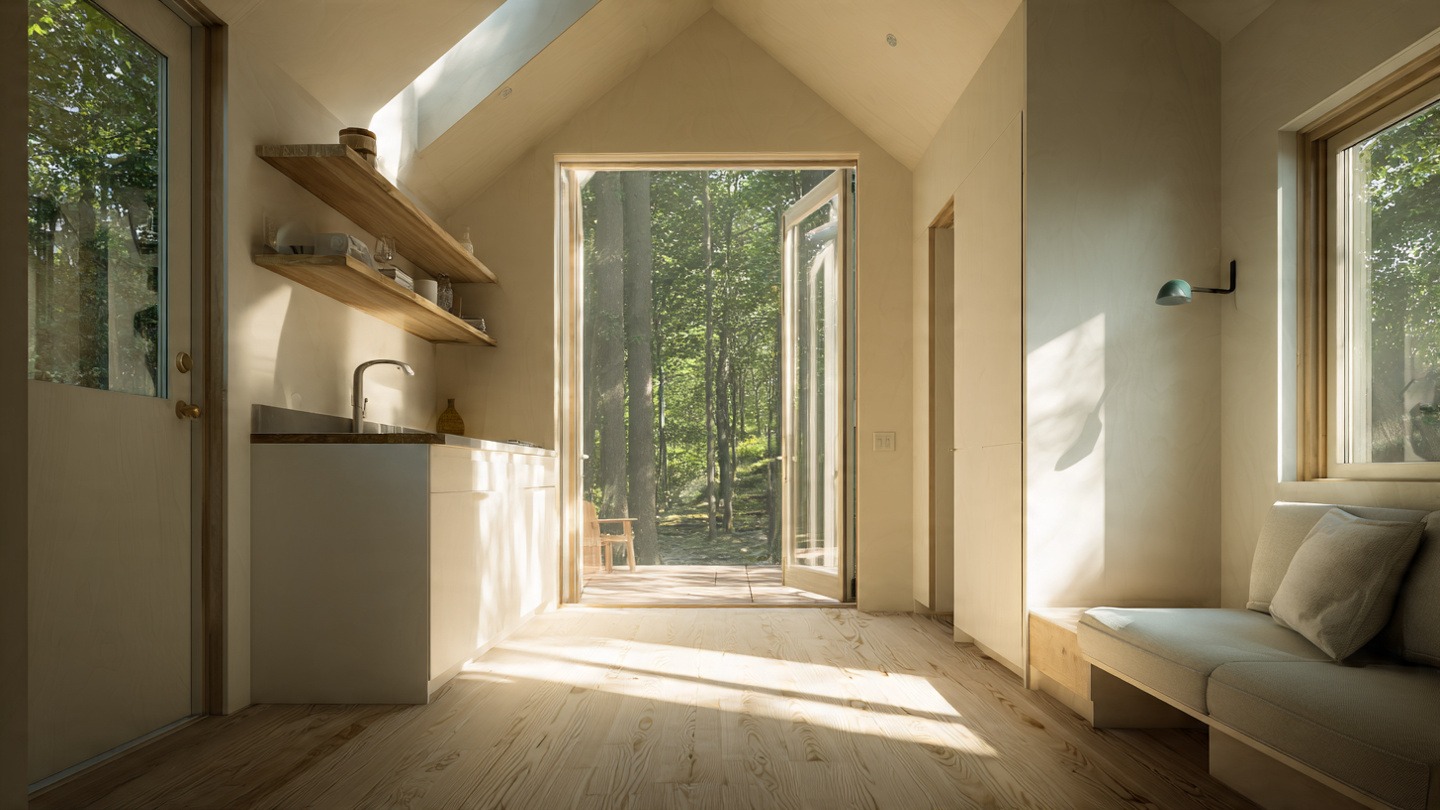
Transitioning to a compact lifestyle is more than just a move; it is a psychological shift. When you first encounter various tiny house ideas, it is easy to be seduced by the aesthetic of minimalism. However, the real challenge lies in the transition from a sprawling home to a curated space. The secret to successful small space living hacks is finding the perfect equilibrium between utility and beauty.
A tiny home should not feel like a compromise; it should feel like an optimization. By treating your floor plan as a puzzle to be solved, you can ensure that every square inch serves a purpose. In this guide, we will explore a room-by-room approach to tiny house ideas that prioritize your daily flow, ensuring you never feel restricted by your four walls.
Vertical Thinking: Utilizing Your Walls and Ceilings
When floor space is at a premium, the only way to grow is up. Many homeowners make the mistake of focusing solely on the ground level, leaving the upper third of their walls completely vacant. To maximize your tiny home interior design, you must embrace verticality. This means shifting your perspective from “where can I put this cabinet?” to “how can I use this wall?”
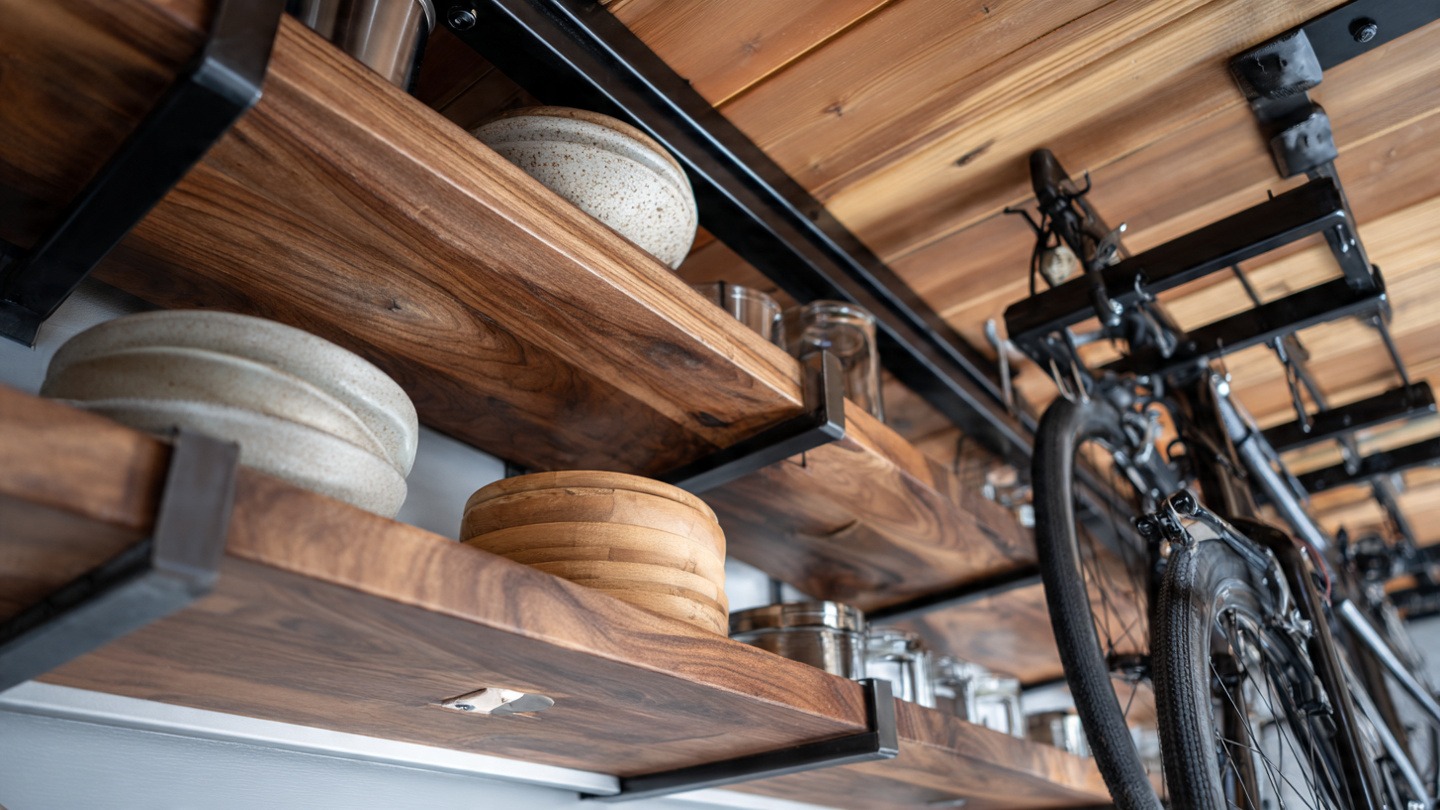
Floating elements are the gold standard for maintaining an airy feel. By lifting storage off the floor, you create an unobstructed visual path, which tricks the brain into perceiving the room as larger. For those looking to organize books, plants, or kitchen spices without taking up valuable counter space, installing sturdy floating shelves is a game-changer. These allow you to keep essentials within reach while keeping the walkways clear.
Beyond shelving, consider ceiling-mounted racks for pots and pans in the kitchen or hanging bike racks in the entryway. Tall cabinetry that reaches the ceiling is another powerful strategy. Use the highest shelves for seasonal items, such as winter coats or holiday decorations, which you only need to access a few times a year. This approach ensures that your most-used items remain in the “golden zone” (between shoulder and hip height) while the periphery of the room handles the bulk storage.
Pro-Tip for Decluttering: Before you buy a single shelf, perform a “reverse purge.” Instead of deciding what to throw away, decide what is absolutely essential for your daily survival and joy. Everything else should be evaluated based on whether it earns its place in your limited vertical real estate.
The Multi-Purpose Living Zone
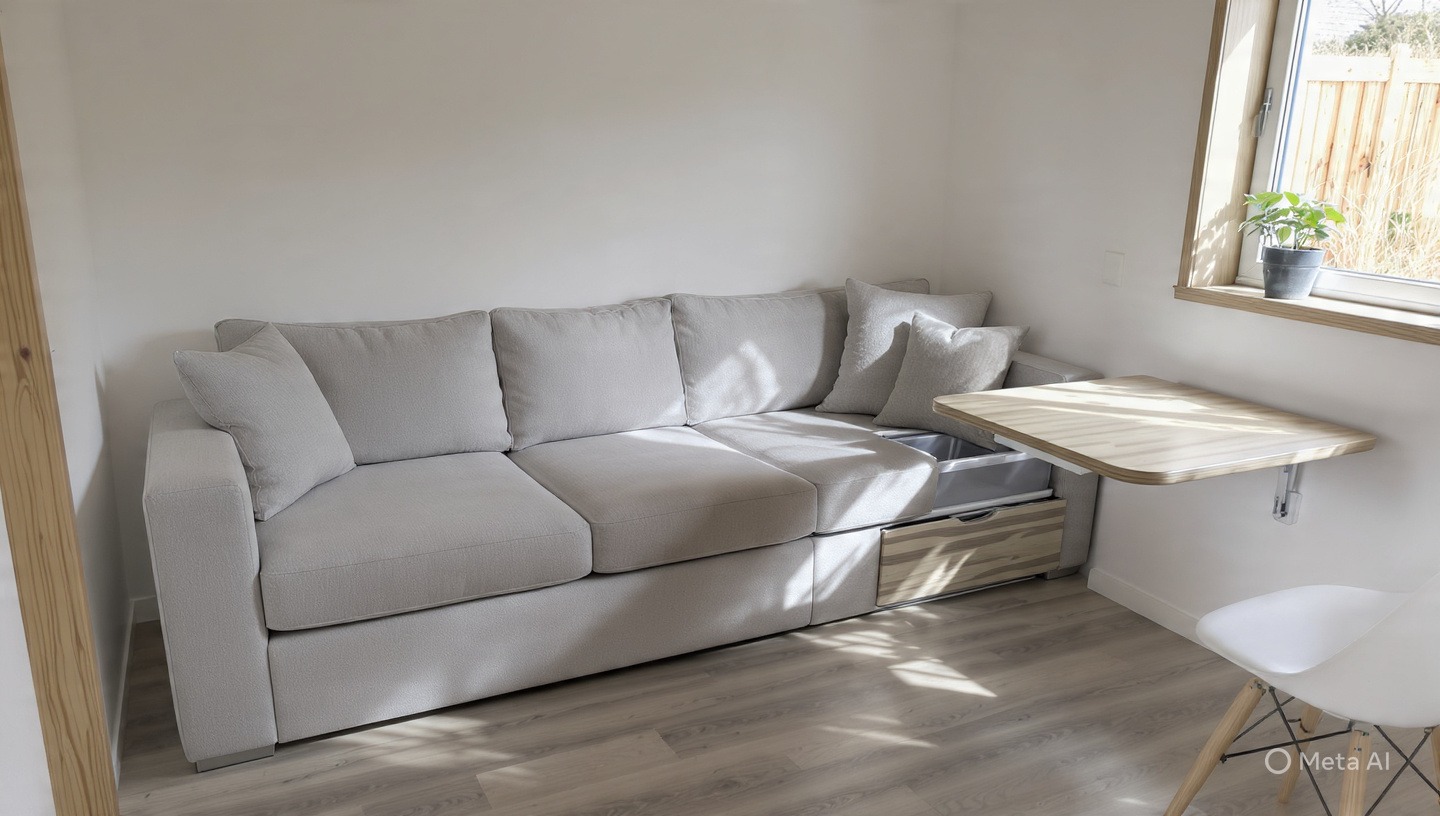
In a traditional home, rooms have singular identities: the office is for work, and the lounge is for relaxation. In a tiny home, this luxury disappears. The most effective tiny house ideas for the main area involve the “transformer” approach, where a single zone adapts to your needs throughout the day.
The goal is to create a space that can shift from a professional workspace at 9:00 AM to a dining area at 6:00 PM and a cozy lounge at 9:00 PM. This is where multifunctional furniture becomes your best friend. Consider a sofa with built-in storage beneath the cushions or a coffee table that lifts to become a full-height desk. To solve the struggle of working from home without a dedicated room, a space-saving wall desk is an ideal solution. It provides a stable surface for your laptop during the day and folds completely flat against the wall when it is time to unwind.
To prevent the living zone from feeling cluttered, implement a strict “one-in, one-out” rule. If you bring in a new piece of decor or a new gadget, something else must leave the house. This prevents the slow creep of clutter that can quickly make a small living area feel suffocating. Remember, the beauty of a multi-purpose zone is its flexibility; do not anchor it down with oversized, heavy furniture that cannot be easily moved or adapted.
Kitchen Efficiency and Hidden Utilities
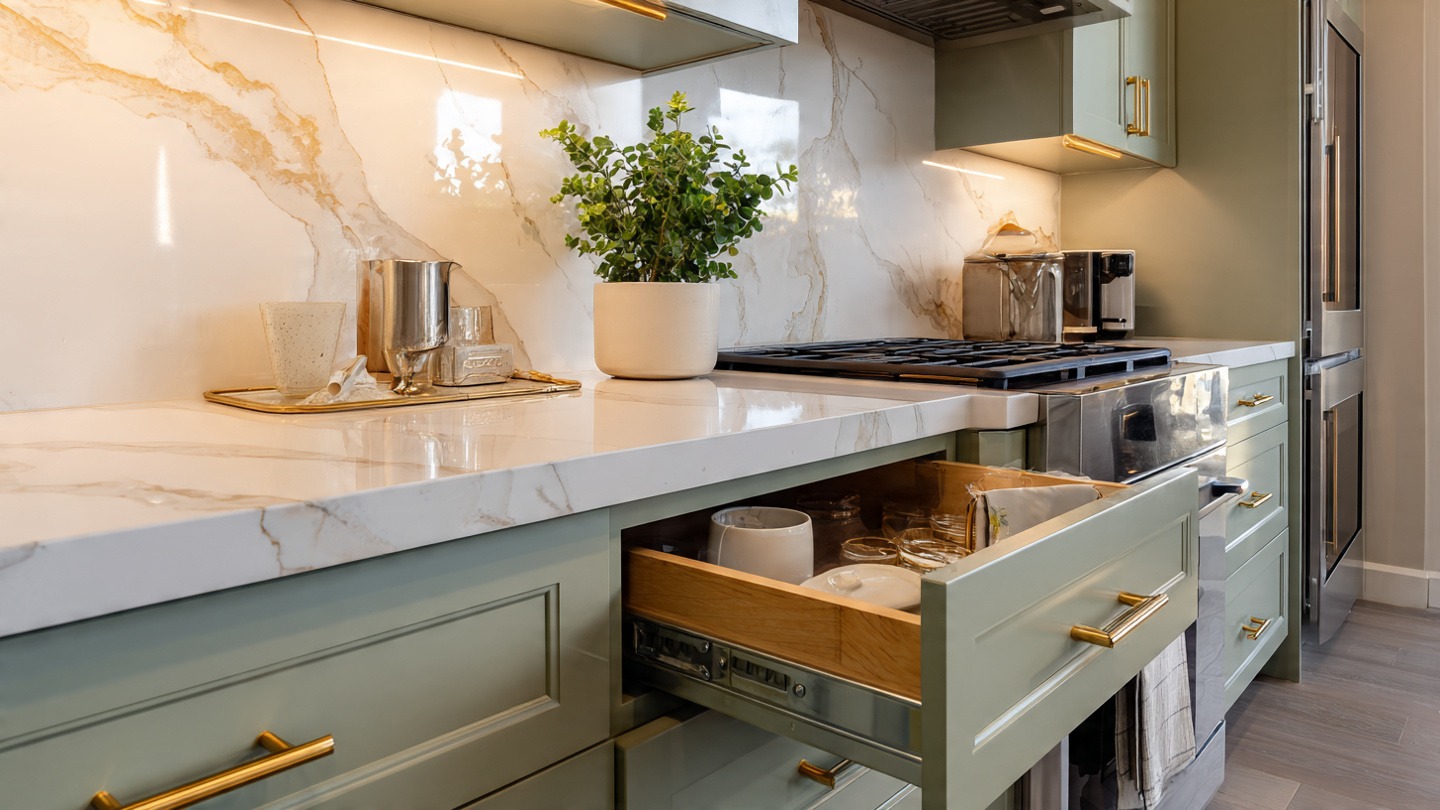
The kitchen is often the most challenging area to optimize because it requires the most hardware. When researching tiny house ideas for the kitchen, focus on “hidden utilities” and integrated solutions. The objective is to maximize the work surface while minimizing the visual noise of appliances.
Under-counter drawers and pull-out pantries are essential for utilizing deep corners that would otherwise become “dead zones.” Instead of a wide, swinging pantry door, a slim pull-out rack allows you to see every spice jar and can without digging through a dark cupboard. For those struggling with limited prep space, an over-the-sink cutting board is a classic tiny house storage solution. It effectively turns your sink into additional counter space, allowing you to chop vegetables and prep meals without feeling cramped.
Integrated appliances, such as a two-burner induction cooktop or a convection microwave, reduce the footprint of your kitchen. If possible, choose appliances that serve dual purposes. A dishwasher drawer, for example, takes up half the space of a full unit but provides the same utility for a small household. By streamlining the kitchen, you remove the stress of meal prep and turn the heart of the home into a model of efficiency.
Creating a Sanctuary in the Sleeping Loft
Sleeping lofts are a staple of tiny house ideas, but they come with their own set of puzzles: lack of headroom, poor ventilation, and zero space for furniture. To turn a loft from a “crawl space” into a sanctuary, you must prioritize comfort and accessibility.
Since there is no room for traditional nightstands, you need alternative ways to keep your phone, glasses, and water within reach. A bedside storage caddy that slips under the mattress is the perfect solution. For lighting, avoid bulky lamps; instead, use wall-mounted sconces or LED strip lighting to create a soft, ambient glow without taking up surface area.
Ventilation is another critical factor, as heat rises. Installing a small ceiling fan or placing a window strategically near the loft area will prevent the space from becoming stuffy. By focusing on these small details, the loft becomes a cozy retreat rather than a cramped afterthought.
Visual Tricks to Make a Tiny Home Feel Huge
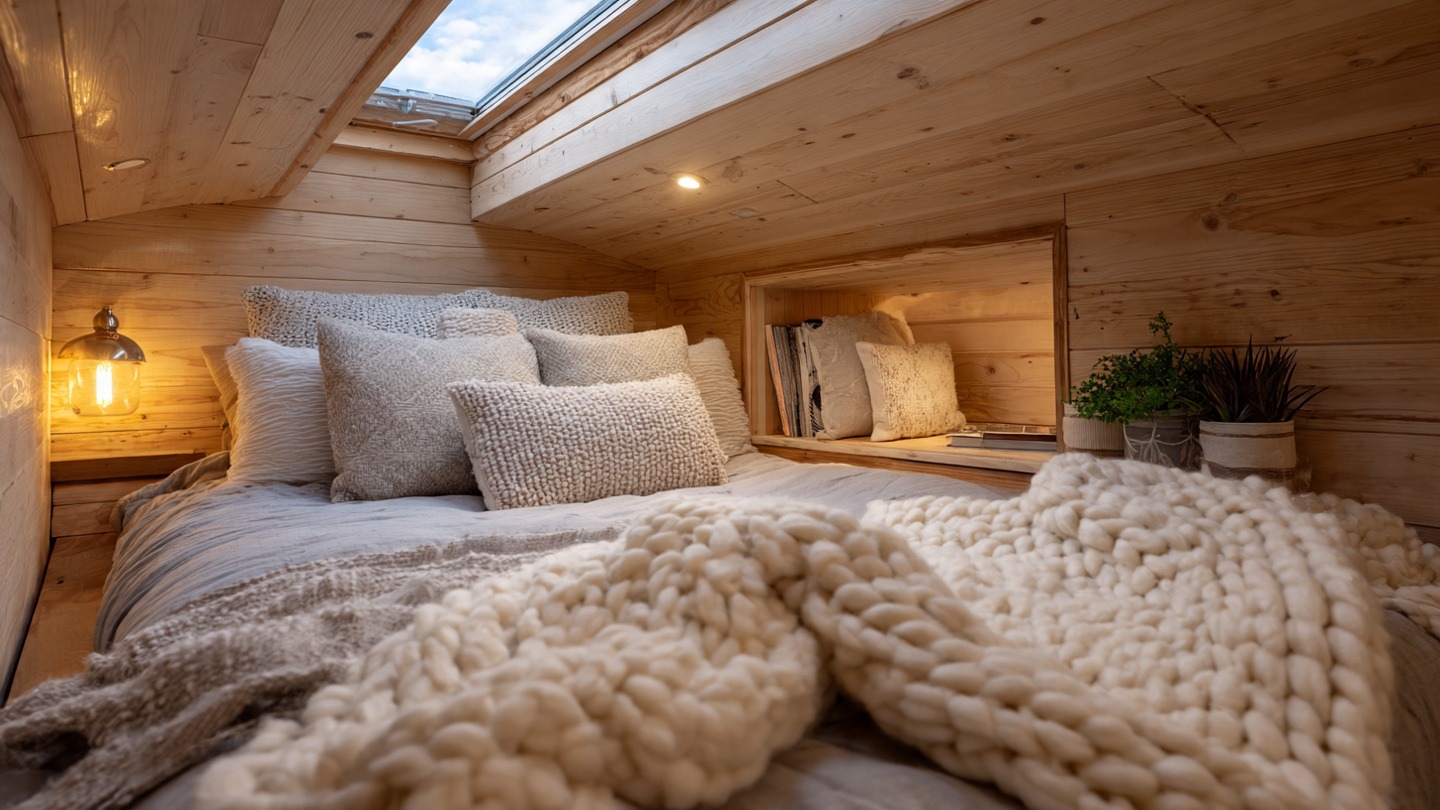
Interior design is as much about perception as it is about physical space. To make your tiny house ideas truly work, you need to employ visual tricks that expand the boundaries of the room. The most powerful tool in your arsenal is your color palette. Light, neutral tones like soft whites, pale greys, and beiges reflect light more effectively, making walls feel like they are pushing outward.
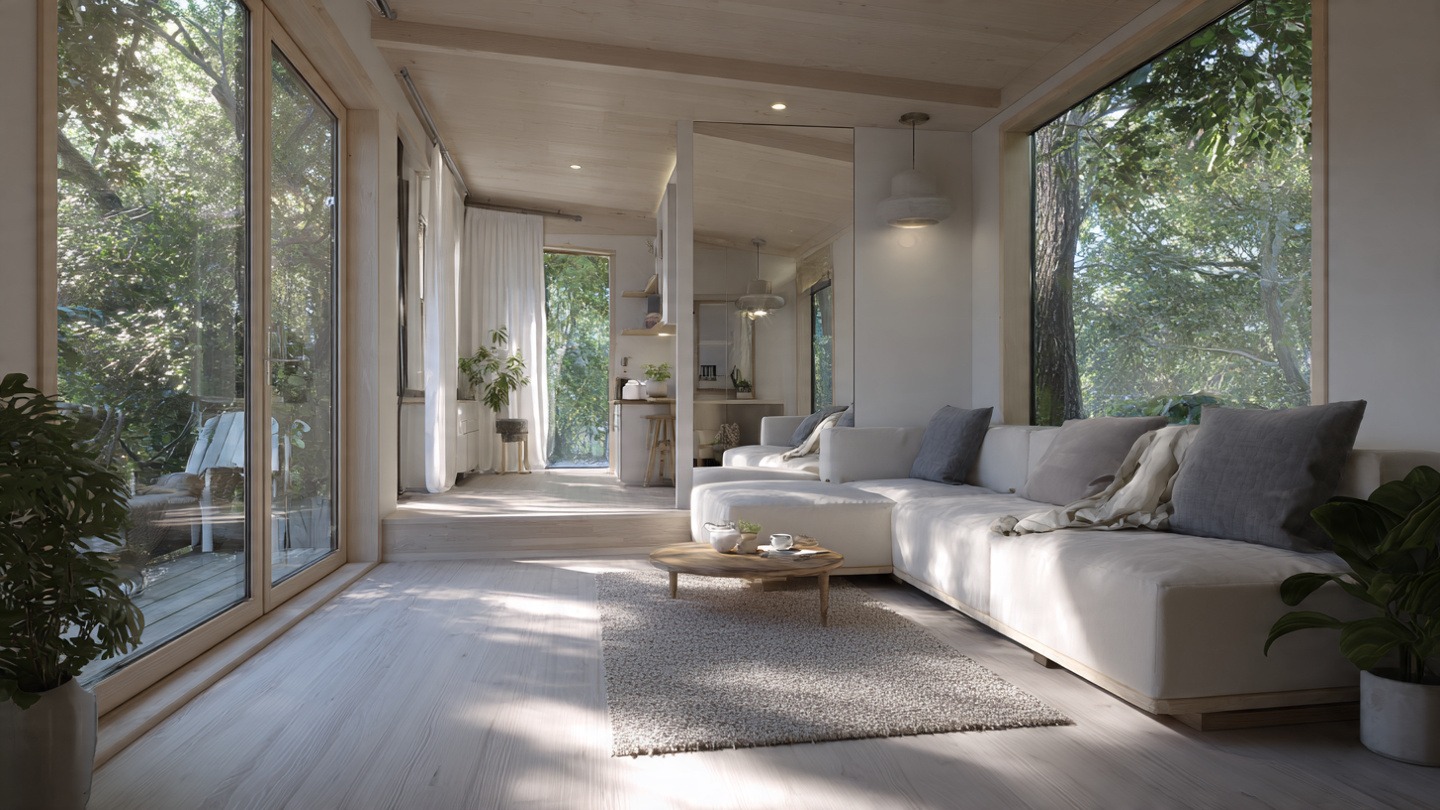
Mirrors are another essential element of tiny home interior design. A large, well-placed mirror can double the perceived depth of a room by reflecting the opposite side of the house. Combine this with an abundance of natural light. Use sheer curtains or blinds that can be fully retracted to let in as much sunlight as possible. Strategically placed windows, especially those that provide a view of the outdoors, create a “visual extension” of your living space, making the interior feel connected to the vastness of the outside world.
FAQ: Tiny House Ideas Questions, Answered
How do I handle decluttering before moving?
Start by categorizing your belongings into “Daily,” “Weekly,” and “Seasonal.” If you haven’t used an item in a year, it doesn’t belong in a tiny home. Be ruthless but mindful.
What are the best materials for small spaces?
Opt for lightweight, durable materials. Light-colored woods, acrylics, and metals work well. Avoid heavy, dark fabrics that can make a room feel closed-in.
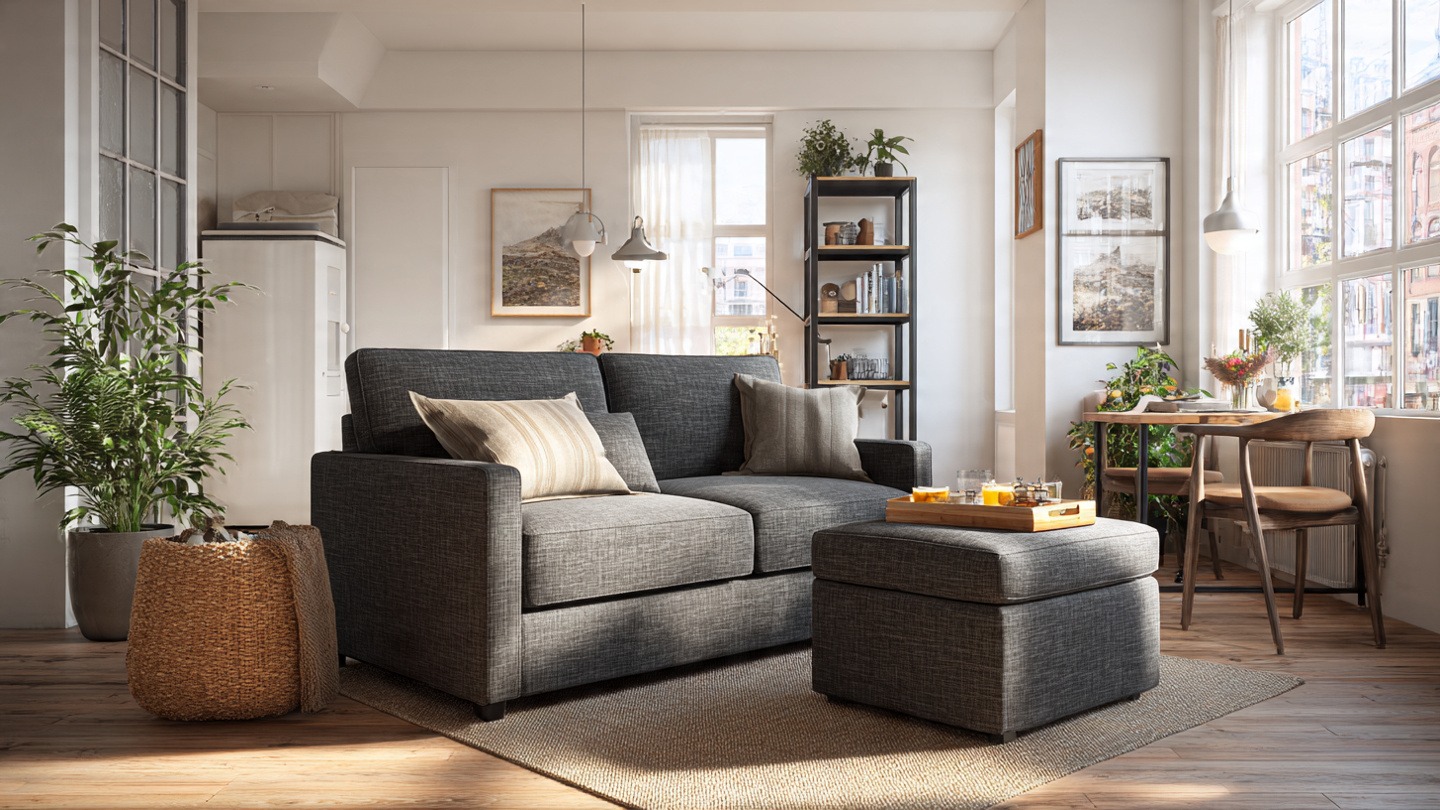
Discover the best space saving furniture for small apartments. Our 2024 guide reveals multifunctional pieces, smart layouts, and top product Read more

Discover if tiny homes are right for you. We break down the costs, legal challenges, and smart design secrets for Read more
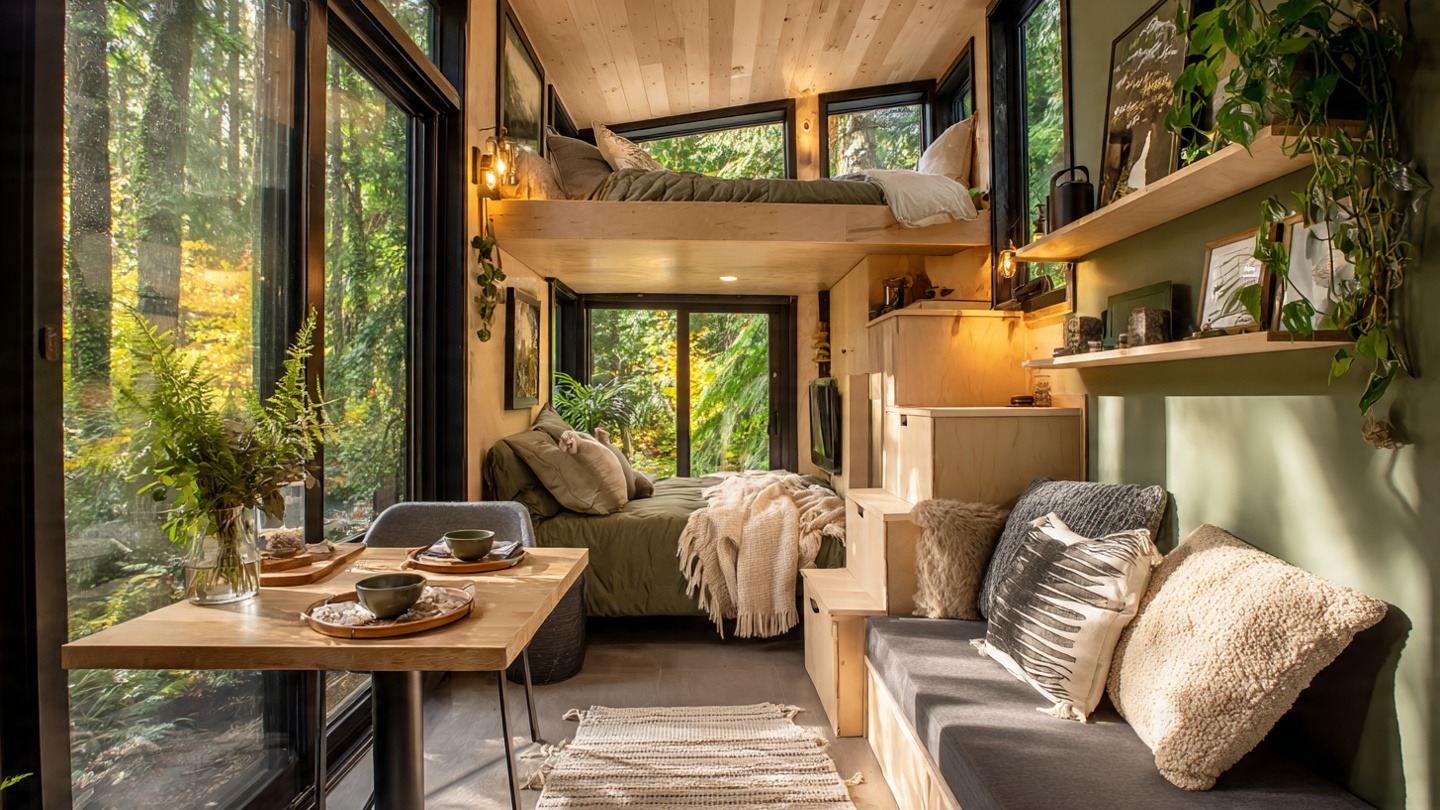
Explore the raw truth about tiny house living. From space-saving hacks to legal hurdles, learn how to downsize your life Read more
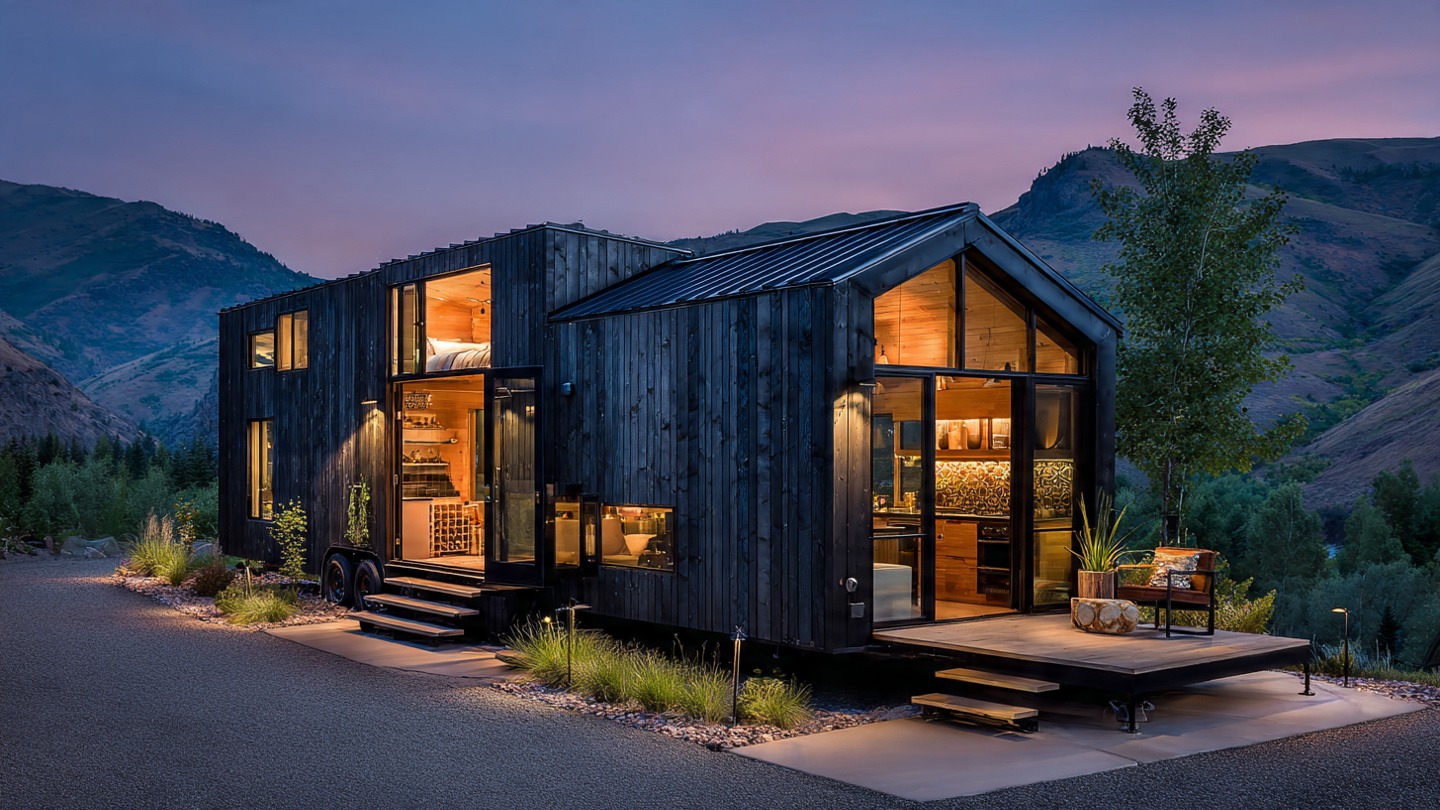
Discover if tiny houses fit your lifestyle. From zoning laws to space-saving decor, get the honest truth about downsizing and Read more
Are there zoning laws I should worry about?
Yes, zoning varies wildly by city and state. Always check your local building codes regarding minimum square footage and ADU (Accessory Dwelling Unit) regulations before building or buying.
Designing a Life, Not Just a House
Ultimately, the most successful tiny house ideas are not found in a catalog, but in the analysis of your own habits. When you stop trying to fit your old life into a small space and instead design a new life around your actual needs, the house stops feeling small. It starts feeling exactly the right size.
Warning: Be cautious of “over-buying” storage containers. It is a common trap to buy dozens of plastic bins to “organize” clutter. Remember, the goal is to have fewer things, not more containers to hold them. Embrace the freedom of minimalism, and your tiny home will become a sanctuary of peace and purpose.
”
}