
Ranch House Exterior: A Smarter Blueprint Before You Buy
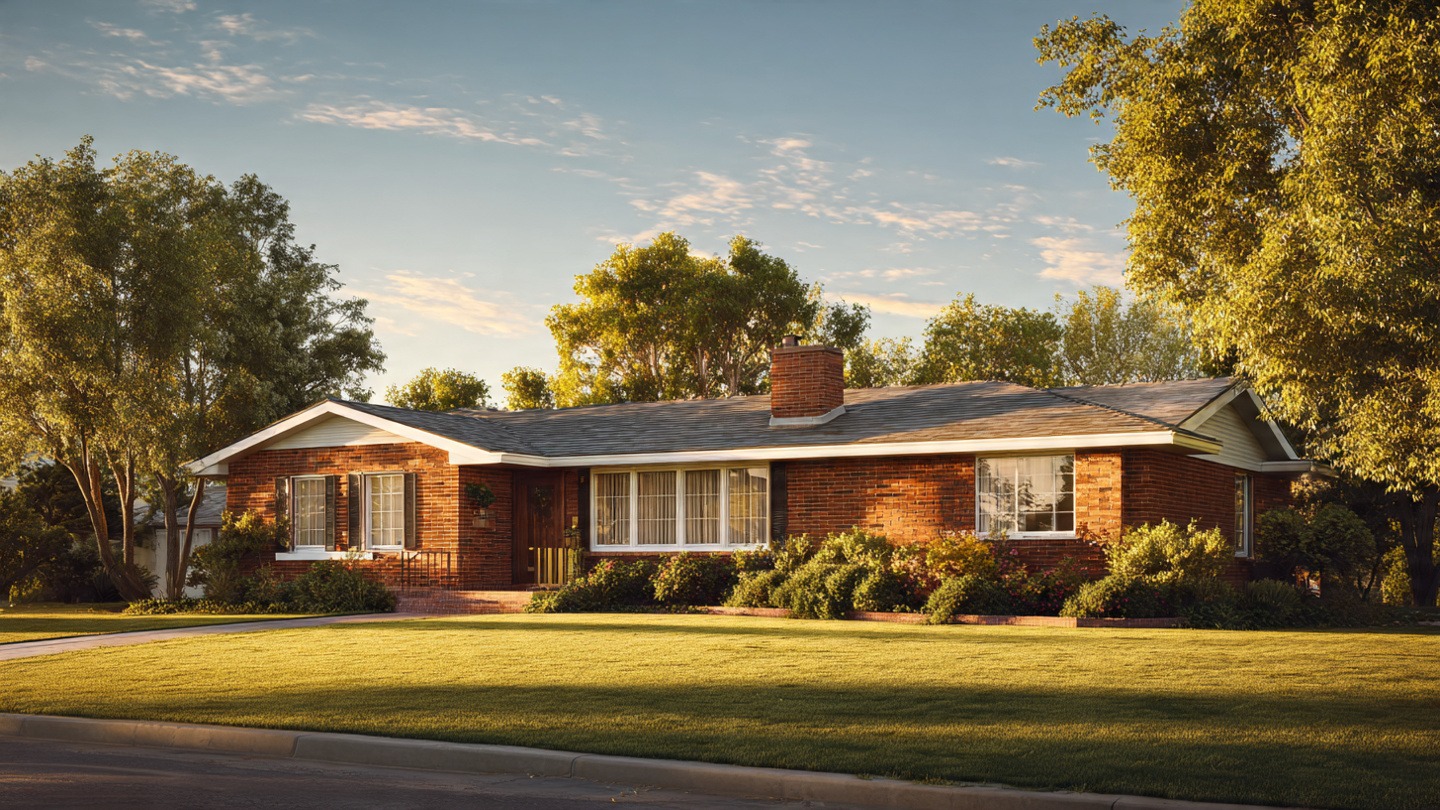
The ranch style home is a cornerstone of American residential architecture. Originally designed for functionality and a seamless connection to the outdoors, the ranch house exterior is defined by its sprawling, single-story layout and low-slung rooflines. While these homes offer an effortless flow and accessibility, many homeowners find that their properties have begun to look dated or visually “flat.”
The primary architectural challenge of this style is its dominant horizontality. Without strategic intervention, a ranch can blend too heavily into the landscape, lacking the vertical punctuation that creates a high-end, custom feel. However, you do not need to change the footprint of your home to achieve a modern transformation. By focusing on depth, contrast, and scale, you can evolve your ranch house exterior into a sophisticated statement piece that maintains its classic charm while embracing contemporary design trends.
Breaking the ‘Flat’ Look: Adding Architectural Depth
To move away from the one-dimensional appearance often associated with older single-story homes, you must introduce architectural layers. The goal is to create a visual “push and pull” that draws the eye upward and inward, breaking the monotonous line of the facade.
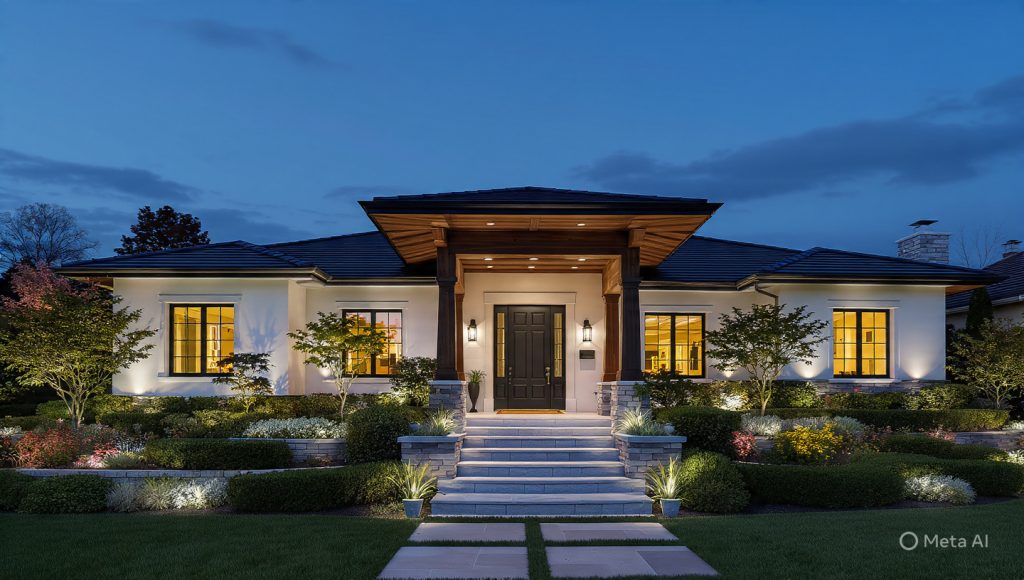
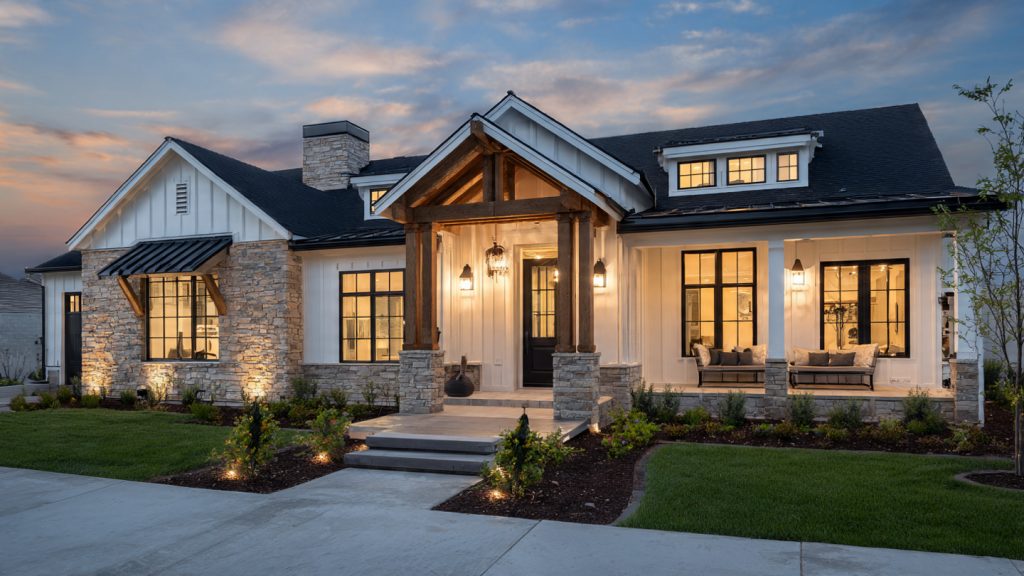
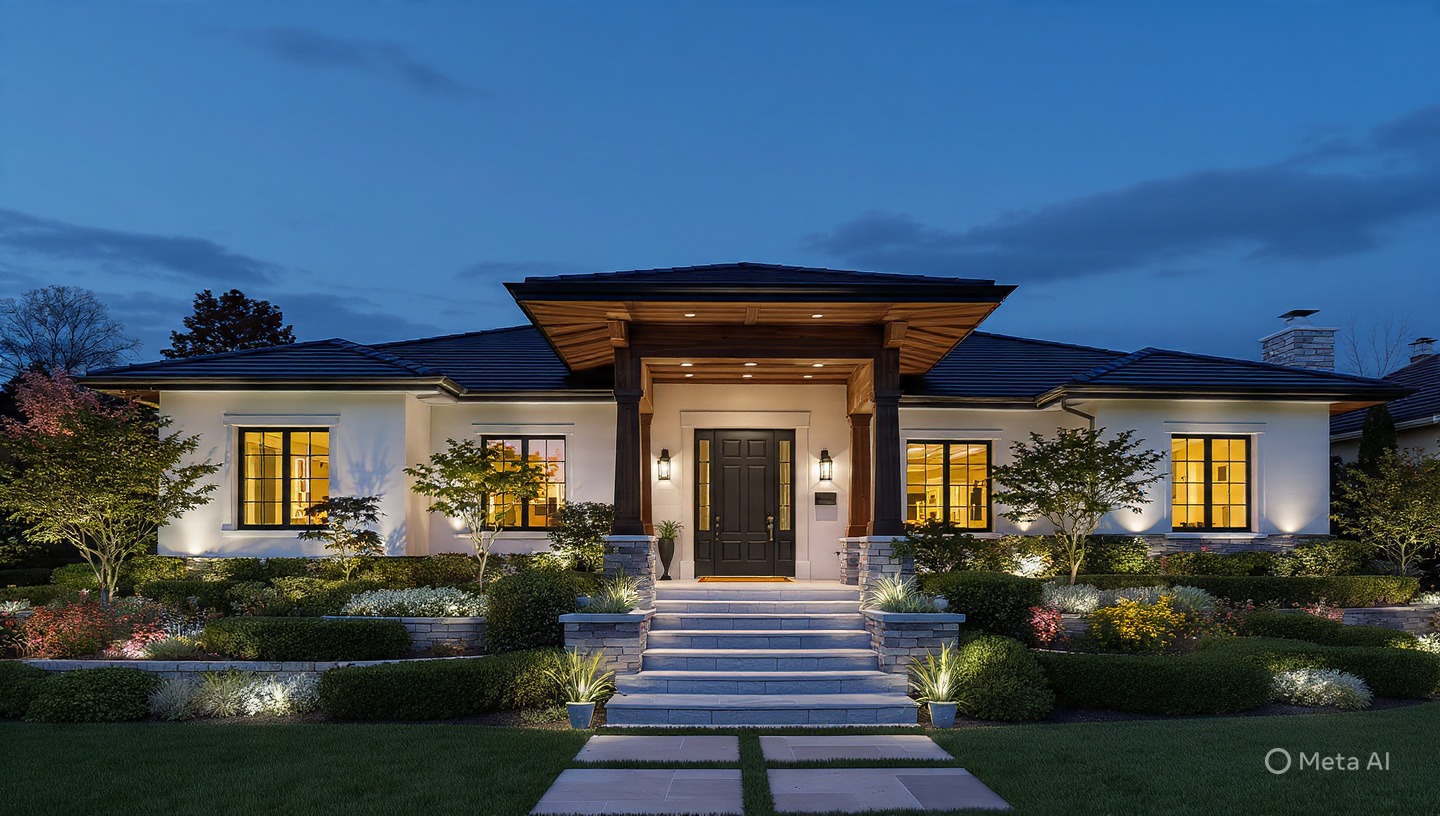
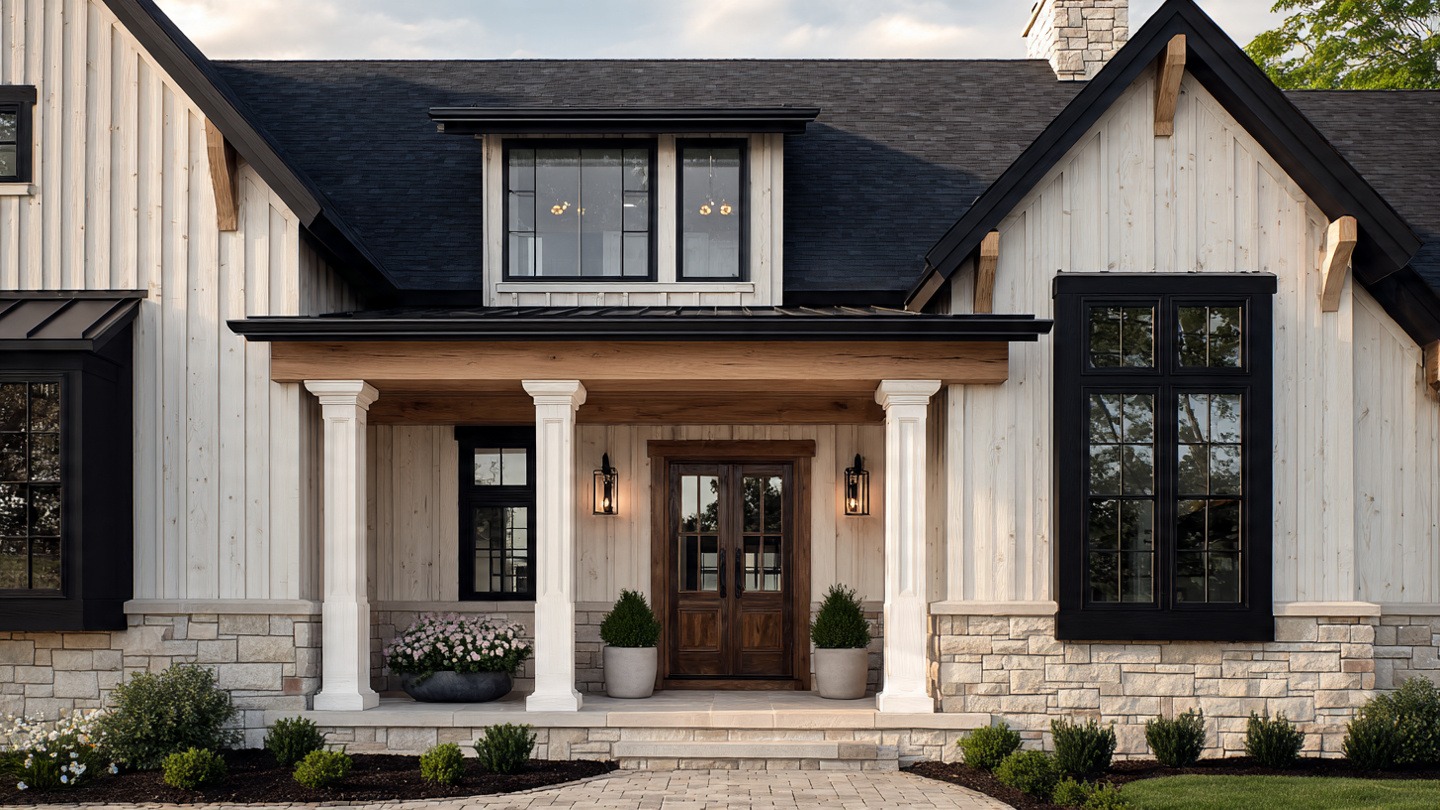
One of the most effective ways to add dimension is by installing a portico or a covered entryway. A protruding porch structure adds an immediate layer of depth and provides a clear focal point for the home. If a full porch is not in the budget, consider updating your trim widths. Replacing thin, builder-grade fascia and window casings with wider, more substantial trim creates a framed effect that makes the home feel more grounded and intentional.
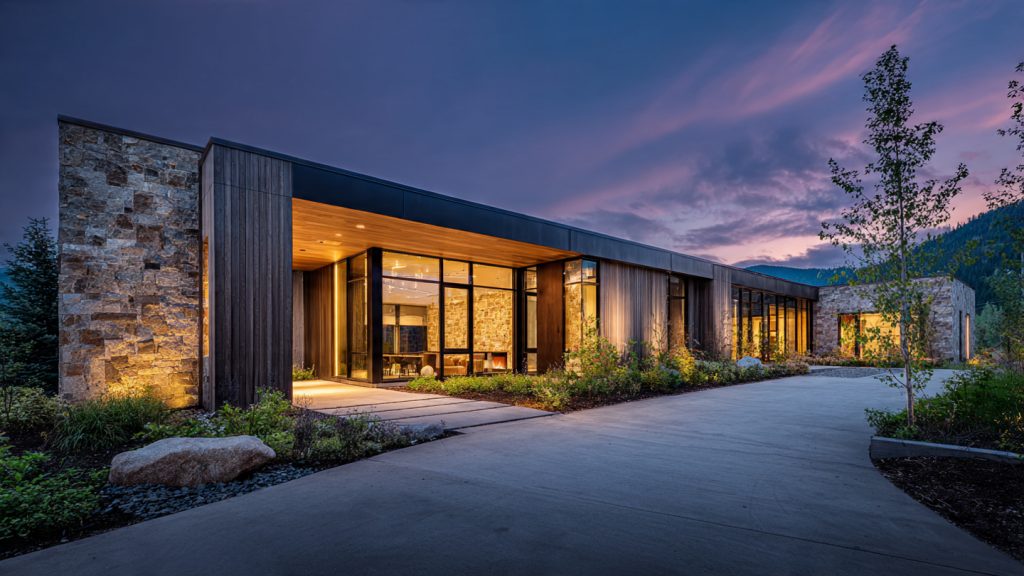
Material mixing is another professional secret for enhancing a ranch house exterior. Relying solely on one type of siding can make a home look like a warehouse. Instead, try combining textures. For example, applying a natural stone veneer to the lower third of the home or highlighting a specific gable with cedar shake siding creates a sophisticated contrast. This mix of organic and manufactured materials breaks up the long horizontal planes and adds a tactile quality to the design.
Pro Tip: When mixing materials, stick to a consistent color family. If you are using a light gray siding, pair it with a stone veneer that contains hints of charcoal and cream. This ensures the home looks cohesive rather than cluttered.
Visual Before and After: Imagine a flat, beige vinyl-sided ranch. Now, imagine that same home with a dark charcoal board-and-batten accent on the entryway, a natural limestone skirt along the foundation, and crisp white 6-inch trim. The home instantly transforms from a generic structure into a curated architectural design.
Color Palettes That Elevate Single Story Homes
Color is one of the most powerful tools for altering the perceived height and mood of your ranch house exterior. The right palette can make a home feel taller, wider, or more integrated with its surroundings. To find the perfect match for your lighting and neighborhood, it is always wise to experiment with these professional color palettes using actual samples on your walls.
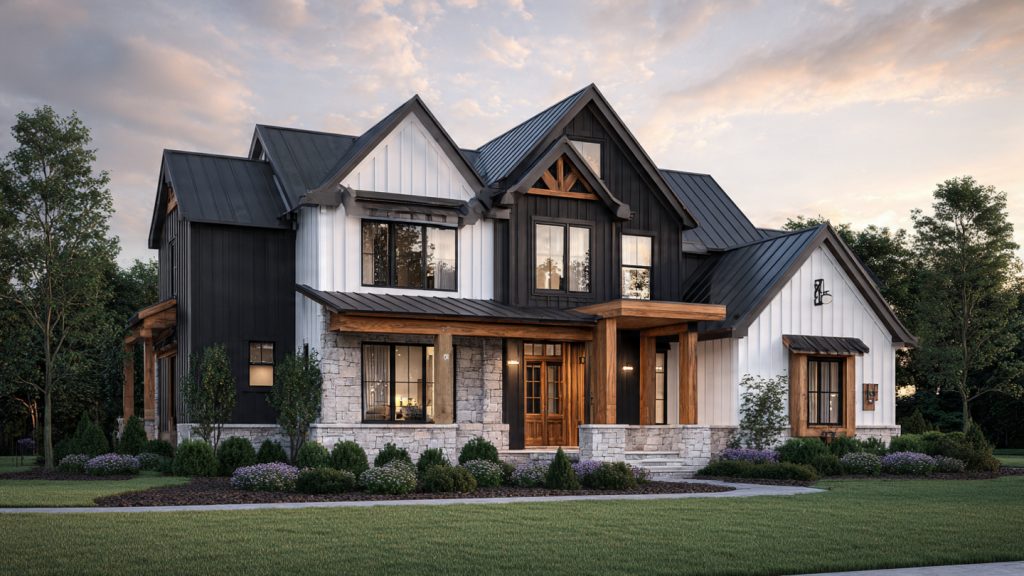
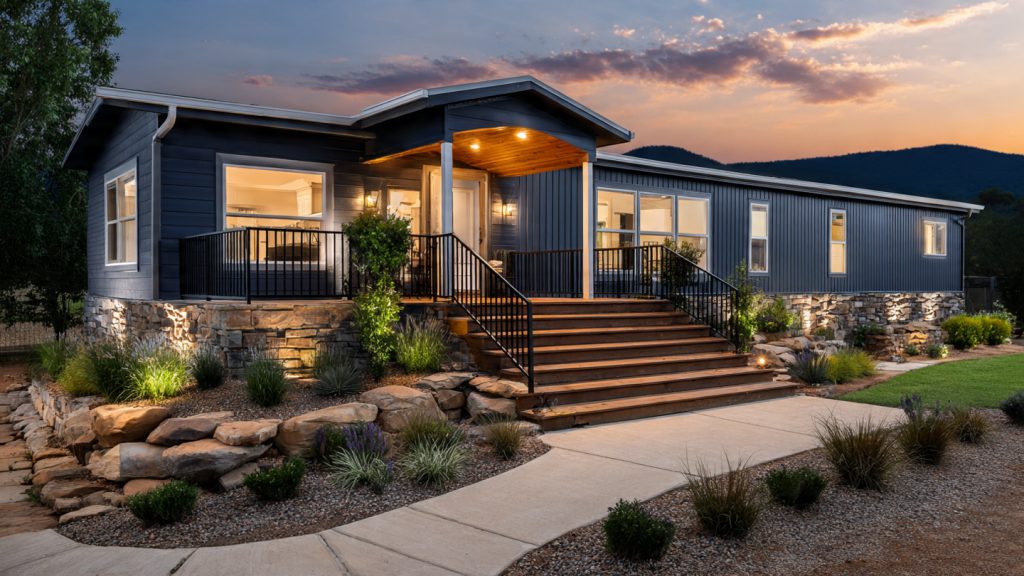
- The Modern Monochrome: This scheme utilizes high-contrast neutrals, such as deep charcoals paired with crisp whites. By painting the main body a dark hue and the trim a bright white, you create sharp lines that define the home’s shape, giving it a sleek, mid century modern ranch vibe.
- The Organic Earthy: For those seeking a softer look, sage greens and warm creams are ideal. This palette blends the home into the landscape, making it feel like a natural extension of the garden. This is particularly effective for a modern farmhouse ranch aesthetic.
- The Classic Contrast: Navy blue walls with bright white accents offer a timeless, nautical feel. This combination is excellent for adding a sense of prestige and cleanliness to a ranch house exterior.
Keep in mind that lighter colors generally make a structure feel larger and more airy, while darker colors can make a sprawling home feel more intimate and grounded.
The Entryway Focal Point: First Impressions Matter
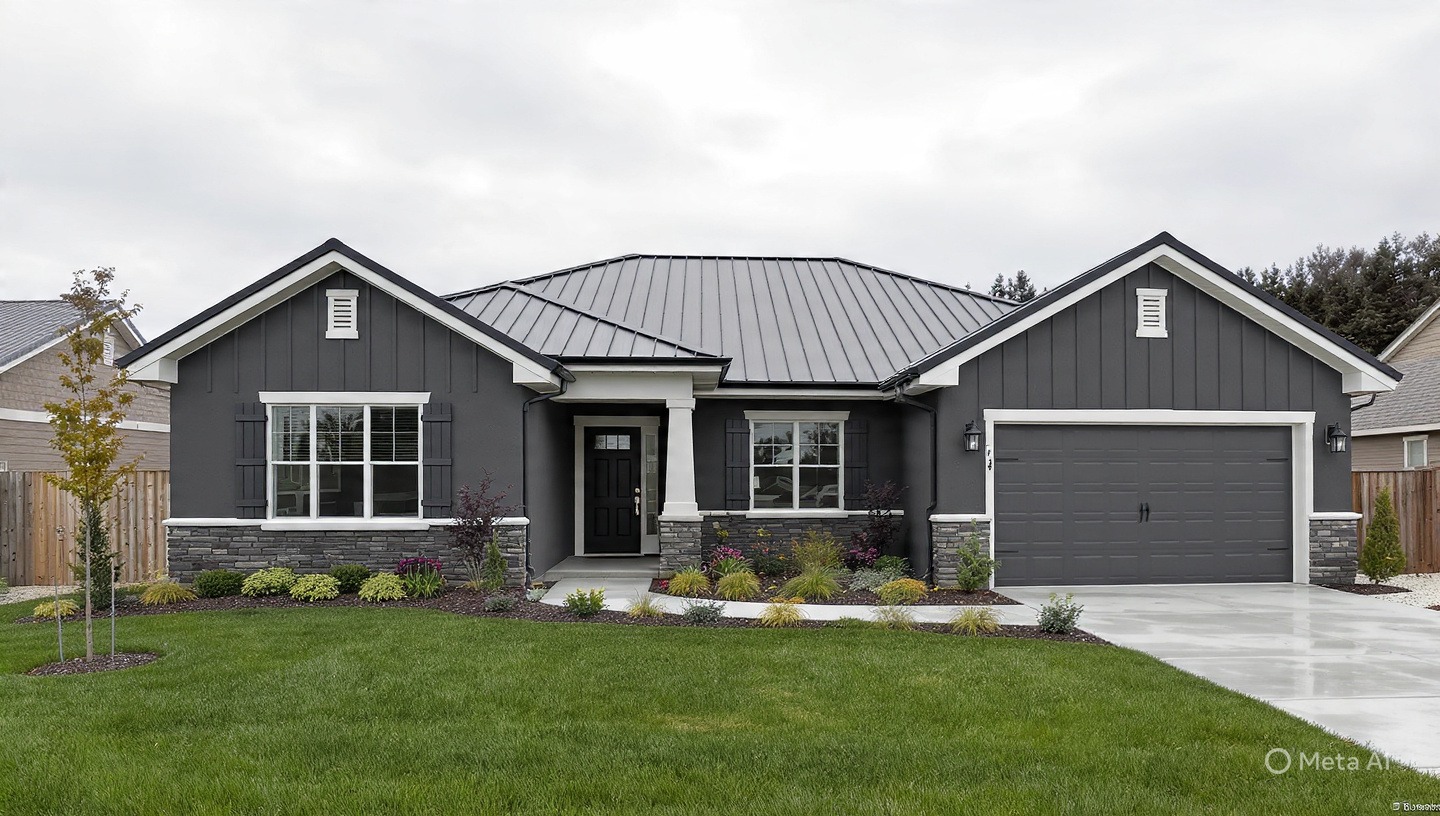
Because a ranch home is low to the ground, the entryway is the most critical area for creating single story curb appeal. Without a second story to provide grandeur, the front door must do all the heavy lifting. A bold, contrasting door color is the fastest way to signal that a home has been thoughtfully updated.
Beyond color, focus on the hardware. Replacing dated brass handles with sleek, modern house numbers and a matching handle set provides an instant polish. Symmetry is also key. Placing matching planters or lanterns on either side of the door creates a balanced, welcoming entrance that feels intentional and high-end.
When furnishing your porch, scale is everything. Large, bulky furniture can overwhelm the low profile of a ranch house exterior, making the entrance feel cramped. Instead, opt for low-profile Adirondack chairs or slim-line benches. This keeps the sightlines open and ensures the architecture remains the star of the show.
Warning: Avoid the temptation to over-decorate the porch with too many small items. A few high-quality pieces are far more effective than a collection of small pots and ornaments, which can make the front of the house look cluttered and diminish the overall impact of your exterior home renovation.
Landscaping for Horizontal Balance
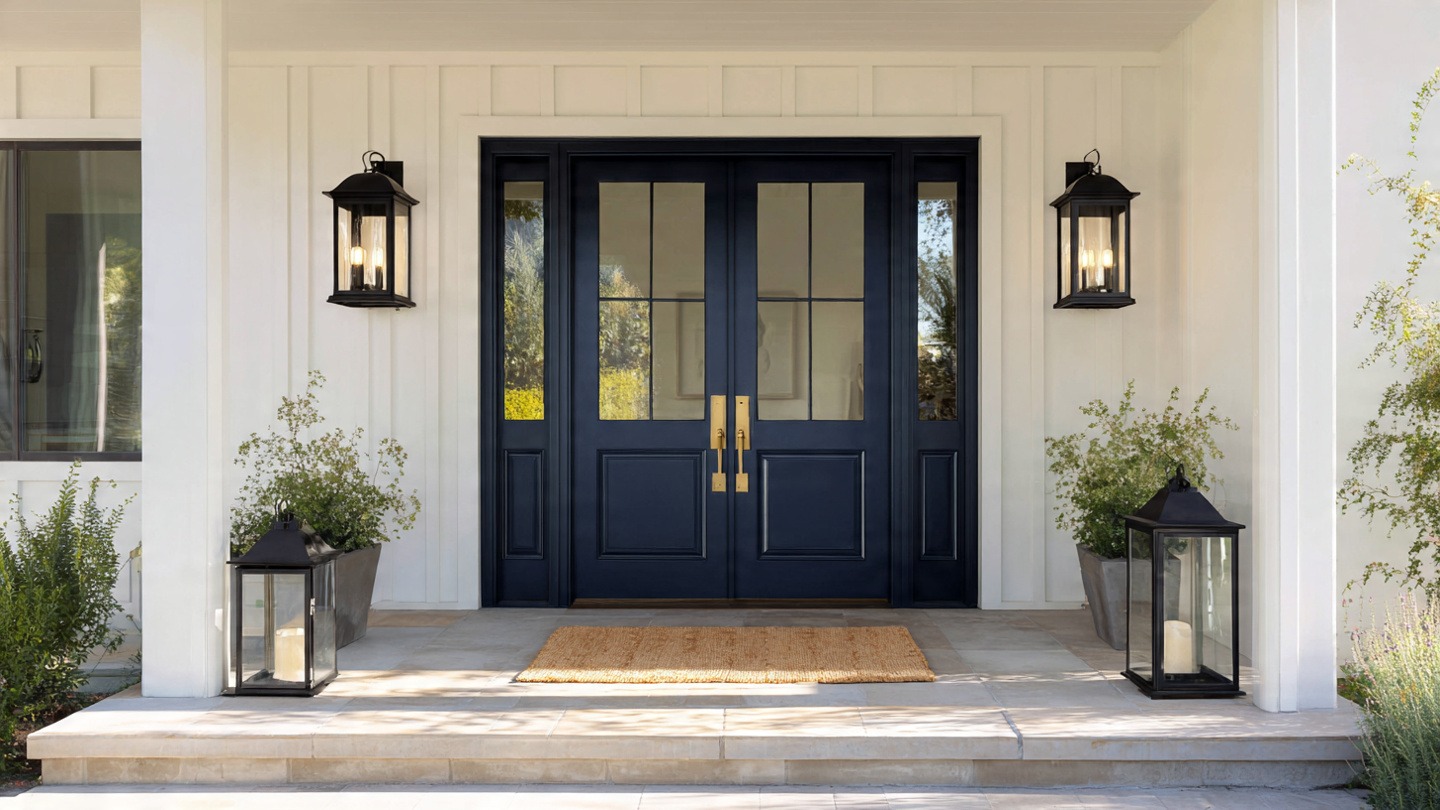
Landscaping is not just about aesthetics; it is about architectural balance. The goal for a ranch house exterior is to introduce verticality through greenery without hiding the home behind a wall of foliage.
The most effective strategy is tiered planting. Instead of a single row of shrubs, create beds with varying heights. Start with low-profile groundcovers near the walkway, move to mid-sized perennials, and place taller ornamental grasses or slender pyramidal evergreens at the corners of the house. These vertical “anchors” draw the eye upward and break the long horizontal line of the roof.
Be careful not to over-plant. A common mistake is planting oversized shrubs directly under windows, which can make the home feel sunken and dark. Keep plantings below the window sills to maintain the openness of the interior and the clean lines of the exterior.
To ensure your home looks stunning after the sun sets, incorporate warm solar pathway lighting. Strategic lighting not only improves safety but also highlights the textures of your new siding and the depth of your landscaping, extending your curb appeal into the evening hours.
Common Ranch Exterior Questions
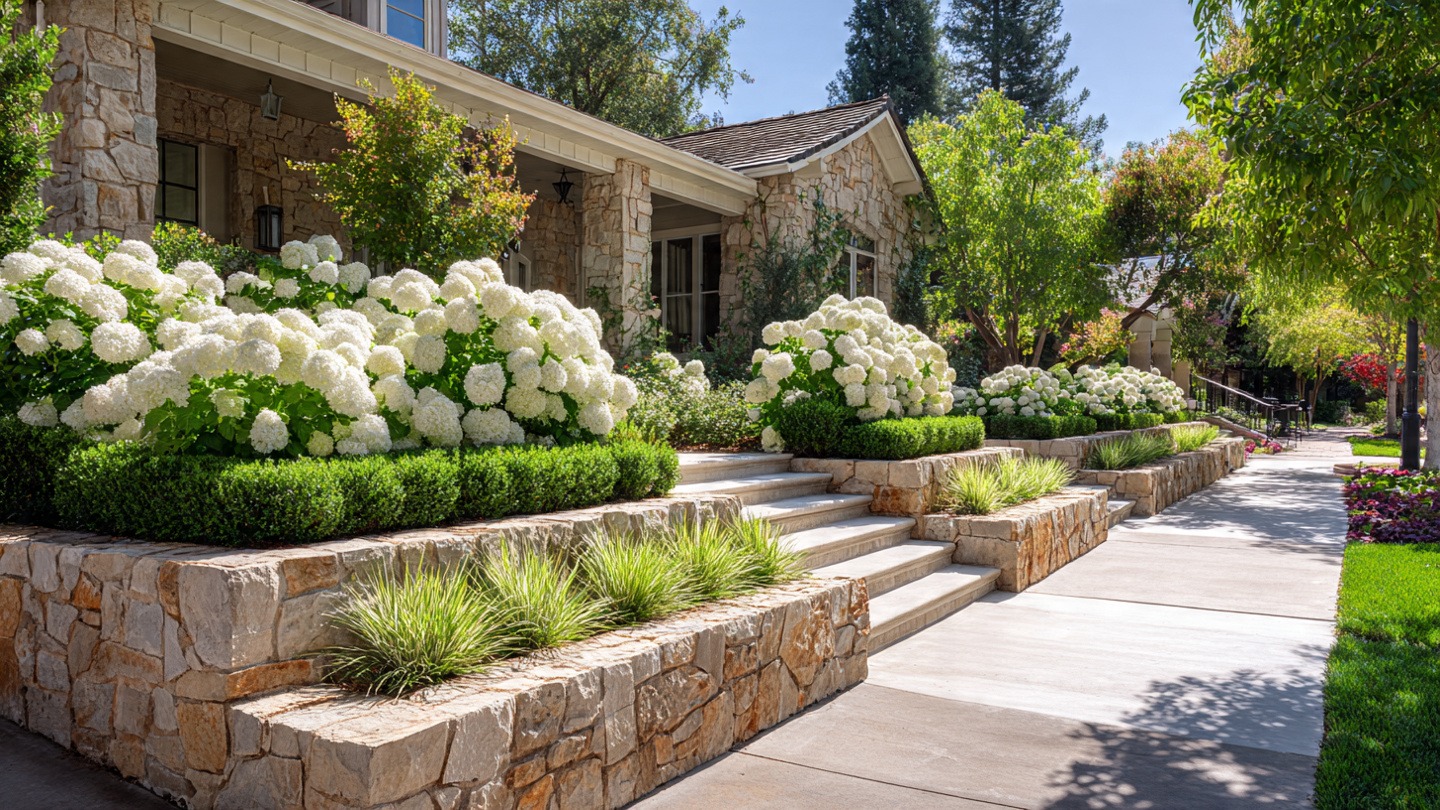
Does a porch make a ranch look bigger?
Yes, adding a porch or a portico adds physical and visual depth to a ranch house exterior. It extends the living space outward and breaks up the flat plane of the front wall, which makes the home appear more architecturally complex and larger in scale.
Discover 20 unique art deco house ideas that blend style and function for a retreat with character.
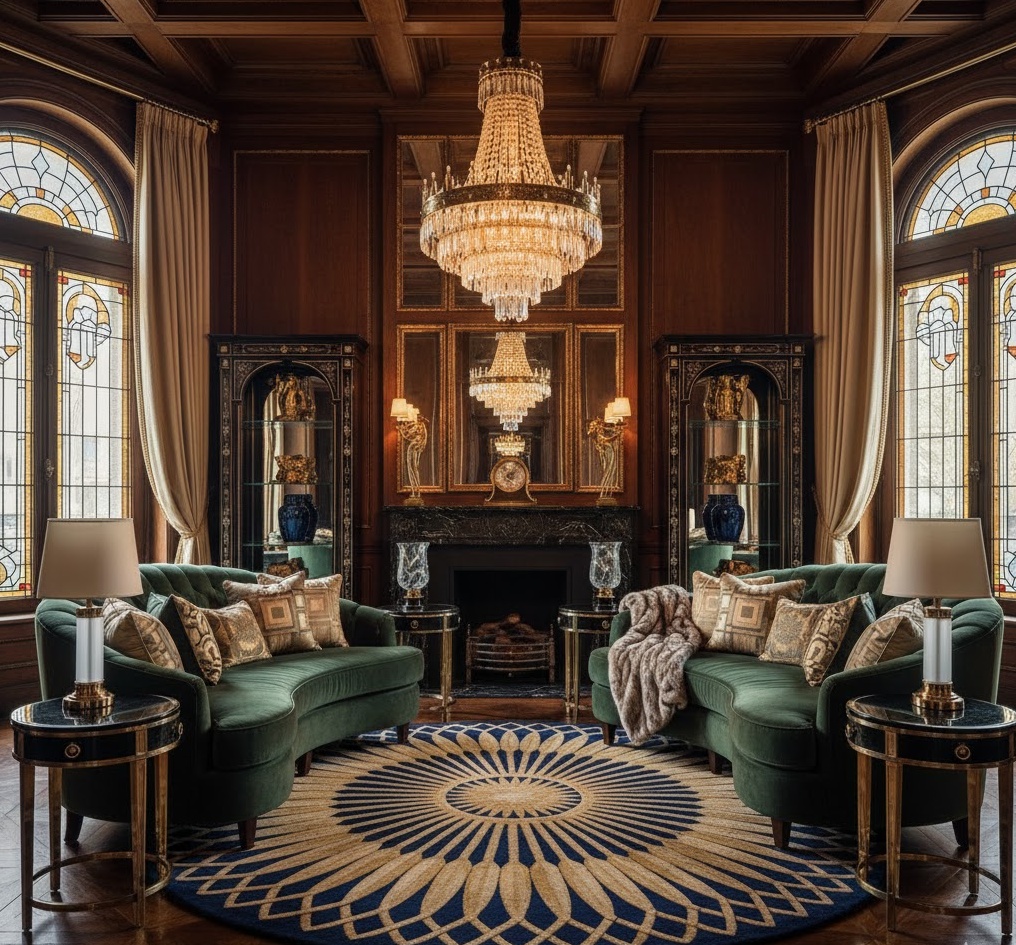
Discover 20 unique art deco living room ideas that blend style and function for a retreat with character.
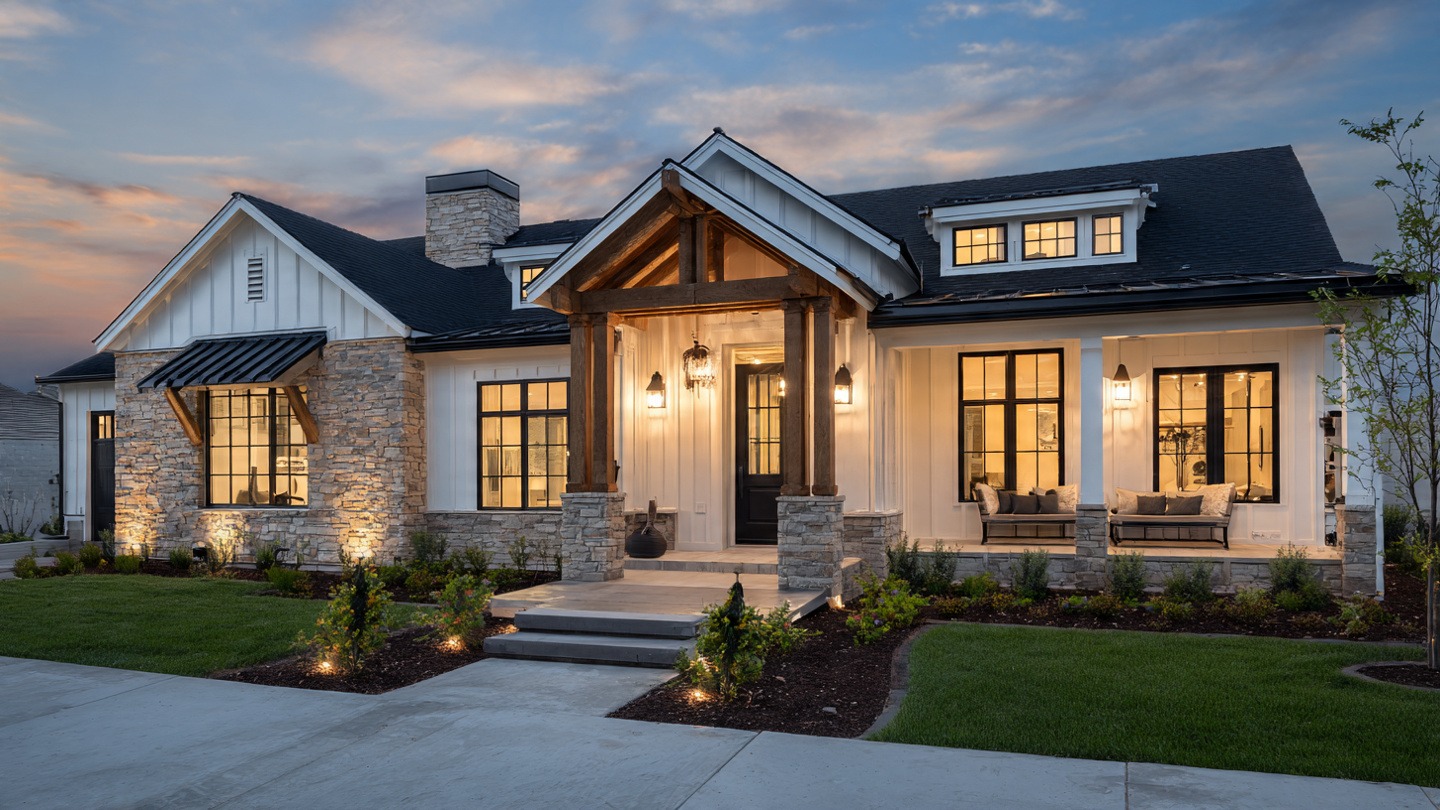
Transform your curb appeal with our guide to ranch style homes exterior design. Discover modern color palettes, lighting, and landscaping Read more
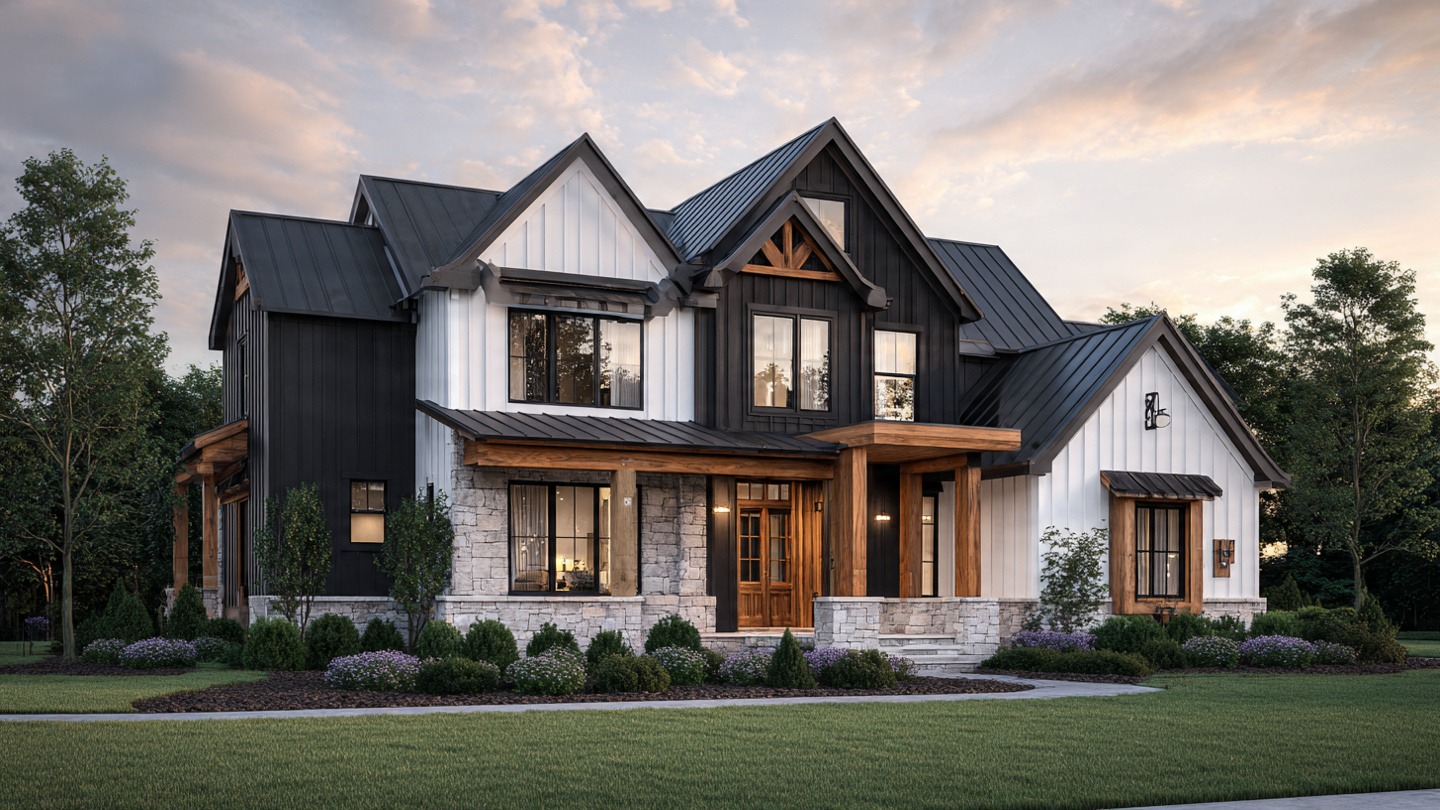
Discover the best siding ideas exterior for your home. Compare materials, colors, and modern styles to find a look that Read more
What is the best siding for a ranch house?
The best ranch home siding colors and materials depend on the desired style. For a modern look, a combination of vertical board-and-batten and horizontal lap siding is highly recommended. Fiber cement is often the best material choice due to its durability and ability to mimic wood and stone textures perfectly.
Your Roadmap to a Refreshed Home
Transforming a ranch house exterior does not have to happen all at once. The most successful renovations are often those that happen in stages. Start with a high-impact, low-cost change, such as painting your front door a bold color or updating your house numbers. From there, move toward larger projects like updating the ranch home siding colors or redesigning your tiered landscaping.
By focusing on adding depth, mixing materials, and balancing your greenery, you can turn a dated single-story home into a modern masterpiece. Your ranch is a timeless canvas; with a few strategic updates, you can maximize its potential and create a home that is both welcoming and sophisticated.