
Diy Garden: A Smarter Blueprint Before You Buy
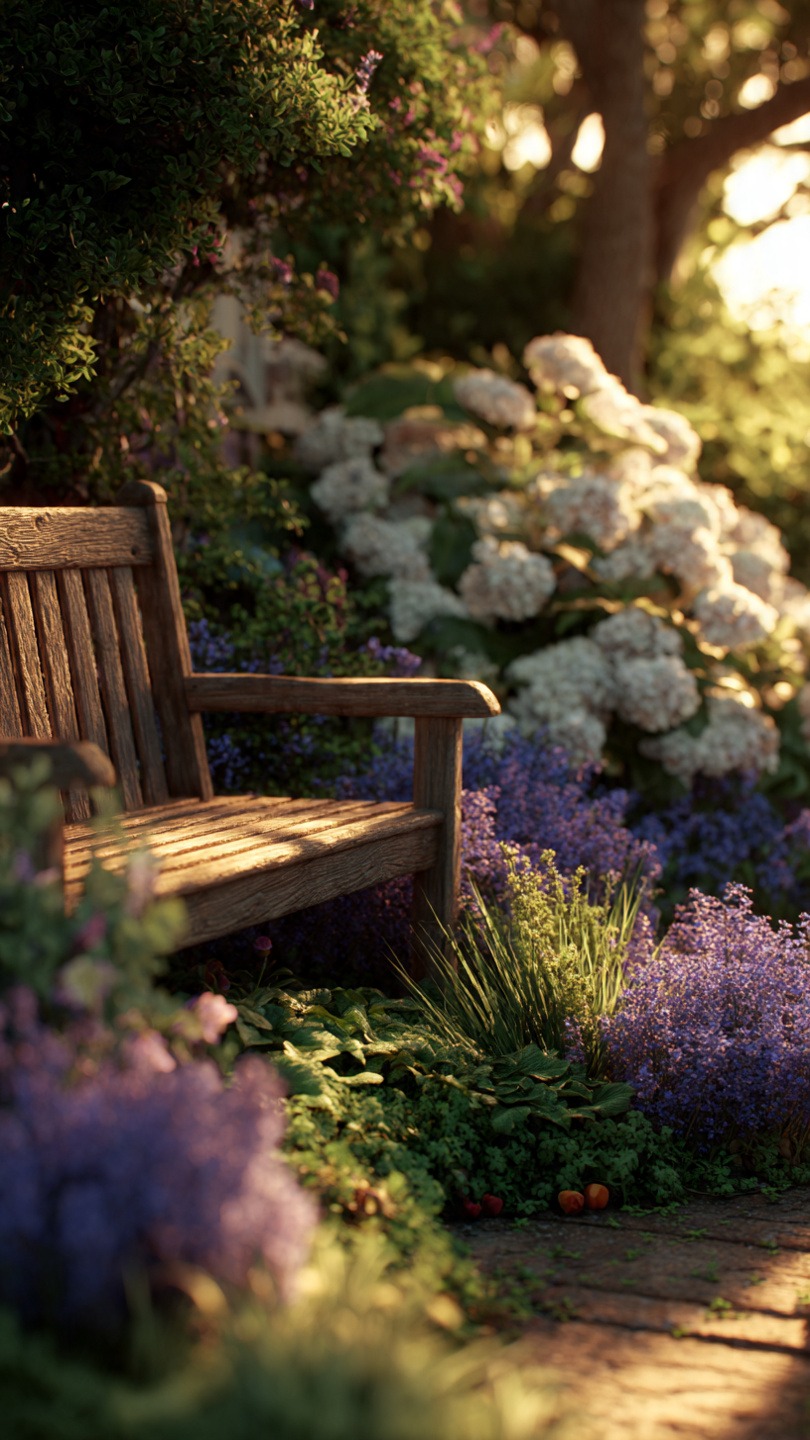
There is a profound sense of peace that comes from stepping outside into a space you created with your own two hands. Whether it is the scent of fresh basil, the vibrant hue of a blooming peony, or the simple satisfaction of a harvest, a diy garden is more than just a landscaping project; it is an investment in your mental well-being and physical health. Many beginners feel intimidated, believing they lack a natural green thumb. However, the secret to a thriving outdoor space is not innate talent, but rather a strategic approach. By treating your garden as a managed project rather than a series of random impulses, you can transform any patch of dirt into a lush sanctuary without the typical overwhelm.
The Planning Phase: Assessing Your Space
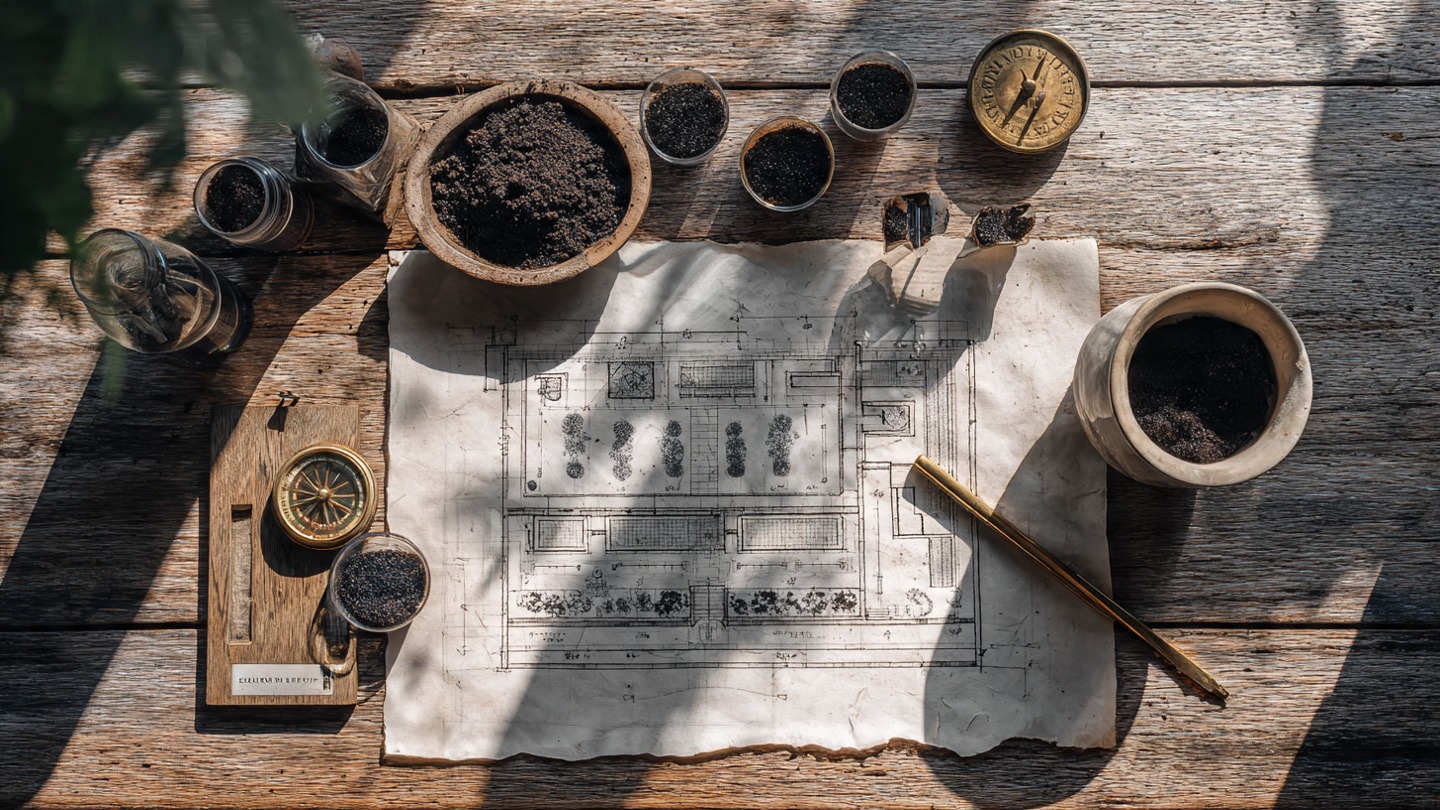
Before you buy a single seed, you must treat your backyard like a blueprint. The most common reason a diy garden fails is a mismatch between the plant’s needs and the environment’s reality. Start with sunlight mapping. Spend one full Saturday observing your yard every two hours to see where the light hits. Most vegetables require at least six to eight hours of direct sun, while many ornamental ferns and hostas thrive in the dappled shade of a canopy.
Next, consider your zoning. Your local hardiness zone determines which plants can survive the winter in your specific region. Planting a tropical species in a frost-prone area is a recipe for heartbreak. Once you understand your climate, it is time to look beneath the surface. Soil is the foundation of everything you grow. You cannot guess what your soil needs; you must know. Using an accurate soil testing kit will tell you your pH levels and nutrient deficiencies, allowing you to amend the earth specifically for your chosen crops.
Deciding between a vegetable-focused diy garden and an ornamental one often comes down to these assessments. If you have a south-facing slope with rich soil, a kitchen garden is ideal. If you have a shaded, rocky area, focus on a sustainable garden design featuring native shrubs and shade-loving perennials.
Choosing Your Layout: Raised Beds vs. In-Ground
One of the biggest decisions in your project is where the plants will actually live. In-ground gardening is the most traditional and cost-effective method, as it requires no building materials. However, it leaves you at the mercy of your existing soil quality and can lead to significant back strain during weeding.
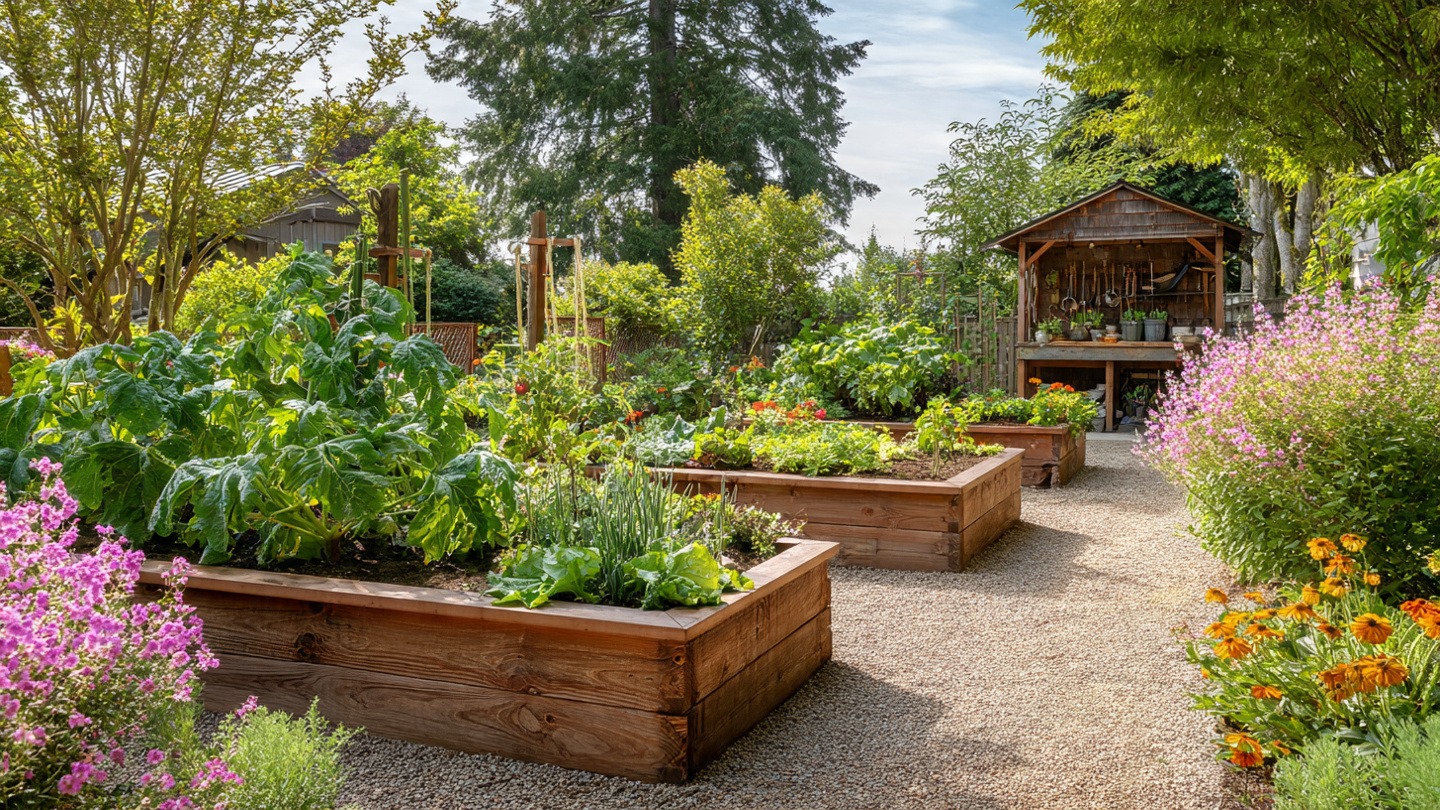
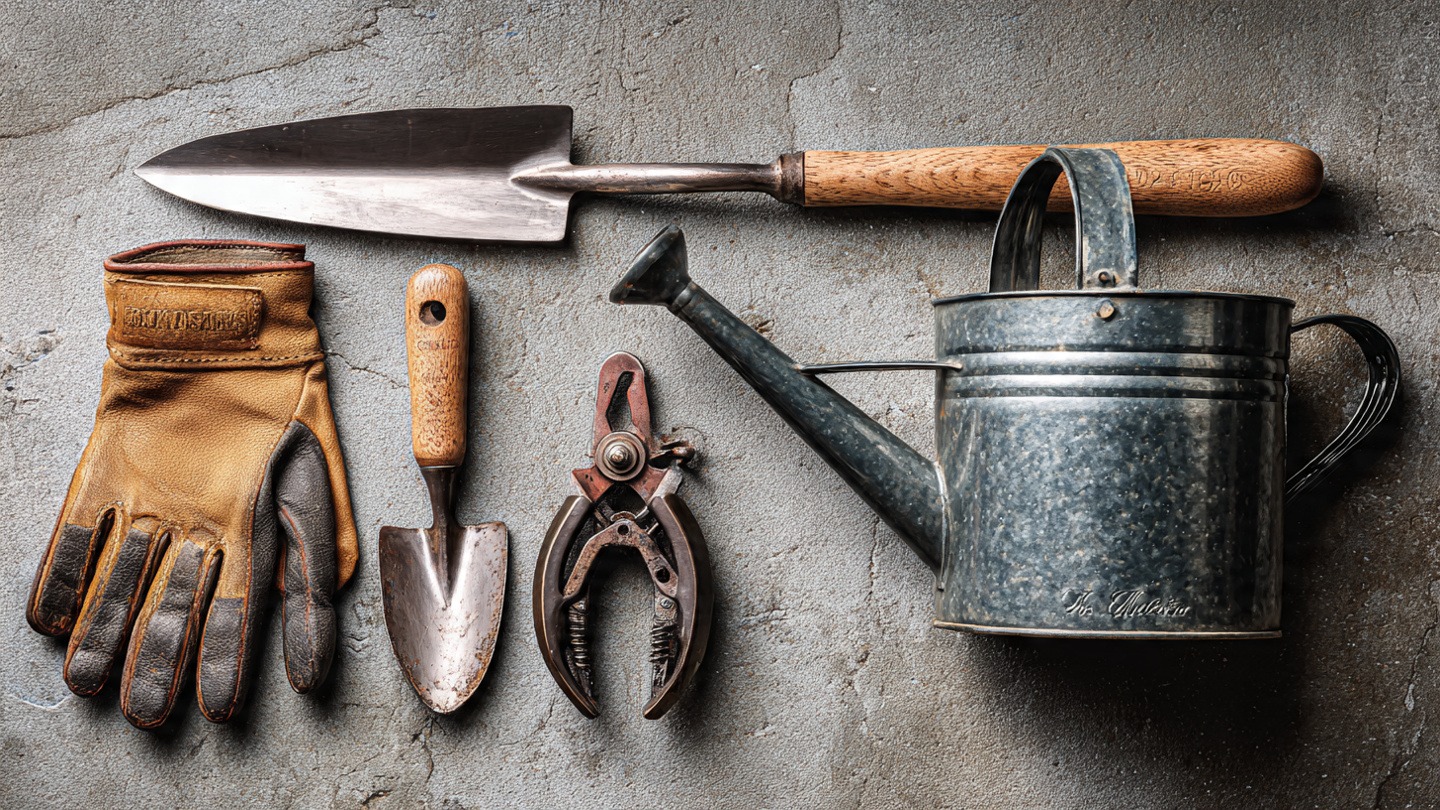
Raised beds are often considered the gold standard for a diy garden project. They offer superior drainage, prevent soil compaction because you never walk on the growing surface, and provide an ergonomic height that saves your joints. While they require an initial investment in materials, the control they provide over soil composition is unmatched. For those who want the benefits of raised beds without the carpentry headache, pre-made cedar raised beds are an excellent choice, providing rot-resistant frames that are ready for soil immediately.
Budget vs. Luxury Material Comparison:
- Budget: Untreated pine or recycled pallets. Low cost, but decomposes quickly (2-3 years).
- Mid-Range: Heat-treated cedar or composite lumber. Moderate cost, lasts 7-15 years.
- Luxury: Galvanized steel or stone masonry. High initial cost, but virtually permanent.
Essential Tools for the First-Time Gardener
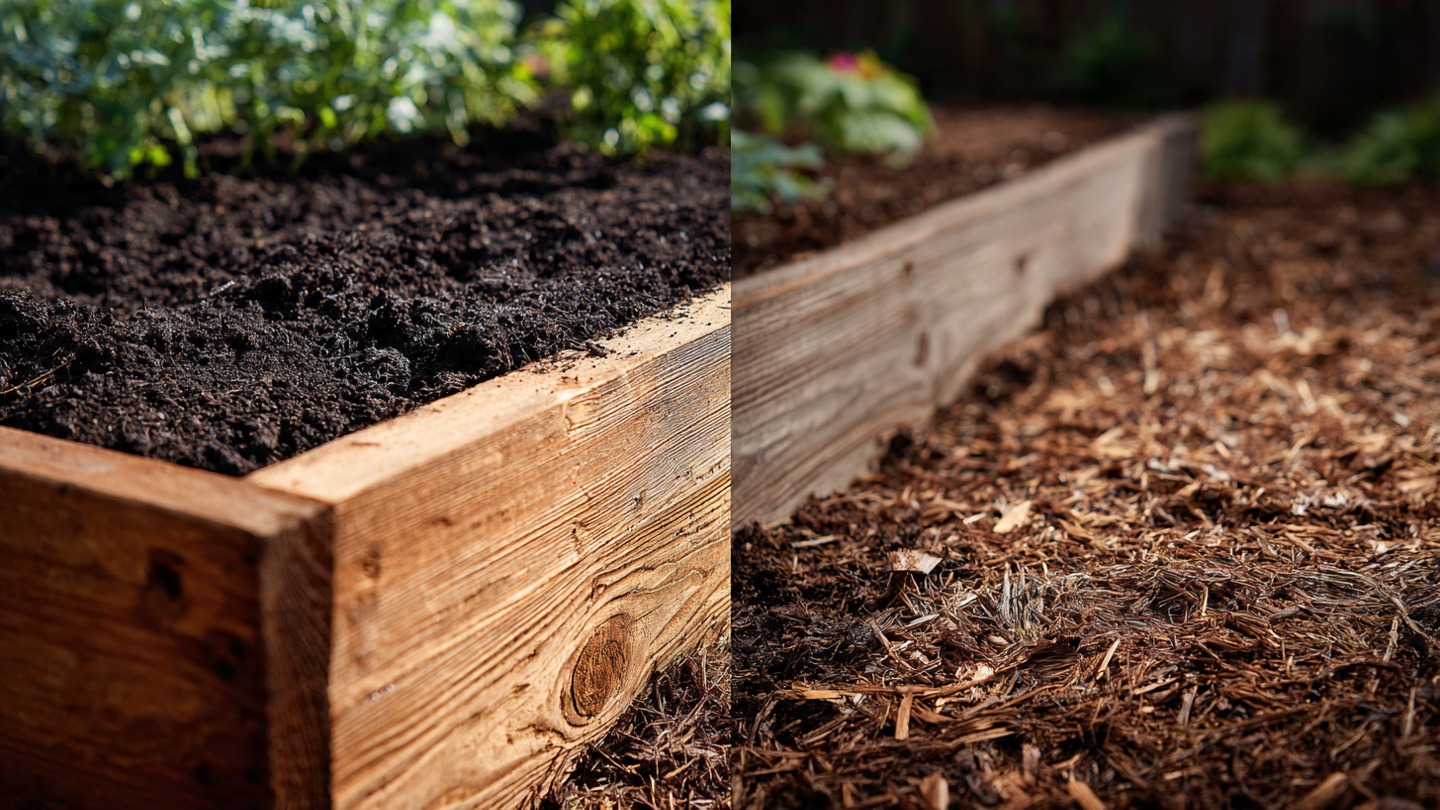
It is easy to walk into a hardware store and leave with a cart full of gadgets you will never use. To keep your diy garden sustainable and affordable, stick to the Essential 5. First, a sturdy hand trowel for planting and weeding. Second, a bypass pruner for clean cuts on stems. Third, a garden fork for turning soil and breaking up clumps. Fourth, a watering can or hose with a multi-spray nozzle. Finally, a pair of high-quality gloves to protect against thorns and blisters.
Investing in essential ergonomic gardening tools can make a significant difference in how long you can work comfortably. Tools designed with anatomical grips reduce wrist fatigue, ensuring that your time spent in the dirt remains a pleasure rather than a chore. Avoid the temptation of power tools until you have mastered these basics.
Step-by-Step Execution: From Dirt to Bloom
Now that you have planned and equipped, it is time for execution. Follow this chronological flow to ensure nothing is missed:
1. Clearing the Land: Remove weeds and debris. If you are starting a new diy garden over grass, consider the “sheet mulching” method. Lay down cardboard to smother the grass, then pile organic matter on top. This avoids the back-breaking work of tilling.
2. Soil Enrichment: Add organic matter such as compost or aged manure. This improves soil structure and provides a slow-release nutrient source for your plants. Pro-tip for soil health: Avoid over-using synthetic fertilizers, which can kill beneficial microbes; instead, focus on organic compost to build a living ecosystem.
3. Strategic Planting: Plant according to your local season. Group plants with similar water and light needs together to simplify care. Ensure you leave enough space between plants to allow for airflow, which prevents fungal diseases.
4. Irrigation Setup: Watering by hand is a common point of failure for beginners. To ensure consistency, install an automatic drip irrigation system. These systems deliver water directly to the roots, reducing waste and preventing leaf diseases caused by overhead watering.
Common DIY Garden Mistakes to Avoid
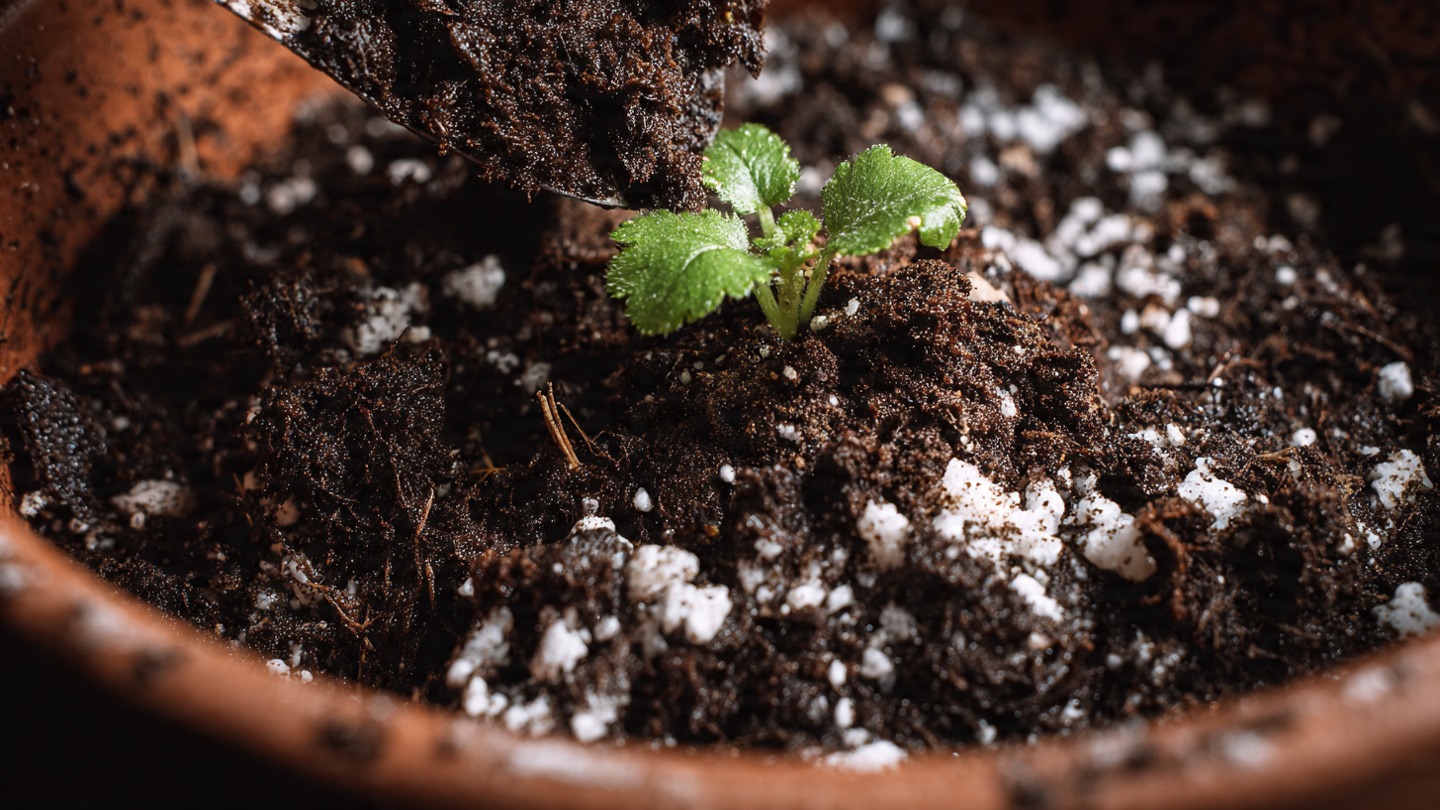
Even with a plan, errors happen. The most frequent mistake is over-watering. Beginners often mistake a drooping leaf for thirst when it is actually a sign of root rot from too much moisture. Always check the soil two inches deep with your finger before adding water.
Another common pitfall is planting too densely. While a nursery pot looks small, a mature plant can grow three times that size. Ignoring the spacing instructions on seed packets leads to competition for nutrients and poor air circulation. Finally, many ignore their hardiness zone, attempting to grow plants that simply cannot survive the local temperature swings.
Warning: Avoid these beginner blunders
- Mistake: Planting everything at once in the spring. Fix: Use succession planting to stagger your harvests.
- Mistake: Using “topsoil” in raised beds. Fix: Use a mix of potting soil, compost, and peat moss for better aeration.
- Mistake: Ignoring pests until it is too late. Fix: Walk your garden daily to spot insects before they become infestations.
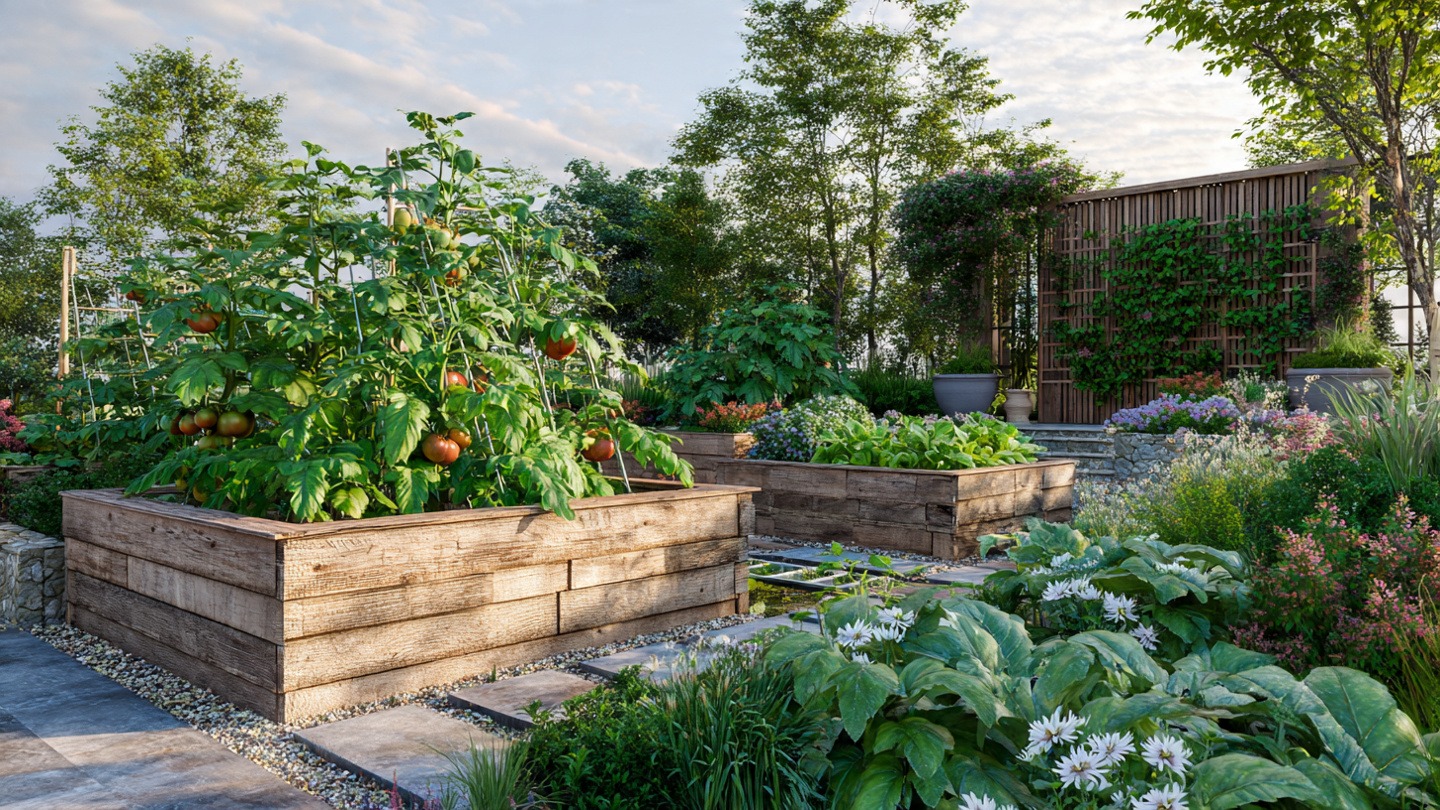
Discover creative gardening ideas for every yard size. From low-maintenance beds to urban edible gardens, find the perfect plan for Read more
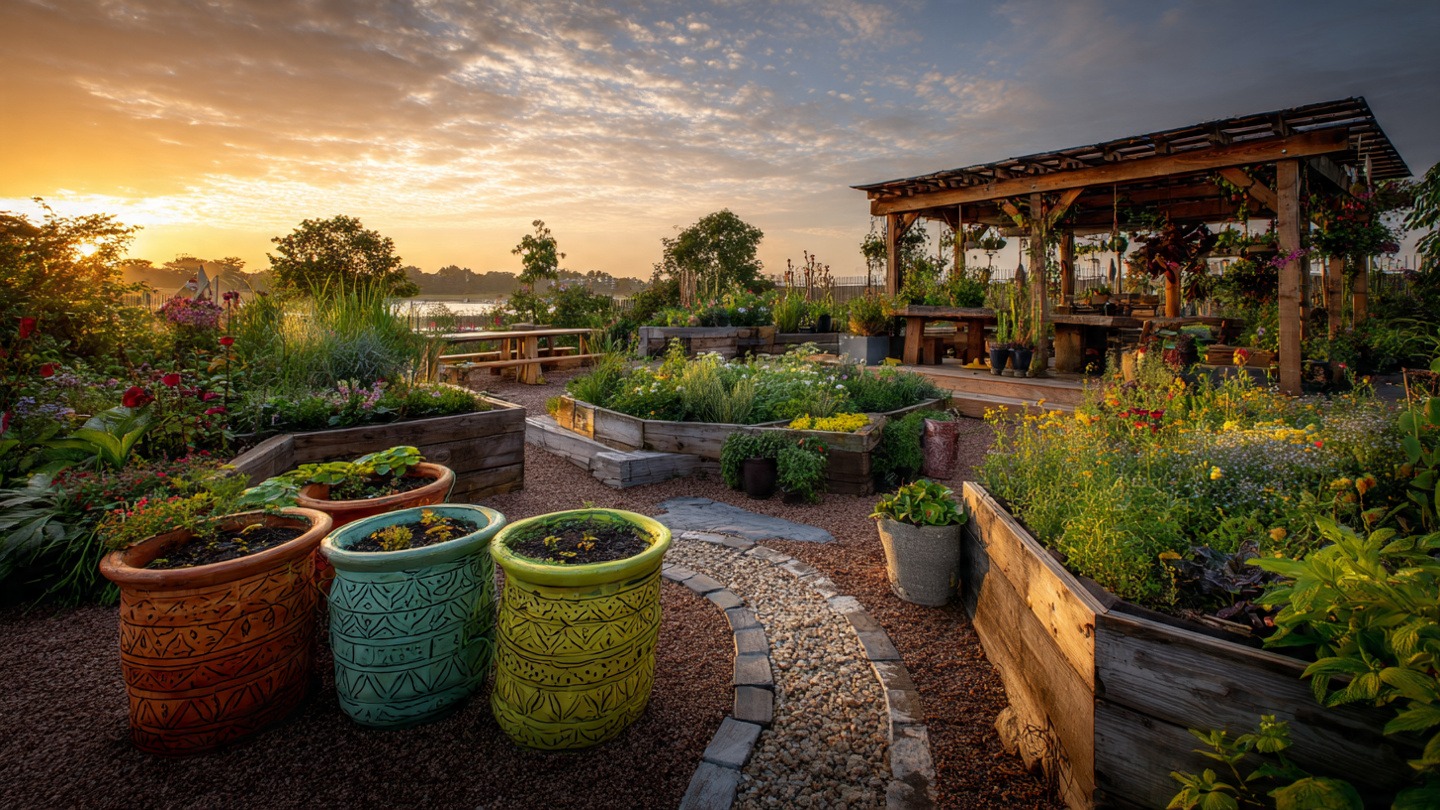
Unlock the potential of your backyard with these smart garden diy ideas. From low-budget hacks to full builds, start your Read more
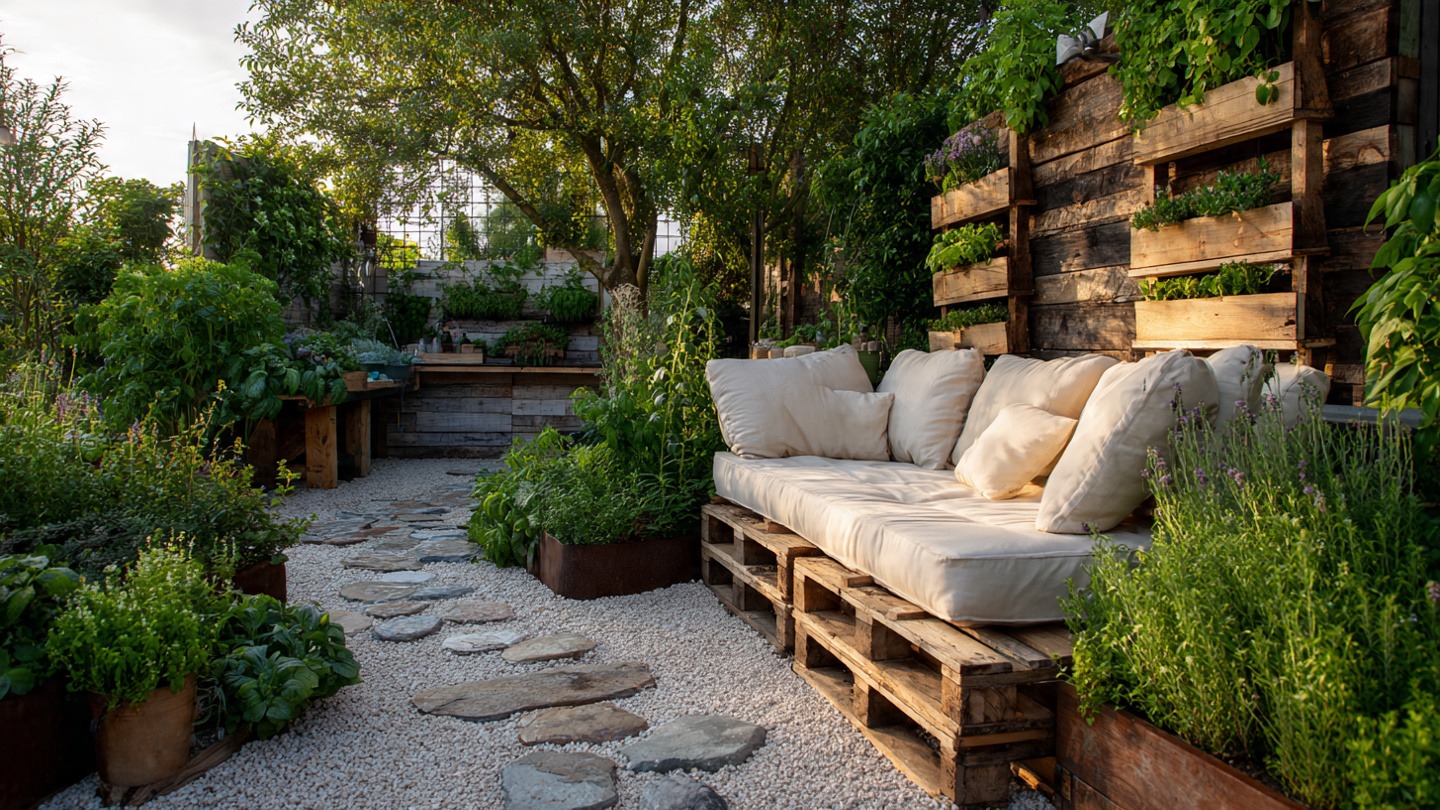
Transform your backyard with these sustainable and budget friendly diy garden projects. Get step by step guides to create a Read more
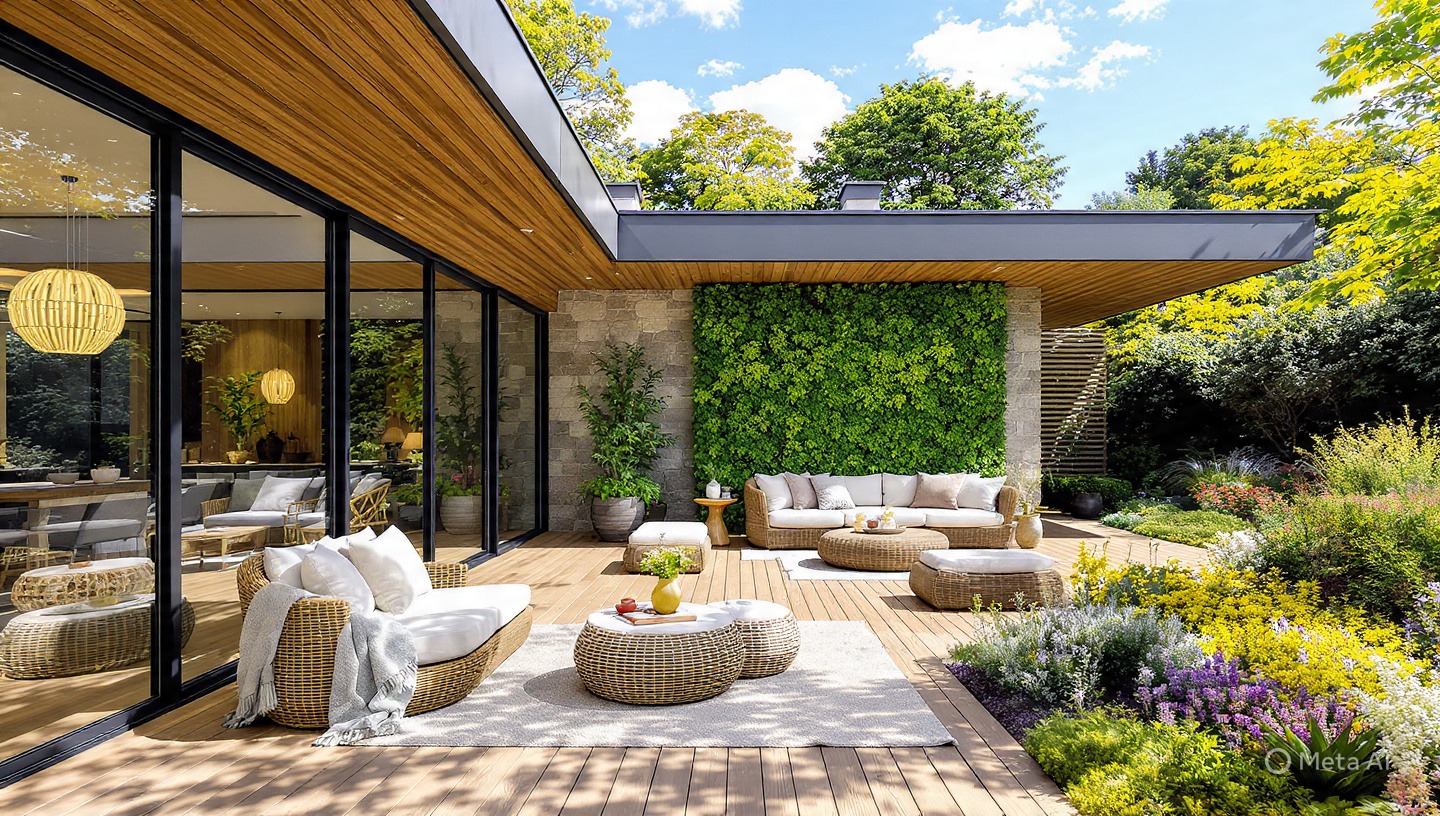
Stop staring at a blank lawn. Explore creative garden ideas for every space, from tiny balconies to sprawling yards. Start Read more
Quick Answers for Your DIY Garden Journey
How much does a diy garden cost?
It varies wildly. A budget in-ground garden can start for under $50 in seeds and basic tools, while a luxury raised bed setup with irrigation may cost $500 or more.
How much time is required per week?
Expect to spend 3-5 hours per week on maintenance, including weeding, pruning, and monitoring. This decreases significantly if you use low maintenance garden tips like heavy mulching.
What are the easiest plants for beginners?
For vegetables, try zucchini, radishes, and cherry tomatoes. For ornamentals, marigolds, zinnias, and hostas are incredibly forgiving.
Enjoying the Harvest of Your Hard Work
The journey of creating a diy garden is a marathon, not a sprint. It is better to start with two small, successful beds than to attempt a massive plot that becomes overgrown and discouraging. As you gain confidence and understand the rhythm of your land, you can scale up and experiment with more complex varieties. The most important step is the first one. Get outside, get your hands dirty, and start your diy garden today. Your future self will thank you for the sanctuary you are building.”
}