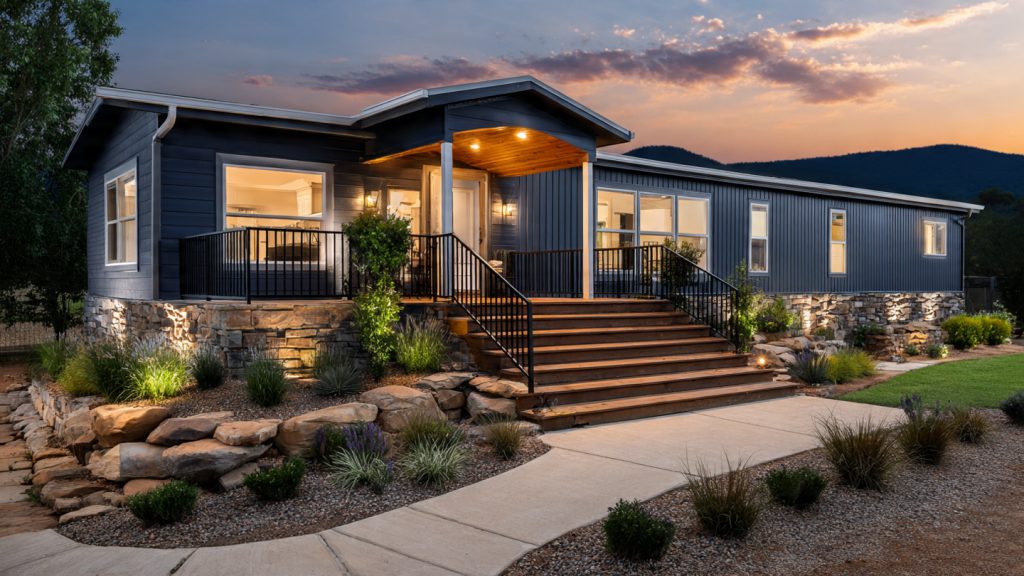
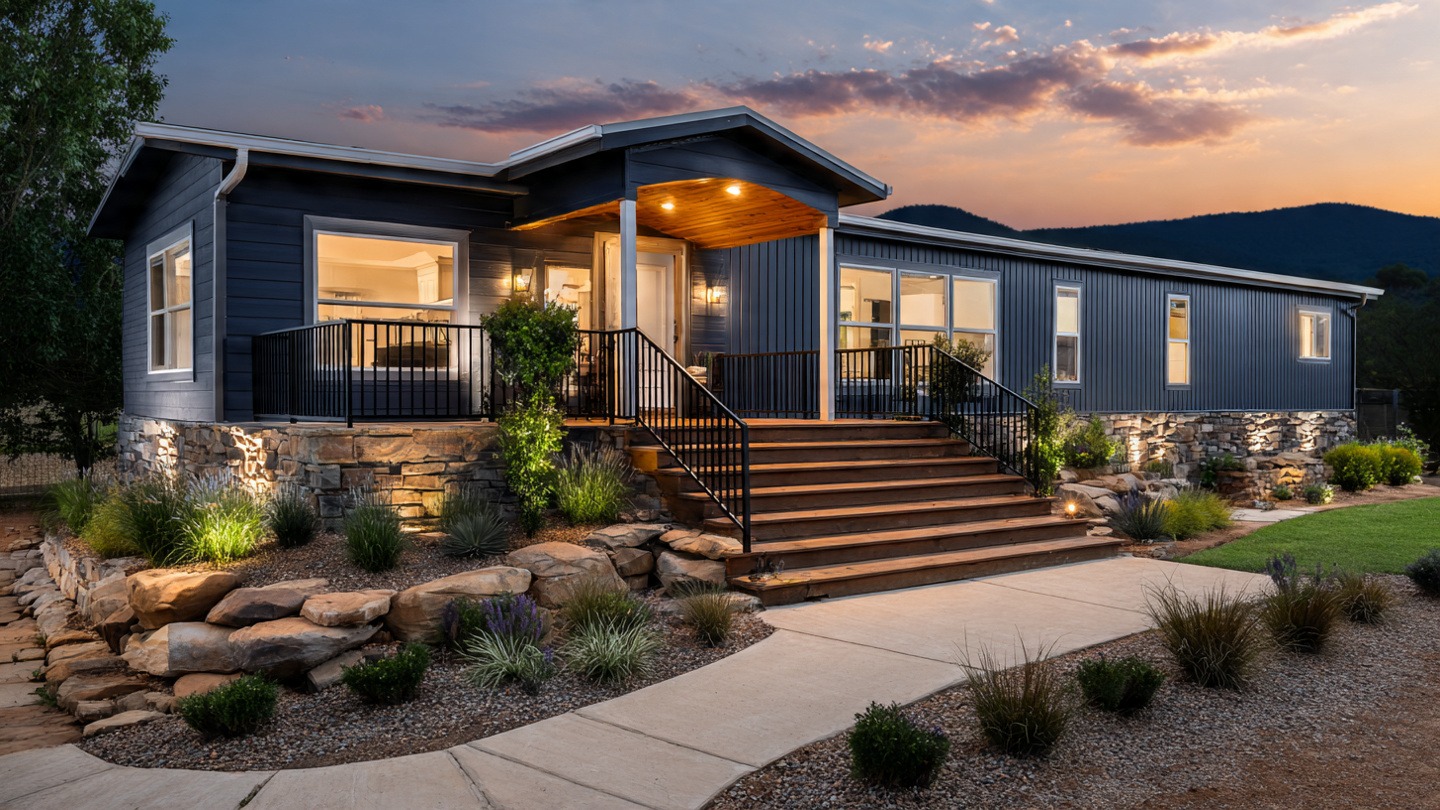

Manufactured Home Exterior Without the Hype, What Works First
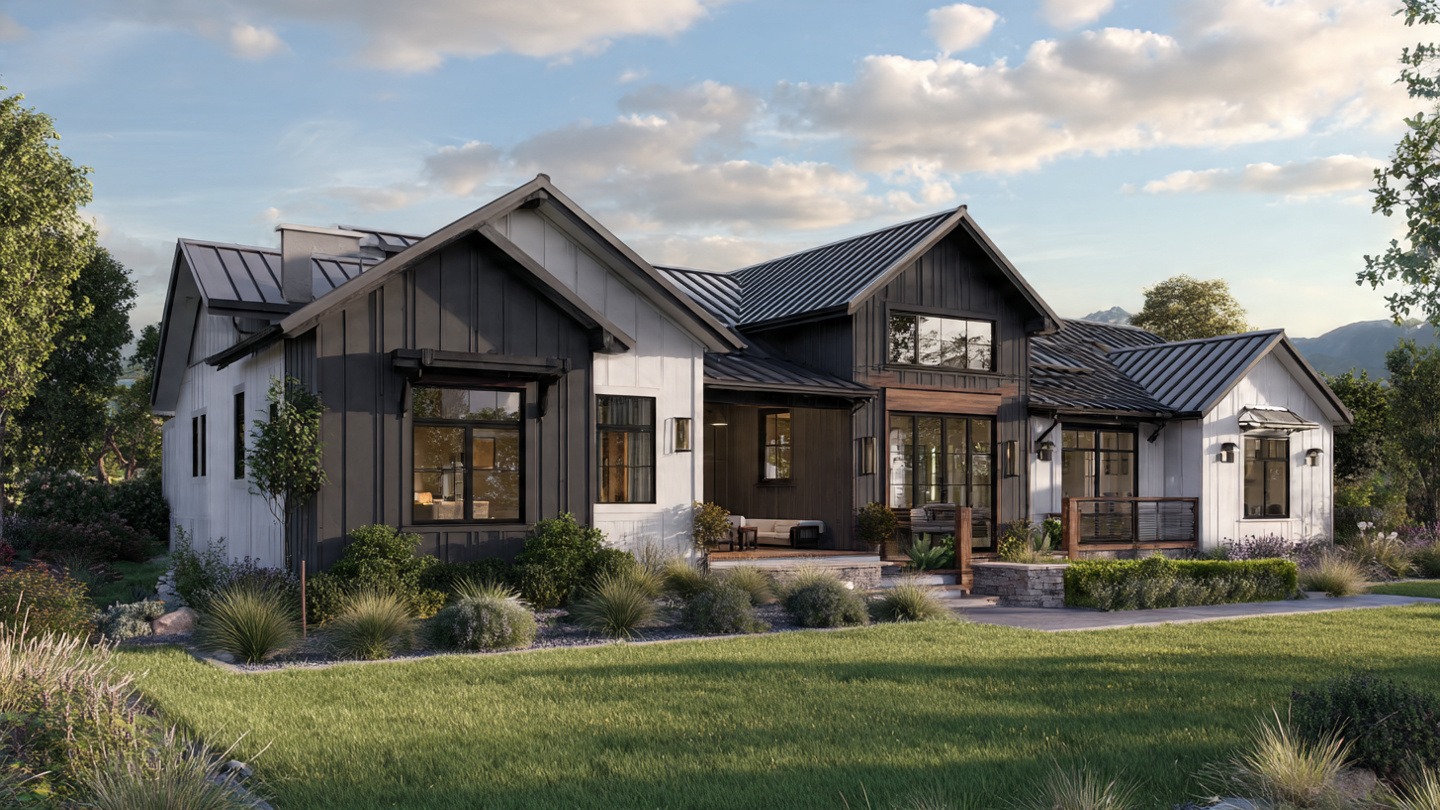
For many homeowners, the primary challenge of owning a prefabricated residence is overcoming the “temporary” aesthetic. There is a lingering stereotype that these homes lack the architectural weight of site-built houses. However, the secret to shifting this perception lies in the psychology of curb appeal. When you strategically invest in your manufactured home exterior, you aren’t just changing colors; you are signaling permanence and stability.
By focusing on elements that ground the structure and add custom architectural details, you can transform a standard unit into a high-end estate. These upgrades do more than just please the eye; they drastically increase home equity and foster a deeper sense of pride in ownership. The goal is to move away from the “park model” look and toward a custom-built feel that blends seamlessly into any neighborhood.
The Foundation of Curb Appeal: Skirting and Base Work
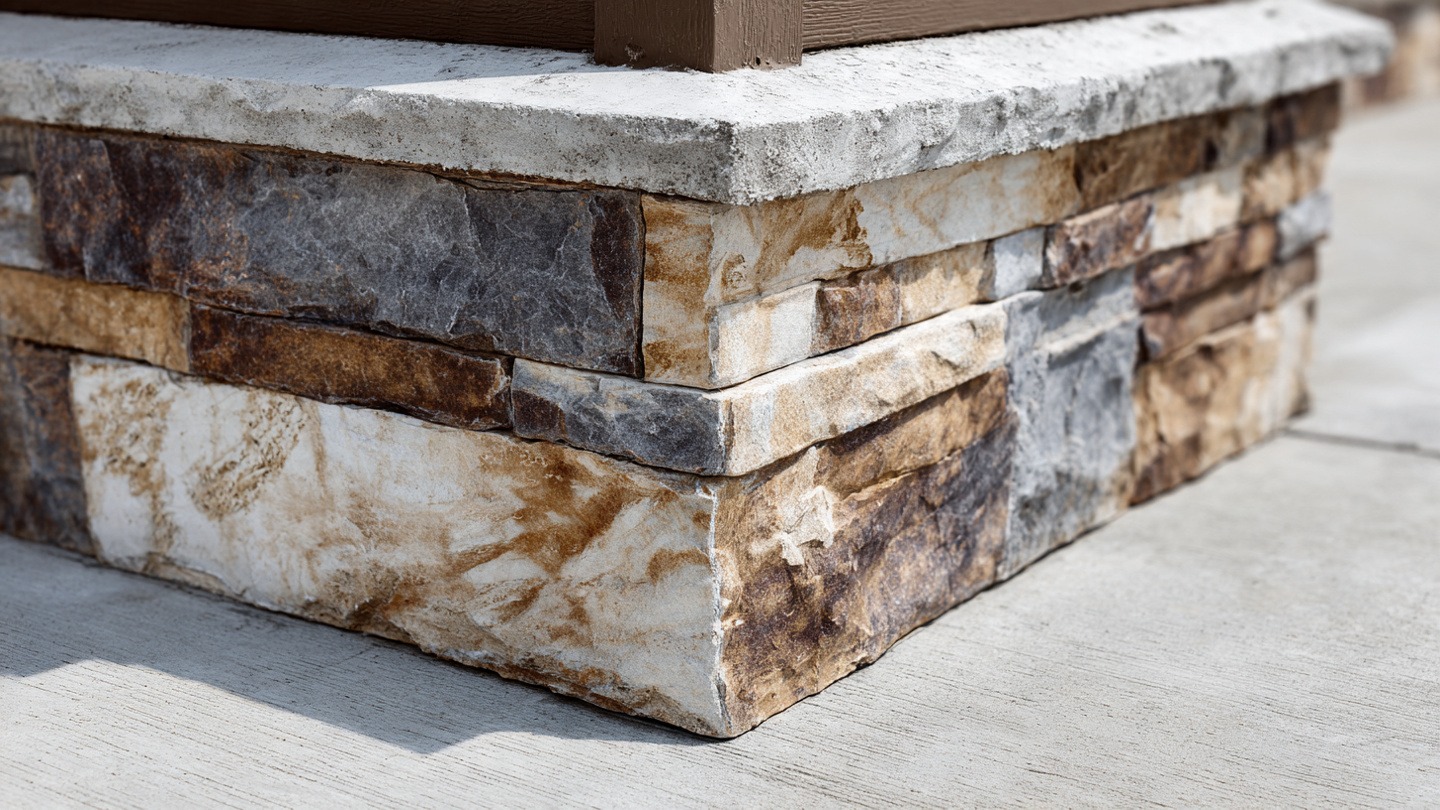
The most immediate giveaway of a prefabricated home is the gap between the chassis and the ground. To create a truly polished manufactured home exterior, you must address the skirting. The skirting serves as the visual anchor of your home; if it looks flimsy, the rest of the house will feel as though it is floating.
Vinyl skirting is the most common and affordable option, but it often reinforces the prefabricated stereotype. For those seeking a custom look, brick or faux-stone skirting is the gold standard. These materials provide a sense of weight and architectural permanence that mimics a traditional foundation. If a full masonry installation is outside your budget, high-quality composite panels with a stone texture can offer a similar visual impact without the extreme cost.
When choosing your base materials, consider the color of your primary siding. A darker base often makes the home feel more grounded, while a light-colored stone can make a smaller home appear wider and more expansive. Remember, the base of your manufactured home exterior sets the tone for everything above it; invest here first for the highest psychological impact.
If full stone skirting is too expensive, try “partial skirting.” Install stone or brick veneer only on the front focal points of the home and use high-quality, color-matched vinyl for the sides and rear where they are less visible.
Siding Upgrades for a Custom Look
Once the foundation is secure, it is time to look at the walls. Many homeowners start with basic vinyl, but exploring different manufactured home siding options can completely redefine the home’s character. Lap siding remains a classic choice, but adding texture is the key to a custom feel.
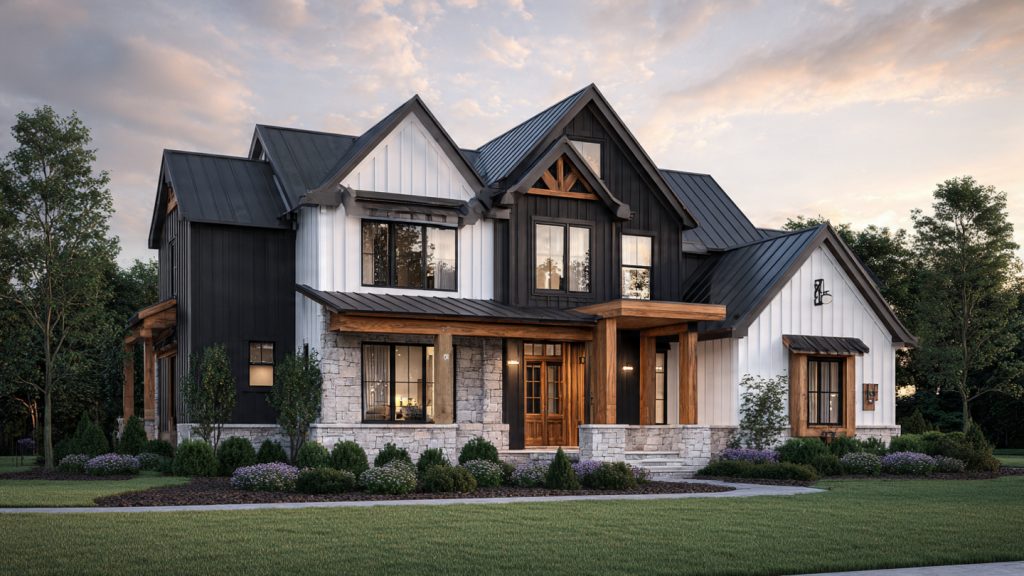
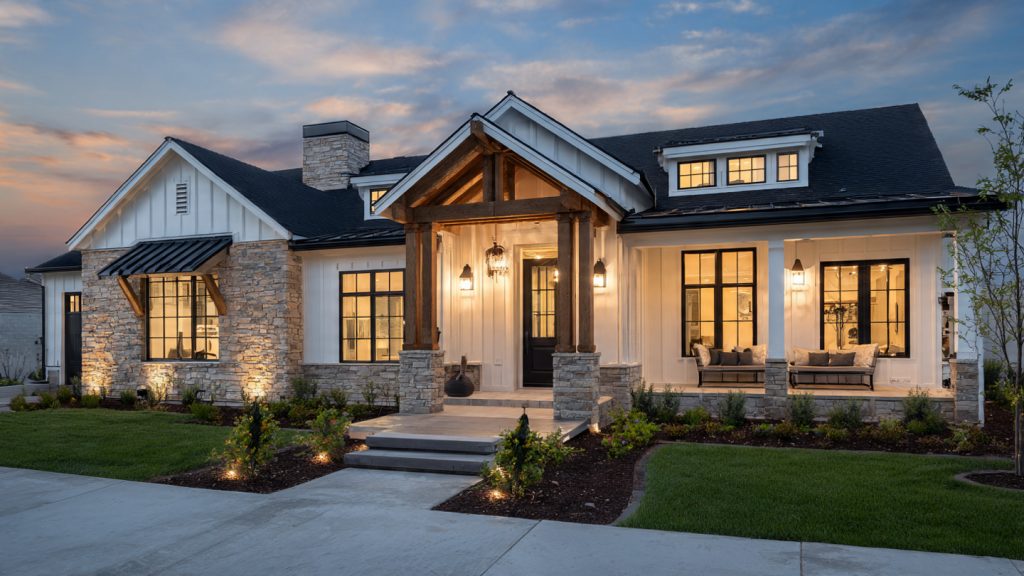
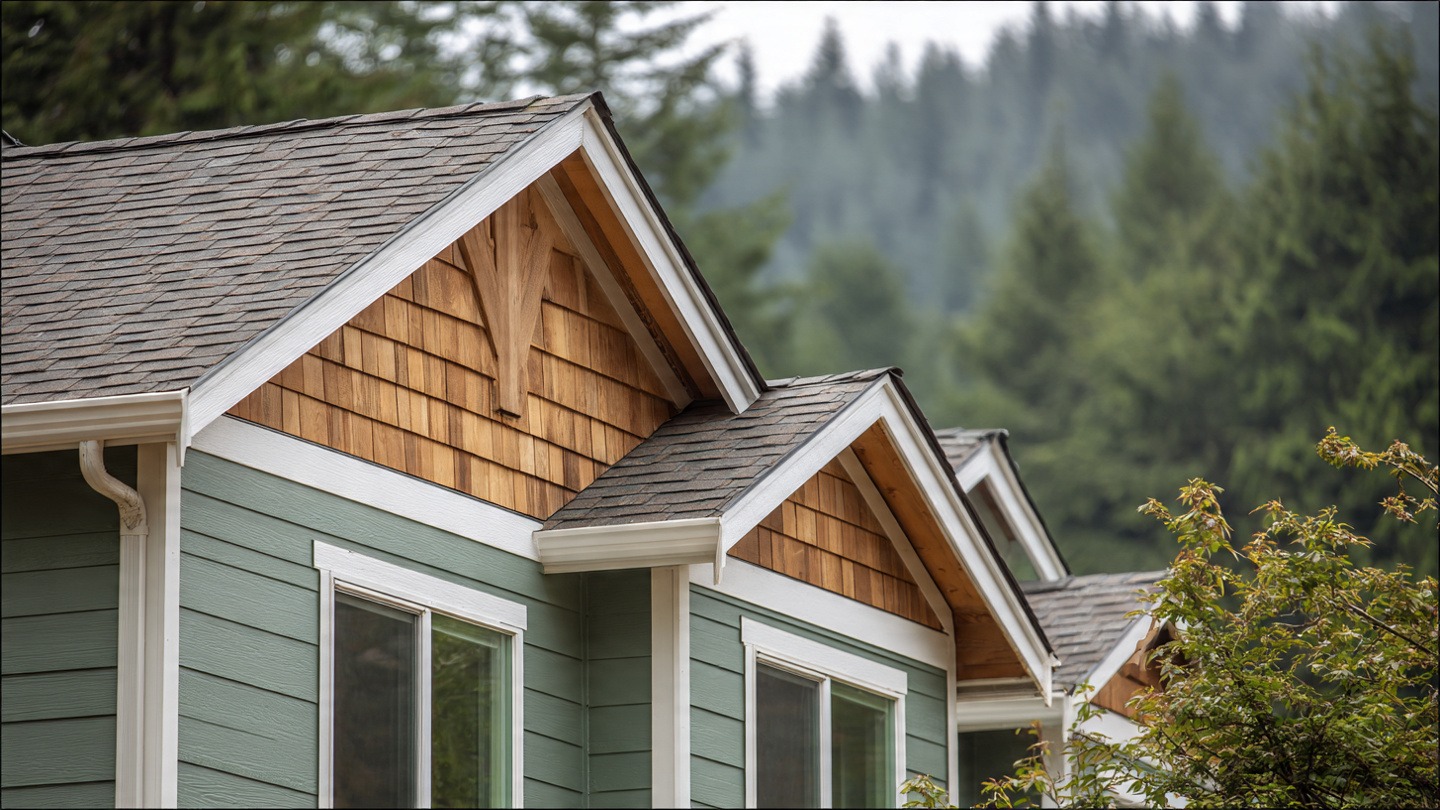
Consider incorporating board and batten on the gables or as a vertical accent on a specific section of the home. This architectural contrast breaks up the long, rectangular lines typical of manufactured homes, making the structure look more like a designed cottage or a modern farmhouse. Shake siding is another excellent addition, especially around porch entries, to add a rustic, handcrafted touch.
Color palette selection is equally critical. To make your manufactured home exterior look modern and integrated, move away from stark whites or dated beiges. Deep navy, charcoal grey, or sage green are currently trending and help the home blend into the natural landscape. Using a two-tone scheme-such as a dark main body with crisp white trim-creates a sophisticated contrast that screams “custom-built.”
Small Details That Make a Big Difference
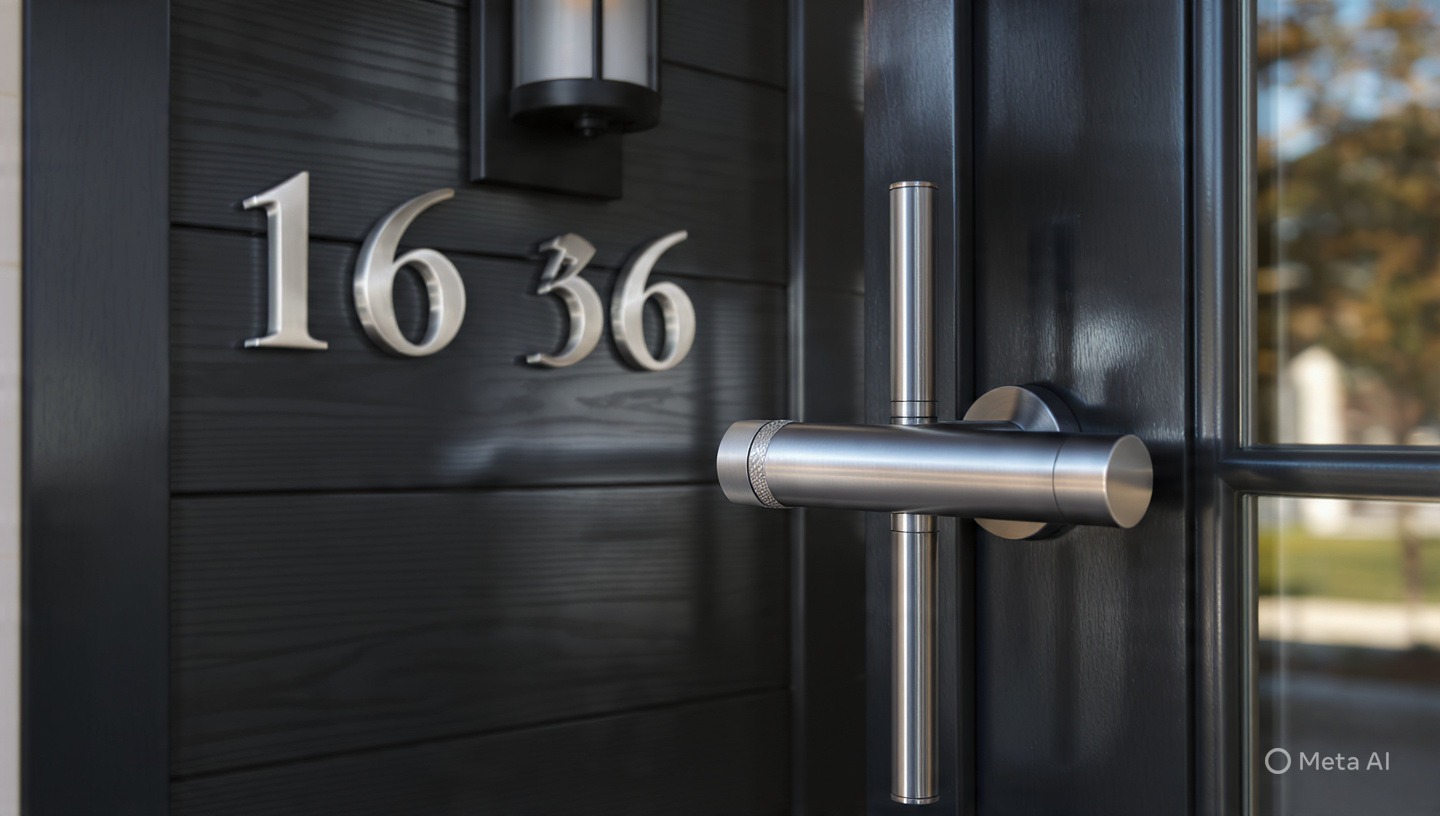
In the world of design, we often refer to hardware and fixtures as the “jewelry” of the home. These are the small, tactile elements that people notice when they walk up to your front door. Many manufactured homes come with generic, builder-grade fixtures that feel plastic and temporary. Replacing these is the fastest way to elevate your manufactured home exterior without a massive renovation budget.
Start with the house numbers and mailbox. Switching from standard stickers to bold, modern floating numbers in matte black or brushed nickel immediately signals attention to detail. Similarly, upgrading your door handle and lockset to a heavy, metallic finish provides a sensory cue of quality every time you enter your home.
Lighting is perhaps the most transformative “quick fix.” Generic porch lights often cast a harsh, unflattering glow. To create a welcoming atmosphere, you can update your exterior lighting fixtures with modern wall sconces. Opt for fixtures with a clean, geometric design and warm LED bulbs to create a high-end, inviting glow that lasts into the evening.
- High Priority: Replace skirting $\rightarrow$ Update front door hardware $rightarrow$ Install new lighting.
- Medium Priority: Paint trim $rightarrow$ Add window boxes $rightarrow$ Upgrade siding accents.
- Long-Term: Full siding replacement $rightarrow$ Build a permanent covered porch $rightarrow$ Professional landscaping.
Expanding the Footprint with Porches and Decks
One of the most effective ways to eliminate the “floating” look of a manufactured home is to extend the living space outward. A permanent deck or a covered porch does more than provide a place to sit; it physically bridges the gap between the structure and the earth, blending the manufactured home exterior into the surrounding yard.
The transition from the door to the ground is where most curb appeal is lost. Instead of using small, freestanding metal steps, install a wide, wooden or composite porch. A covered porch with substantial columns adds vertical architectural interest and creates a shadow line that gives the home more depth and dimension.
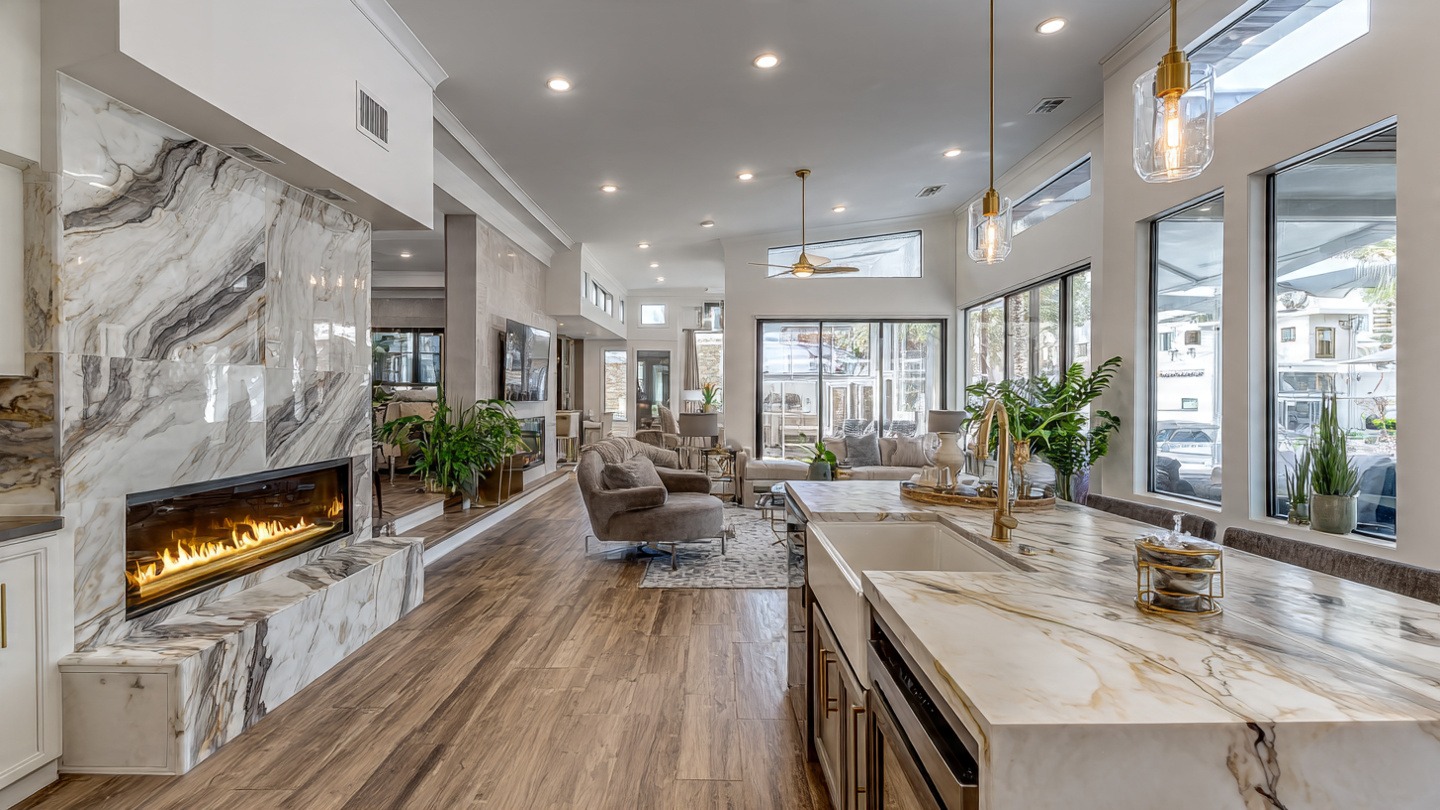
Discover the essential features of luxury mobile homes. From premium finishes to smart layouts, learn how to invest in a Read more
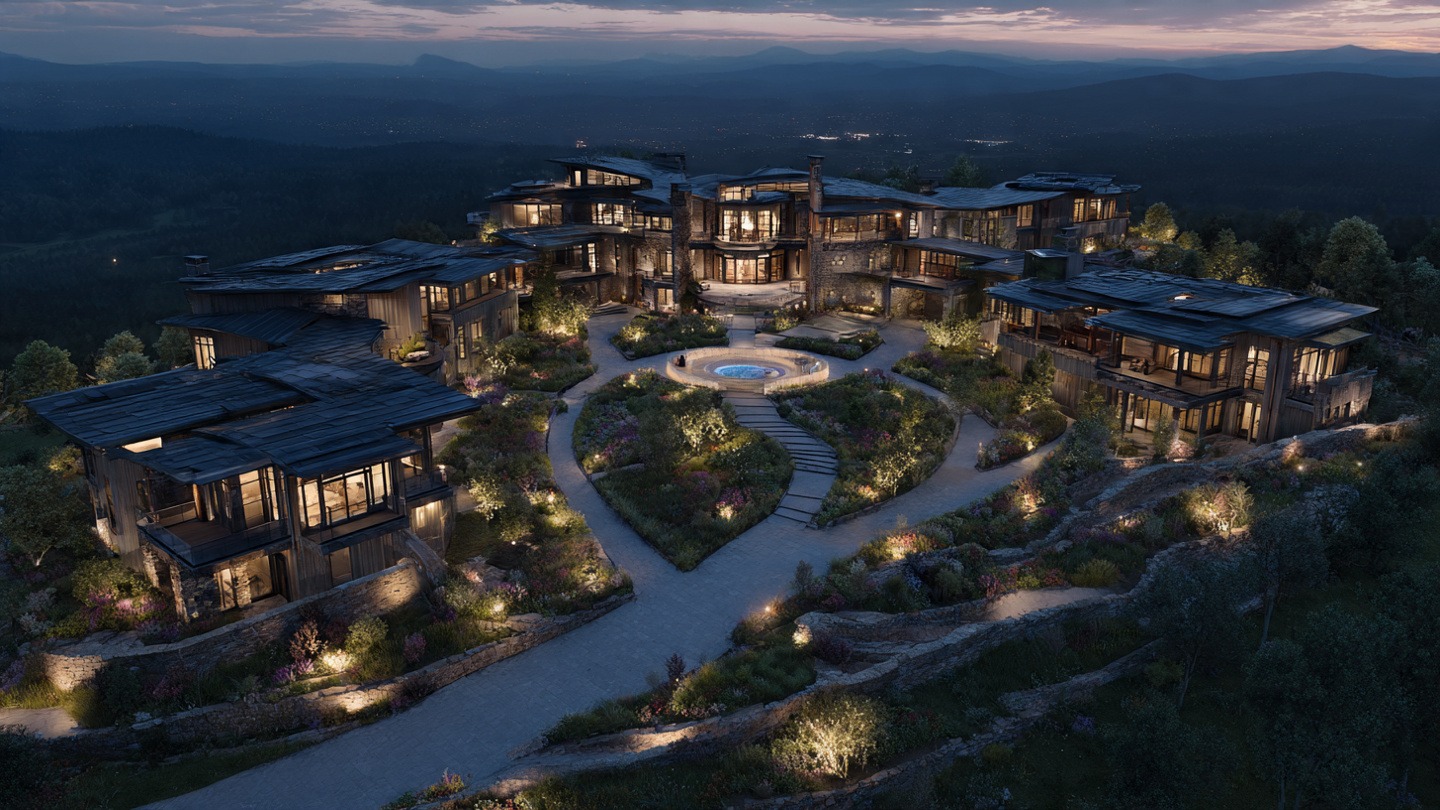
Designing a shared estate? Discover the best multi family compound ideas layout options to balance privacy and community. Start your Read more
Once the structure is in place, focus on the styling to make the space feel intentional. You can define your porch space with a weather-resistant rug. Adding textiles and comfortable seating transforms a simple landing into an outdoor room, making the entire property feel like a permanent residence rather than a temporary placement.
Before building a porch or deck, always check your local zoning laws and community guidelines. Some manufactured home parks have strict rules regarding the size, material, and height of permanent additions. Failing to get a permit can lead to costly fines or a requirement to tear down your new addition.
Landscaping to Frame Your Home
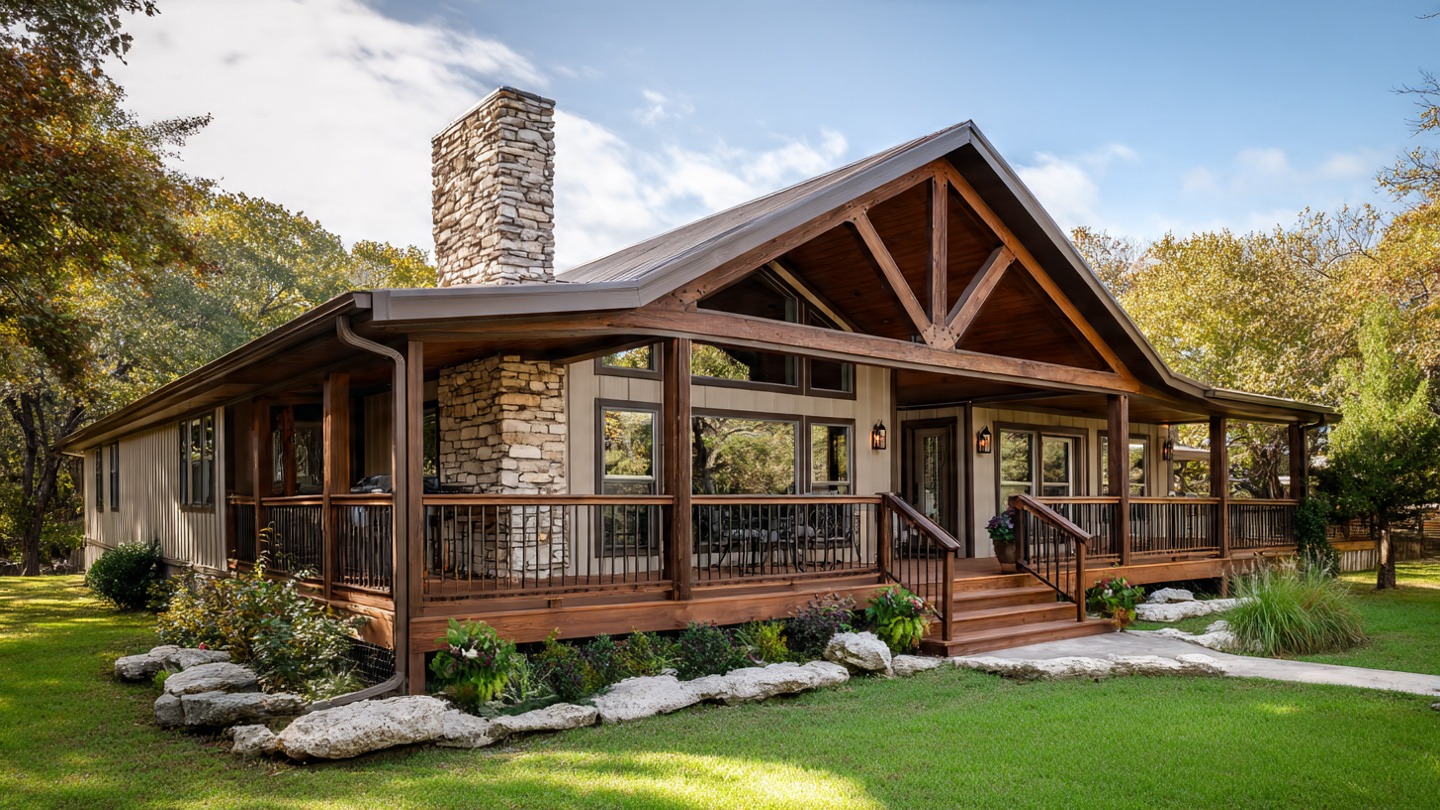
Landscaping is the final layer of the manufactured home exterior puzzle. Without plants, a home can look stark and exposed. The goal of landscaping for manufactured homes is to “frame” the structure and soften the hard lines of the skirting.
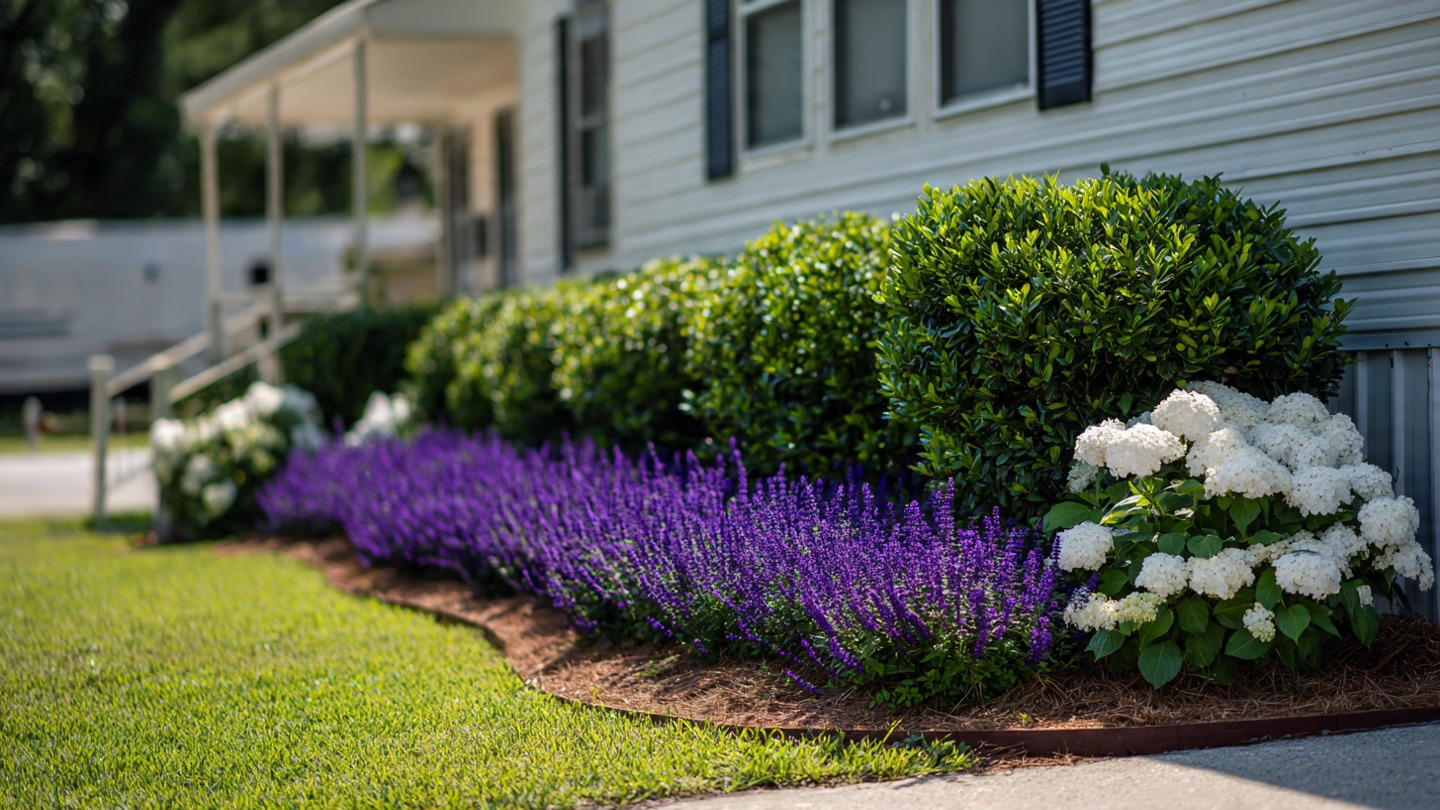
Create a blueprint that focuses on layering. Start with mid-sized evergreen shrubs planted along the base of the home to partially hide the skirting line and create a natural transition to the lawn. In front of the shrubs, add flower beds with a mix of perennials and annuals that draw the eye toward the main entrance. This creates a visual path that guides guests toward the home.
To ensure your home looks stunning at night, you can install solar pathway lighting. These lights require no electrical wiring, making them an easy addition that adds a layer of luxury and safety to your walkway.
FAQ: Manufactured Home Exterior Questions, Answered
Do I need a permit for exterior changes?
Generally, cosmetic changes like painting or lighting do not require permits. However, structural changes such as adding a porch, changing the skirting material to masonry, or replacing siding often do. Always check with your local building department first.
What is the best paint for metal siding?
For metal siding, use a high-quality exterior acrylic latex paint specifically formulated for metal. Ensure you use a rust-inhibiting primer first to prevent peeling and ensure a long-lasting finish.
Which upgrades offer the highest ROI?
Upgrading the skirting and adding a permanent deck typically offer the highest return on investment. These changes fundamentally change the perceived value of the home by making it look like a permanent site-built property.
Transforming your manufactured home exterior is a journey of small, intentional choices. By focusing on the psychology of permanence-grounding the home with quality skirting, adding architectural texture with siding, and framing the property with thoughtful landscaping-you can create a residence that is not only beautiful but a true reflection of your personal style.