
Garden Diy: Start with the Decisions That Matter Most
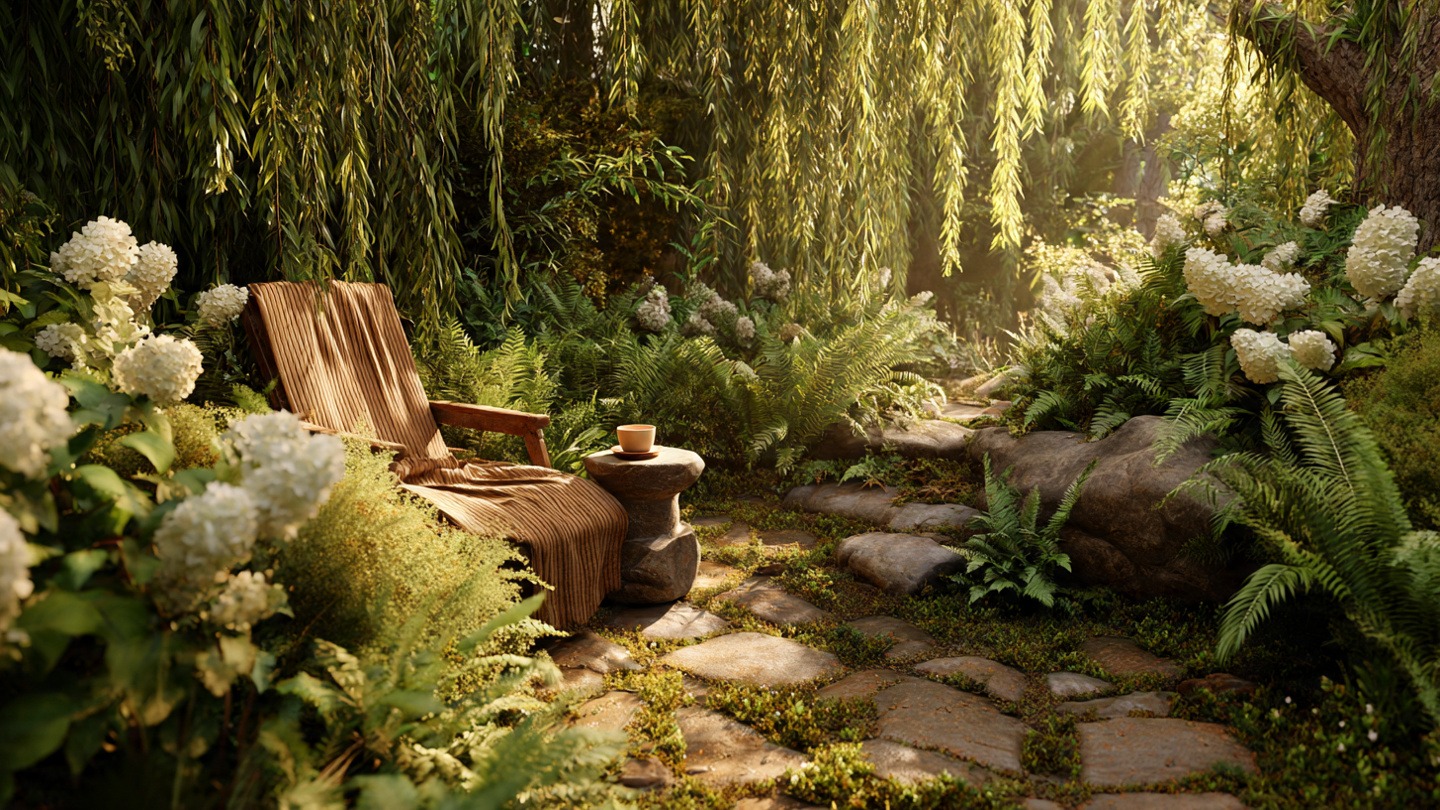
There is a profound psychological shift that happens when we step away from screens and immerse ourselves in nature. Whether it is the scent of damp earth or the sight of a budding flower, spending time outdoors reduces cortisol levels and boosts overall mental clarity. However, many homeowners feel overwhelmed by the prospect of landscaping, often believing that a professional redesign requires a massive budget and a team of contractors. This is where the beauty of garden diy comes into play.
By taking a hands-on approach, you can transform a sterile lawn into a living sanctuary that reflects your personality. Garden diy is not just about saving money; it is about the satisfaction of creating something functional with your own two hands. Whether you have a sprawling acre or a tiny urban balcony, there is a project for every skill level. By following a growth path from simple decor to actual construction, you can build your confidence and your home value simultaneously.
Quick Wins: Low Effort Garden DIY for Beginners
For those new to the world of outdoor improvement, the best way to start is with “quick wins.” These are projects that require minimal tools, take under two hours to complete, and provide immediate visual gratification. Starting small prevents burnout and allows you to experiment with your style before committing to larger garden diy structures.
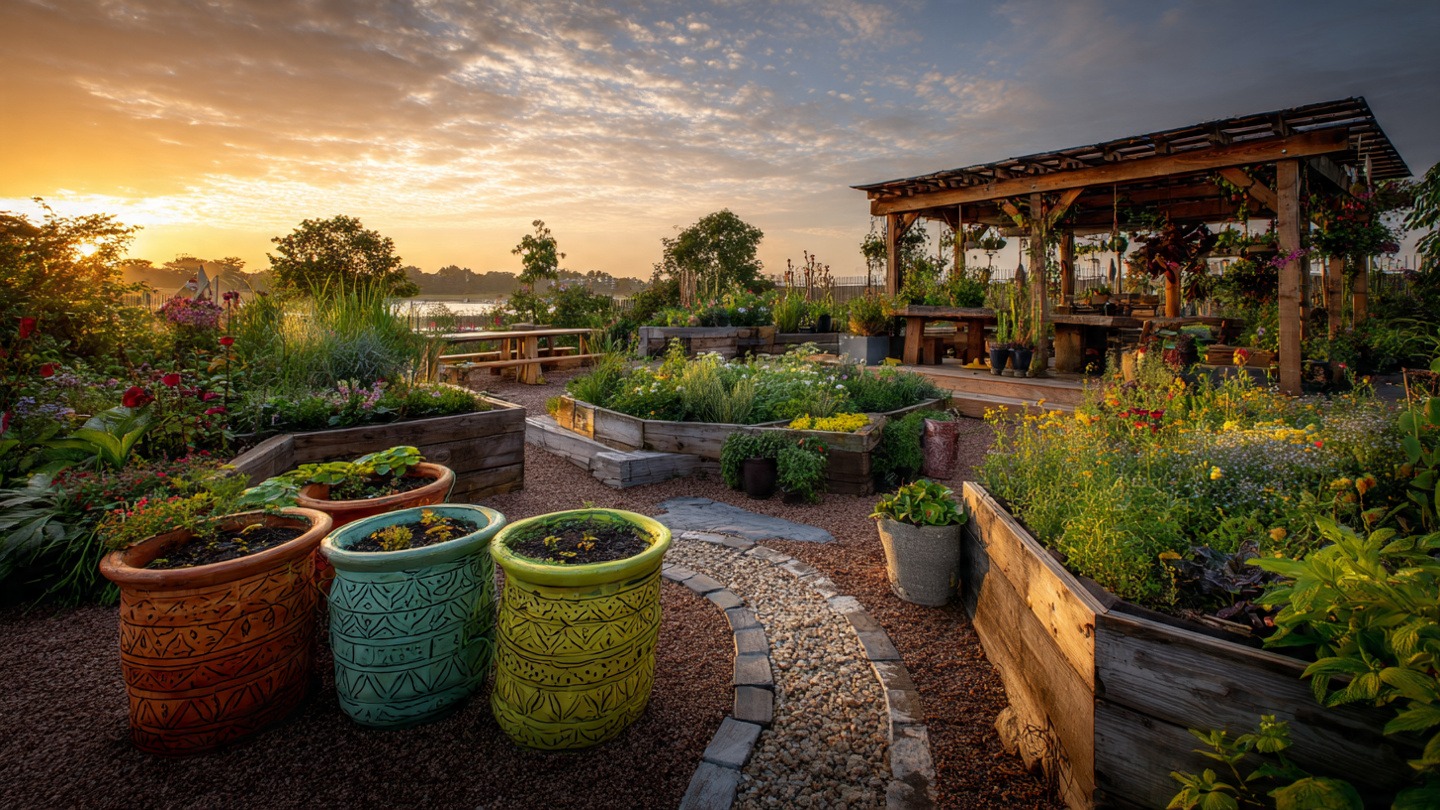
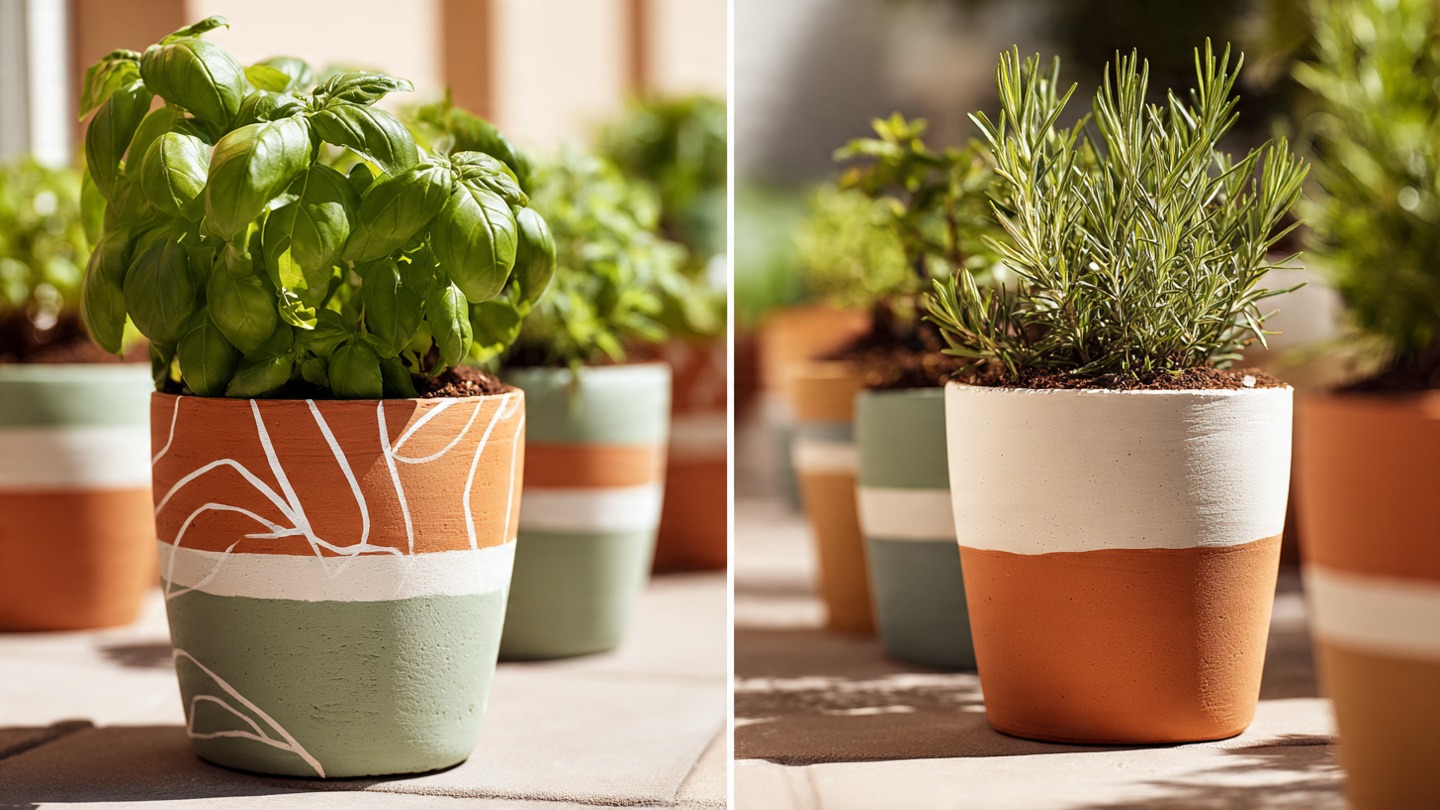
Project 1: Artistic Pot Refresh
Skill Level: Beginner
- Materials: Old terracotta pots, acrylic outdoor paints, brushes, and a clear sealant.
- Process: Clean your pots thoroughly. Apply a base coat of paint, then add geometric patterns or bright colors to breathe new life into old containers.
- Pro-Tip: Always seal your paint with a clear coat to prevent peeling during winter frosts.
Project 2: The Instant Ambient Glow
Skill Level: Beginner
- Materials: Solar fairy lights, garden stakes or twine.
- Process: String the lights along your favorite focal point and ensure the solar panels are placed in a spot that receives at least six hours of direct sunlight.
Lighting is the fastest way to change the mood of a space. Instead of complex wiring, you can use ambient solar lighting to define your pathways or drape over a fence. These lights require zero electrical knowledge and provide an instant magical atmosphere as soon as the sun sets.
Mid-Level Builds: Adding Structure and Function
Creating a small herb spiral is one of the most rewarding low budget garden projects. By stacking stones in a rising spiral, you create different microclimates (dry at the top, moist at the bottom) for various herbs.
Creating a small herb spiral is one of the most rewarding low budget garden projects. By stacking stones in a rising spiral, you create different microclimates (dry at the top, moist at the bottom) for various herbs.
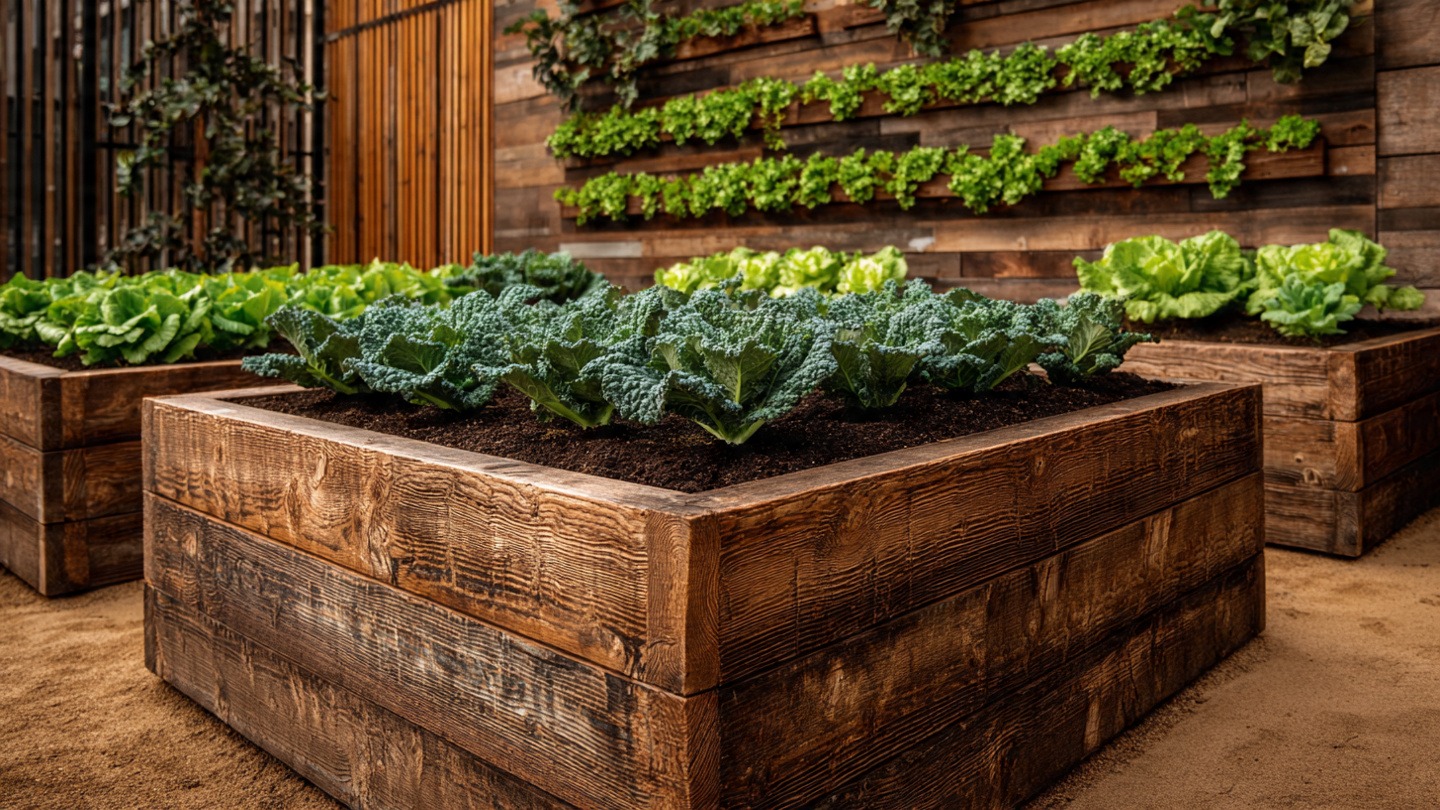
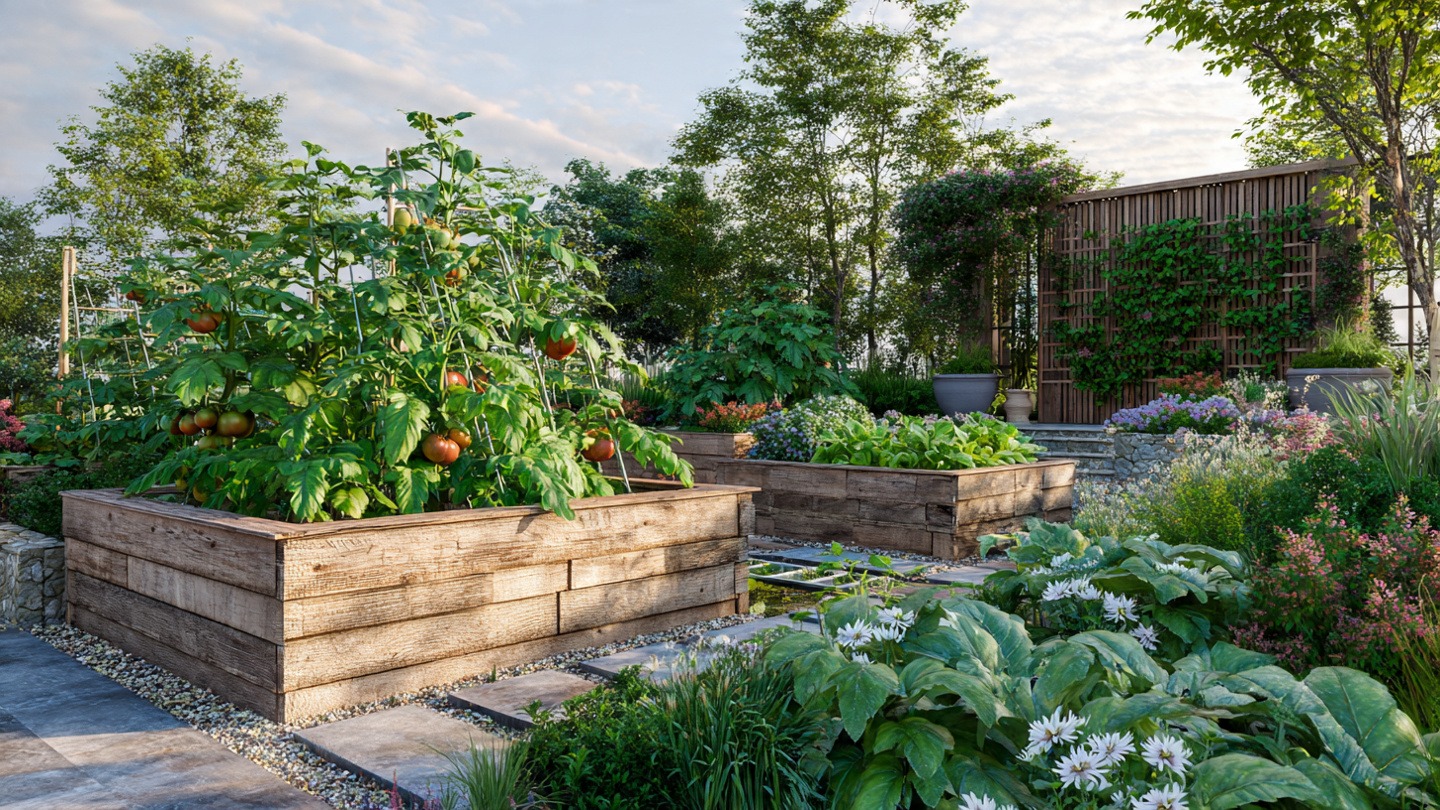
Project 1: Custom Raised Garden Beds
Skill Level: Intermediate
- Materials: Untreated cedar or redwood planks, galvanized screws, landscape fabric, and garden soil.
- Process: Cut your planks to size, drill pilot holes to prevent the wood from splitting, and screw the corners together to form a rectangle. Line the bottom with landscape fabric to stop weeds from invading.
- Pro-Tip: Use cedar because it is naturally rot-resistant, meaning your beds will last years longer than pine.
Raised beds are a game-changer for home gardeners. They provide superior drainage, prevent soil compaction, and save your back from excessive bending. To build these, you will need a reliable power drill to secure the timber frames together efficiently.
The Sustainable Approach: Upcycling Your Waste
Discover creative gardening ideas for every yard size. From low-maintenance beds to urban edible gardens, find the perfect plan for Read more
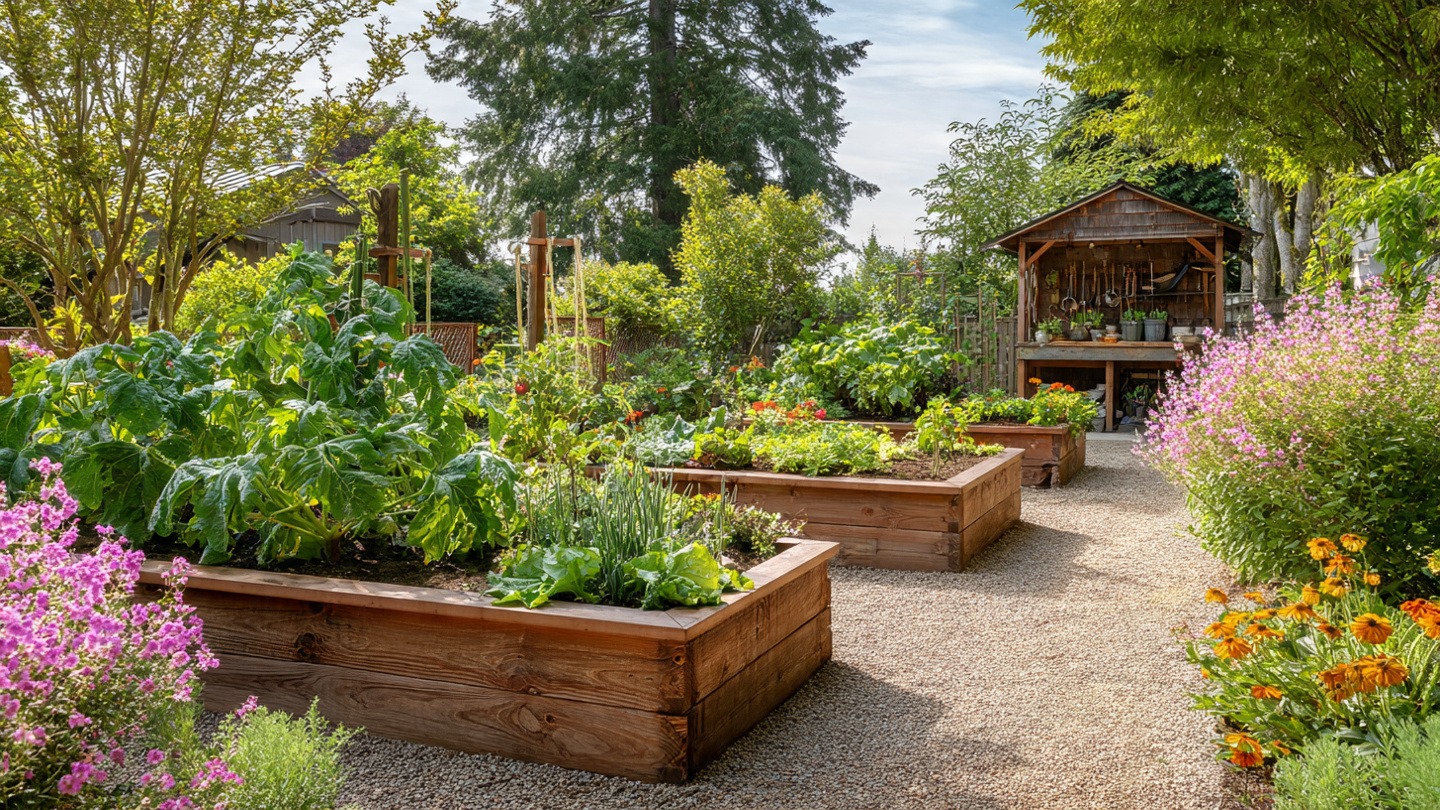
Transform your backyard with a custom diy garden. Learn how to plan, plant, and maintain your outdoor space with our Read more
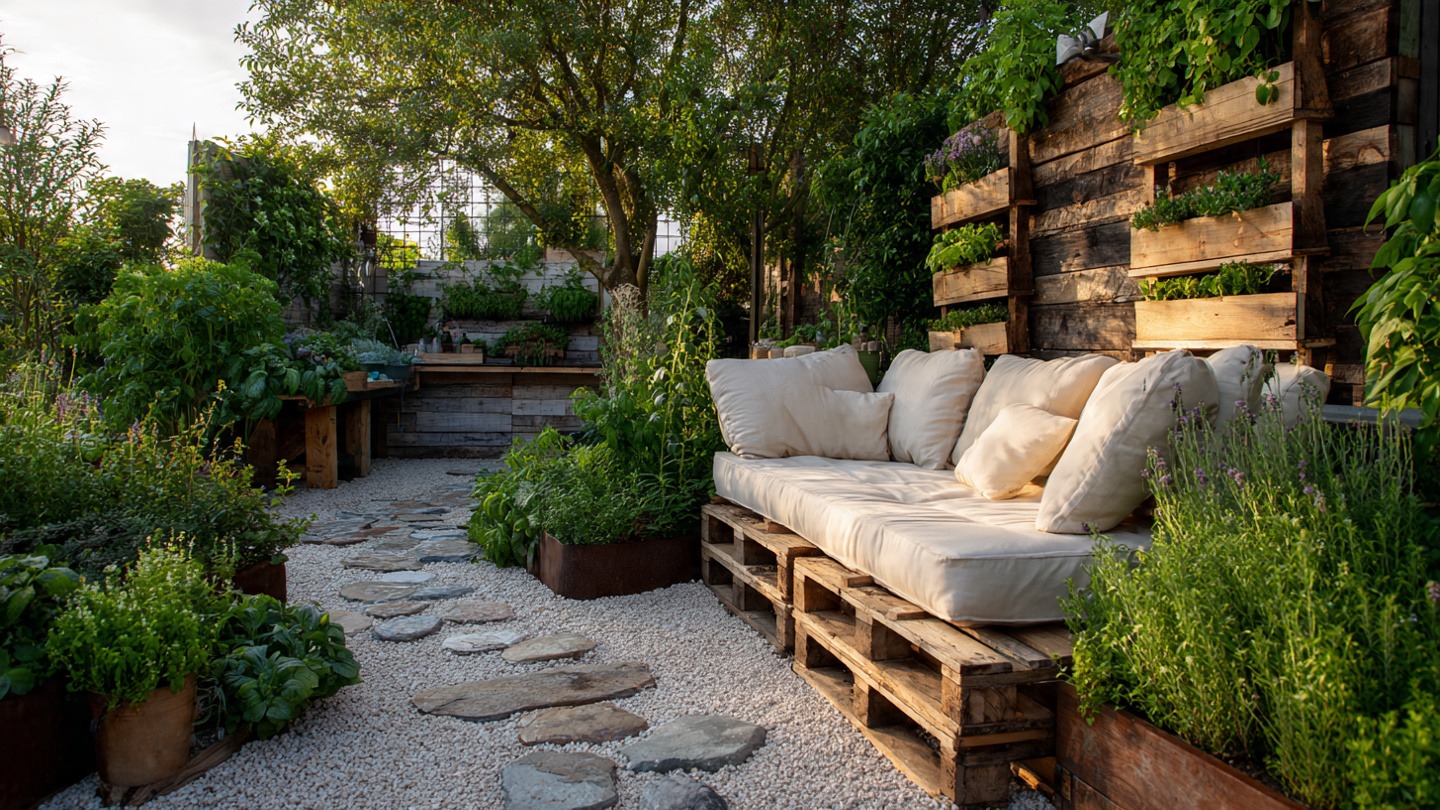
Transform your backyard with these sustainable and budget friendly diy garden projects. Get step by step guides to create a Read more
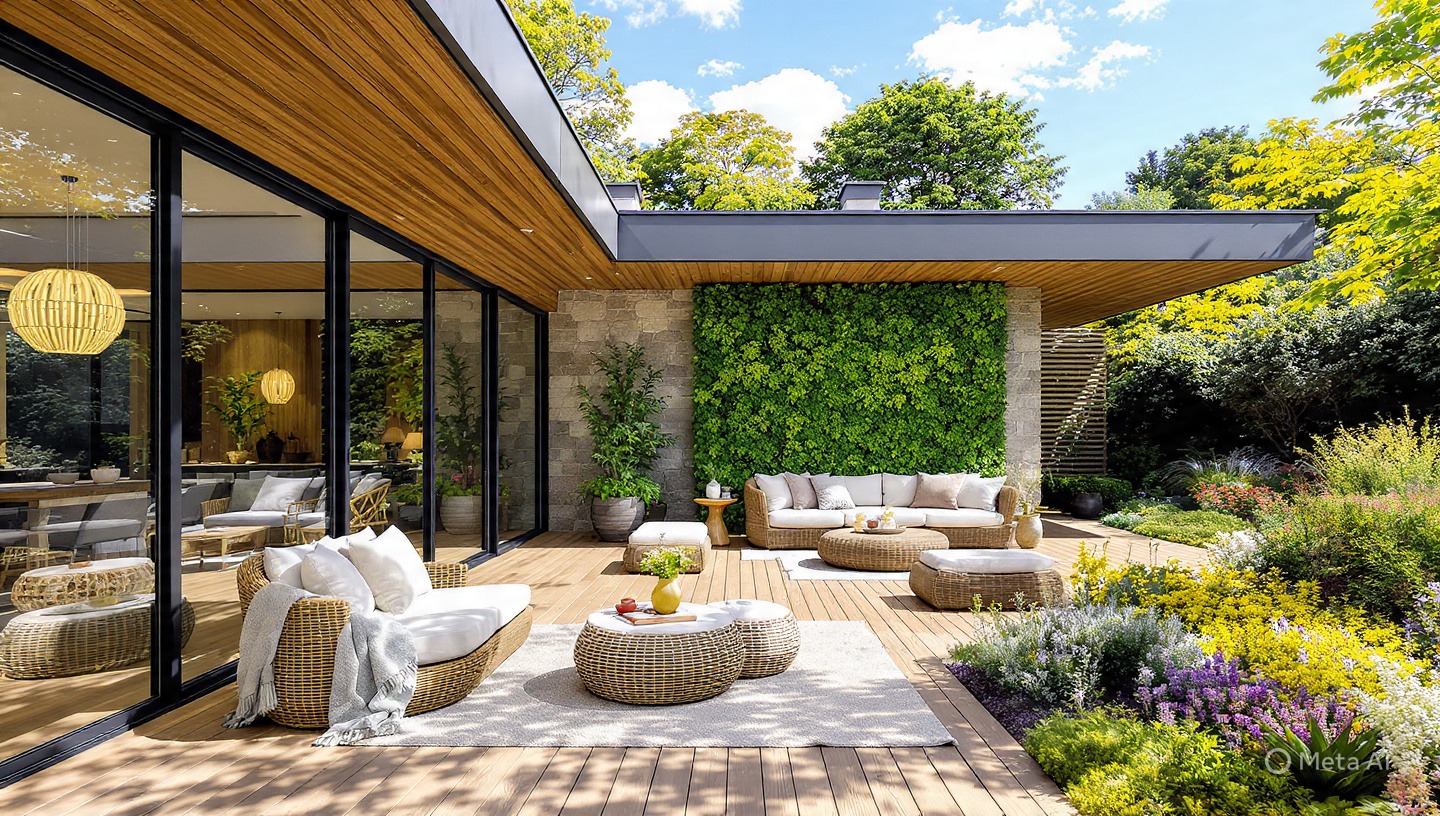
Stop staring at a blank lawn. Explore creative garden ideas for every space, from tiny balconies to sprawling yards. Start Read more
Project 2: Vertical Planter Walls
Skill Level: Intermediate
- Materials: Wooden trellis or a sturdy wall mount, potting mix, and shallow planters.
- Process: Secure your trellis to a sunny wall. Attach planters at staggered heights to ensure every plant receives adequate sunlight.
- Pro-Tip: Place water-loving plants at the bottom and drought-tolerant species at the top, as water naturally drains downward.
If you are working with limited square footage, verticality is your best friend. A vertical planter allows you to grow a lush wall of greens without sacrificing floor space.
If you are working with limited square footage, verticality is your best friend. A vertical planter allows you to grow a lush wall of greens without sacrificing floor space.
Advanced Projects: The Weekend Warrior Blueprint
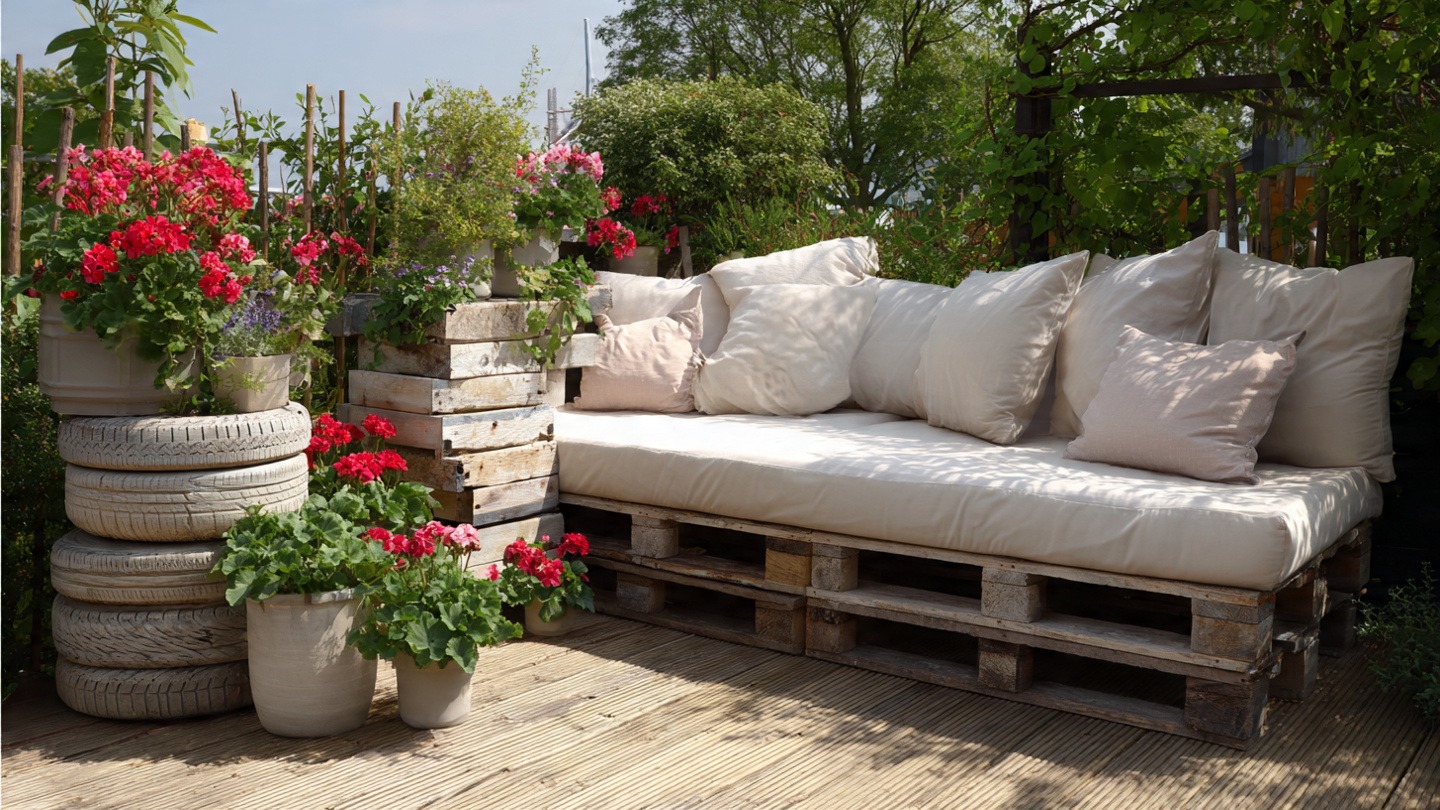
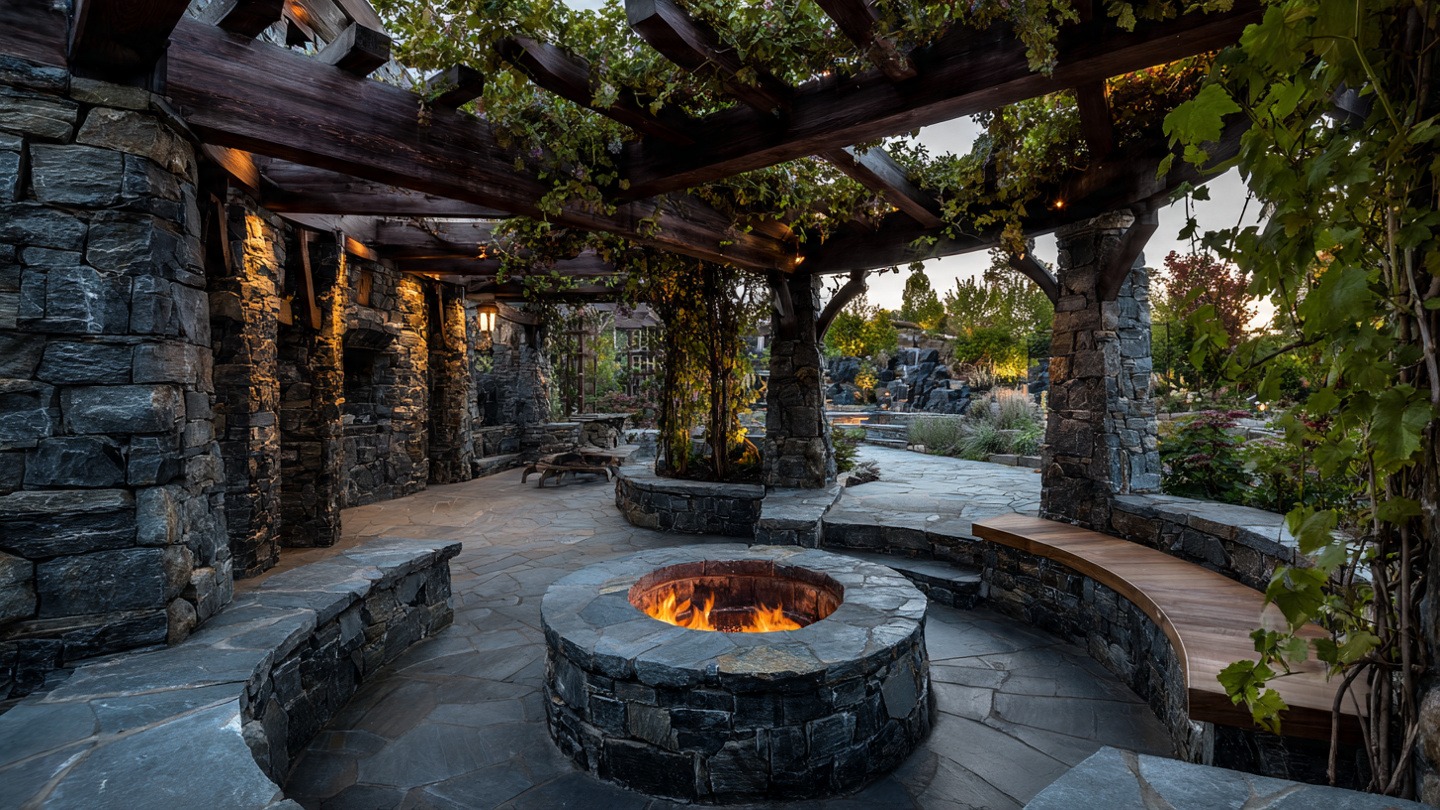
For those who have built their confidence, the advanced stage of garden diy involves permanent structures. These projects require precise measurements, heavy lifting, and a commitment to a full weekend of work. A DIY pergola or a stone fire pit are excellent ways to create a designated “outdoor room” that increases your property value.
The Blueprint for a DIY Pergola:
Step 1: Planning
Measure your area and mark the post locations. Check for underground utility lines before digging any holes. Draw a scale diagram to determine exactly how much lumber you need.
Step 2: Material Sourcing
- Pressure-treated 4×4 posts for the foundation.
- 2×6 beams for the roof structure.
- Heavy-duty joist hangers and exterior-grade screws.
- A high-quality weather-proofing sealant to protect the wood from rain and UV damage.
Step 3: Execution
Dig holes for the posts, set them in concrete for stability, and ensure they are perfectly plumb using a level. Install the cross-beams and top rafters. Once the structure is secure, apply the sealant liberally to every surface.
Warning: Large structures like pergolas can be heavy and unstable during assembly. Always have a partner help you lift beams and use temporary braces to hold posts in place until the concrete sets.
Common Garden DIY Hurdles and How to Clear Them
Even the most experienced enthusiasts hit a few bumps in the road. The most common mistake in garden diy is choosing materials based on looks rather than durability. For example, using interior paint outdoors will result in peeling within a single season. Always verify that your products are labeled “exterior grade.”
Another frequent hurdle is ignoring soil quality. You can build the most beautiful planter in the world, but if the soil is poor, your plants will fail. Always invest in high-quality organic compost and test your soil pH before planting. Finally, avoid the trap of underestimating time. A project that seems like it will take four hours often takes eight. Give yourself a buffer day to ensure you don’t rush the finishing touches.
Starting Your First Project This Weekend
The most difficult part of any garden diy journey is simply starting. It is easy to get caught up in the planning phase or feel intimidated by the professional photos you see online. Remember that your garden is a living entity; it is meant to evolve, and mistakes are simply part of the learning process.
Whether you decide to hang some solar lights or build a full-scale pergola, the goal is to create a space that brings you peace. Pick one small project from this list and commit to finishing it this weekend. Your personal sanctuary is waiting to be built.