
Tiny Houses Without the Hype, What Works First
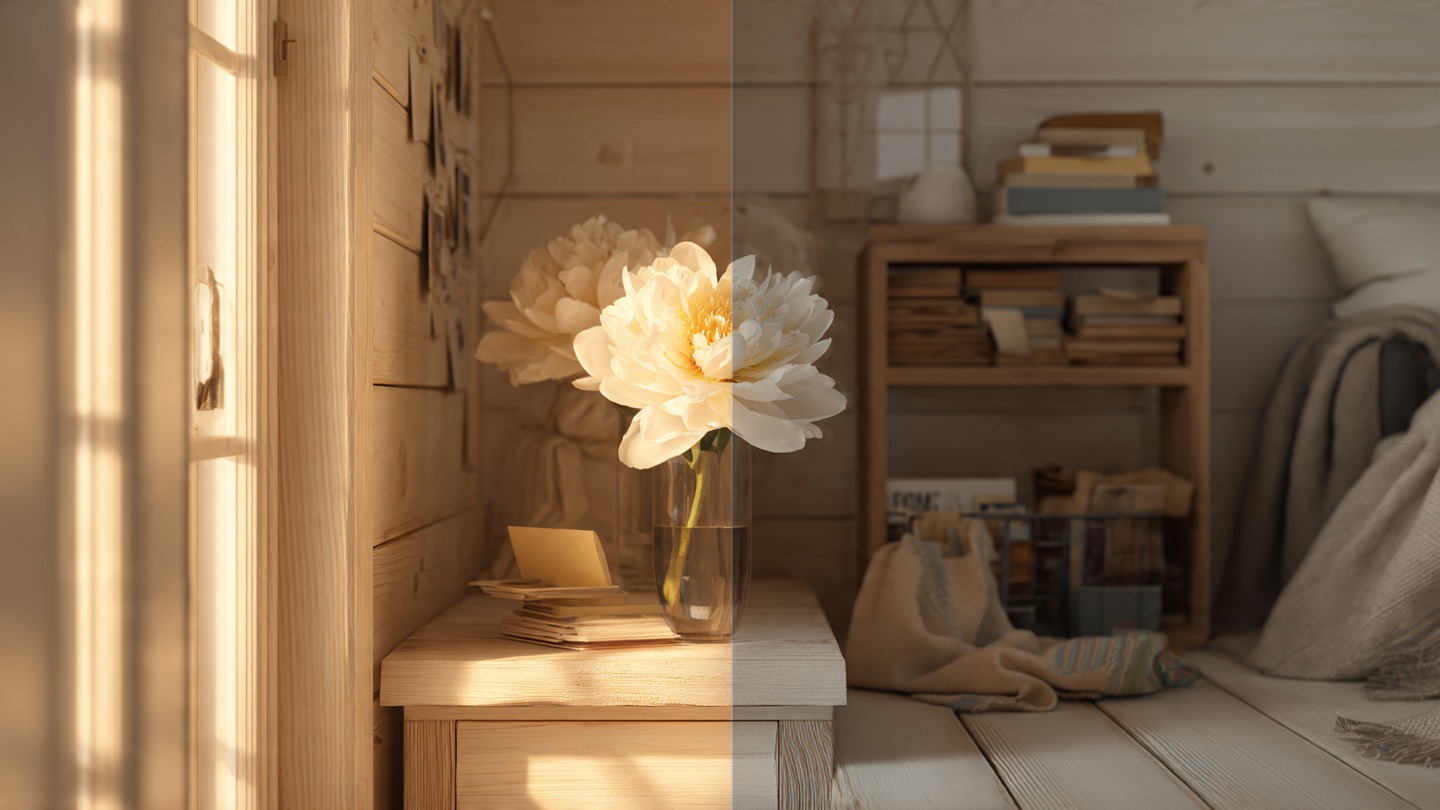
Scroll through any social media feed and you will see the romanticized dream: a sun-drenched cabin in the woods, a perfectly curated reading nook, and the liberating feeling of owning nothing but the essentials. The movement toward tiny houses promises a life of financial freedom and environmental consciousness. However, there is a significant gap between the aesthetic of a curated photo and the daily reality of living in 400 square feet.
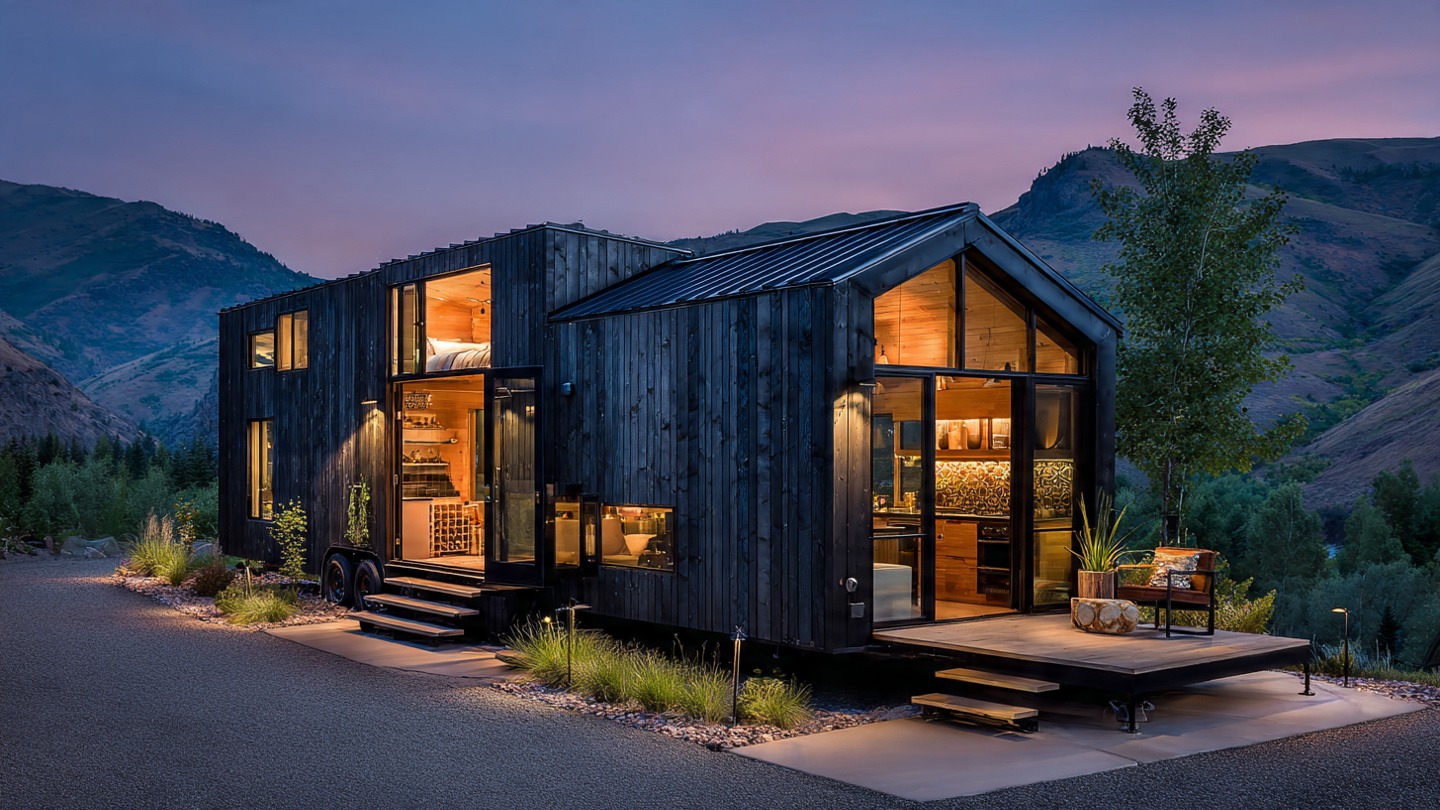
Modern tiny houses are generally defined as dwellings under 400 to 500 square feet, often designed with extreme efficiency in mind. While the allure of minimalist living is powerful, transitioning to this lifestyle requires more than just a love for small spaces. It requires a pragmatic approach to logistics, a shift in psychology, and a willingness to trade square footage for a different kind of richness.
The Critical Logistics Before You Downsize
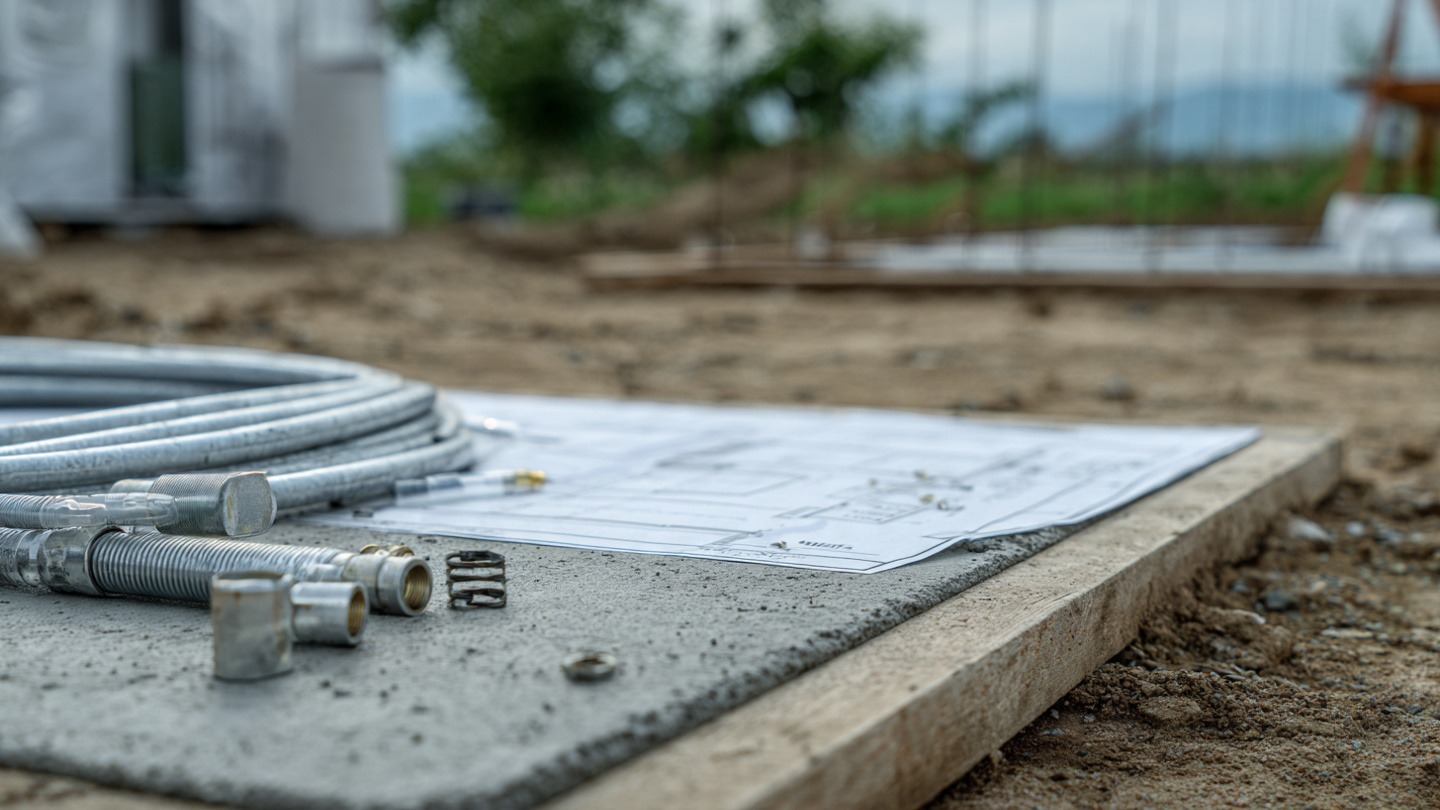
Before you start browsing floor plans, you must address the unsexy side of tiny house living: the legal and logistical framework. Many first-time buyers assume they can simply park a home anywhere, but zoning laws are the most common friction point in this journey.
First, you must decide between a Tiny House on Wheels (THOW) and a foundation-based tiny home. THOWs offer mobility and can sometimes bypass certain permanent structure building codes, but they often fall into a legal gray area. Some municipalities classify them as RVs, meaning you cannot legally live in them full-time on a residential lot. Foundation-based homes are more stable and easier to finance through traditional loans, but they are subject to strict local building codes and minimum square footage requirements that can make the “tiny” part of the build legally impossible in some cities.
Then, there is the matter of utilities. How will you handle water, electricity, and waste? If you are going off-grid, you will need to invest in solar arrays and composting toilets. If you are connecting to a city grid, the cost of bringing utilities to a remote piece of land can often exceed the cost of the house itself. Understanding these infrastructure needs is essential for a sustainable transition to tiny houses.
Designing for Function: Making Small Spaces Feel Large
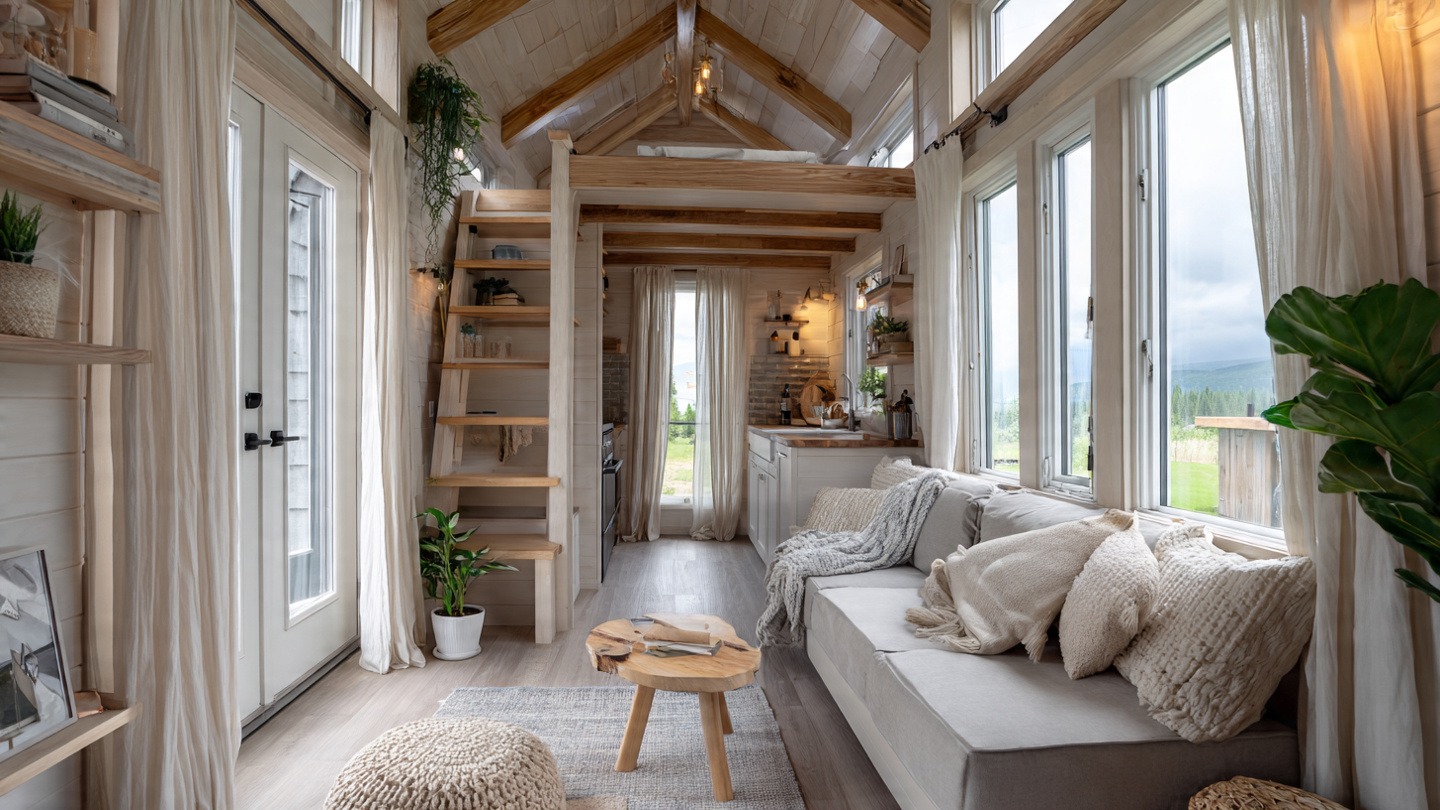
When it comes to tiny home interior design, the goal is to trick the eye and maximize every cubic inch. The biggest mistake beginners make is thinking horizontally. To make a small space feel expansive, you must think vertically. Use tall shelving that reaches the ceiling and utilize the space above doorways for seasonal storage.
Color palette choices are equally critical. Light, neutral tones reflect more light, which opens up the room. Avoid heavy, dark curtains or overly busy patterns that can make walls feel like they are closing in. Instead, focus on creating “multi-purpose zones.” For example, a living area can double as a home office if the furniture is chosen correctly.
One of the most effective ways to create an illusion of depth is through the strategic use of oversized mirrors. By placing a large mirror opposite a window, you bounce natural light throughout the room and visually double your square footage. We recommend incorporating a full length lean mirror for small spaces to add elegance and openness to a narrow hallway or bedroom area.
The Art of the Multi-Purpose Furniture Piece
In tiny houses, furniture cannot just be beautiful; it must be hardworking. Every piece should serve at least two functions. Murphy beds are the gold standard here, allowing a bedroom to transform into a living room in seconds. Similarly, storage ottomans provide a place to sit while hiding away blankets or electronics.
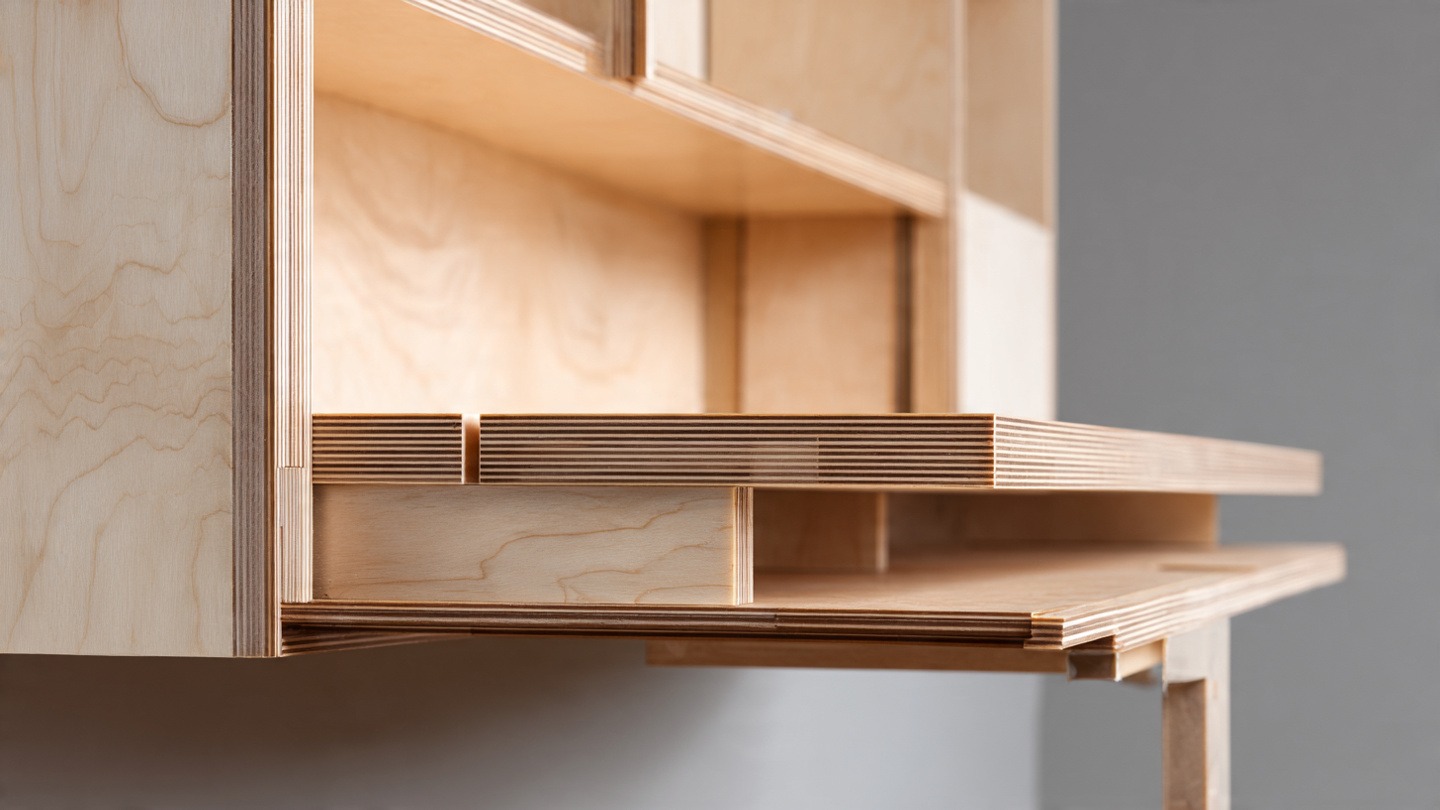
For those who work from home, a dedicated desk is often a luxury that takes up too much permanent real estate. This is where space-saving foldable workstations become essential. Integrating a foldable wall mounted desk allows you to have a professional workspace during the day that completely disappears when it is time to relax, maintaining the mental boundary between work and home.
The Downsizing Mental Shift: What to Keep and What to Toss
Downsizing is less about the physical act of moving and more about a psychological shift toward minimalist living. The friction occurs when we attach our identity to our possessions. To succeed, you must move from a mindset of “I might need this someday” to “Does this item add daily value to my life?”
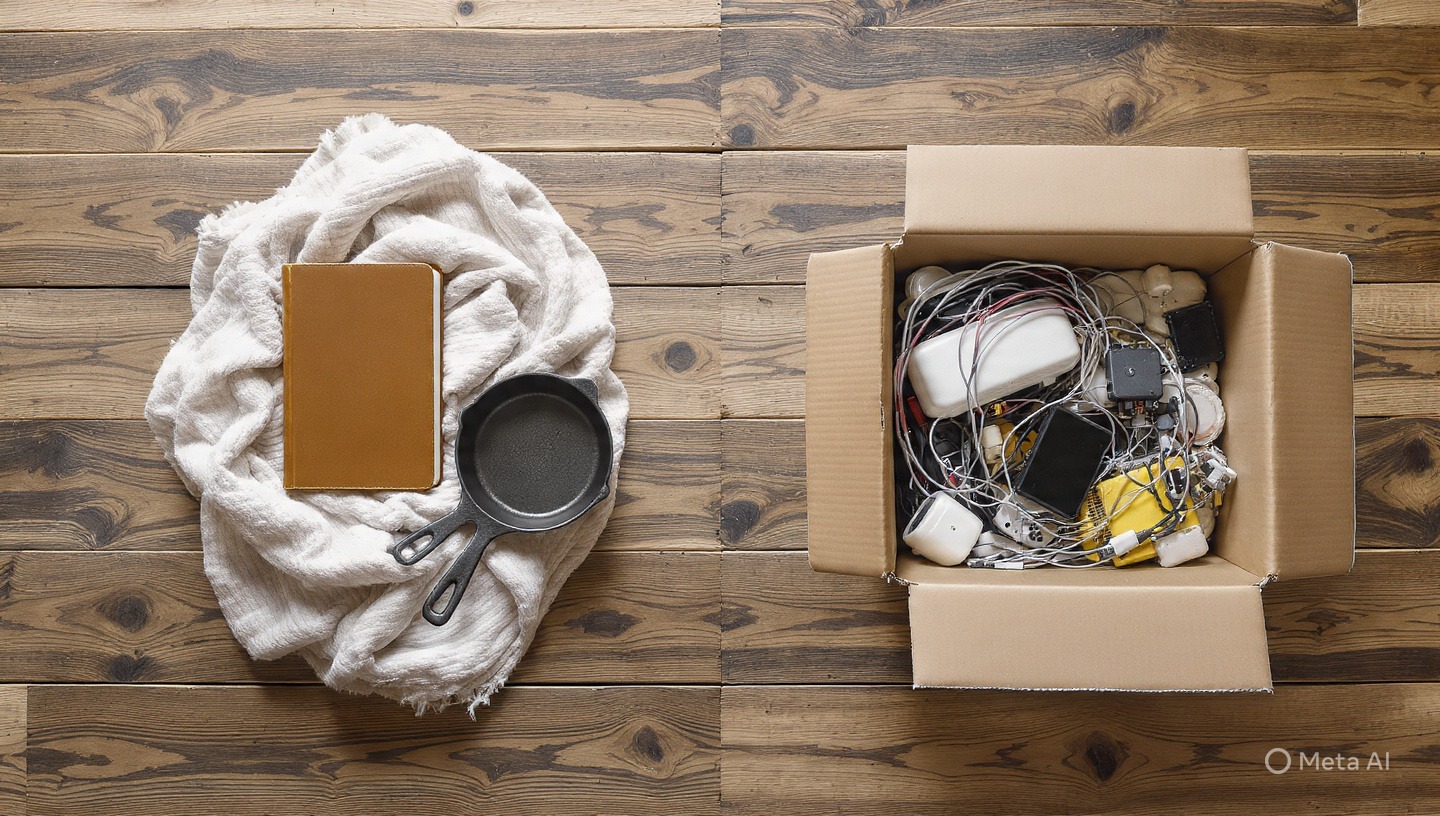
The process of downsizing tips often involves a brutal audit of your belongings. If you have not used an item in six months, it likely does not belong in a tiny home. For the items you absolutely cannot part with, such as sentimental clothing or winter gear, you need to utilize compressed storage solutions. Using vacuum storage bags for clothes can reduce the volume of your linens and apparel by up to 75 percent, freeing up precious cabinet space.
- Keep: High-quality multi-use tools, a capsule wardrobe, digital versions of documents, and one or two truly meaningful sentimental items.
- Toss/Donate: Duplicate kitchen gadgets, “just in case” clothing, bulky furniture that doesn’t fold, and physical media (DVDs/CDs).

Discover if tiny homes are right for you. We break down the costs, legal challenges, and smart design secrets for Read more
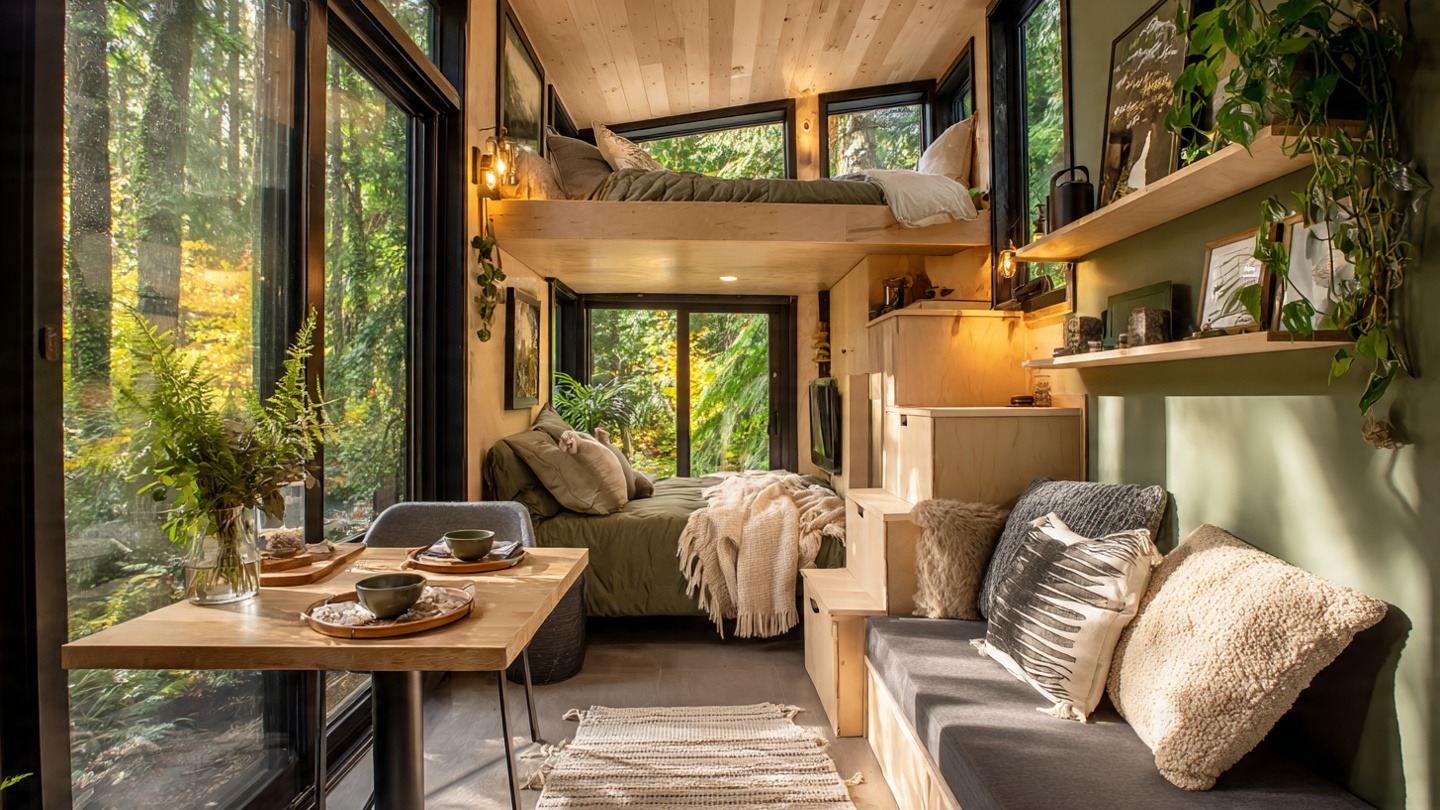
Explore the raw truth about tiny house living. From space-saving hacks to legal hurdles, learn how to downsize your life Read more
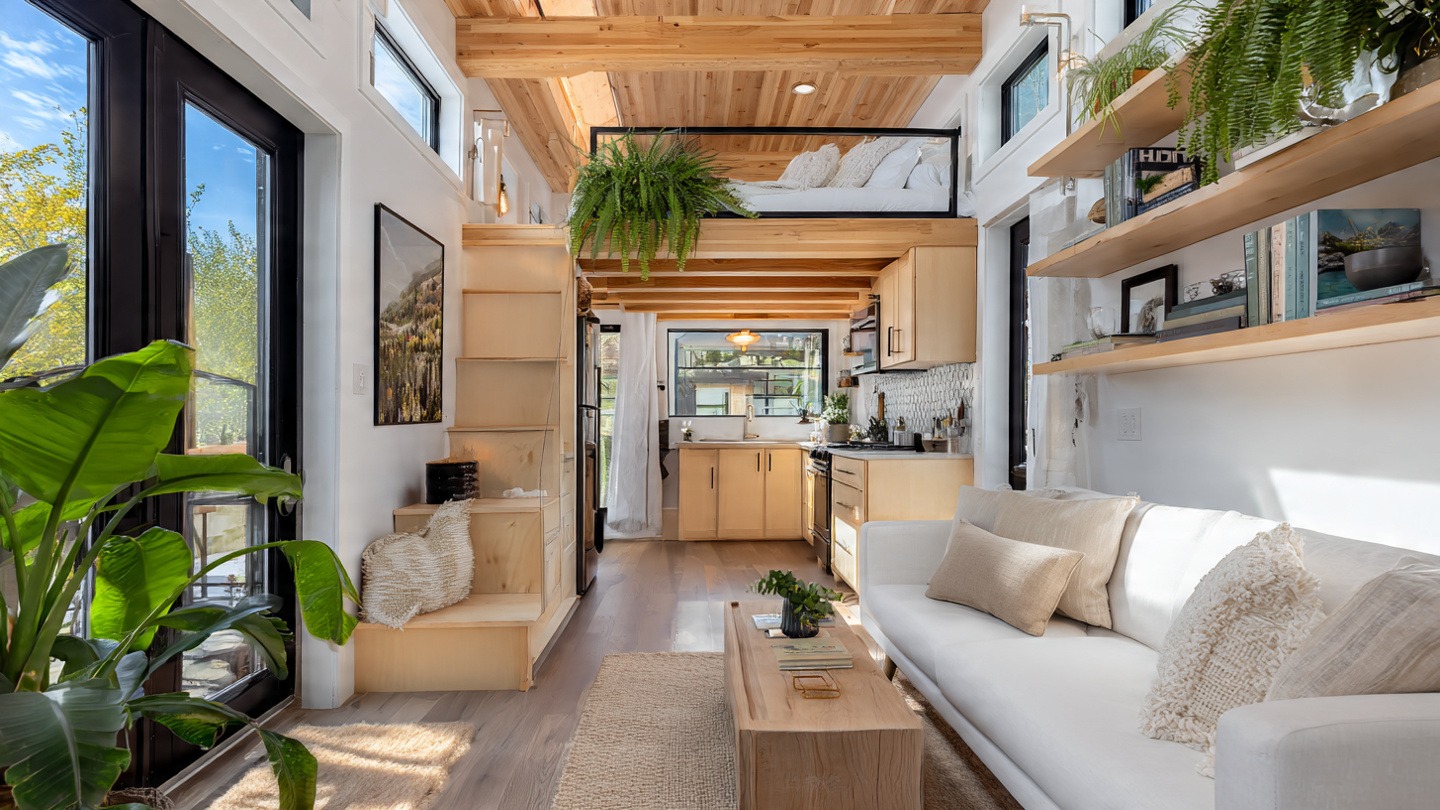
Discover clever tiny house ideas that blend style with function. From hidden storage to multi-use furniture, learn how to live Read more
FAQ: Tiny Houses Questions, Answered
One of the most frequent concerns regarding tiny houses is the management of guests. The simple answer is that your “living room” becomes your guest room. Investing in a high-quality sleeper sofa is key. For those worried about intimacy and privacy, creating distinct zones using curtains or shelving units can help a couple avoid feeling like they are on top of each other.
Plumbing and bathrooms are another common pain point. Many choose composting toilets to avoid the need for a complex septic system, while others opt for incinerating toilets. For showers, a wet-bath design (where the entire bathroom is waterproofed) is the most space-efficient option.
Finally, there is the psychological aspect of claustrophobia. The cure for this is “bringing the outside in.” Large windows, skylights, and a dedicated outdoor deck can make your home feel as though it extends far beyond its physical walls, preventing the feeling of confinement.
Deciding if Tiny Houses are Your Right Path
Ultimately, the transition to tiny houses is a trade-off. You are trading space and traditional social expectations for lower costs, less cleaning, and a smaller ecological footprint. It is a lifestyle that rewards discipline and intentionality but can be stifling for those who crave abundance in their physical surroundings.
Before you sell your current home or invest in a build, we strongly recommend a trial run. Rent a tiny home on Airbnb for a week or a month. Experience the reality of the narrow hallways and the limited storage. If you find the constraints liberating rather than limiting, then you are ready to embrace the journey of small space organization and the freedom of a tiny life.