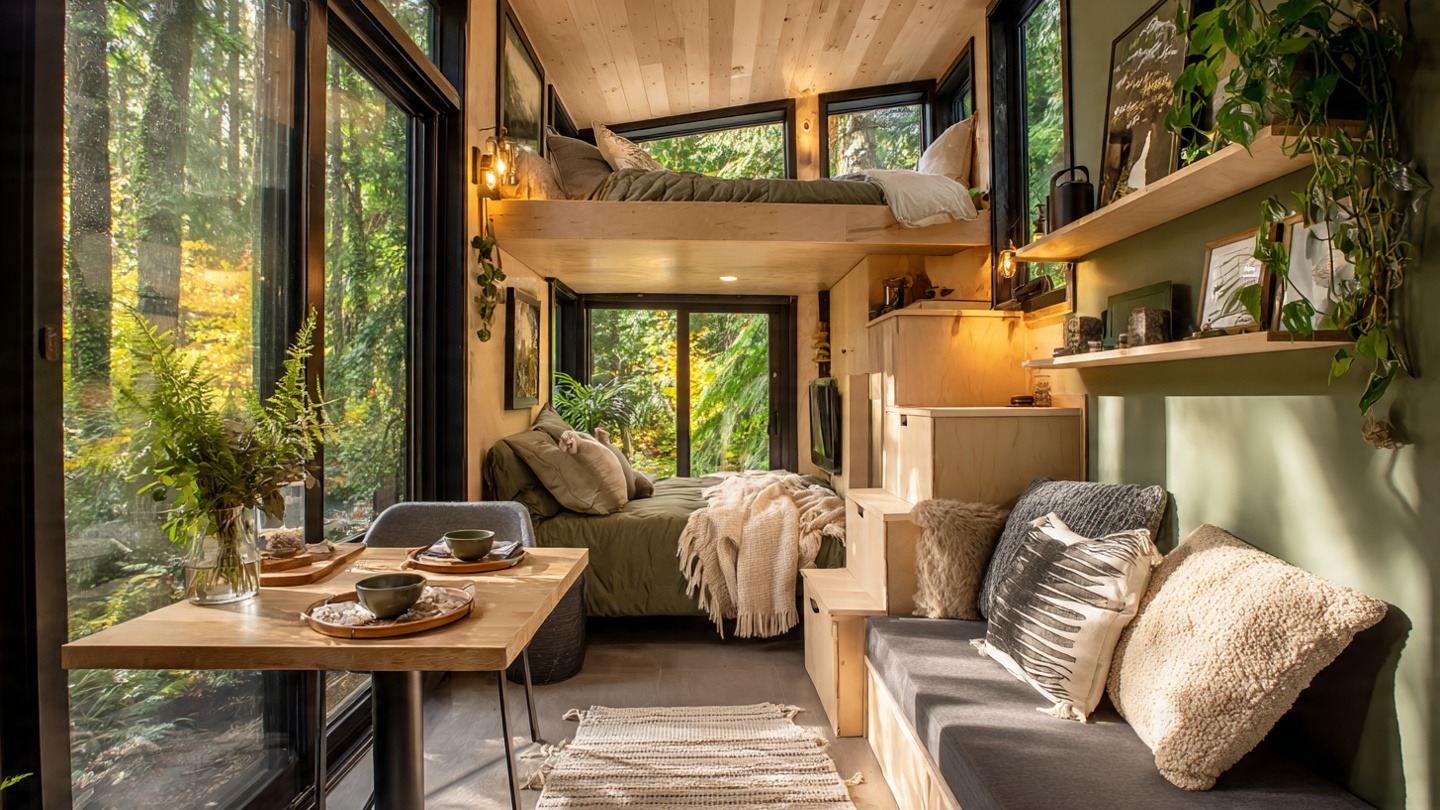

Inside Tiny House Living: A Practical Starting Point

If you spend any time on Instagram or Pinterest, you have likely seen the idealized version of tiny house living. It is usually portrayed as a sun-drenched loft with a perfectly curated reading nook, surrounded by a pristine forest. While the aesthetic is undeniably charming, the daily reality is far more complex. Moving into a space under 400 square feet is not merely a design choice; it is a fundamental shift in how you interact with your environment and your possessions.
True tiny house living is a philosophy of intentionality. It is the act of consciously deciding what adds value to your life and ruthlessly eliminating what does not. It is less about the reduction of square footage and more about the expansion of freedom. However, this freedom comes with a learning curve. From managing limited airflow to navigating the social dynamics of hosting guests in a shoe-box, the transition requires a mental fortitude that a pretty picture cannot convey. To succeed, you must move past the “cuteness” and prepare for the practical demands of a compact lifestyle.
The Mental Shift: Downsizing Your Belongings

The most daunting hurdle of tiny house living is not the construction, but the decluttering. For many of us, our identity is subconsciously tied to our belongings. Letting go of a childhood collection or a set of “just in case” kitchen gadgets can trigger unexpected emotional resistance. This is where a minimalist lifestyle becomes a necessity rather than a trend.
To navigate this, use a strict framework for deciding what stays. Ask yourself: “Have I used this in the last six months?” and “Does this serve more than one purpose?” If the answer is no, it is likely dead weight. When it comes to the items you absolutely cannot part with but do not need daily, such as winter coats or heirloom linens, smart storage is your best friend. Utilizing heavy-duty vacuum storage bags allows you to preserve these essentials without sacrificing precious cabinet space.
Remember that the goal is quality over quantity. Instead of owning ten mediocre shirts, invest in three high-quality pieces that last longer and look better. This shift in mindset reduces the mental clutter that often accompanies physical clutter, making the transition to a smaller footprint feel liberating rather than restrictive.
Maximizing Every Square Inch
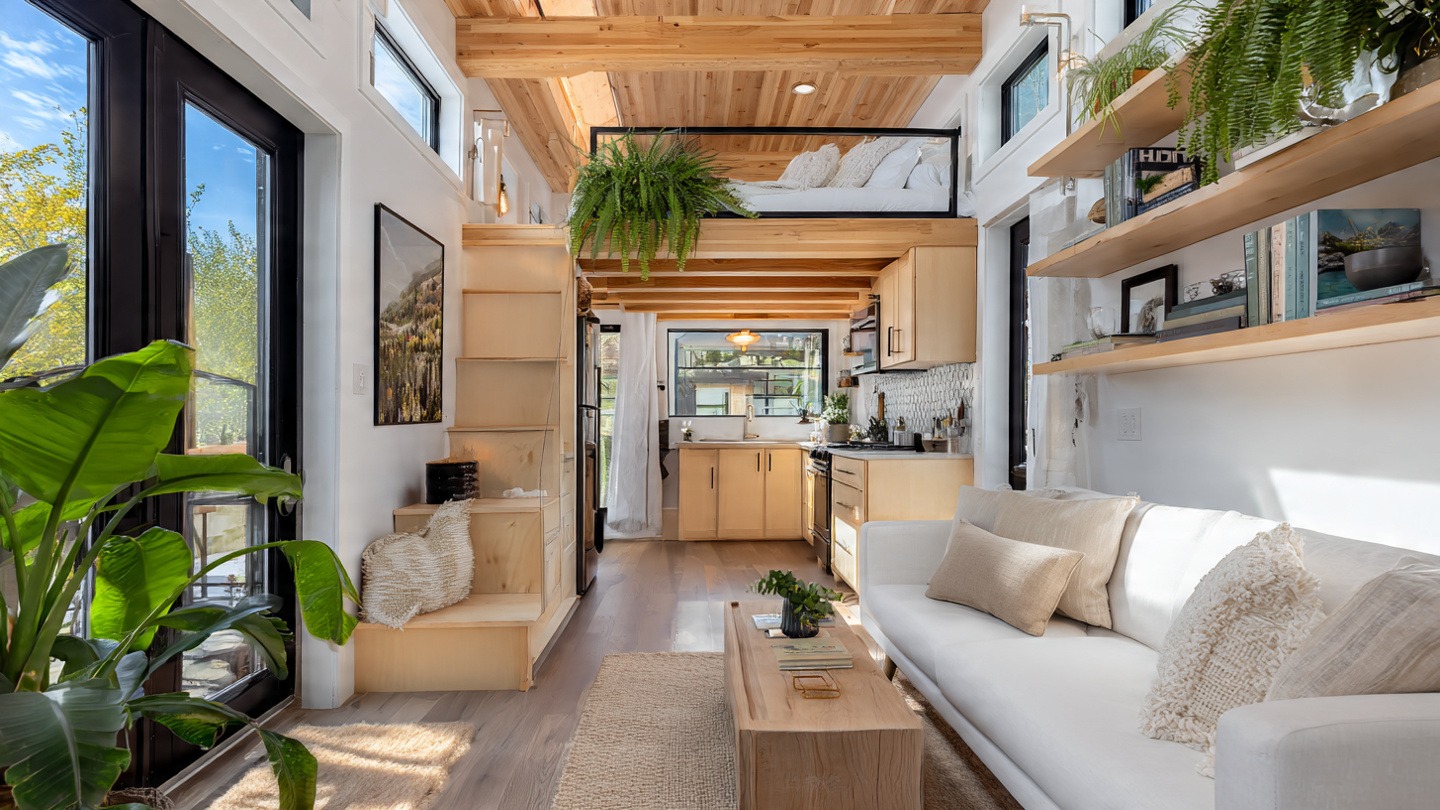
Once you have downsized, the focus shifts to small space organization. In a tiny home, the floor is your most valuable real estate, which means you must look up. Vertical space is the secret weapon of tiny house living. Install shelves that reach the ceiling and use hooks for everything from pots and pans to bicycles.
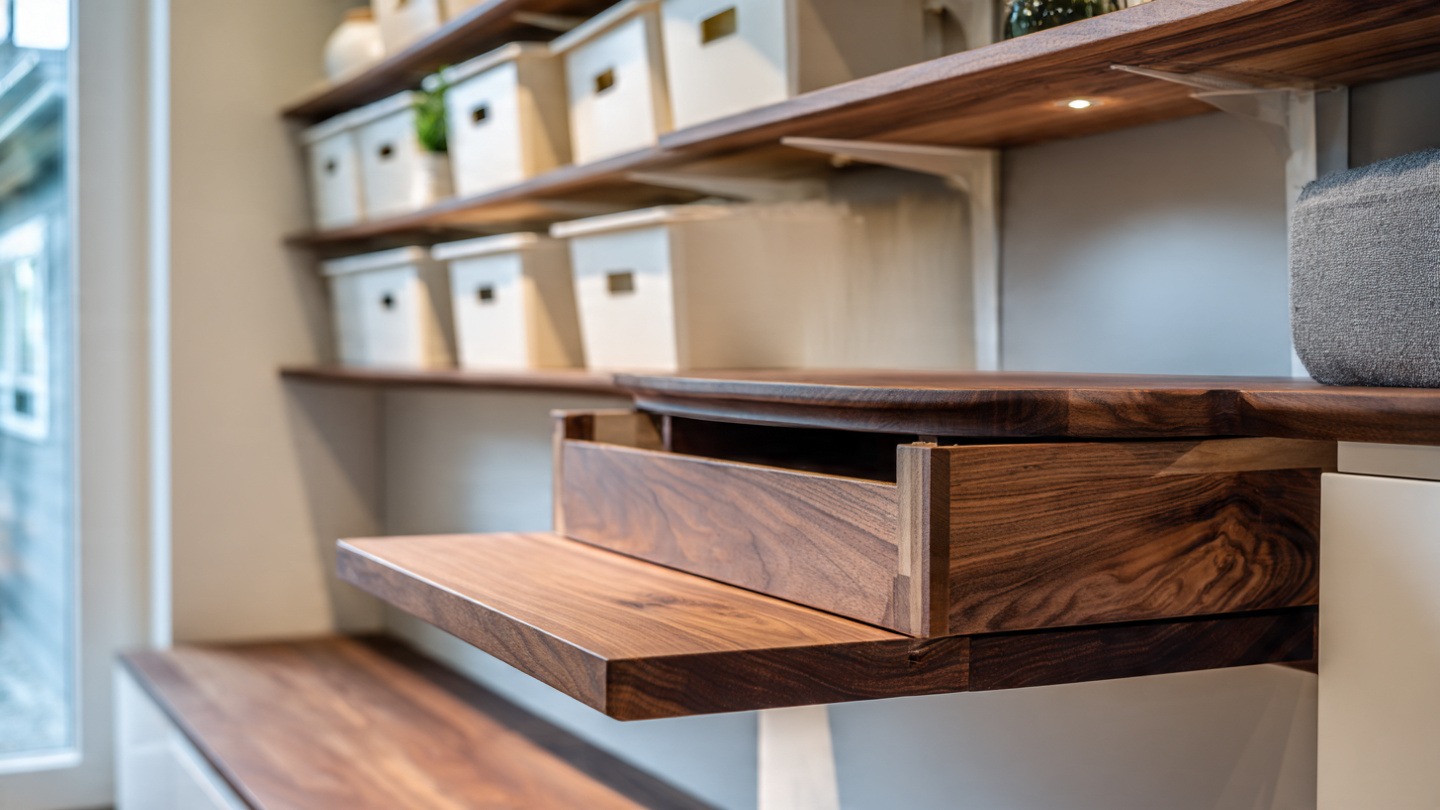
The golden rule for choosing compact home furniture is the “one item, two uses” principle. A sofa should double as a guest bed; a coffee table should have hidden storage underneath. For those who need a dedicated workspace, traditional desks are often too bulky. Integrating space-saving wall-mounted desks provides a professional area for productivity that can simply disappear when the workday ends, returning the room to a living space.
The Logistics: Zoning, Legalities, and Land
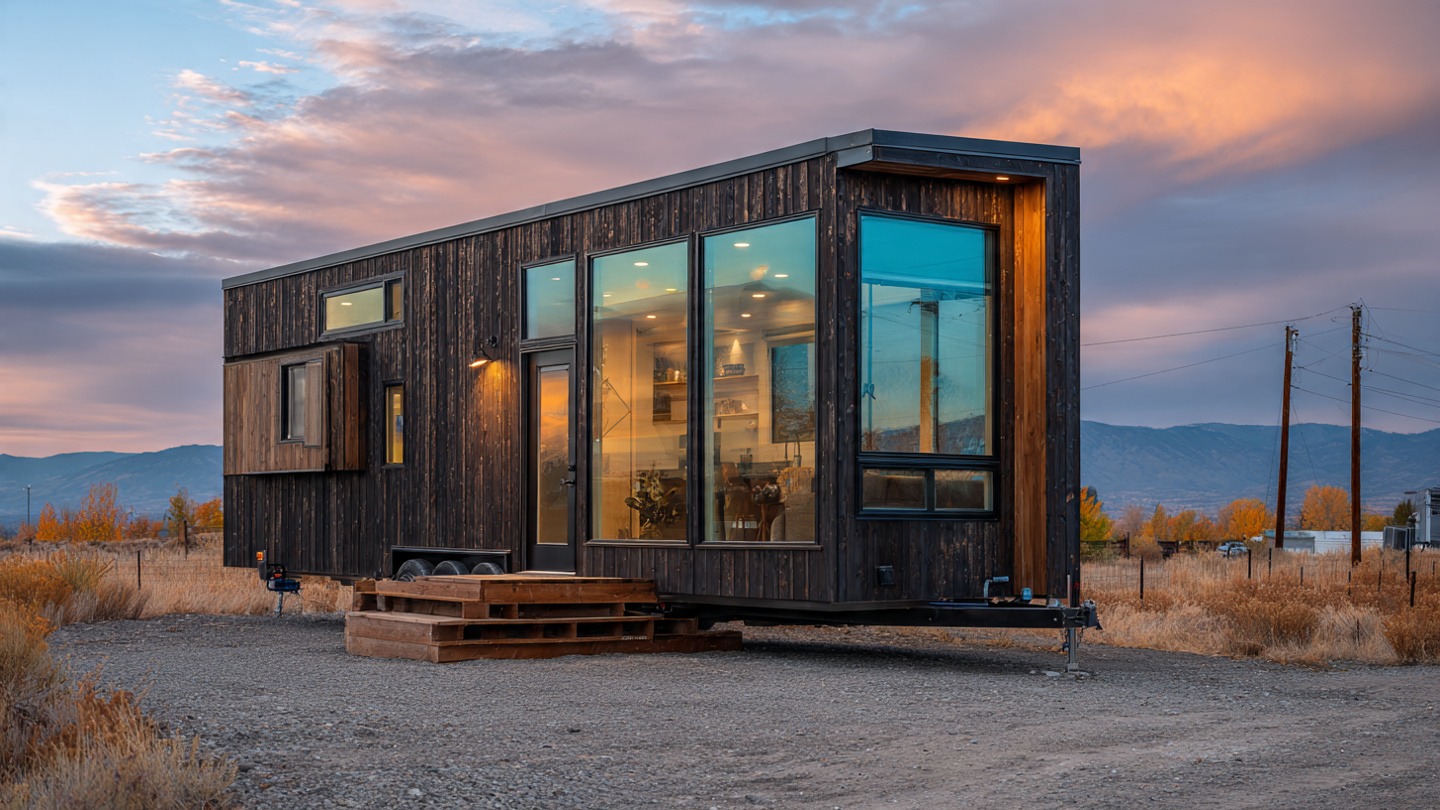
This is the part of tiny house living that many enthusiasts ignore until it is too late: the legalities. You cannot simply park a tiny home in any backyard and call it a day. Depending on where you live, you will face different regulatory hurdles.
Tiny House on Wheels (THOW) vs. Tiny House on Foundation
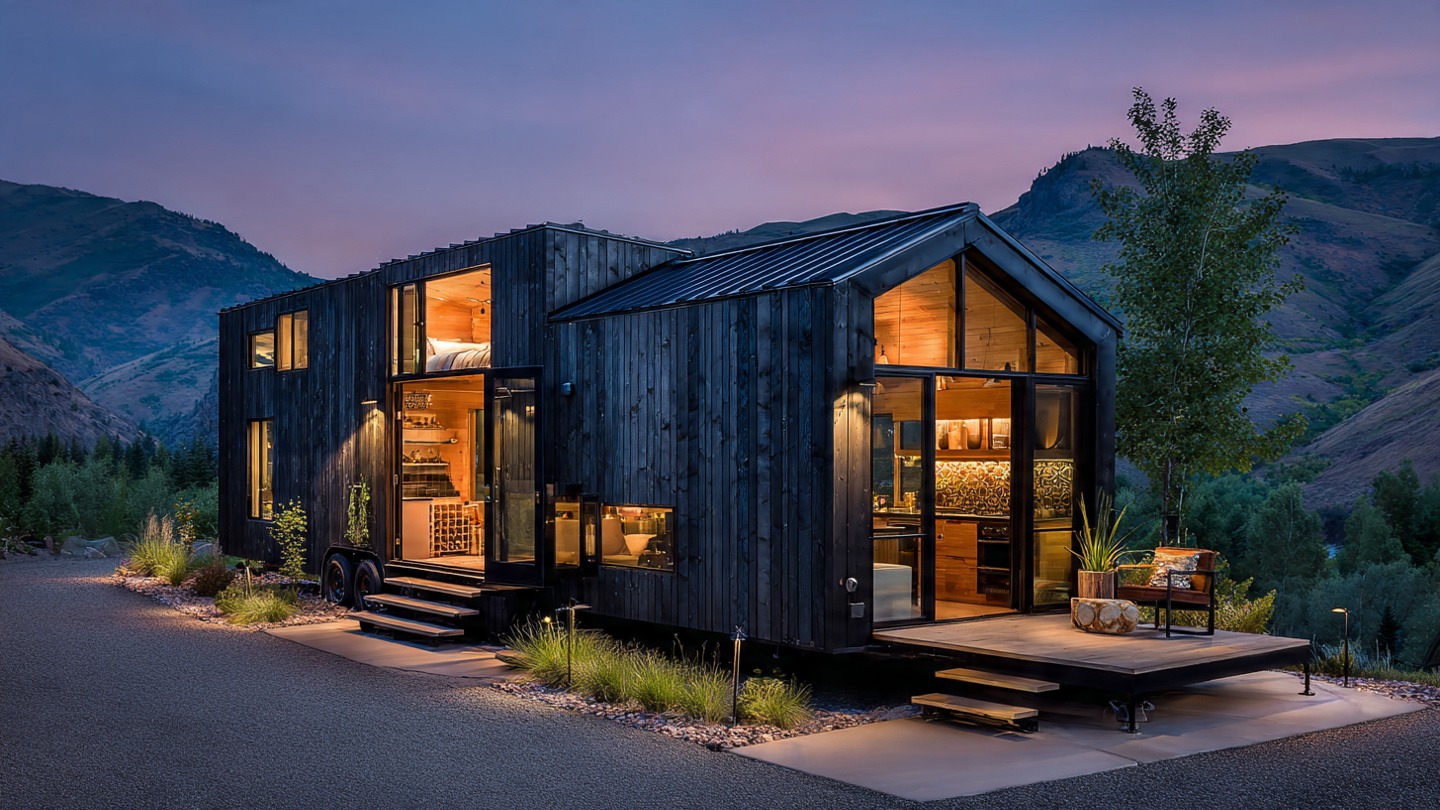
- On Wheels: These are often classified as RVs. While they offer mobility, they must meet specific certifications (such as NOAH or RVIA) to be legal in many parks. The trade-off is that they are often harder to finance through traditional banks.
- On Foundation: These are generally treated as Accessory Dwelling Units (ADUs). They are more stable and typically easier to insure, but they are subject to strict local building codes and zoning laws.
Warning: Never build or buy a tiny home without checking the local zoning ordinances. Many municipalities have minimum square footage requirements for permanent dwellings. Ignoring these can lead to expensive fines or the forced removal of your home.
Common Pitfalls to Avoid When Going Tiny
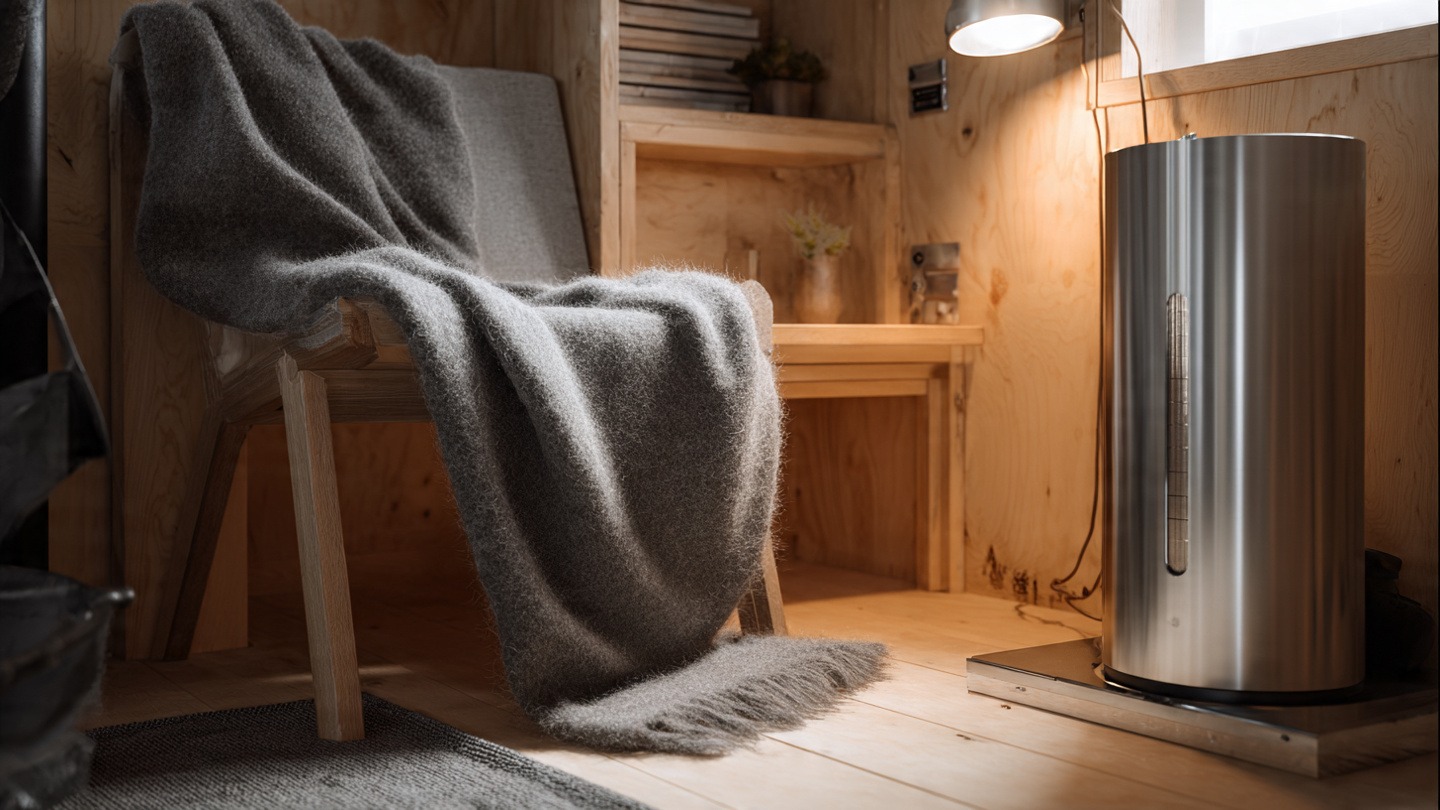
The excitement of tiny house living can sometimes blind homeowners to the physics of small spaces. One of the most common mistakes is ignoring ventilation. In a small volume of air, moisture from cooking, showering, and breathing builds up rapidly, leading to mold and mildew. To combat this, investing in compact dehumidifiers is essential for maintaining air quality and protecting your structure.
Another pitfall is underestimating the “partner friction” that occurs when two people share a very small space. Without a designated “alone zone,” tension can rise. It is vital to establish boundaries and schedules for using shared areas like the kitchen or the bathroom.
Finally, do not overlook seasonal storage. While you may not need a heavy parka in July, you will certainly need it in January. If you do not plan for where these items go, your home will quickly feel cluttered and chaotic.
FAQ: Tiny House Living Questions, Answered
What about the bathroom?
Many opt for composting toilets to avoid the need for complex sewage plumbing, though incinerating toilets and traditional low-flush systems are also popular options depending on the land available.
How do you handle heating and cooling?
Mini-split systems are the gold standard for tiny house living because they provide both heating and cooling in a compact unit with high efficiency.
Is it actually cheaper than a mortgage?
Generally, yes. Without a massive monthly mortgage payment, many tiny dwellers find they can work less or save more. However, the initial build cost can be high if you opt for luxury finishes.
Defining Your Own Version of Small
Ultimately, tiny house living is not a one-size-fits-all solution. For some, it is a temporary bridge to financial independence; for others, it is a lifelong commitment to environmental sustainability. The key is to avoid the leap of faith without a safety net. Start by implementing downsizing tips in your current home. Declutter your closets, embrace a minimalist lifestyle, and see how you react to the lack of “stuff.” If you find peace in the simplicity, you are ready to embrace the reality of the tiny life.

Discover if tiny homes are right for you. We break down the costs, legal challenges, and smart design secrets for Read more
Discover clever tiny house ideas that blend style with function. From hidden storage to multi-use furniture, learn how to live Read more
Discover if tiny houses fit your lifestyle. From zoning laws to space-saving decor, get the honest truth about downsizing and Read more