

The Right Rug Can Make Your Small Living Room Feel Bigger
Furnishing a small living room often feels like solving a puzzle. When considering what size rug for small living room,. You want it to feel cozy, not cramped; stylish, not sparse. Every choice matters, and one of the most impactful – and confusing – decisions is choosing the correct rug. Get it right, and your room feels anchored, intentional, and surprisingly spacious. Get it wrong, and even the best furniture can look awkward and cluttered. This guide is designed to cut through the confusion with clear, actionable rules. We’re going to answer the perennial question, “what size rug for a small living room” once and for all, moving beyond vague advice to provide measurable, repeatable formulas you can trust.
The Golden Rules for Rug Sizing in Small Spaces
Before we talk exact dimensions, let’s establish the non-negotiable principles. These rules ensure your rug acts as a space-defining tool, not just a decorative afterthought.
- Anchor Your Furniture: At minimum, the front legs of all key seating pieces (sofa, armchairs) should rest on the rug. This “ties” the furniture together, creating a unified conversation area.
- Respect the Border: Always leave a consistent strip of bare floor between the rug’s edge and the wall. In a small living room, aim for 6 to 12 inches. This border frames the rug and makes the room feel larger than if the rug wall-to-wall.
- Define the Zone: The rug should outline the primary seating area. In an open-plan space or studio, it visually carves out the living room zone from other functions.
- Go Bigger Than You Think: The most common mistake is choosing a rug that’s too small. A generously sized rug makes a room feel expansive, while a “postage stamp” rug makes it feel fragmented.
A reliable laser tape measure is your best friend for this project. Precise measurements are the foundation of answering what size rug for a small living room correctly.
Exact Rug Sizes for Common Small Living Room Layouts
Now, let’s get specific. Here are the ideal rug size ranges for the most common small-space configurations. Use these as your starting point.
1. The Classic: Sofa + Two Chairs (L-Shaped)
This is a popular layout for a reason. Your rug must connect all pieces. For a standard apartment-sized sofa (roughly 72-84″ wide) and two compact armchairs, a 6’x9′ rug is often the sweet spot. An 8’x10′ can work if your room allows for the proper border. This ensures the sofa’s front legs and both chairs’ front legs are anchored, defining a clear conversational grouping. Choosing the wrong size here is a key reason people struggle with what size rug for a small living room.
2. The Studio Savior: Defining a Zone
In a studio or open-plan apartment, the rug’s job is to visually claim territory for your living area. Place your key seating at the center of the space, then choose a rug (often 8’x10′ or 9’x12′) that allows all furniture front legs on it while leaving walkways around it as bare floor. This creates a “room within a room” effect. It’s the ultimate answer for the best rug size for an apartment living zone.
3. The Compact Setup: Loveseat or Apartment-Size Sofa Only
If you have a lone loveseat or a small sofa with just a coffee table and a side table, a 5’x8′ rug is typically perfect. Center the rug in your seating area, place the front legs of the sofa on it, and center the coffee table on the rug. This layout proves that even with minimal furniture, solving what size rug for a small living room is crucial for a pulled-together look.
4. The Space Maximizer: Sectional in a Small Room
A small-scale sectional can be great for maximizing seating. Your rug should fit under the front legs of all seating sections. A large 8’x10′ or even a 9’x12′ rug is often necessary to achieve this. The goal is for the rug to extend beyond the furniture grouping, not be swallowed by it. This approach to living room rug layout ensures the large furniture feels integrated, not overwhelming.
Visual Layout Diagrams: See the Size in Action
Let’s visualize two common scenarios with text-based diagrams. These help you see the proportions at play.
Diagram A: The 10’x12′ Room with a Standard Sofa & Two Chairs
Room Dimensions: 10 feet wide by 12 feet long.
Rug: A 6’x9′ placed centered in the room.
Layout: The 84″ sofa is placed on the longer 12′ wall. The front legs sit 12″ onto the rug. Two armchairs float opposite the sofa, their front legs also on the rug. A 36″ coffee table sits centered on the rug. The result is an 18″ border of floor on the sides and a 24″ border at the sofa and chair ends.
Diagram B: The Studio Zone with a Loveseat
Open Space: Part of a larger room.
Rug: A 5’x8′ placed to define the zone.
Layout: The loveseat’s front legs are anchored on the rug. A small coffee table is centered. The back of the loveseat faces the “bedroom” or “dining” area. The rug clearly delineates the living space, answering what size rug for a small living room zone effectively.
Pro Tips to Enhance Space with Your Rug Choice
Size is the first battle, but style and texture win the war for spaciousness. Here’s how to make your perfectly sized rug work even harder.
- Light & Bright: Light-colored rugs (ivory, light gray, pale blue) reflect light and make floors feel more expansive. For example, a low-pile, light-colored rug like this one can work wonders by adding texture without visual weight.
- Keep Patterns Simple: Opt for subtle textures, small-scale patterns, or solid colors. Large, busy patterns can overwhelm a small space and clash with other decor.
- Consider a Round Rug: In a boxy room, a round rug softens hard angles and can improve traffic flow. Ensure it’s large enough to get under the front legs of key furniture.
- Mind the Pile: A low-pile or flat-weave rug is often more practical for rug placement small space areas. It’s easier to clean, allows doors to swing over it freely, and contributes to an airy, uncluttered feel.
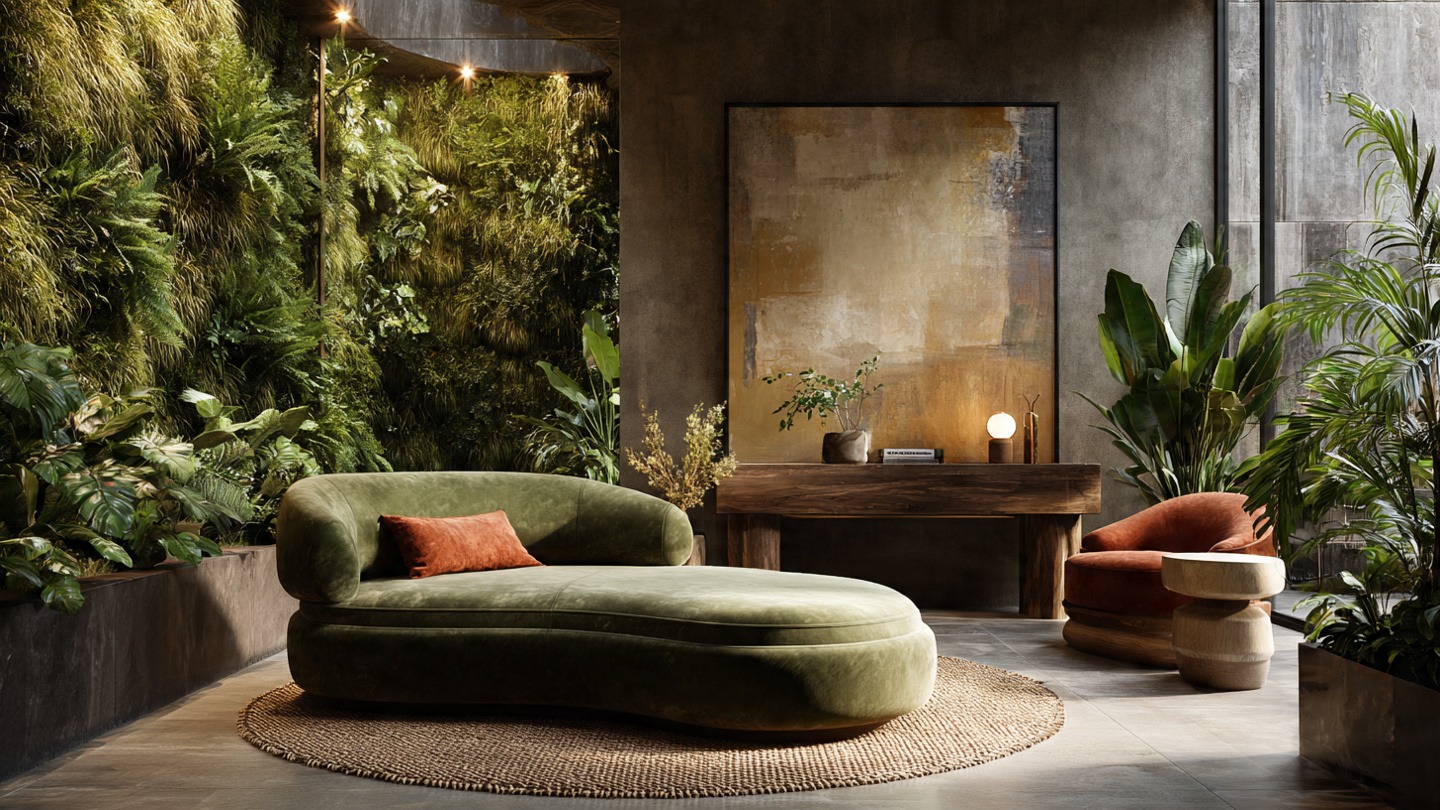
Welcome to 2025: Redefining Your Living SpaceWelcome to 2025: Redefining Your Living Space As we move further into the decade, Read more
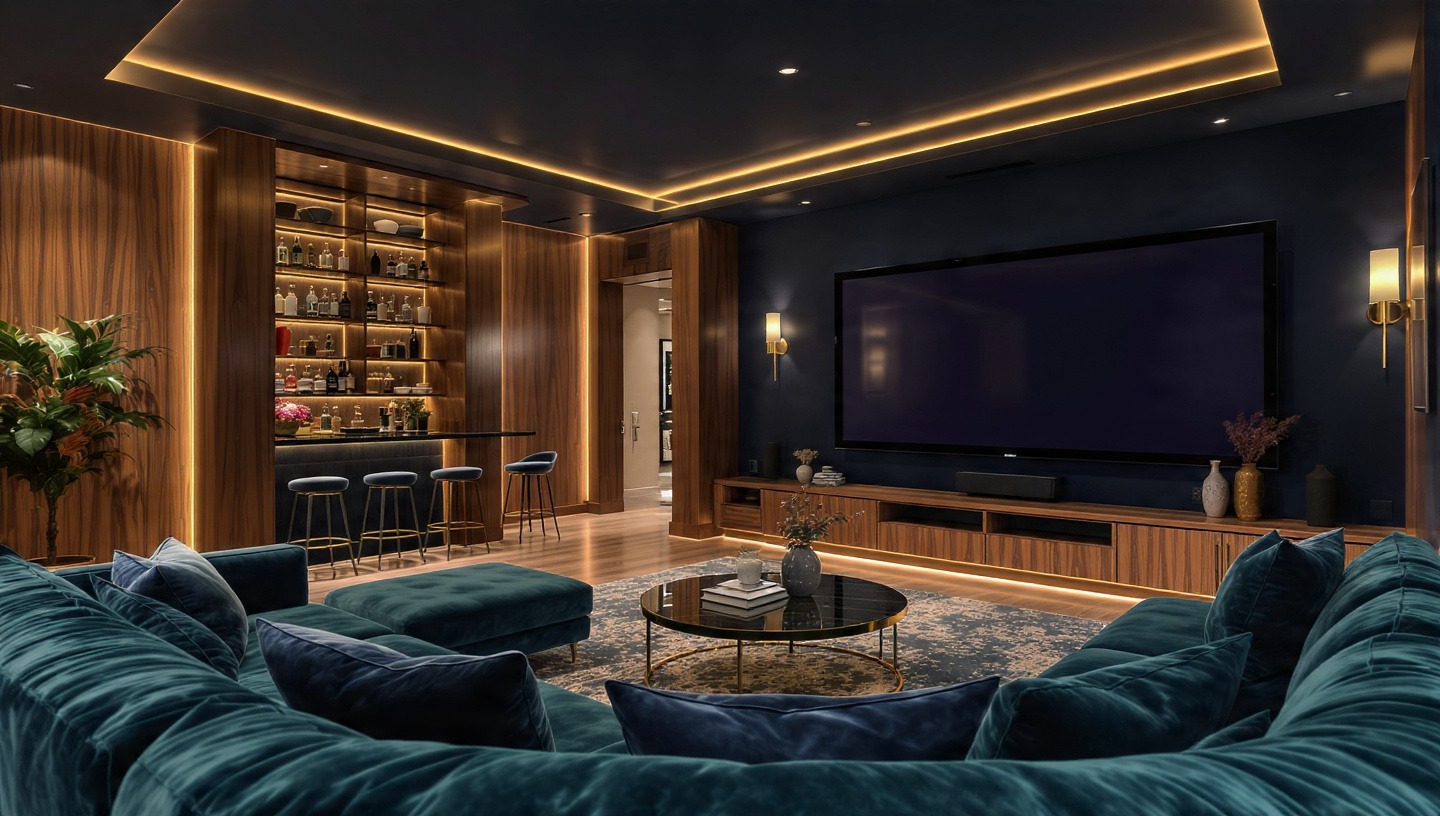
Discover stunning second living room ideas for basements, bonus rooms & more. Get layout tips, style inspiration, and product picks Read more
Find the perfect sectional sofa for your small space. Our guide covers space-saving designs, key features, and top-rated picks to Read more
Discover brilliant green sofa living room ideas for every style. Get inspired with color schemes, decor tips, and product recommendations Read more
Mistakes to Avoid When Choosing a Small Living Room Rug
Learning what not to do is just as important. Steer clear of these common pitfalls.
- The Postage Stamp: A tiny rug that floats in the middle of your furniture, with all legs off. It shrinks the room instantly.
- The Wall-to-Wall Cover-Up: A rug that touches or nearly touches all walls. This eliminates the crucial border that creates a sense of space and can make the room feel like a padded cell.
- The Pattern Overload: Choosing a rug with a loud, large, or complex pattern that becomes the room’s only focal point, creating visual chaos.
- Prioritizing Form Over Function: Choosing a delicate, high-pile, or hard-to-clean material for a high-traffic area. In a small living room, your rug will get a lot of use – durability matters.
Your Small Living Room Rug Questions, Answered
Q: Can I use a large rug in a small living room?
A: Absolutely! In fact, it’s often recommended. The key is maintaining that 6-12 inch border of bare floor around the edges. A large rug that anchors all furniture can make the room feel more expansive and unified.
Q: Should a rug go under the coffee table?
A: Ideally, yes. The coffee table should be centered on the rug, within the anchored furniture grouping. This is a core part of a cohesive living room rug layout.
Q: Is a round rug a good idea for a small living room?
A: Yes, especially to soften a square or rectangular room. Just apply the same rules: ensure it’s large enough to get under the front legs of your main seating. If you need to move heavy furniture to get the rug in place, a set of furniture sliders can save your back.
Q: What if my room is an odd shape?
A: Focus on anchoring the main furniture group, not the room’s shape. Center your seating arrangement, then choose a standard rectangular rug that fits it according to the golden rules. Let the furniture dictate the rug placement, not the awkward wall.
Confidently Choose Your Perfect Rug Size
Ultimately, answering what size rug for a small living room is about creating a foundation. The right rug anchors your furniture, defines your space, and creates a feeling of intention and airiness. Remember the golden rules: anchor the furniture, leave a border, and define the zone. Revisit the layout diagrams, take your measurements, and trust that a generously sized rug is your secret weapon. You now have the clear, actionable formulas to transform your small living room from a furnishing challenge into a cozy, stylish haven. Go forth and define your space with confidence.