
Planning Gardening Ideas: The Core Moves to Get Right

Starting a garden often feels like a daunting task. Many of us scroll through endless galleries of lush landscapes, only to feel overwhelmed by the gap between those professional photos and our own patch of dirt. The truth is that the most successful gardening ideas are not about following a generic trend, but about tailoring your approach to your specific environment and lifestyle. Whether you have a sprawling suburban lot or a tiny apartment balcony, the goal is to create a space that brings you peace rather than adding to your to-do list.
Instead of trying to do everything at once, the secret is to align your garden with your daily habits. By categorizing your approach based on your lifestyle persona, you can implement gardening ideas that feel personalized and actionable. Let us explore how to transform your outdoor space into a sanctuary that works for you, regardless of your experience level or square footage.
Gardening Ideas for Small Spaces and Urban Balconies
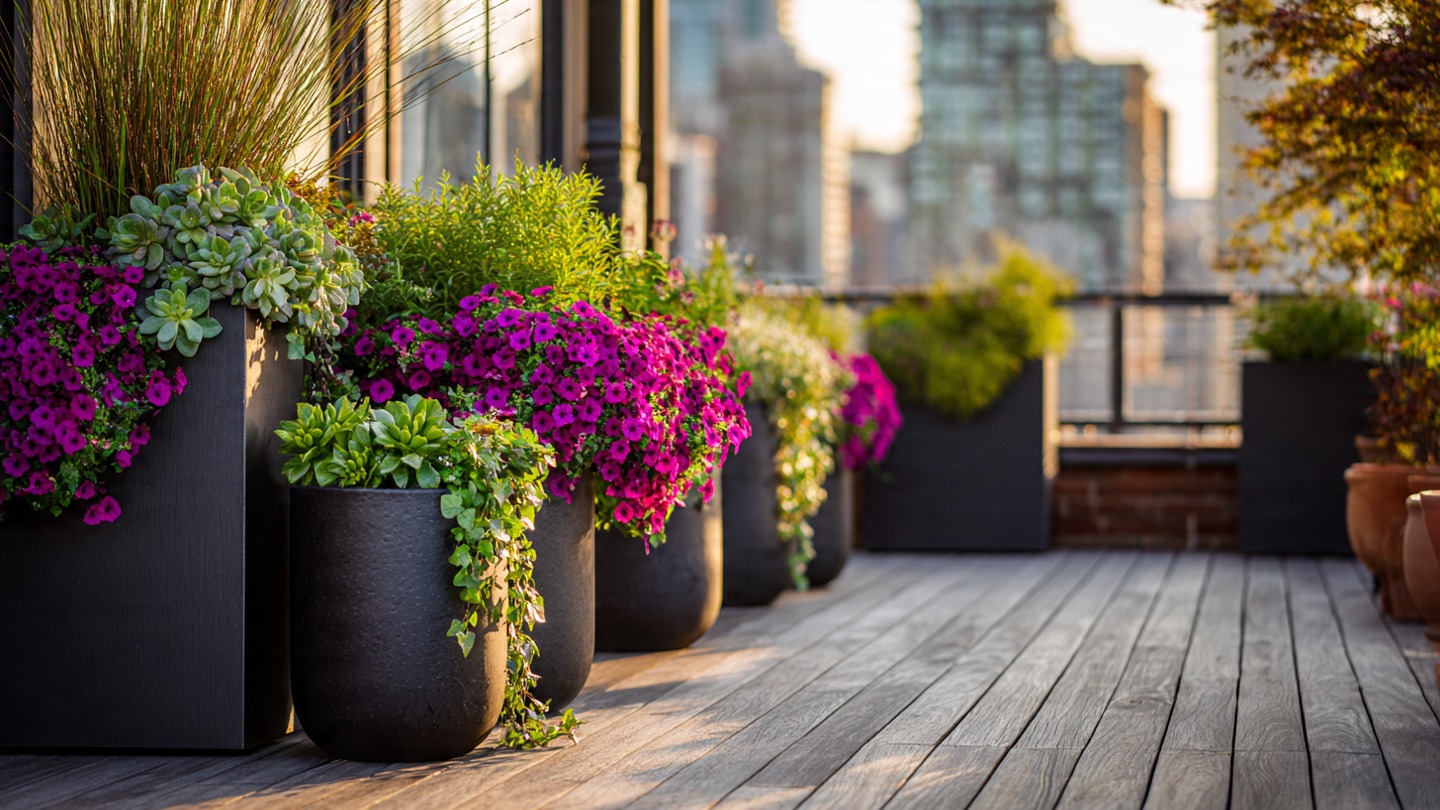
For the urbanite, the challenge is rarely a lack of passion, but a lack of pavement. However, a small footprint does not mean you have to sacrifice greenery. The key to successful small backyard landscaping is to stop thinking horizontally and start thinking vertically. By utilizing the walls and railings of your space, you can create a lush environment without overcrowding your walking paths.
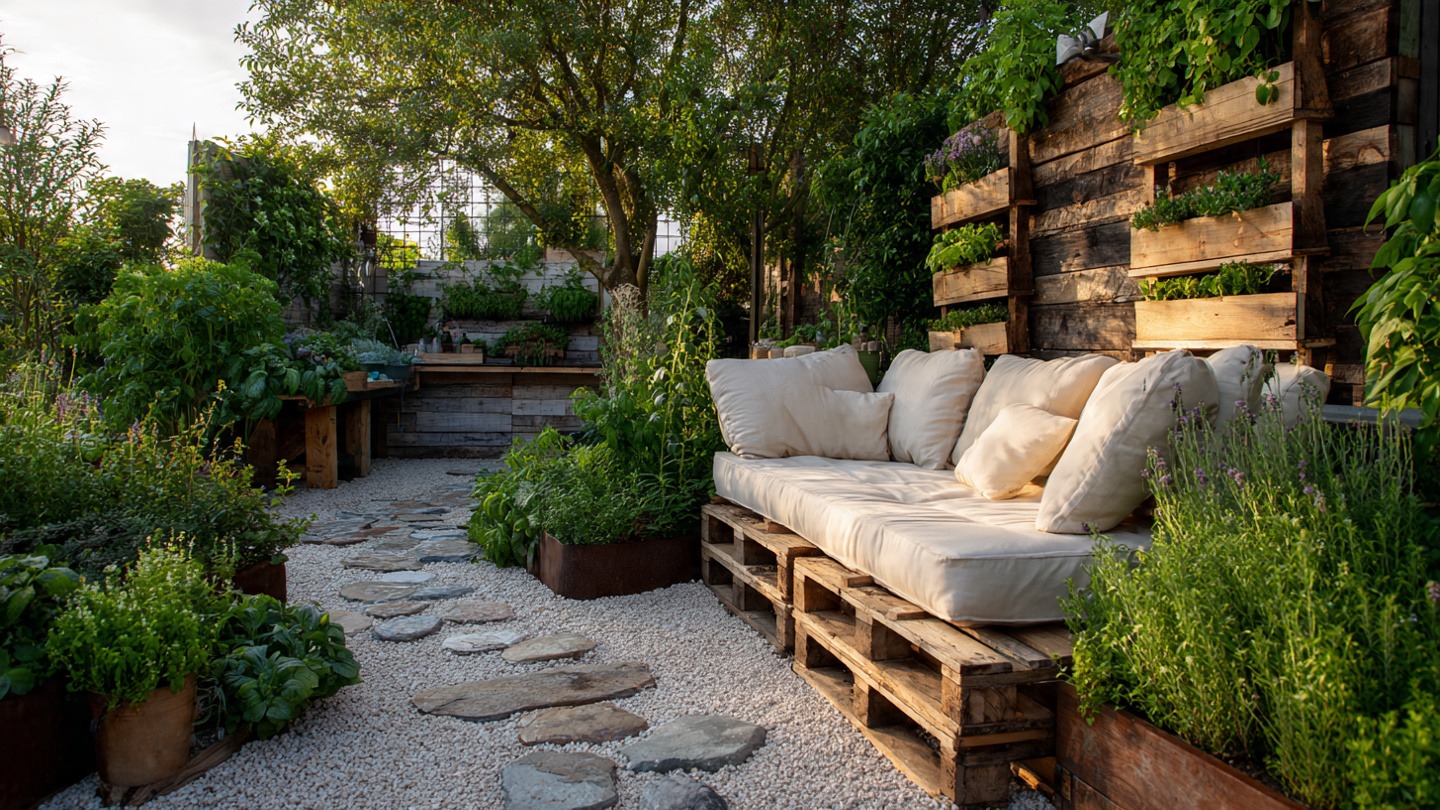
Wall-mounted planters and tiered shelving are game-changers for those living in apartments. You can grow a surprising amount of foliage by installing space-saving vertical planters that turn a blank brick wall into a living tapestry. Consider railing boxes for trailing flowers like petunias or cascading herbs like thyme, which maximize every available inch of your balcony.
When working with containers, remember that drainage is your best friend. Ensure every pot has a hole at the bottom to prevent root rot. If you are limited on sunlight, focus on shade-tolerant species like ferns or hostas to ensure your urban oasis thrives. By layering your plants from tall in the back to short in the front, you create a sense of depth that makes a small balcony feel like a sprawling garden.
Pro Tip: Use lightweight potting mixes rather than heavy garden soil in containers to prevent your balcony shelving from becoming too heavy and to improve aeration for the roots.
Low-Maintenance Gardening Ideas for Busy Homeowners
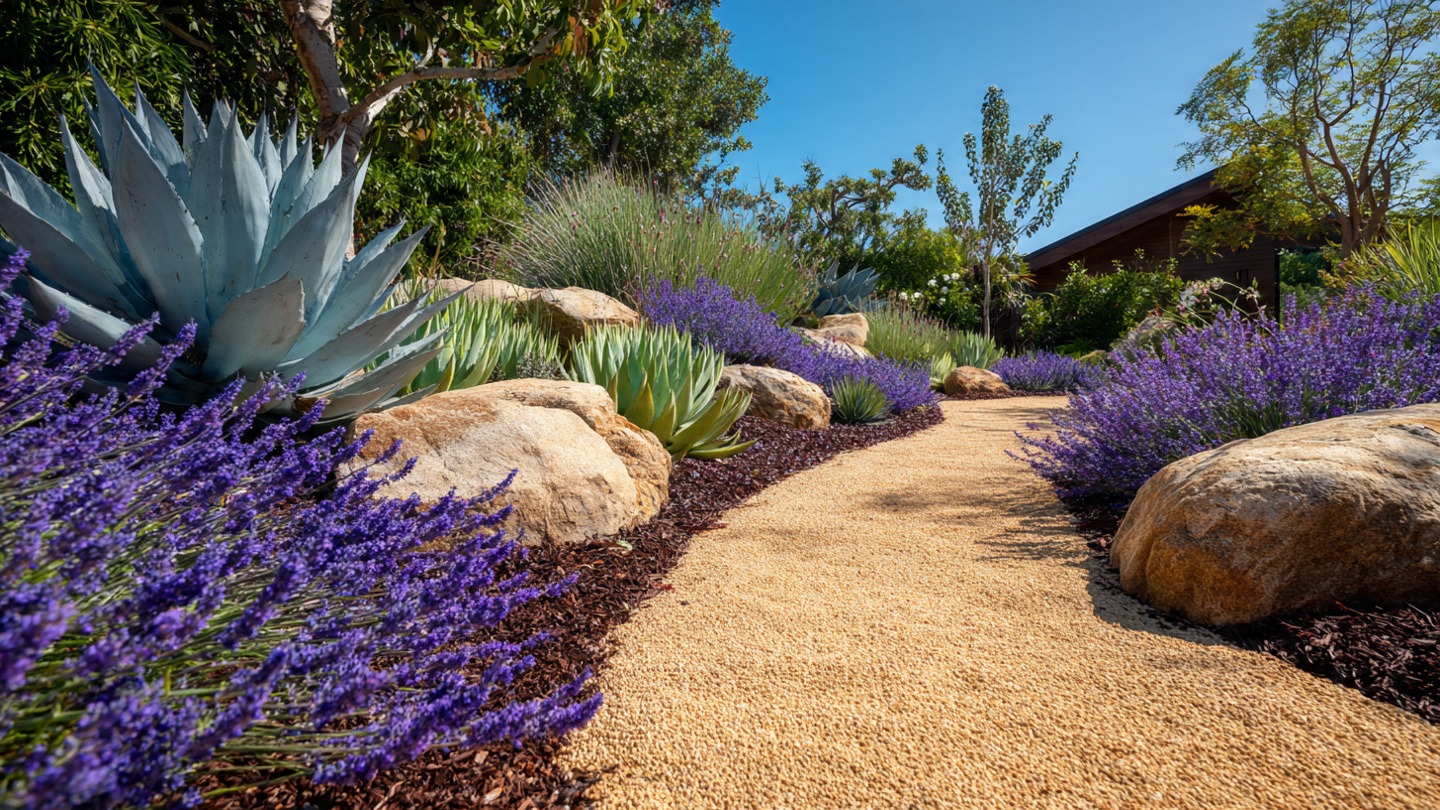
For the busy professional, the dream is a beautiful yard that does not require a full-time commitment. The goal here is to implement low maintenance garden strategies that prioritize resilience over high-touch care. One of the most effective methods is xeriscaping, which involves choosing drought-tolerant plants that require minimal supplemental watering once established.
Focus on perennial plants, which return year after year, reducing the need for seasonal replanting. To further reduce the time spent weeding, apply a thick layer of organic mulch. Mulch not only suppresses weed growth but also retains moisture in the soil, meaning you spend less time with the hose. To truly automate your sanctuary, consider installing automatic watering systems that ensure your plants stay hydrated even when you are traveling for work or stuck in back-to-back meetings.
A curated, low-effort layout often relies on grouping plants with similar water and light needs together. This prevents the waste of resources and simplifies your maintenance routine. By choosing native species that are already adapted to your local climate, you reduce the need for chemical fertilizers and intensive pest control, creating a sustainable gardening environment that looks professional with minimal effort.
Pro Tip: Plant groundcovers like creeping thyme or clover in areas where grass struggles. These provide a lush green look but require far less mowing and watering than a traditional lawn.
Edible Landscapes: Merging Beauty with Utility
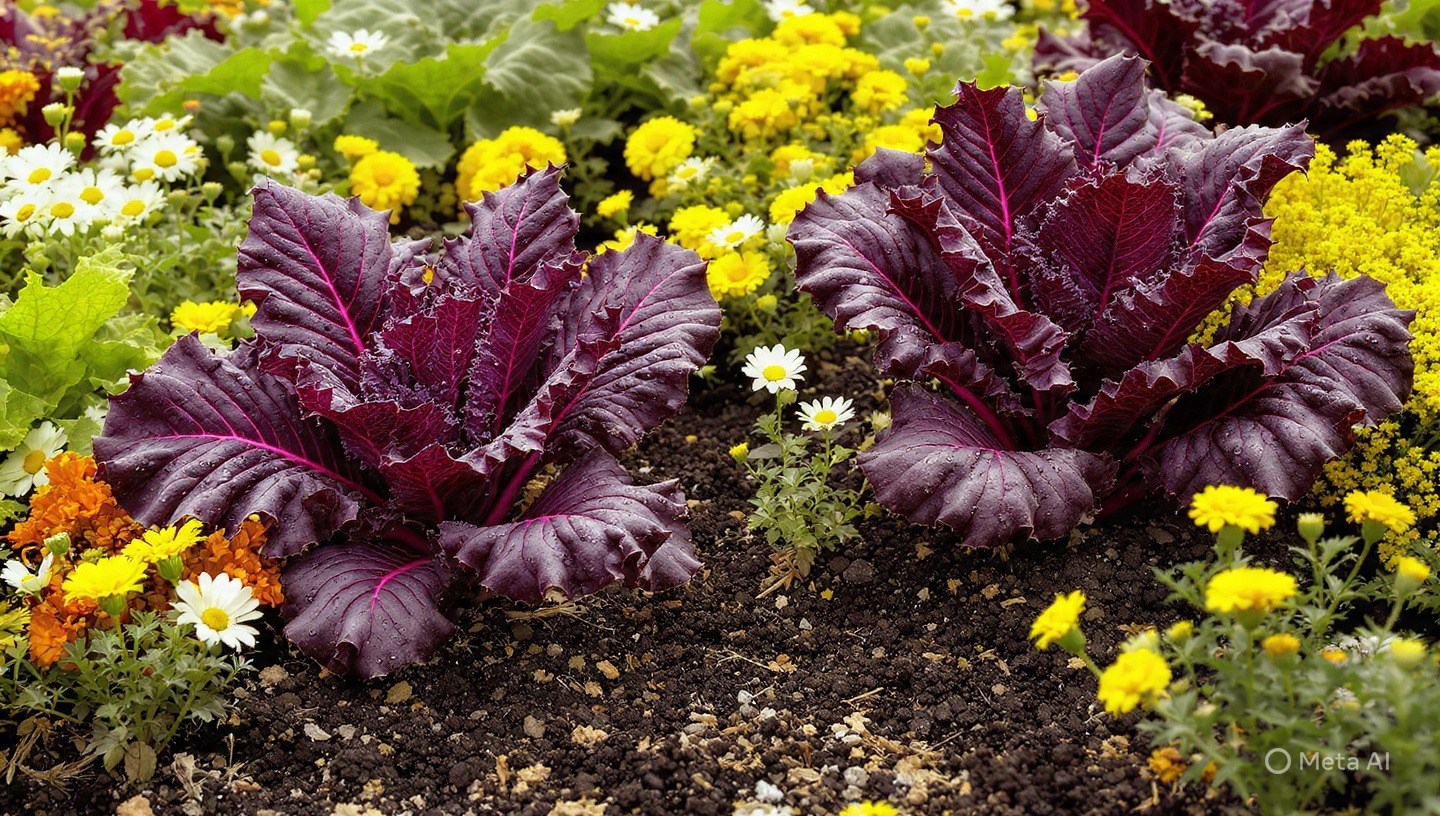
The “Home Chef” persona knows that nothing beats the flavor of a vegetable picked seconds before it hits the pan. However, you do not need a separate, utilitarian plot in the backyard to enjoy fresh produce. The concept of “foodscaping” allows you to merge your edible plants with your ornamental ones, creating a landscape that is as delicious as it is beautiful.
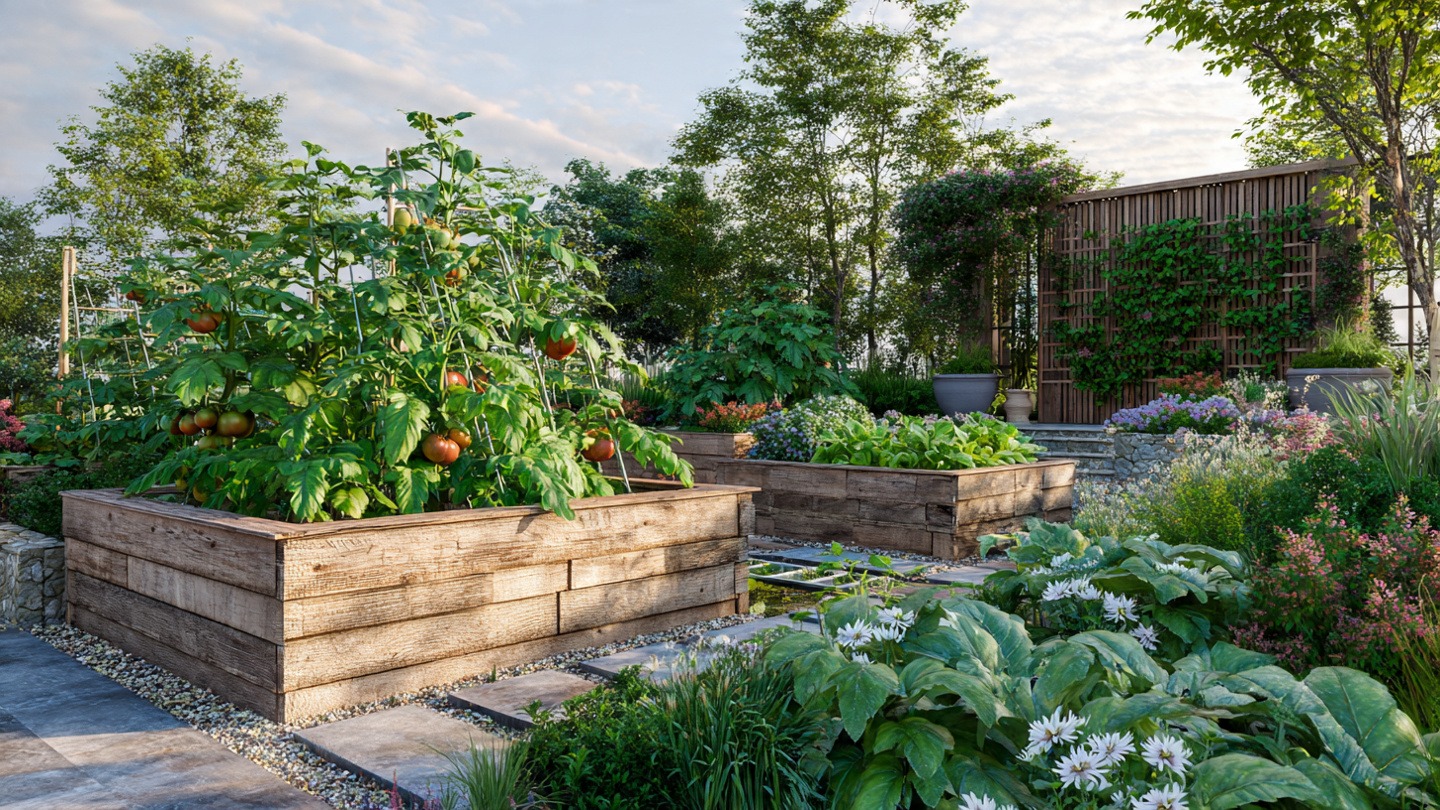
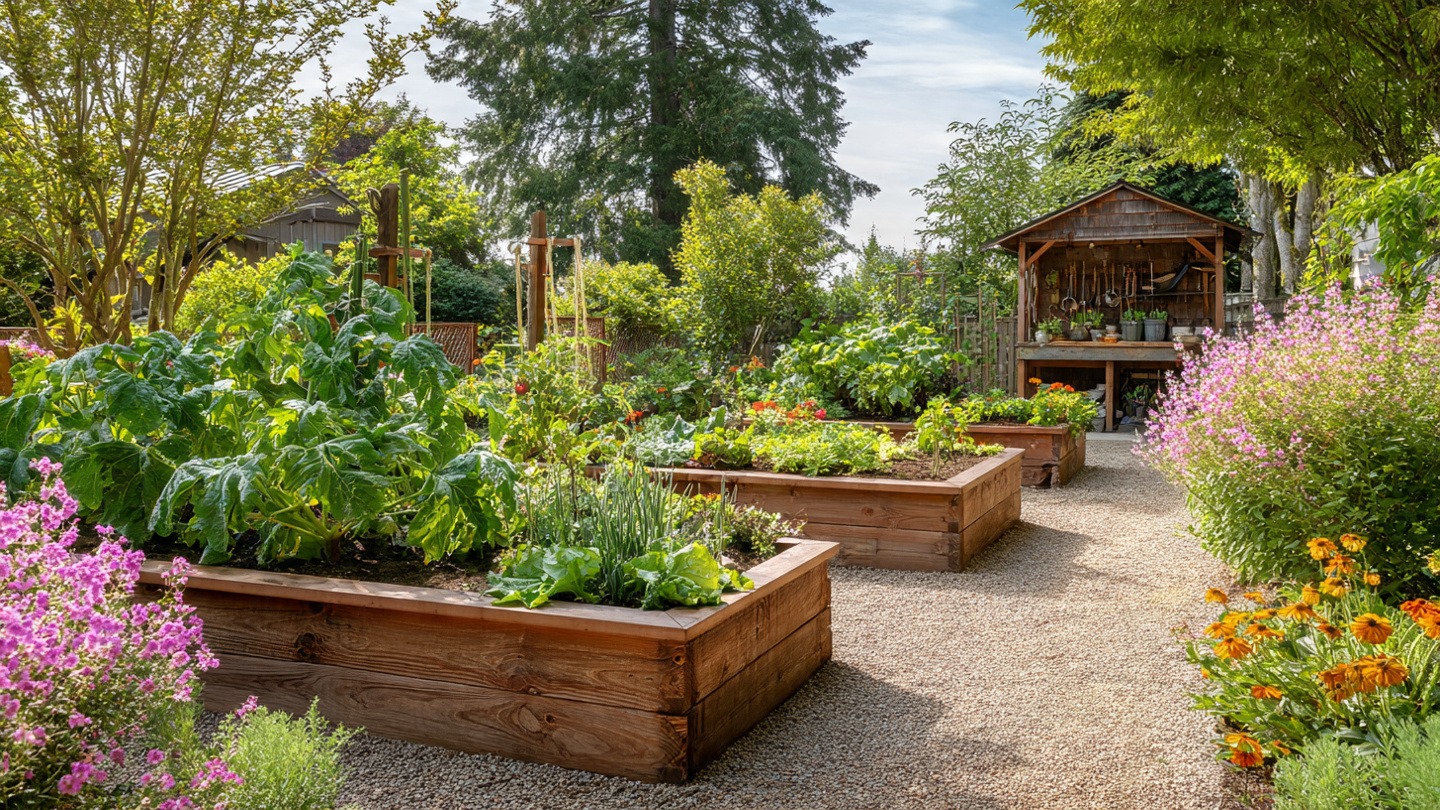
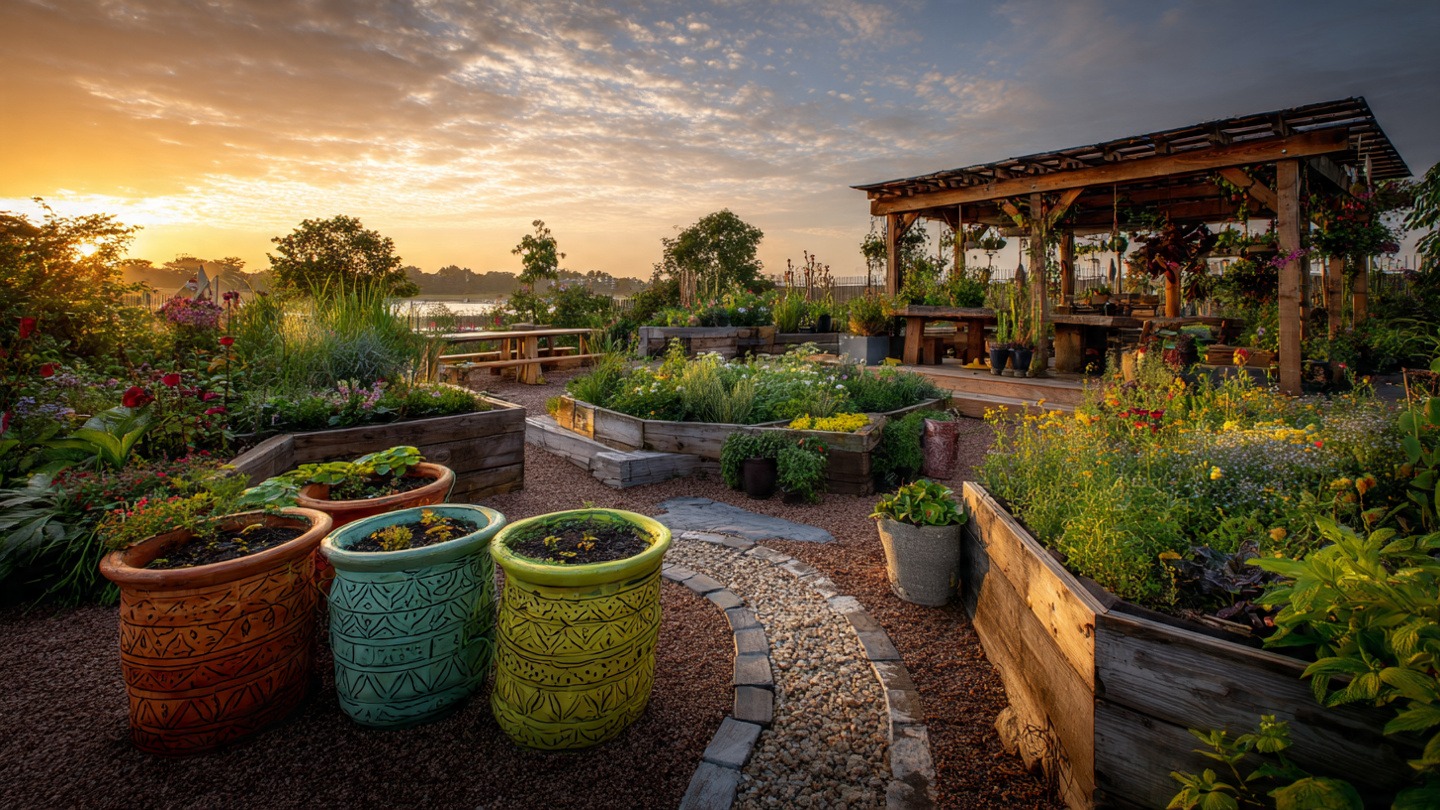
Imagine mixing the deep purple hues of kale or the bright stems of Swiss chard with vibrant marigolds or zinnias. Not only does this look stunning, but the flowers also help repel pests naturally. For those who want a more organized approach, a structured vegetable garden layout is essential. Using durable raised garden beds allows you to control the soil quality perfectly and prevents soil compaction, leading to higher yields for your herbs and vegetables.
Raised beds are particularly useful for beginners because they define the growing area and make harvesting easier on the back. You can dedicate one bed to “kitchen staples” like basil, parsley, and cilantro, while another focuses on seasonal favorites like heirloom tomatoes and peppers. By integrating these edible elements into your flower beds, you transform your yard into a functional pantry.
Pro Tip: Practice companion planting. For example, plant basil next to your tomatoes; not only do they share similar needs, but many gardeners believe basil improves the flavor of the tomatoes.
Common Pitfalls to Avoid When Planning Your Garden
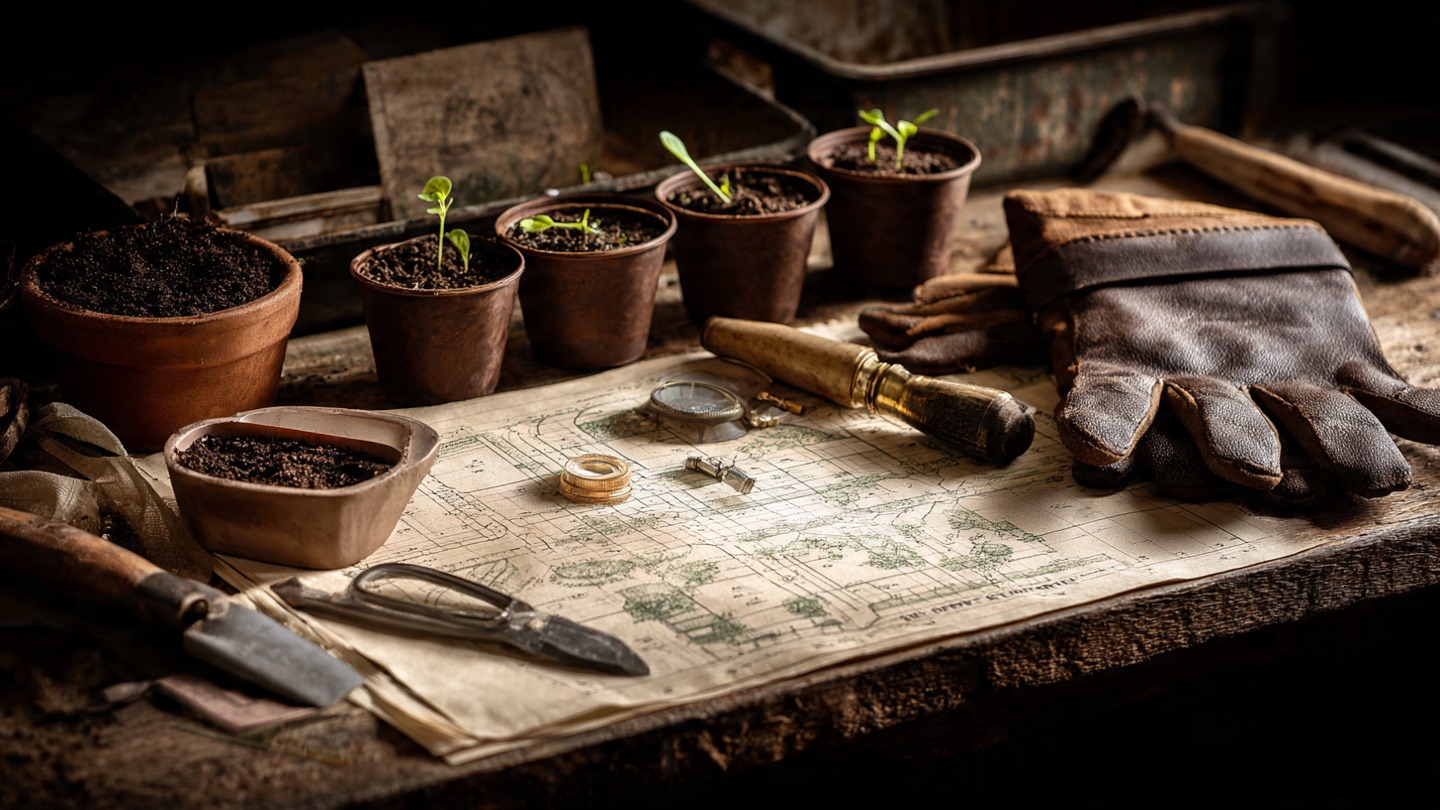
Even the best gardening ideas can fail if the fundamentals are ignored. The most common mistake beginners make is over-planting. It is tempting to buy every beautiful flower at the nursery, but overcrowding leads to competition for nutrients and increased disease risk. Give your plants room to breathe and grow.
Another critical error is ignoring the hardiness zone. Plants are rated by their ability to survive specific winter temperatures. If you plant a tropical species in a frost-prone region without a plan for indoor wintering, you will likely lose your investment. Equally important is the chemistry of your earth. Planting acid-loving blueberries in alkaline soil will result in stunted growth regardless of how much you water them. To avoid this, we highly recommend using a comprehensive soil testing kit before you begin planting.
Finally, avoid the urge to rely solely on chemical fixes. Over-fertilizing can burn roots and kill beneficial soil microbes. Focus on building healthy soil through composting and organic matter, which provides a slow-release nutrient source for your plants.
Quick Answers to Common Gardening Questions
When is the best time to start?
For most regions, early spring is ideal for cool-season crops, while late spring (after the last frost) is best for warm-season vegetables and tropical flowers. Always check your local frost dates before planting.
How do I choose plants for shade?
Look for plants labeled “full shade” or “partial shade.” Hostas, Bleeding Hearts, and Begonias are excellent choices that thrive in low-light environments.
What are the best organic fertilizers?
Transform your backyard with a custom diy garden. Learn how to plan, plant, and maintain your outdoor space with our Read more
Unlock the potential of your backyard with these smart garden diy ideas. From low-budget hacks to full builds, start your Read more
Transform your backyard with these sustainable and budget friendly diy garden projects. Get step by step guides to create a Read more
Stop staring at a blank lawn. Explore creative garden ideas for every space, from tiny balconies to sprawling yards. Start Read more
Start Small and Grow Your Confidence
The most important of all gardening ideas is to start small. You do not need to overhaul your entire property in a single weekend. Pick one persona that resonates with you-whether it is the urbanite, the professional, or the chef-and implement one small project. Perhaps it is a single raised bed or a few vertical planters on your porch.
Remember that gardening is a continuous learning process. Some plants will thrive, and some will inevitably fail. Treat every wilted leaf as a lesson in what your specific environment needs. With a bit of patience and the right tools, you will grow not only a beautiful garden but also the confidence to expand your green sanctuary year after year.
Beginner’s Quick-Start Checklist
- Identify your hardiness zone: Know your minimum winter temperatures.
- Assess your light: Track where the sun hits your yard throughout the day.
- Test your soil: Check pH and nutrient levels.
- Choose your persona: Decide if you want low-maintenance, edible, or space-saving goals.
- Start with three plants: Avoid overwhelm by mastering a few species first.