
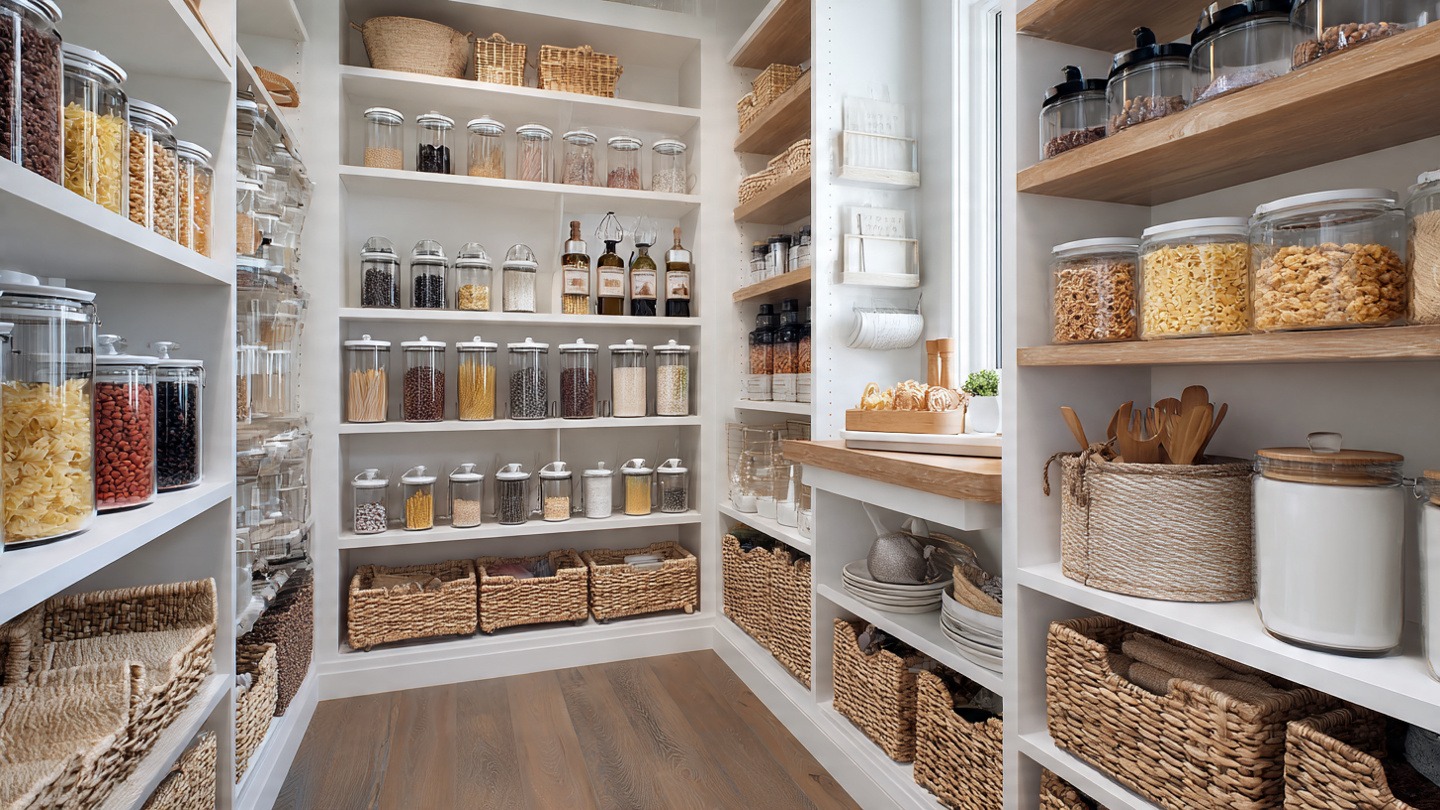

Why a Perfectly Organized Pantry Changes Everything
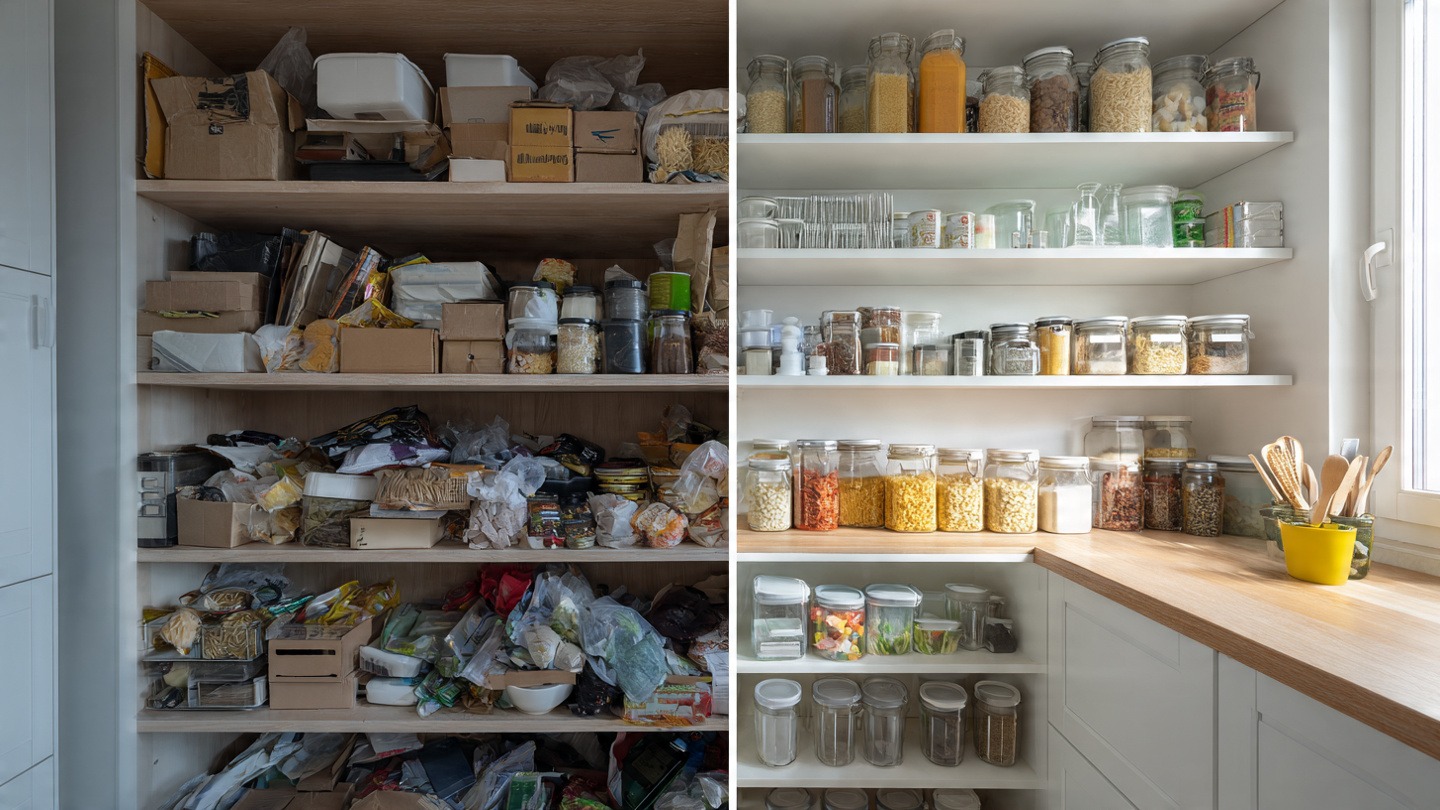
Let’s be honest: a chaotic kitchen pantry is a daily source of stress. You buy another bag of flour because you can’t find the one you already have. Dinner prep turns into an archaeological dig through expired cans and half-empty boxes. It wastes food, money, and your precious time. But learning how to organize kitchen pantry spaces isn’t just about making things look pretty – it’s a game-changer for your entire cooking routine. An organized pantry saves you money by preventing duplicate purchases and food waste. It reduces mealtime stress because you can find what you need in seconds. It even makes cooking enjoyable again. The best part? You can achieve it by following a clear, step-by-step method. This guide will walk you through the exact process, focusing on the critical steps most people skip, to ensure your success.
Step 1: The Complete Pantry Empty and Audit
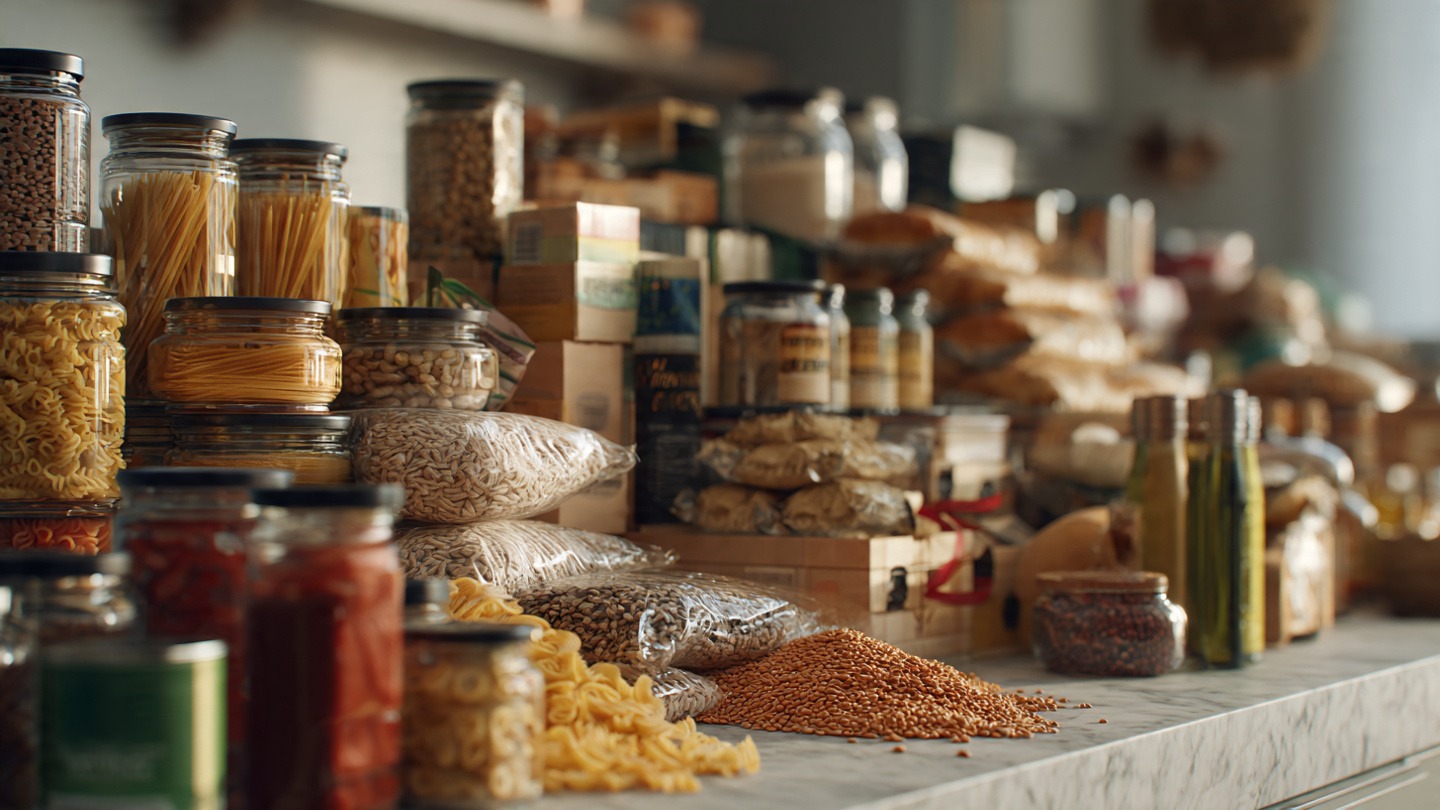
This is the non-negotiable, foundational step for anyone learning how to organize kitchen pantry areas effectively. You must see everything you have. Empty every single shelf, basket, and nook. Pile it all on your kitchen table, island, or counter. Now, audit ruthlessly. Check every expiration date. Consolidate half-empty bags of the same item (like rice or chocolate chips). Create three piles: Discard (expired, stale), Donate (unopened items you won’t use), and Keep.
Pro Tip: Be brutal. If you haven’t used that specialty ingredient in a year, you probably won’t. This audit is the key to a true pantry organization reset.
Common Mistake Warning: Do NOT buy containers or organizers yet! You don’t know what you’re keeping or how much space it needs. Buying first is the #1 reason organization projects fail and waste money.
You’ll need some sturdy heavy duty large trash bags for the items you’re discarding. Having them on hand makes this process swift and decisive.
Step 2: Deep Clean Your Pantry Space
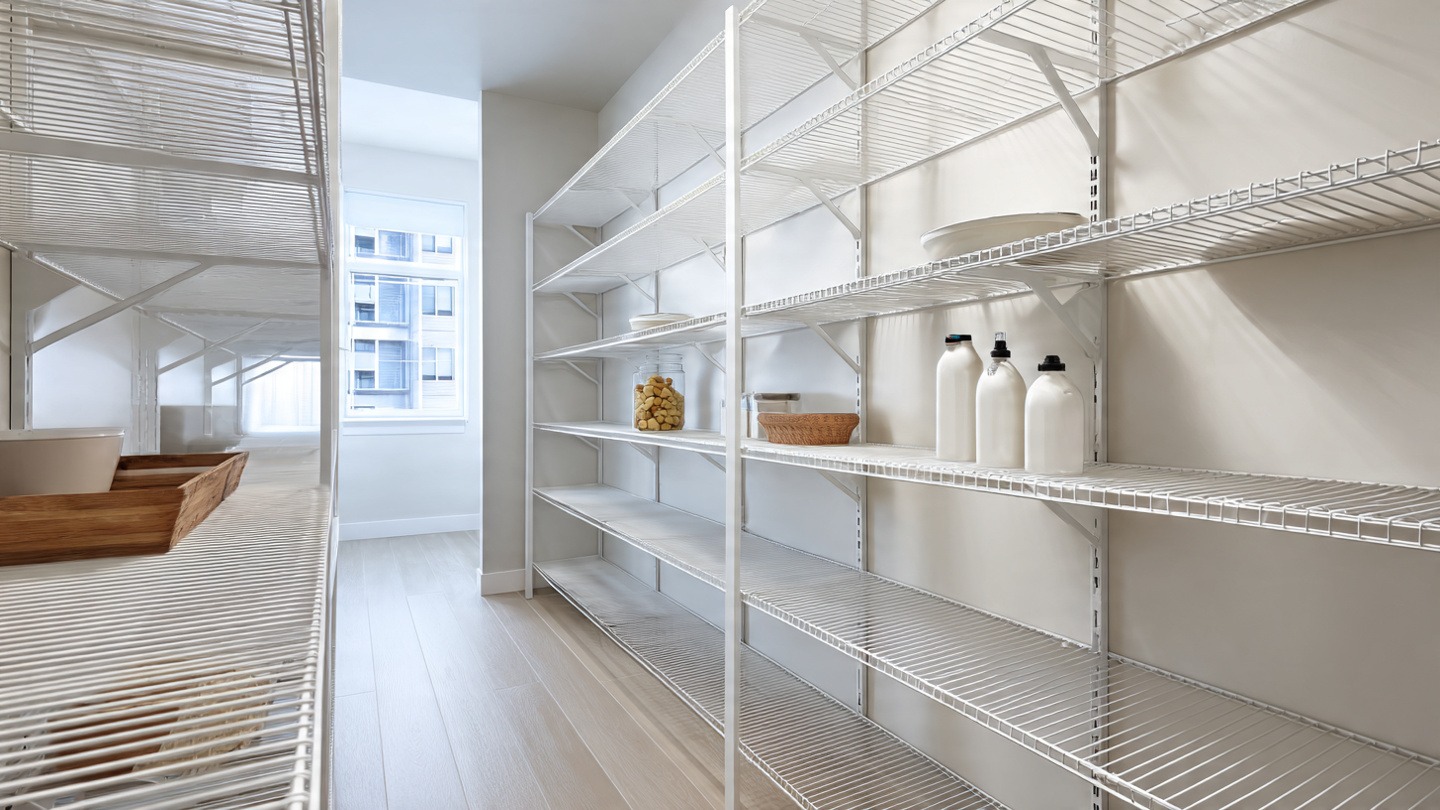
With the shelves bare, you have a golden opportunity. Wipe down every surface – shelves, walls, and the floor. Use a multi-surface cleaner or a vinegar-water solution. This isn’t just about cleanliness; it’s about creating a fresh, inviting canvas. Check corners for any signs of pests (crumbs, etc.) and vacuum them out. Starting with a sparkling-clean space is psychologically powerful and ensures your food is going back into a hygienic environment. This clean slate is essential before you begin the actual work of how to organize kitchen pantry shelves with your items.
Step 3: Create Logical Zones (The Heart of Organization)
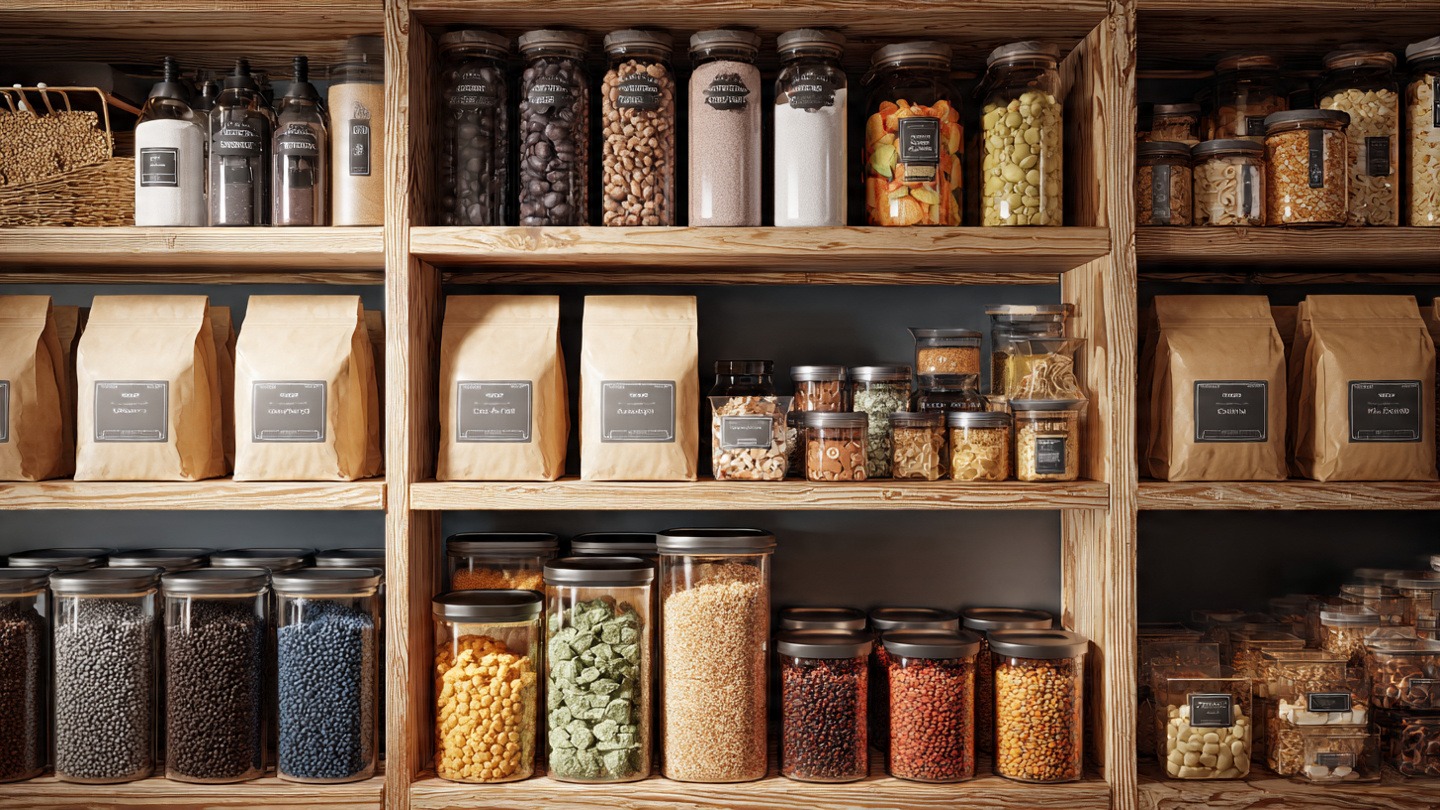
Here’s the core strategy that most pantry organization ideas miss: zoning. Don’t just put things back randomly. Group like items together based on how you use them. Think of your pantry like a grocery store with dedicated aisles. Common zones include:
- Baking Supplies: Flour, sugar, baking powder, vanilla, chocolate chips.
- Breakfast & Cereals: Oatmeal, cereal boxes, pancake mix.
- Canned Goods: Vegetables, beans, soups, tomatoes.
- Pasta, Rice & Grains: All dried pasta, rice, quinoa, couscous.
- Snacks: Chips, crackers, nuts, granola bars.
- Spices & Cooking Oils: All spices, cooking oils, vinegar.
- Beverages: Coffee, tea, drink mixes.
The “Why”: Zoning creates muscle memory. Your family will learn where things belong, and you’ll instantly see when you’re running low on pasta. Place your most frequently used zones (like snacks or everyday spices) at prime eye-level spots. Less-used items (like holiday baking supplies or large party platters) can go on higher or lower shelves. This logical flow is the true secret to how to organize pantry shelves for efficiency.
Pro Zoning Tips for Different Pantry Types
Your layout demands a tailored approach. Here’s how to adapt the zoning strategy:
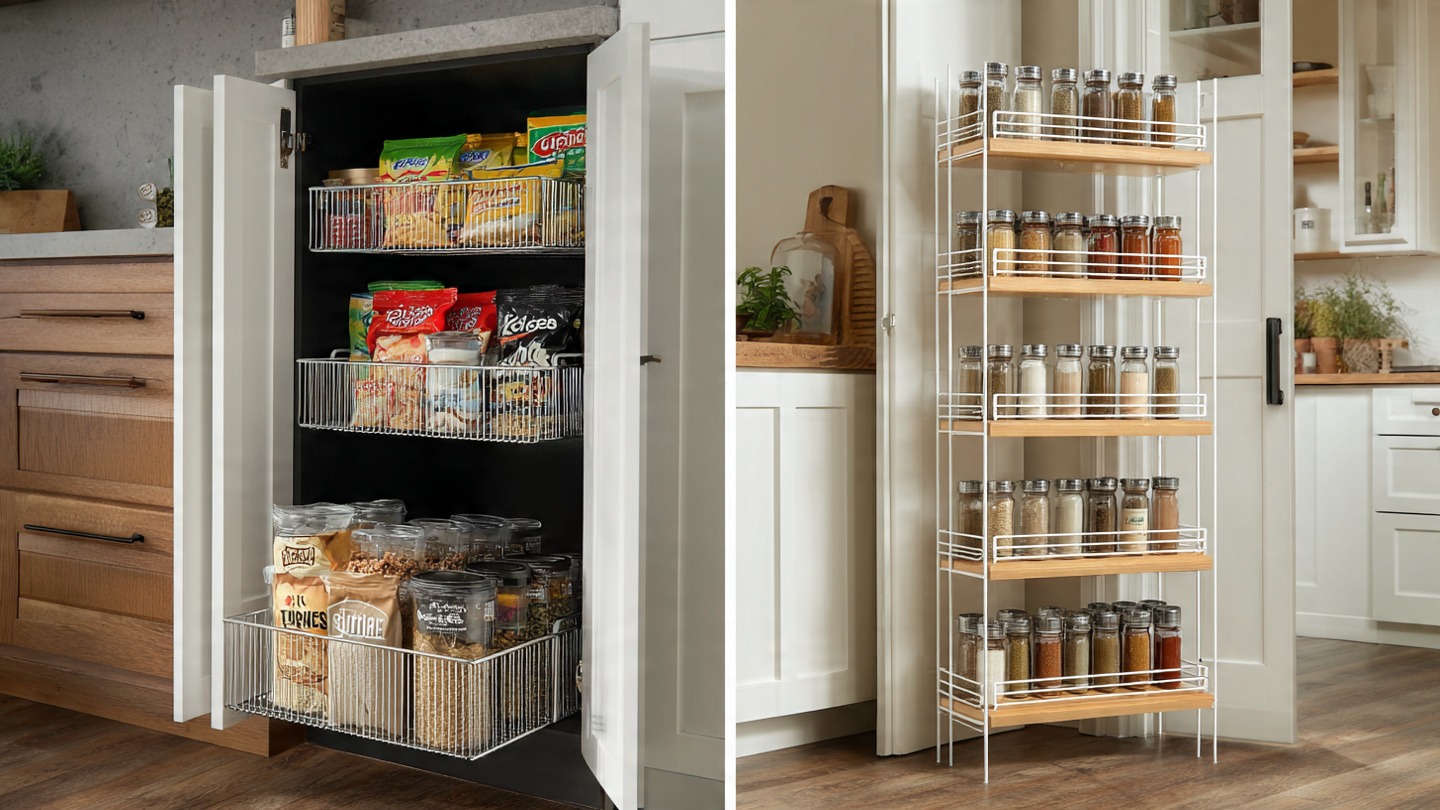
- Deep Shelves/Cabinets: Use shelf risers (like stadium seating) so you can see items in the back. Bins or baskets are perfect for grouping zones like “snacks” that you can pull forward like a drawer.
- Walk-In Pantries: You have room for larger zones. Consider dedicating a whole shelf to appliances or using a freestanding shelving unit for bulk items. Label the *shelves* themselves, not just containers.
- Cabinet Pantries (Small Spaces): Prioritize! Keep only daily-use items here. Use the back of the door for spice racks or slim racks for foil and wraps. Stackable containers are your best friend to maximize vertical space. The principles of kitchen pantry organization still apply, just on a micro-scale.
Step 4: Choose Your Storage Containers Wisely
Discover the ultimate kitchen decor ideas for 2025. Explore top trends, must-have items, and brilliant styling tips to transform your Read more
Discover the ultimate kitchen ideas for 2025. Get inspired by top trends, smart designs, and must-have products to transform your Read more
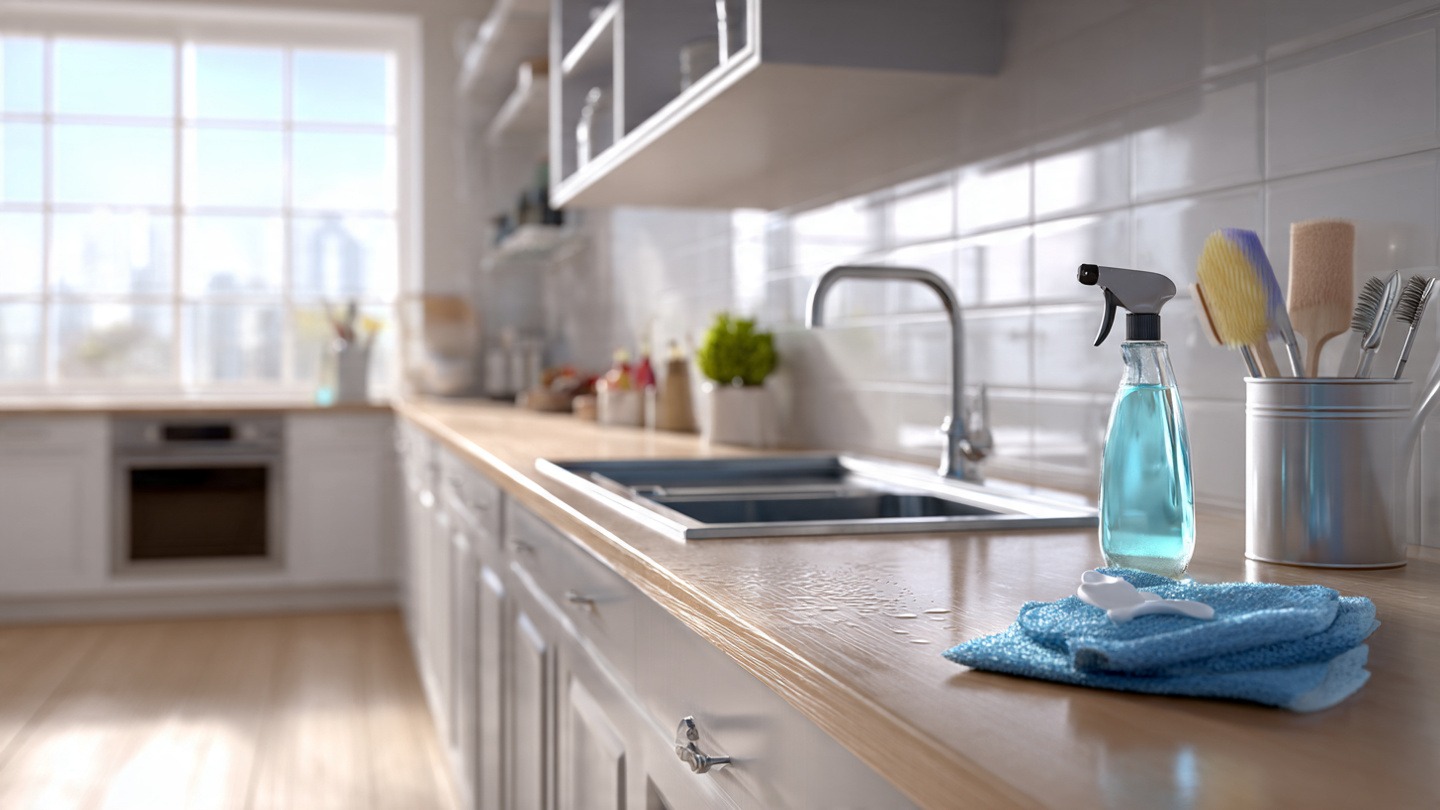
Learn how to deep clean your kitchen step-by-step. Our brilliant guide covers appliances, cabinets, and floors for a spotless home. Read more
Discover brilliant kitchen cabinet Christmas decor ideas. Get inspired with themes, DIY tips, and product picks to create a festive Read more
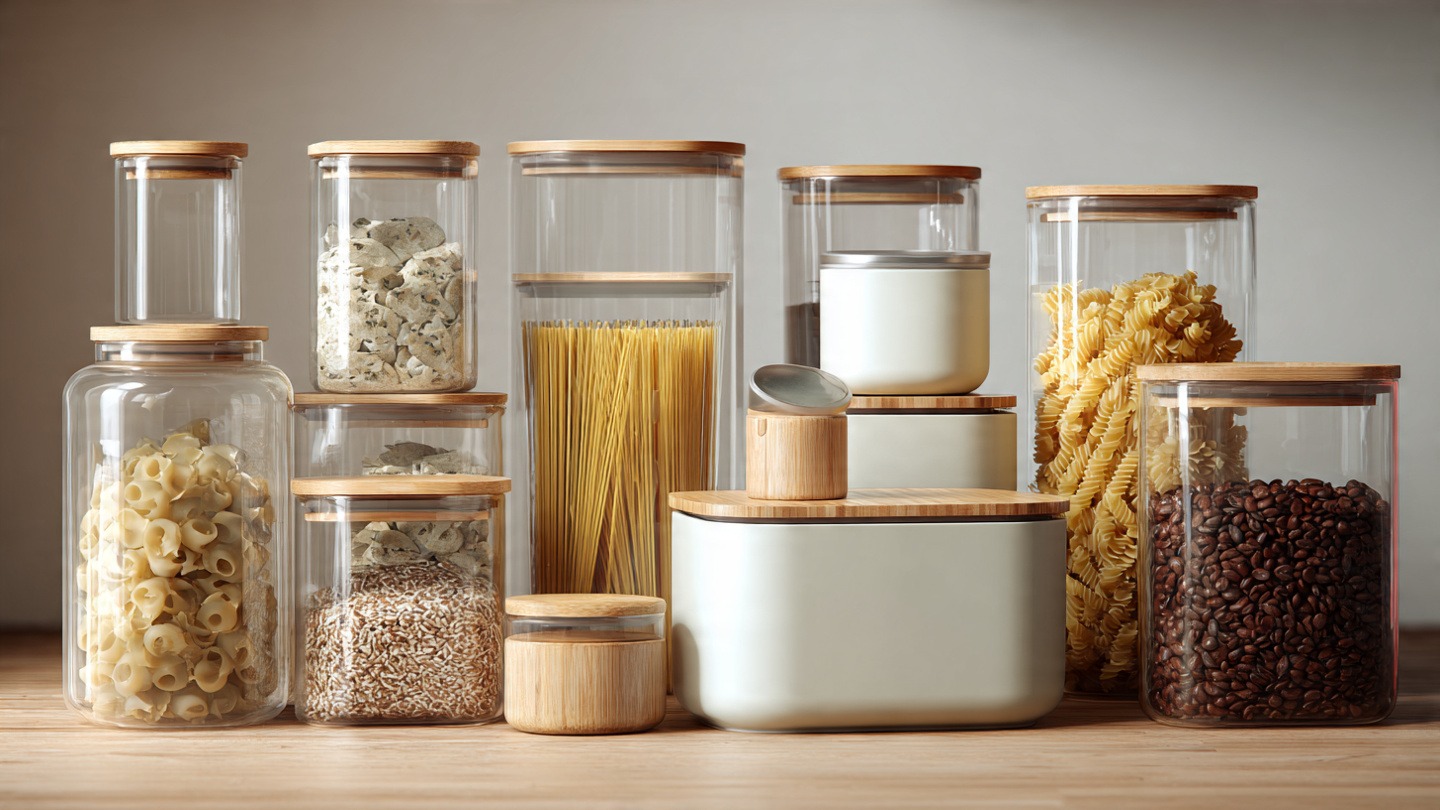
Now you can think about containers. Their job is to maintain the beautiful zones you just created. Look for clear, airtight containers – they keep food fresh and let you see your inventory at a glance. Uniform sets look fantastic and stack neatly, but you can start with a few key sizes for bulk items like flour and pasta.
Critical Reminder: Because you completed Step 3 (zoning), you know exactly what you need to contain. You can measure your shelves and the volume of your keep-pile items. This prevents the wasteful mistake of buying pretty containers that don’t fit your space or your stuff. Investing in a matching set of clear, airtight containers can make a huge visual and functional difference in your pantry storage solutions.
Must-Have Organizers Beyond Basic Containers
Containers are stars, but these supporting actors are crucial:
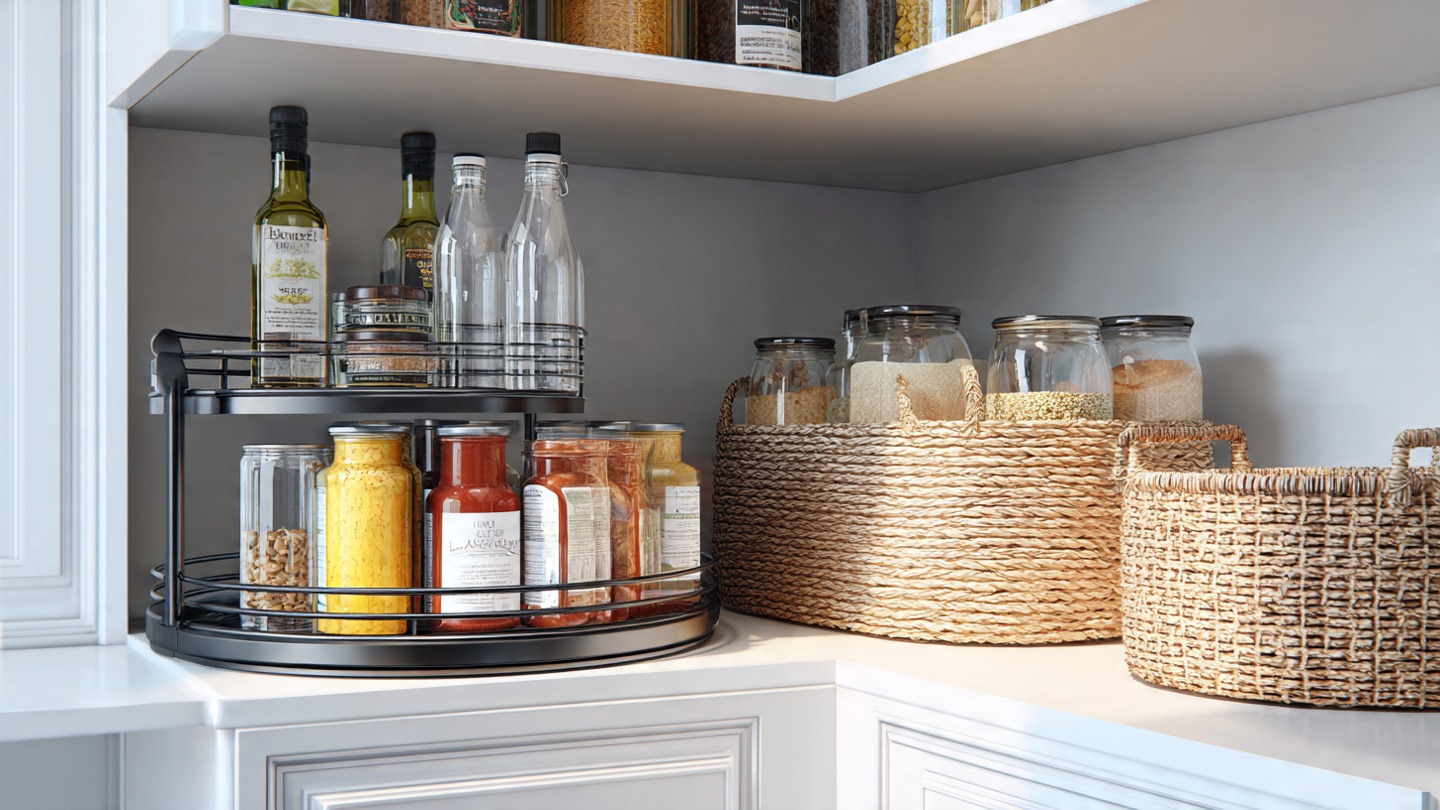
- Lazy Susans: For corner shelves or clusters of oils and sauces. No more lost bottles in the back. For those hard-to-reach corner shelves, a lazy Susan is a game-changer.
- Tiered Shelf Risers: Instantly double your visibility on deep shelves, perfect for cans and jars.
- Baskets or Bins: Ideal for grouping awkward items like snack packs, tea bags, or protein bars within a zone.
- Door-Mounted Racks: Utilize wasted door space for spices, wraps, or cleaning supplies.
Step 5: Label Everything (The Secret to Long-Term Success)
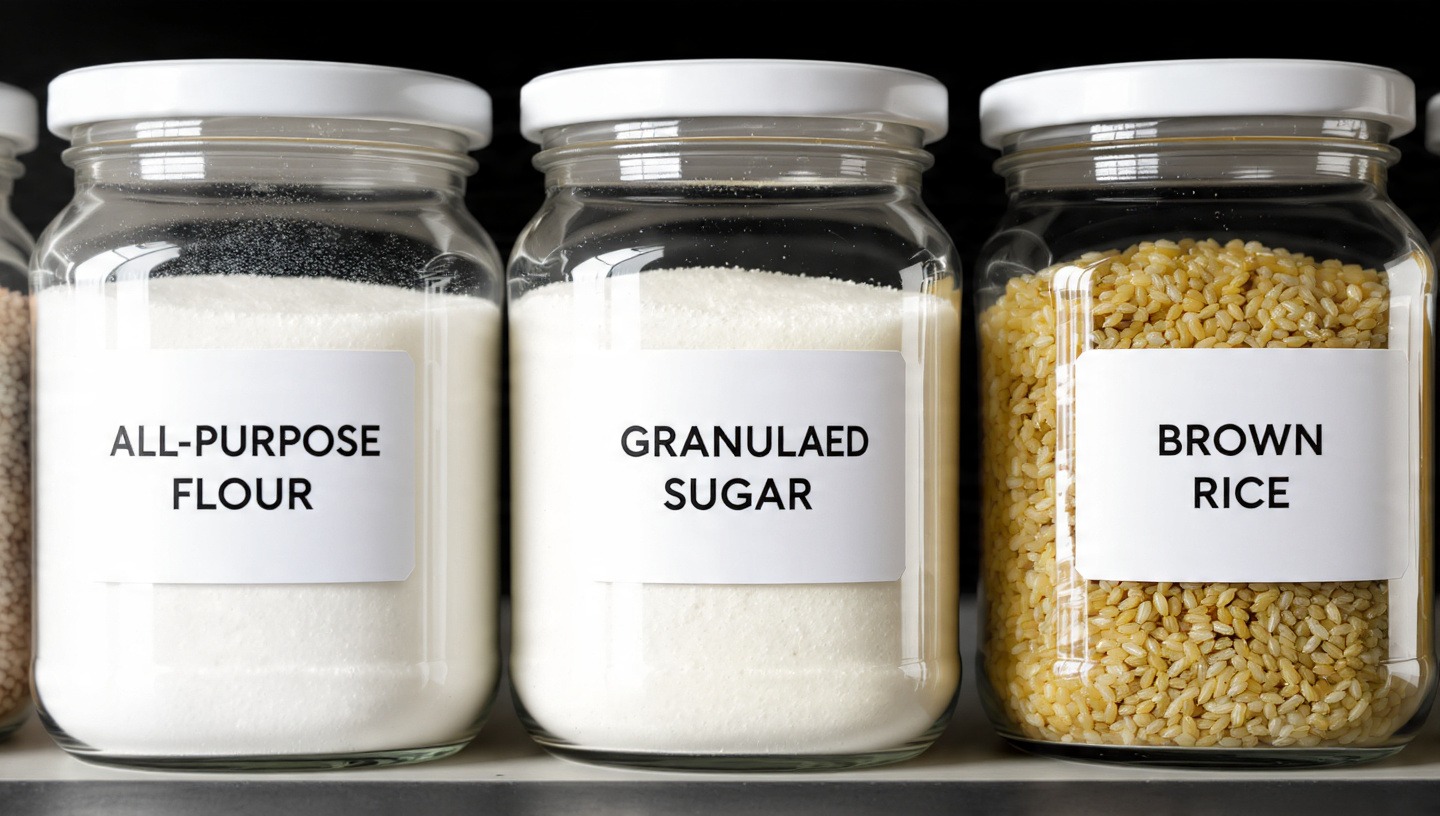
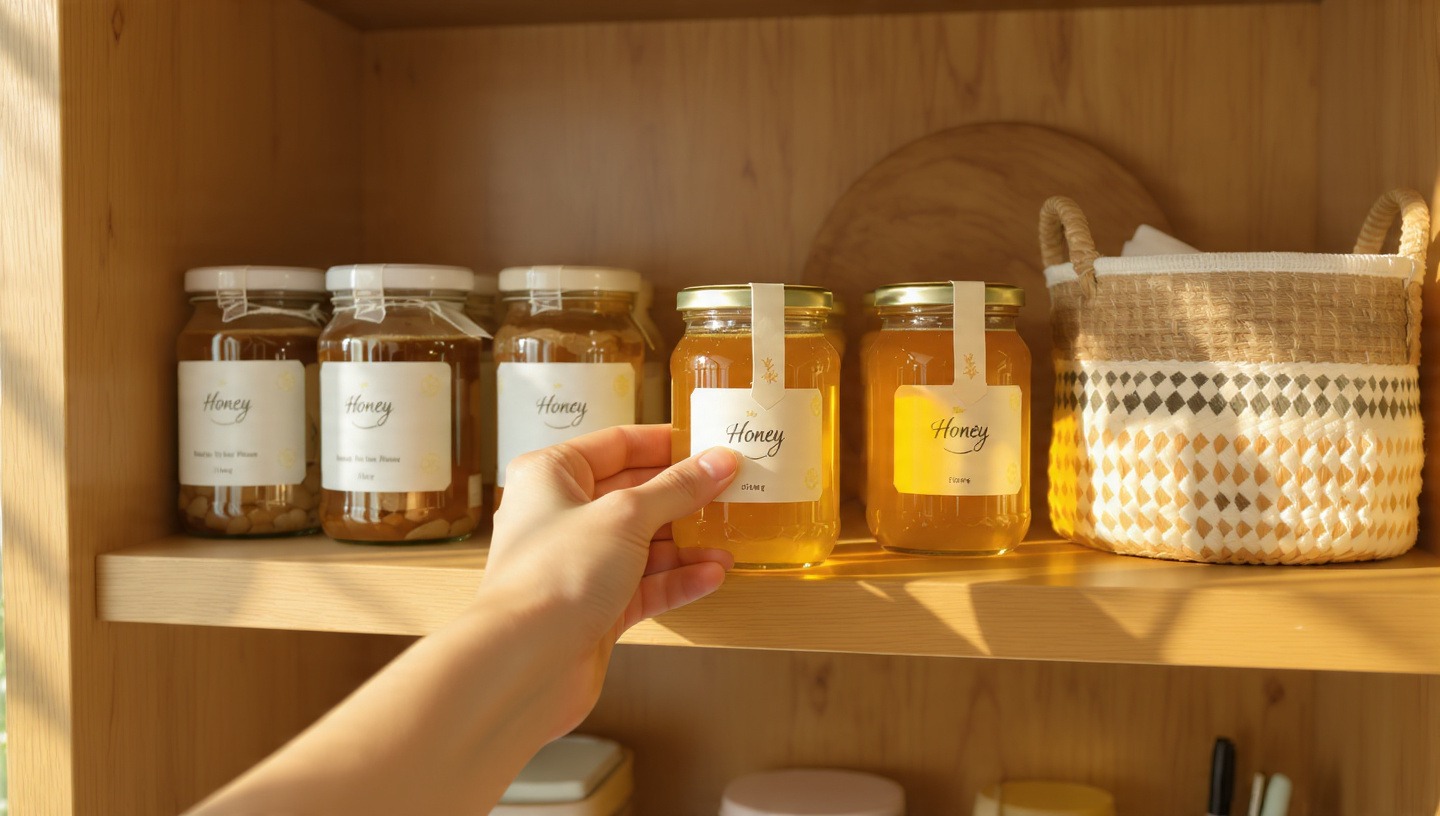
Labels are the glue that holds your system together. They tell everyone in the household where things go, making maintenance effortless. Label your clear containers (even if you think you’ll remember what’s inside). You can even label the shelf edge itself for each zone: “BAKING,” “PASTA,” etc. Use a label maker, chalk tape, or simple sticker labels. This final touch is what transforms your project from a one-time cleanup into a lasting system for how to organize kitchen pantry areas permanently.
How to Maintain Your Organized Pantry
A good system maintains itself. Follow these simple rules:
- The “One In, One Out” Rule: When you buy a new box of crackers, an old one must be finished or discarded. This prevents re-cluttering.
- The 5-Minute Weekly Tidy: Before your grocery shop, quickly scan shelves. Straighten containers, check for spills, and note what’s running low.
- Seasonal Deep-Check: Every 3-4 months, do a mini-version of Step 1. Pull items forward, check for anything nearing expiration, and wipe shelves.
Because you learned the right way how to organize kitchen pantry spaces from the start, upkeep is simple, not a chore.
Kitchen Pantry Organization FAQs
Q: What’s the biggest mistake people make when trying to organize a pantry?
A: Buying beautiful containers and organizers first. Without auditing and zoning, you’ll buy the wrong sizes and types, leading to frustration and wasted money. Always empty, audit, clean, and zone first.
Q: How do I organize a pantry with very deep shelves?
A: Tiered shelf risers and pull-out bins or baskets are your best friends. They bring items in the back to the front. Consider installing pull-out shelf organizers if it’s a permanent cabinet.
Q: How often should I completely reorganize my pantry?
A: If you maintain it with the weekly tidy and seasonal check, you might never need a full overhaul again. A full re-audit (like Step 1) is only needed if the system completely breaks down or you move.
Q: Is it worth investing in expensive containers?
A: Start with a few key airtight containers for items that truly go stale (flour, sugar, snacks). You can use existing jars and bins for other things. Invest gradually as you see what works for your specific declutter kitchen pantry needs.
Your Perfectly Organized Pantry Awaits
The journey to an organized kitchen pantry starts with a single, decisive step: emptying it all out. By following this sequenced plan – audit, clean, zone, contain, label – you’re not just tidying up. You’re building a system that saves you time, money, and stress every single day. You now know the true method for how to organize kitchen pantry spaces for long-term success. The clear counters, the peaceful cooking experience, the joy of finding exactly what you need – it all starts today. Grab those trash bags, and let’s begin!