
Unlocking the Potential of Your Studio Apartment
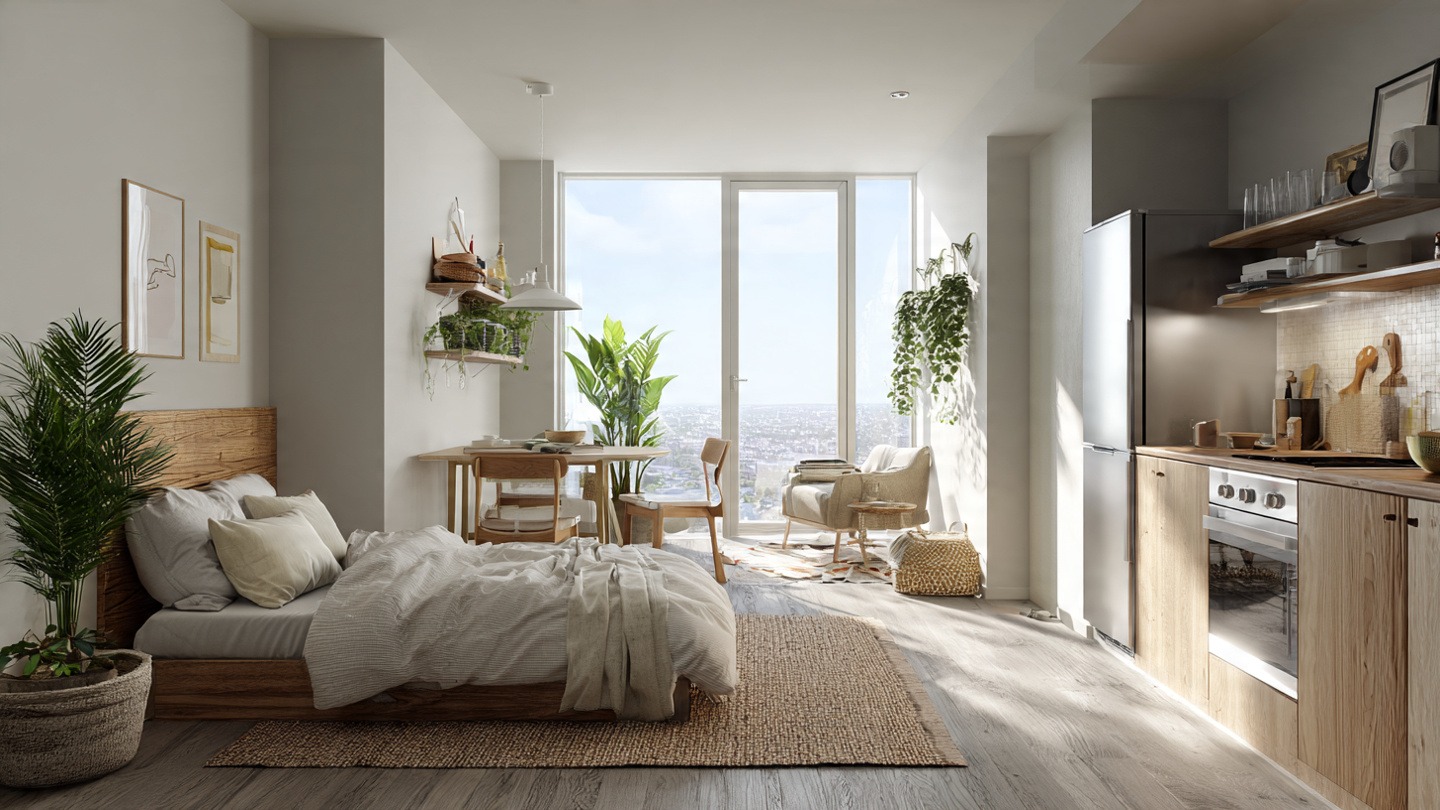
Living in a studio apartment presents a unique design puzzle: how do you fit your entire life into one room without it feeling like a cluttered dorm? The answer lies not in square footage, but in strategy. The secret weapon is mastering smart studio apartment floor plans. By moving beyond simply arranging furniture to intentionally crafting distinct zones, you can transform limitations into a canvas for creative, multifunctional living. This guide is your blueprint. We’ll move past generic tips and provide you with specific, named layout templates and the principles to customize them, turning your compact space into a home that feels both spacious and uniquely yours.
Core Principles of Smart Studio Layouts
Before we dive into specific templates, let’s establish the four non-negotiable rules that make any small studio layout ideas work. Think of these as your design compass.
1. The Zoning Imperative: Your studio is one room, but your life isn’t one activity. The goal is to create visual “rooms” for sleeping, living, working, and dining. Use area rugs, furniture placement, and lighting to signal these different zones without building walls.
2. The Scale Rule: Oversized furniture is the arch-nemesis of an efficient studio floor plan. Always measure your space and choose pieces that are proportional. Pro Tip: For example, opting for a storage ottoman instead of a bulky coffee table gives you a surface, seating, and hidden storage without dominating the floor.
3. The Verticality Principle: When floor space is limited, look up. Walls are prime real estate. Use tall shelving, wall-mounted desks, and hanging racks to keep the floor clear and draw the eye upward, making the room feel taller.
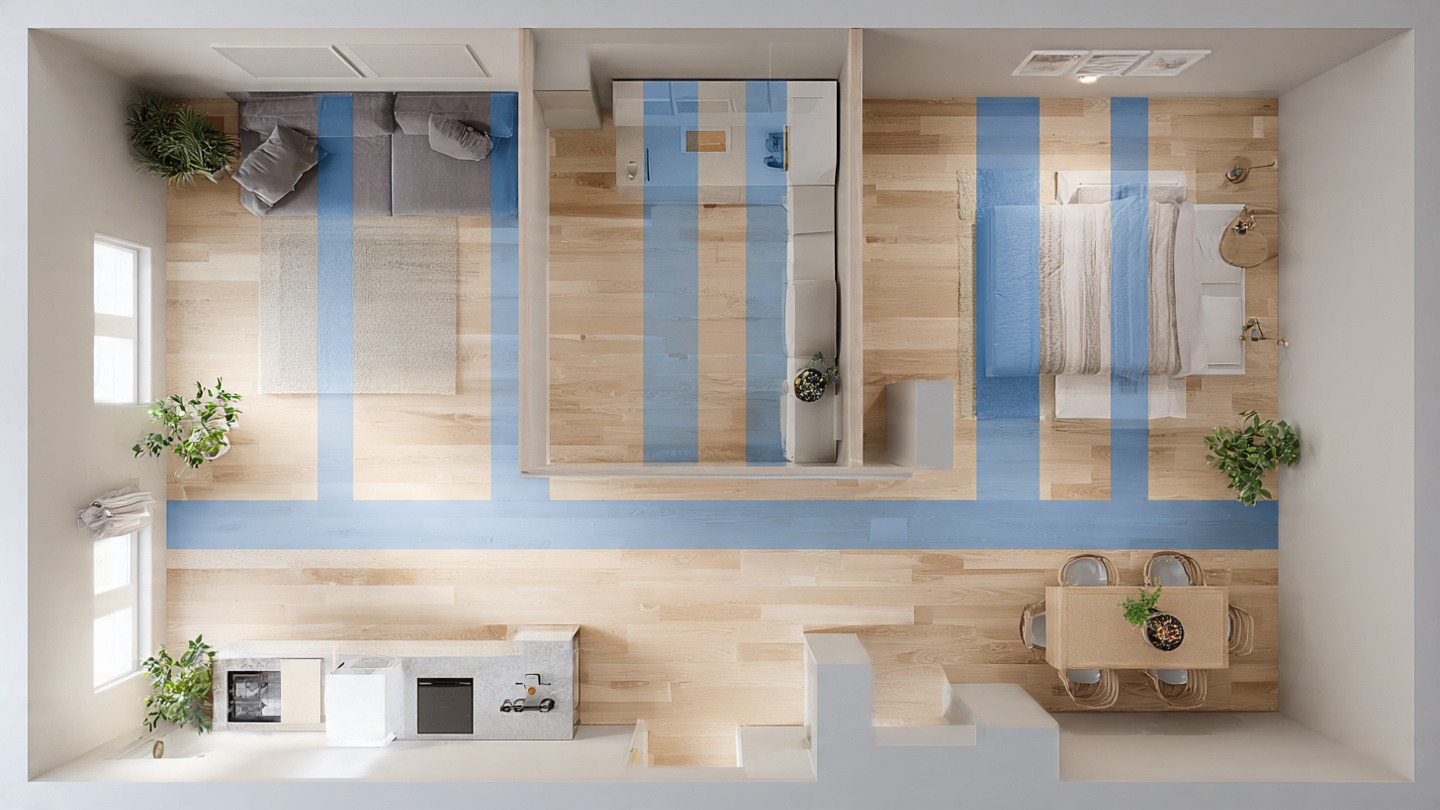
4. The Flow Factor: A good one room apartment layout has clear, unobstructed pathways. Ensure there’s a natural and easy flow from the entry to the main living area, kitchen, and bathroom. Avoid creating obstacle courses with furniture.
5 Essential Studio Apartment Floor Plan Templates
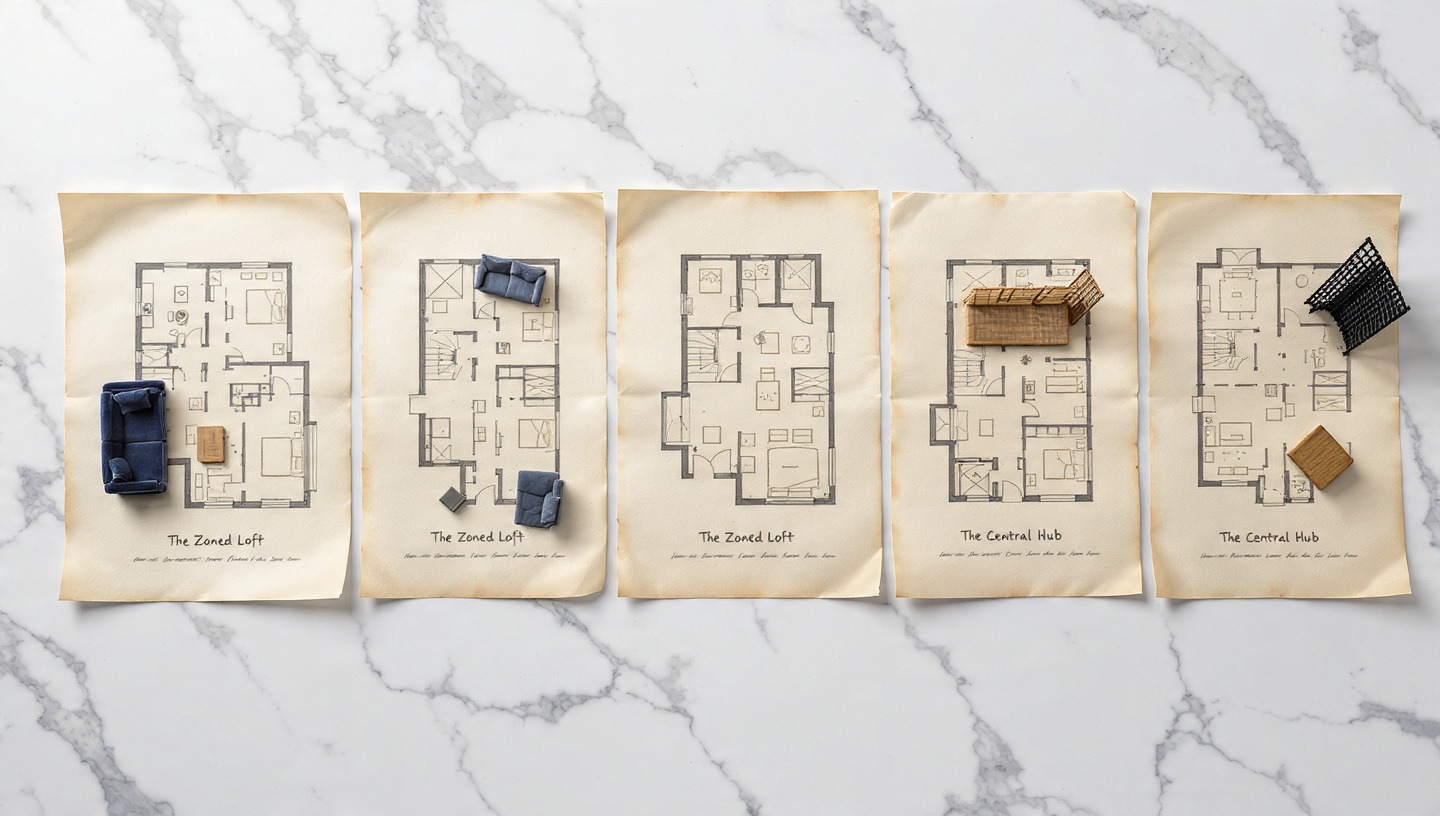
These templates are your starting points. Use them as inspiration, mixing and matching elements to suit your specific space and lifestyle. Each represents a proven approach to studio apartment design.
1. The Zoned Loft
Ideal for creating a strong physical separation between sleeping and living areas, especially in studios with higher ceilings.
- Key Feature: The bed is placed on a raised platform, with the space underneath utilized for storage, a cozy seating nook, or even a desk.
- Best For: Those who crave a definitive “bedroom” feel and have the vertical space to build up.
- Pro Tip: Use open shelving or a low bookcase as a “headboard wall” to further define the sleeping zone without blocking light.
2. The Efficient Galley
Tailored for long, narrow studio spaces where the kitchen and bathroom are often on one end.
- Key Feature: Furniture is arranged along the two longer walls, creating a central walkway. Think of a sofa against one wall and a bed/desk combo against the other.
- Best For: Railroad-style apartments. It maximizes flow and prevents the space from feeling like a hallway.
- Pro Tip: Use a runner rug to emphasize the central pathway and choose low-profile furniture to maintain an open sightline.
3. The Open Square
A classic approach for more square-shaped studios, focusing on a central, multifunctional living area.
- Key Feature: The main living zone (sofa, TV, primary seating) is positioned in the middle of the room, with other zones (bed, desk, dining) radiating outward against the walls.
- Best For: Studios with windows on multiple walls, as it allows light to flood the core of the space.
- Pro Tip: A large, central area rug is crucial here to anchor the living space and prevent it from feeling adrift.
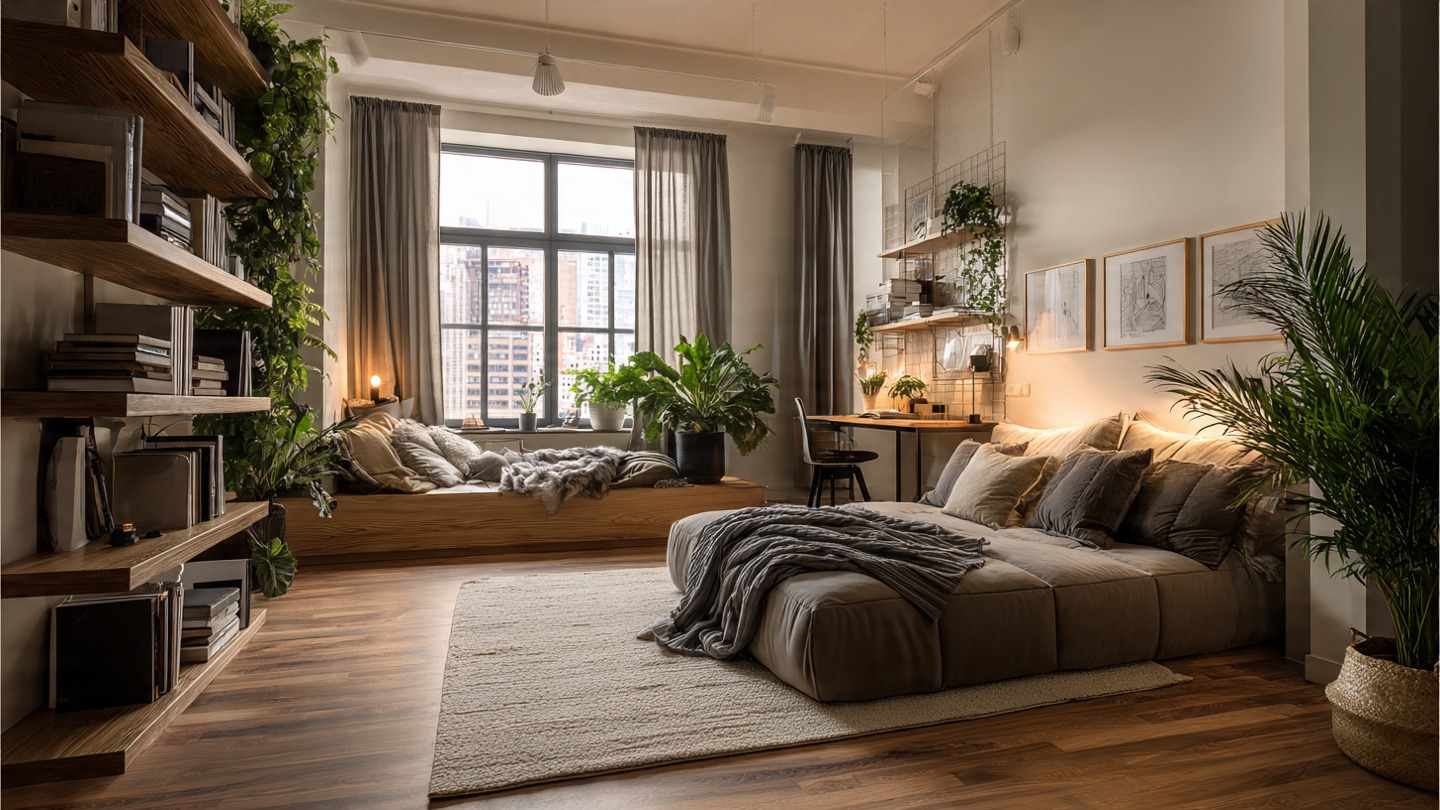
Discover stunning studio apartment layout ideas that create zones, add storage, and make your small space feel huge. Get actionable Read more
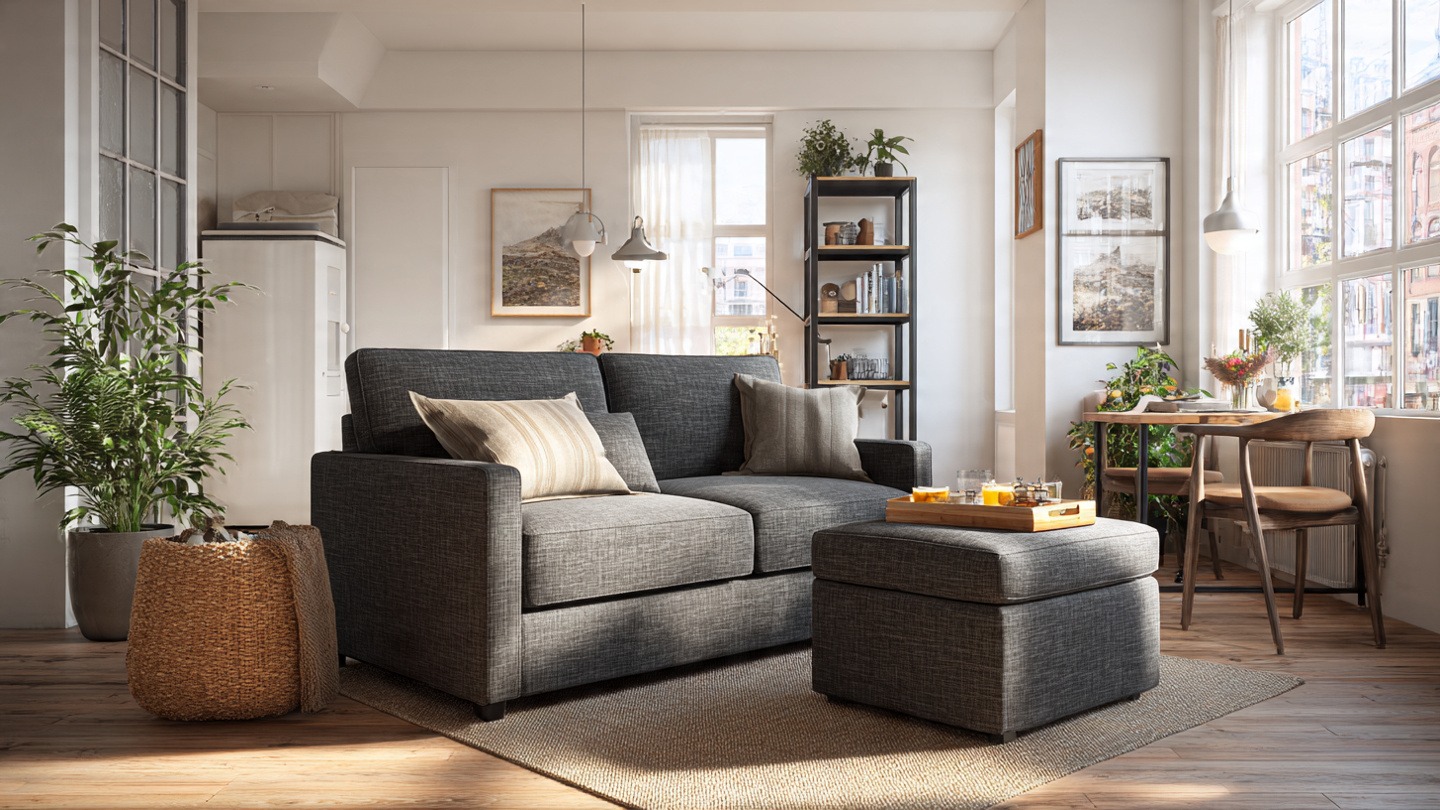
Discover the best space saving furniture for small apartments. Our 2024 guide reveals multifunctional pieces, smart layouts, and top product Read more
Discover 25+ stunning rental apartment decorating ideas that require no permanent changes. Transform your space with removable, landlord-friendly solutions. Get
Discover smart living room office combo solutions for small spaces. Get layout tips, multi-functional furniture ideas, and design tricks to Read more
4. The Room Divider Special
This plan uses furniture and fixtures as implied walls to create instant separation, a cornerstone of clever studio zoning ideas.
- Key Feature: Strategic placement of bookshelves, sofas (back-facing the bed), or dedicated dividers to break up the space visually.
- Best For: Anyone wanting quick, non-permanent separation. A stylish room divider screen can visually separate your sleeping area from your living room, adding both function and style.
- Warning: Ensure dividers are stable and don’t make the space feel closed in. Light, airy designs are best.
5. The Entryway Advantage
This template leverages the area around your front door, a space often wasted in studio apartment floor plans.
- Key Feature: Creates a mini “mudroom” or landing strip right inside the door with a slim console table, hooks for coats, and a shoe rack. This prevents clutter from spilling into the main living area.
- Best For: Studios with a defined alcove by the door or those where the door opens directly into the living space.
- Pro Tip: A mirror above the entry table will bounce light and make the transition zone feel larger.
How to Choose the Right Plan for Your Space
Now, how do you pick? Start with a blank slate and assess. First, measure everything and sketch a basic floor plan. Note all fixed points: windows, doors, radiators, and the kitchen/bathroom layout. Where is the natural light best? Finally, list your non-negotiables. Do you work from home and need a dedicated desk? Do you love hosting dinners? Match your needs and your space’s architecture to the templates above. Perhaps you blend the Entryway Advantage with The Efficient Galley. Your perfect studio apartment floor plans are a hybrid, born from these principles.
Common Studio Floor Plan Mistakes to Avoid

Even with the best intentions, it’s easy to undermine your own design. Steer clear of these pitfalls to ensure your studio layout is a success.
- Blocking Natural Light: Placing tall furniture in front of windows is a cardinal sin. It darkens the space and kills the feeling of openness. Keep window areas clear.
- Creating Cramped Pathways: Leaving less than 3 feet for walkways will make your home feel like an obstacle course. Prioritize flow in your plan.
- Ignoring Storage in the Plan: Storage isn’t an afterthought; it must be integrated into your initial studio apartment floor plans. Think vertically and choose furniture with built-in storage.
- The Bed in the Entry Flow: Avoid placing your bed directly in line with the front door. This spot should be a more private, tranquil zone for rest.
- The Oversized Sectional: That huge L-shaped sofa will swallow a small studio. Opt for a loveseat or apartment-sized sofa paired with armchairs for flexible seating.
Studio Apartment Floor Plans: Your Questions Answered
Let’s tackle some of the most frequent questions about one room apartment layout challenges.
Q: How do I separate my bed from the living area without walls?
A: Use visual cues. Different area rugs, distinct lighting (a pendant over the dining table, a lamp by the bed), and varied paint or accent colors on walls behind each zone can create powerful psychological separation. Furniture, like a bookshelf used as a room divider, also works beautifully.
Q: What’s the best furniture for a studio floor plan?
A: Champion multifunctionality. Think sofa beds, nesting tables, and storage ottomans. Also, prioritize furniture with legs (sofas, beds, chairs), as the visible floor space underneath creates an airy, less crowded feel.
Q: Can I have a dining table in a small studio?
A: Absolutely! The key is choosing a table that adapts. A compact drop-leaf table is a perfect solution, providing dining space only when you need it. Wall-mounted tables that fold down or narrow console tables that extend are other brilliant options for studio apartment design.
Q: Where do I put my TV in an open layout?
A: A swivel wall mount is a game-changer, allowing you to angle the TV from the living zone toward a kitchen or dining area. Alternatively, place it on a low media console that can be viewed from multiple seating areas.
Your Blueprint for Studio Success
Remember, exceptional living in a studio isn’t about the space you have, but what you do with it. Intelligent studio apartment floor plans are the foundation of a home that is both highly functional and deeply personal. Use the templates here as your inspirational jumping-off point. Grab a tape measure, a notebook, and start sketching. View your studio not as a single box, but as a collection of potential zones waiting to be defined. With these principles and plans in hand, you have everything you need to design a space that doesn’t just work – it thrives. Your creative, efficient sanctuary awaits.